
Flexible DC connections where current capacity, voltage drop, heat rise and terminal pressure are critical.
Battery / DC Power Cable
Battery Cable Solution
ZION helps project buyers select flexible battery and DC power cables for battery banks, UPS battery strings, DC cabinets, automotive auxiliary power and automation equipment. The selection is based on current, voltage drop, conductor size, flexibility, insulation, polarity control and installation environment.
Answer First
Project fit: how to specify battery and DC power cable
Battery cable should be selected by current path, route length, voltage drop, flexibility, insulation, color polarity and termination method. For UPS strings, battery banks and DC cabinets, cable sizing and heat-rise risk should be confirmed before buyers compare price or packing.
Application fitBattery banks, UPS battery strings, DC cabinets, automotive auxiliary power and automation equipment DC routes.
Product directionFlexible PVC battery cable, battery cable product family or automotive wire can be reviewed according to current, bend space and routing need.
RFQ dataSend voltage, current, conductor size, color, route length, lug or termination condition, cut length, marking and packing requirement.
Application Overview
Battery cable is selected by current path, not only by cable name.
In battery and DC power projects, the cable often works in short but high-current routes. A practical cable recommendation should confirm the electrical load, route length, conductor size, termination method, bend space, cable color and operating environment before the buyer compares price or packaging.
Cabinet wiring where cable flexibility, color identification and clean routing support installation and maintenance.
Auxiliary DC power routes for process control, conveyors and equipment wiring where bend space may be limited.
Engineering Selection
Battery cable selection factors for project RFQ.
For B2B orders, ZION recommends confirming the application condition first, then matching conductor size, insulation, flexibility, color, marking and packing requirements.
| Project condition | What to confirm | Recommended direction | Risk to control |
|---|---|---|---|
| Battery bank connection | Current, voltage, cable length, lug type and installation space | Flexible battery cable sized by current and route length | Heat rise, voltage drop and loose termination |
| UPS battery string | Battery layout, polarity color, repeated cut length and marking rule | Consistent red / black cable identification and controlled packing | Polarity error and maintenance confusion |
| DC cabinet wiring | Cabinet bend space, conductor size, insulation type and routing density | Flexible conductor with suitable insulation and bending performance | Insulation damage, crowded routing and service difficulty |
| Automotive auxiliary power | Voltage, accessory load, route protection and temperature condition | Automotive wire or battery cable depending on current and installation route | Abrasion, vibration and wrong conductor size |
| Automation / conveyor system | Movement, dry or wet environment, oil exposure and strain position | DC power cable construction matched to equipment routing and environment | Route strain, sheath wear and environmental mismatch |
Recommended Products
Recommended ZION battery and DC power products
These product entries help buyers move from application review to product page, datasheet discussion, sample request and project RFQ.
01 Battery Cable 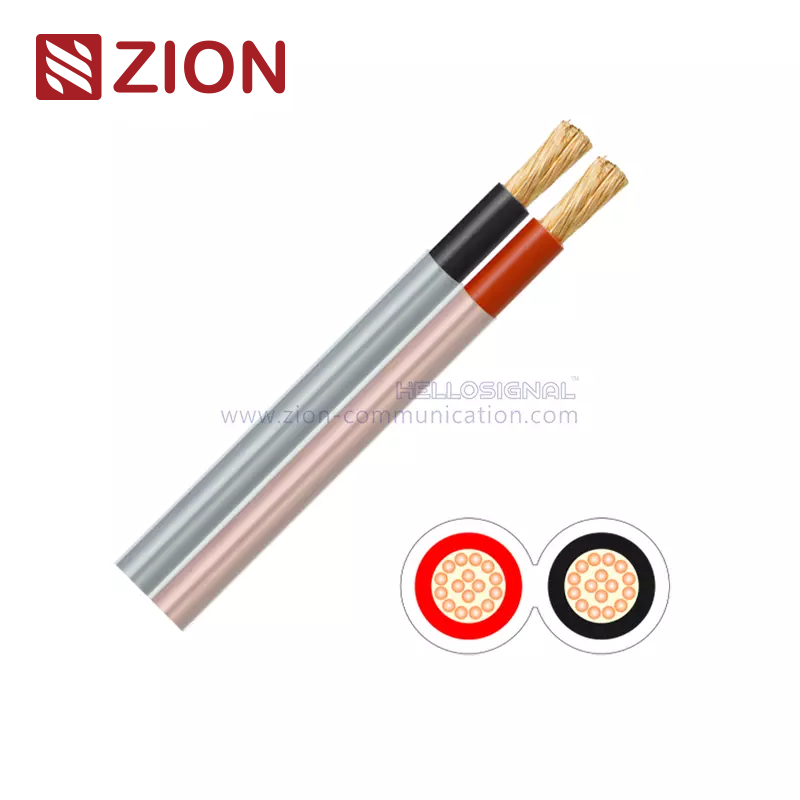
Main Product
PVC Battery Cable
Flexible PVC battery cable for DC battery connections, automotive auxiliary power, automation equipment and process control wiring.
PVC Flexible DC power
View Product → 02 Product Family 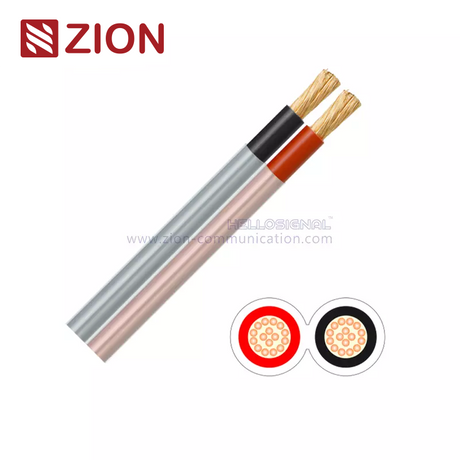
Category Entry
Battery Cable Products
Battery cable product family for buyers comparing DC power cable constructions, colors, sizes and project supply options.
Battery DC route Project RFQ
View Category → 03 Auxiliary Power 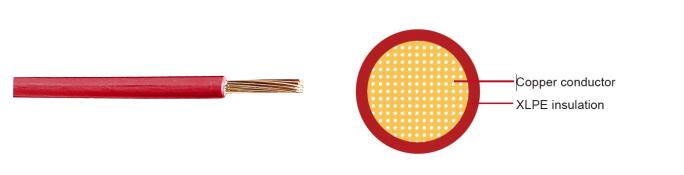
Related Product
Automotive Wire
Automotive wire for battery ground, vehicle auxiliary power, low-voltage equipment wiring and related DC power connection requirements.
Battery ground Auxiliary DC Low voltage
View Category → Risk Control
What should be controlled before placing a battery cable order?
Battery and DC power cables are often selected late in a project, but incorrect conductor size, unclear polarity, poor termination or wrong sheath selection can create installation and maintenance risks.
Confirm load current, route length and bundling condition before choosing conductor size.
For DC routes, cable length and conductor resistance should be reviewed instead of selecting only by appearance.
Use color, marking and packing rules that reduce installation mistakes and speed up maintenance checks.
Match cable flexibility, bend radius and lug position to reduce mechanical stress at connection points.
RFQ Checklist
Information ZION needs for battery cable recommendation.
A clear RFQ helps ZION return a more practical cable recommendation and avoids repeated communication during sample, quotation and bulk order preparation.
Voltage, current, conductor size, route length and expected duty condition.
Battery bank, UPS, DC cabinet, automotive route, automation equipment or conveyor system.
Insulation, sheath, flexibility, cable color, core layout, marking and packing method.
Sample quantity, cut length, delivery schedule, label language and destination market.
Buyer FAQ
Common procurement questions
These answers are prepared for engineers, contractors, distributors and procurement teams reviewing ZION battery and DC power cable options.
Is battery cable the same as general power cable?
Not always. Battery cable is normally selected for flexible DC connections, polarity identification and equipment routing. General power cable may be more suitable for fixed building power circuits.
What causes battery cable overheating?
Common causes include undersized conductor, long cable route, tight bundling, high ambient temperature, poor termination or using a cable construction that does not match the actual load condition.
Why are red and black colors important for battery cable?
Clear cable color helps installers and maintenance teams identify polarity quickly, especially in UPS battery strings, DC cabinets and repeated battery bank connections.
Can ZION support cut length, marking or packing requests?
Buyers can send conductor size, color, voltage, current, route length, cut length, marking and packing requirements to ZION for project quotation and sample discussion.
Send your battery or DC power cable parameters.
Share application, voltage, current, conductor size, route length, installation environment, color, marking, cut length and packing requirements. ZION can help organize a practical cable recommendation for your project BOM.