Engineering-ready fiber cable and passive optical product selection for FTTH/PON access, outdoor fiber routes, aerial and underground deployment, rural broadband and optical distribution networks.
FTTH Drop
OPGW
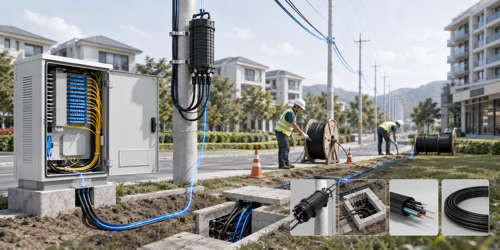
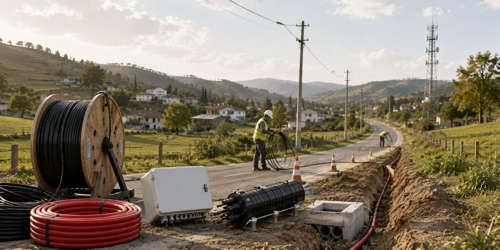
Buried Telecom and ISP projects are not only about buying fiber cable. The correct decision depends on route environment, fiber capacity, mechanical protection, PON architecture, passive distribution points, installation method and maintenance access.
Selection logic: choose the cable by route environment, choose the passive components by network node capacity, and choose accessories by installation method.
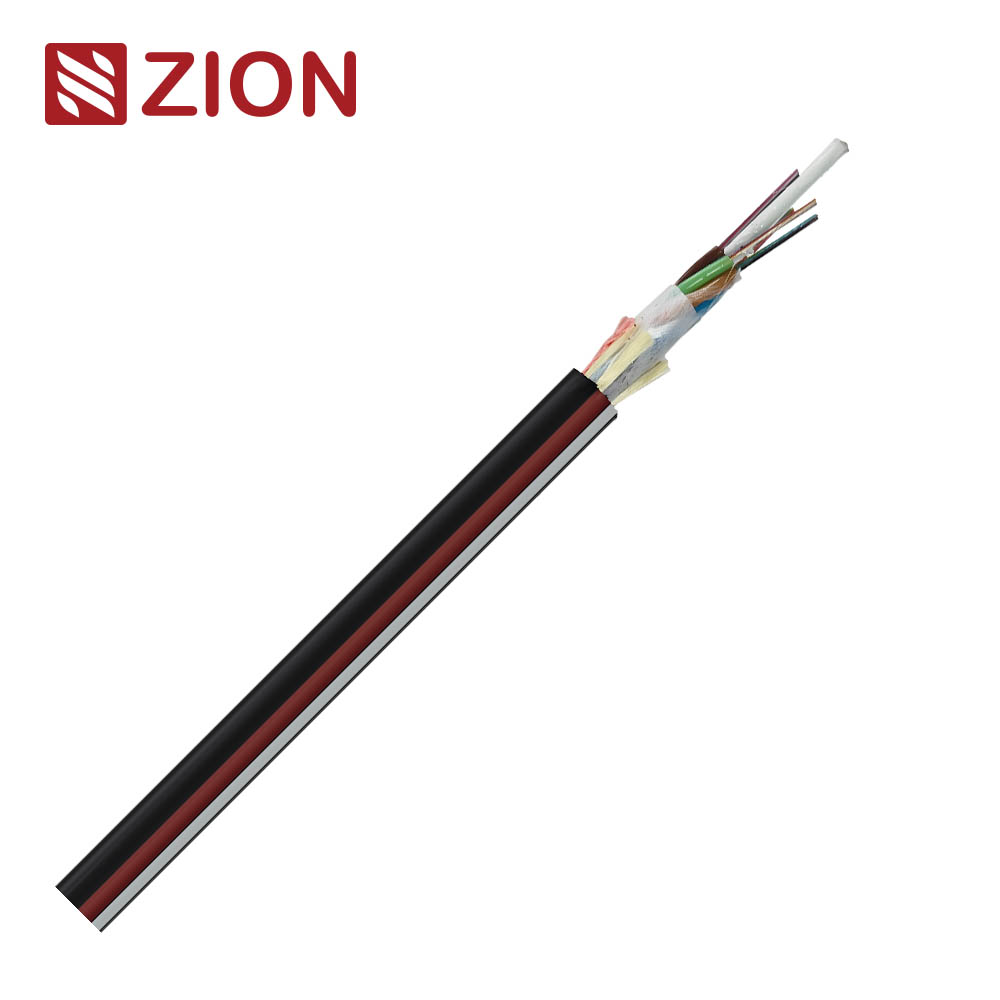
Each card uses product images in the same white-background product display logic, so cable and non-cable products remain visually consistent.
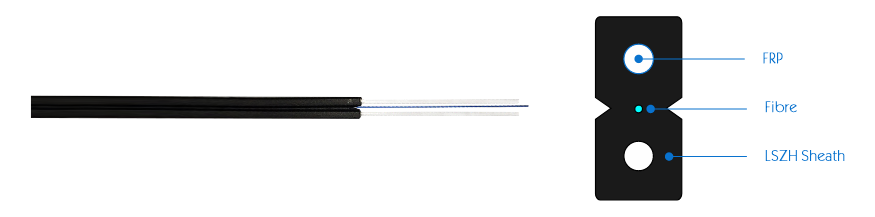
For last-mile fiber access from ISP network to subscriber premises.
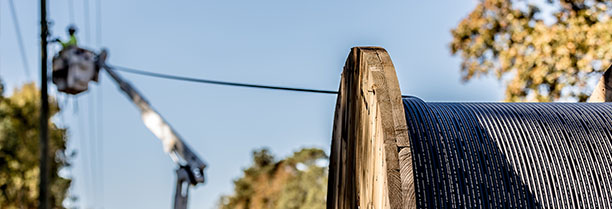
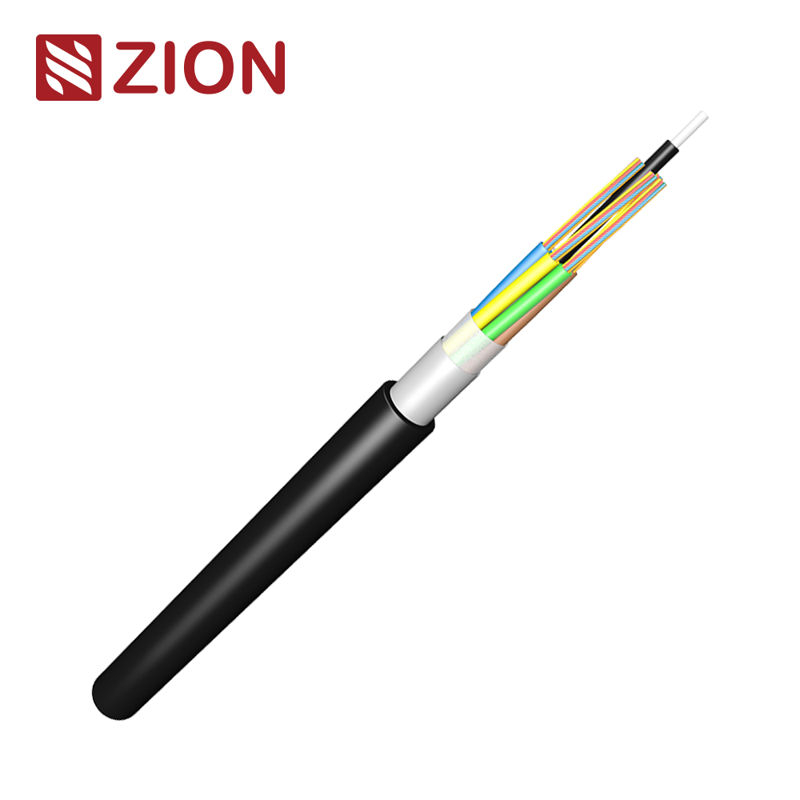
For aerial, duct, buried and outdoor distribution fiber routes.
For pole-line routes, rural broadband and long-span access.
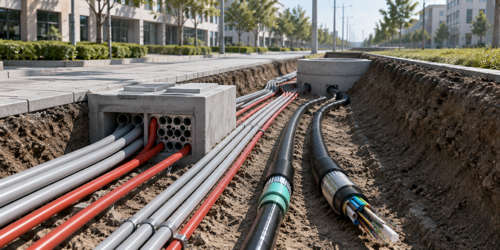
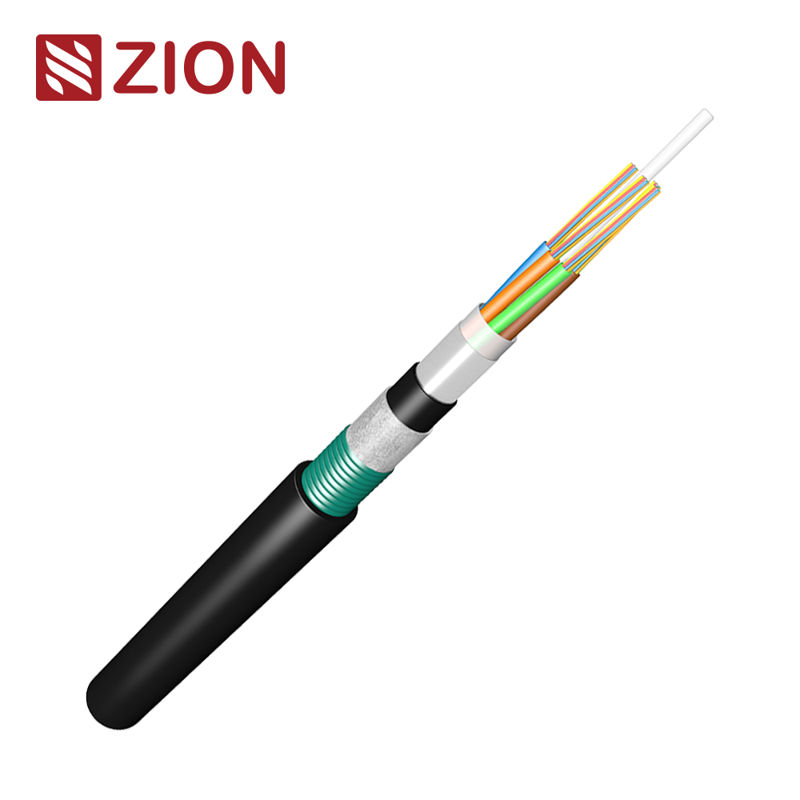
For underground telecom routes with moisture, crush and rodent risk.
For low-density, long-distance and cost-sensitive broadband projects.
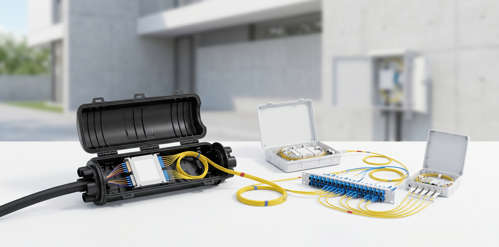
For splitter, closure, FAT, terminal and patching architecture.
Use this matrix to move from network scenario to product direction. For final specification, confirm route drawings, installation environment, fiber count, cable length, node capacity and local installation requirements.
| Visual | Network Area | Engineering Selection Question | Recommended ZION Product Direction | Procurement Confirmation | Project Landing Note |
|---|---|---|---|---|---|
![]() | Feeder Network | Is the main route aerial, duct, direct buried or utility-line related? | Outdoor Fiber Cable, ADSS Cable, OPGW Cable, Duct Fiber Cable | Fiber count, jacket material, span, tensile load, drum length | Leave enough fiber reserve and confirm splice closure positions. |
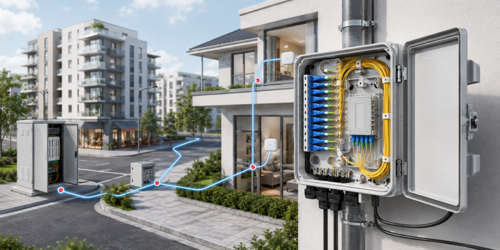
![]() | Distribution Network | Where are splitter, closure and distribution points located? | Fiber Closure, PLC Splitter, Distribution Cable, Terminal Box | Splitter ratio, closure capacity, splice tray, adapter type | Protect splitter and splice points from water, dust and poor handling. |
![]() | Drop Network | How will the final subscriber connection enter the building? | FTTH Drop Cable, Figure-8 Drop Cable, Pre-terminated Drop Cable | Indoor/outdoor sheath, strength member, connector type, length | Control bend radius and avoid excessive pulling during last-mile installation. |
![]() | Aerial Route | Is the route self-supporting or supported by messenger wire? | ADSS Cable, Figure-8 Aerial Cable, Aerial Accessories | Span length, wind/ice load, pole condition, clamp type | Match cable tension with suspension and dead-end accessories. |
![]() | Underground Route | Is the cable pulled through duct or placed directly in soil? | Duct Fiber Cable, Direct Burial Cable, Armored Fiber Cable | Armor type, crush resistance, rodent risk, duct ID, pulling length | Confirm pulling tension, bend radius and water-blocking requirement. |
![]() | Customer Premises | How will the ONT, terminal box or patching point be connected? | Fiber Patch Cord, Terminal Box, Adapter, Connector, Fast Connector | SC/LC type, APC/UPC polish, cable length, box port count | Keep connector cleanliness and reserve patching space for maintenance. |
| Project Condition | Recommended Direction | Why It Fits | Before Ordering, Confirm |
|---|---|---|---|
| Pole route without existing messenger wire | ADSS Cable | Self-supporting aerial design reduces the need for separate messenger support. | Span, wind/ice load, pole distance, clamp model |
| Power transmission line with communication requirement | OPGW Cable | Combines optical communication with overhead ground wire function. | Power line condition, fiber count, mechanical/electrical parameters |
| Subscriber last-mile connection | FTTH Drop Cable | Designed for final access from terminal point to home, apartment or shop. | Indoor/outdoor path, length, connector, strength member |
| Underground duct route | Duct Fiber Optic Cable | Suitable for conduit routes where pulling performance and cable diameter matter. | Duct inner diameter, pulling distance, bend radius, cable OD |
| Direct buried outdoor route | Armored Direct Burial Cable | Better protection against soil pressure, moisture and possible rodent damage. | Soil condition, burial depth, armor type, water-blocking design |
| PON splitter distribution | PLC Splitter + Closure + FAT | Creates passive optical distribution nodes for FTTH and FTTx networks. | Splitter ratio, optical budget, box size, connector type |
Product images are displayed in the same angle logic: centered, white or light-gray background, consistent card ratio, and no cropping.
Start with the route type, network architecture and subscriber distribution. For example, FTTH/PON access, aerial rural broadband, underground duct route or ODN distribution will lead to different cable and component choices.
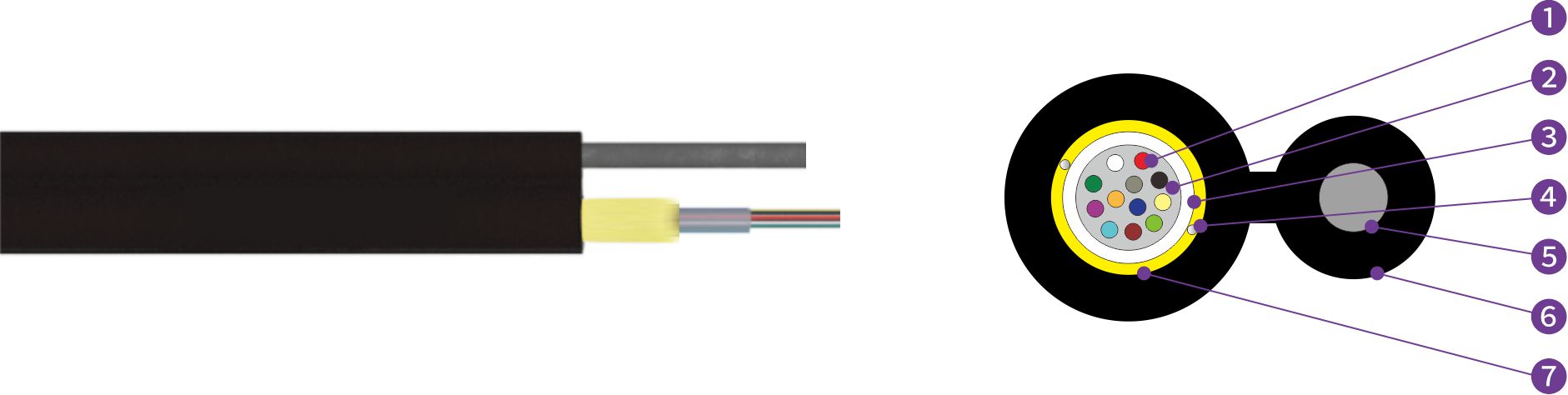
ADSS is usually selected for self-supporting aerial routes without metallic messenger wire. Figure-8 cable is selected when a built-in messenger structure is required. Span, wind load, pole condition and accessory compatibility should be checked before ordering.
Use duct cable when the route is protected by conduit. Use direct burial or armored outdoor cable when the cable is placed directly in soil and needs stronger protection against moisture, crush and possible rodent damage.
Yes. Based on route information, subscriber quantity, fiber count, splitter plan and installation method, ZION can help organize a preliminary BOM covering fiber cables, PLC splitters, closures, terminal boxes, patch cords and installation accessories.
Send your route type, fiber count, installation environment, subscriber quantity and expected network layout. ZION can help convert your project information into a practical cable and passive optical component recommendation.