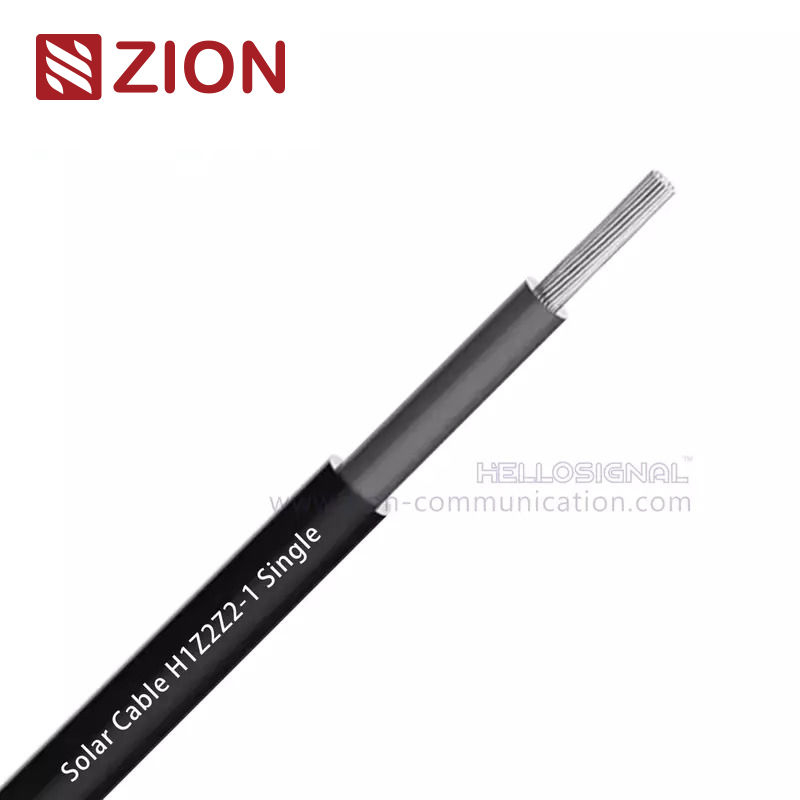
PV DC Route
Solar PV Cable Solution
For DC wiring between PV modules, strings, combiner boxes, inverters and solar power equipment.
PV DC Cable Outdoor Route Red / Black
View Solution → 
ZION helps EPC contractors, installers, distributors and project buyers organize cable requirements for solar PV routes, battery and DC power links, low-voltage distribution, heat-exposed equipment wiring and general power/control circuits. The goal is to turn project conditions into a clear cable BOM for quotation, sample review and engineering approval.
A practical energy and power cable inquiry should be organized by application, route condition and electrical requirement before comparing price. Solar PV cable, battery cable, armoured power cable, high temperature cable and general power/control cable are not interchangeable. Each line in the BOM should define conductor size, core count, insulation, jacket, flexibility, temperature exposure, color, marking, packing length and required documents.
For DC wiring between PV modules, strings, combiner boxes, inverters and solar power equipment.
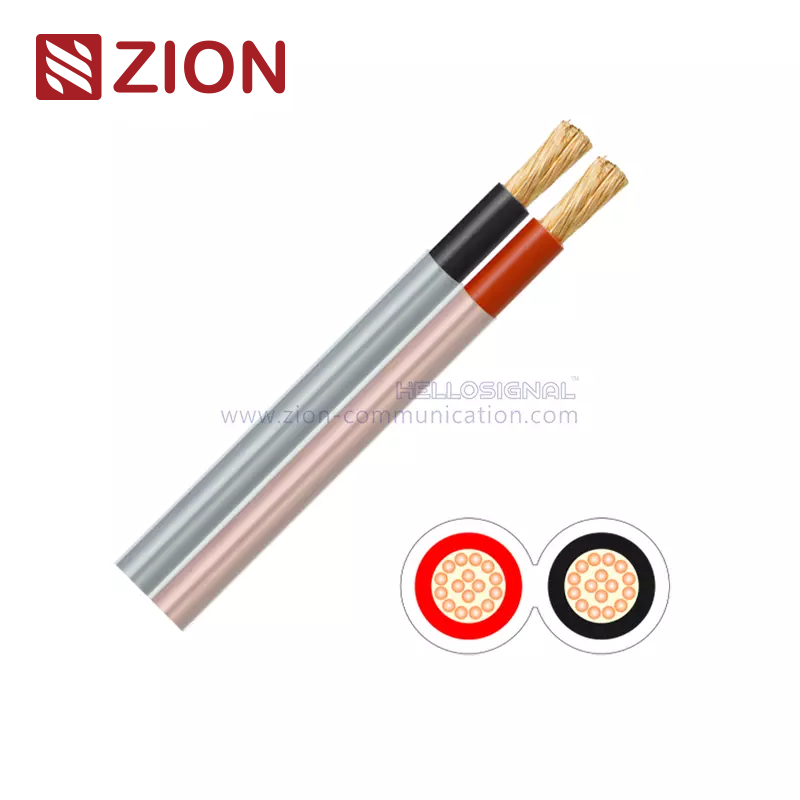
For battery banks, inverters, chargers, backup power systems, vehicles and energy storage equipment.
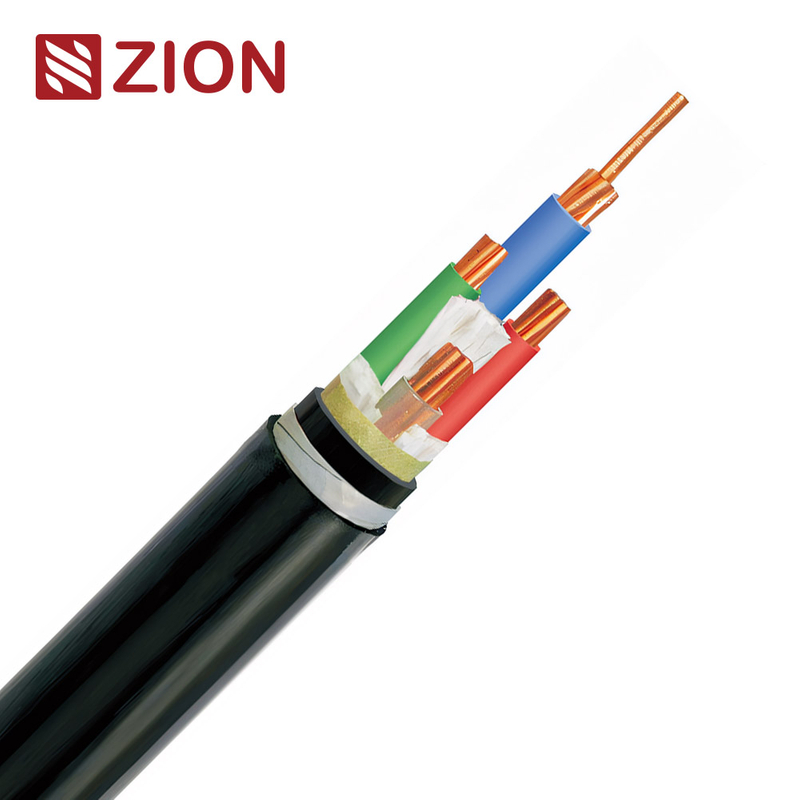
For low-voltage distribution routes where duct, underground, plant or infrastructure cabling needs protection.
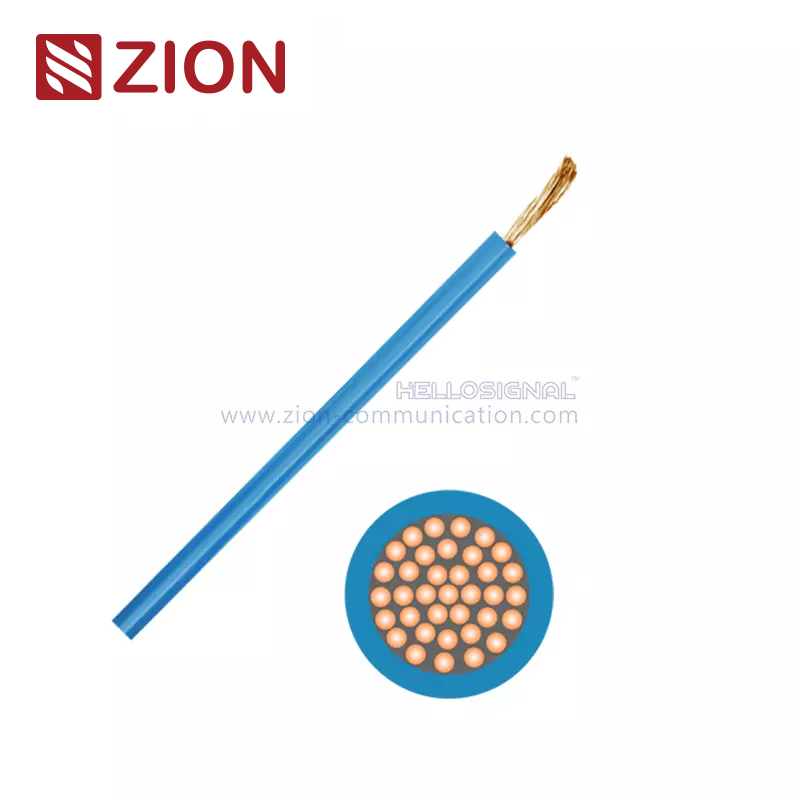
For appliances, heaters, furnaces, lighting, motors and equipment wiring exposed to thermal stress.
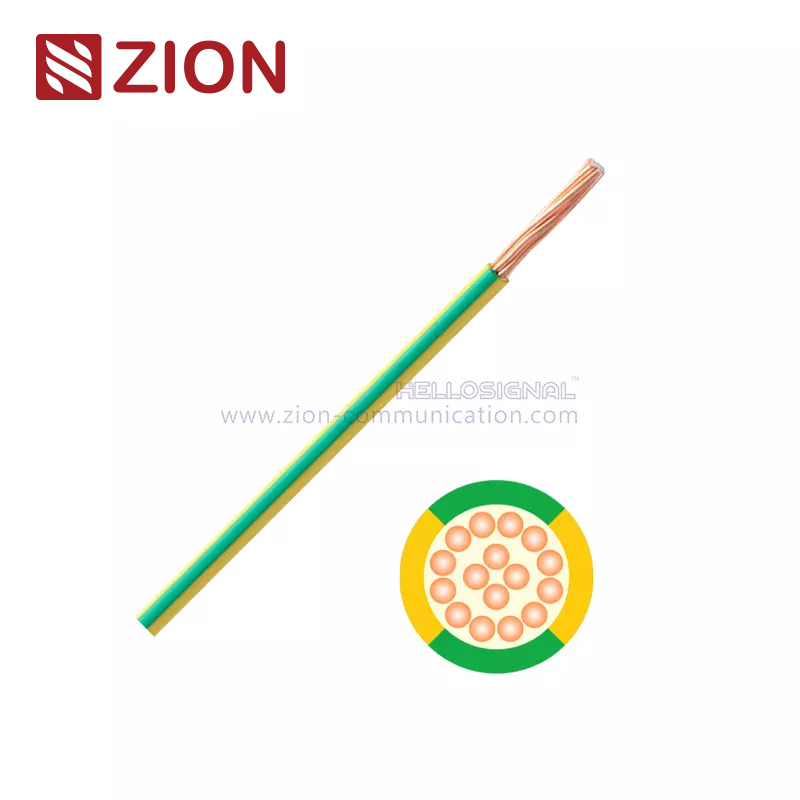
For building wiring, panel wiring, flexible leads, light-duty power cords and multi-core control routes.
| Project Area | Recommended Cable Direction | Key Information to Confirm | Risk if Not Confirmed |
|---|---|---|---|
| PV generation | Solar PV DC cable | Standard, conductor size, red/black color, UV/weather exposure, packing length. | Wrong outdoor rating, unclear color marking or unsuitable conductor size. |
| Battery and DC power | Battery cable | Current, voltage drop, cable flexibility, lug/terminal plan and jacket color. | Overheating, voltage drop, difficult termination or poor cabinet routing. |
| Low-voltage distribution | Armoured low-voltage power cable | Voltage grade, core count, cross section, armour type, jacket and drum length. | Insufficient mechanical protection or mismatch with route design. |
| Heat-exposed equipment | High temperature cable | Temperature class, insulation type, conductor size, core count and equipment environment. | Premature jacket failure, insulation aging or unsuitable thermal performance. |
| Building and equipment wiring | General power/control cable | Fixed or flexible use, conductor size, core count, jacket, panel route and labeling. | Installation inefficiency, wrong flexibility or unclear wiring identification. |
| Application | Typical Cable Family | Procurement Focus | Document Focus |
|---|---|---|---|
| Solar farms and rooftop PV projects | Solar PV cable | DC route, conductor size, color, outdoor durability and packing. | Datasheet, standard reference, sample approval and marking confirmation. |
| Energy storage and backup power cabinets | Battery cable | Current carrying need, flexibility, bending route and terminal compatibility. | Datasheet, conductor specification, jacket material and sample check. |
| Industrial low-voltage power distribution | Armoured power cable | Voltage grade, core count, armour, jacket, drum length and route condition. | Technical datasheet, construction drawing and packing label information. |
| Heaters, furnaces and appliance wiring | High temperature cable | Temperature exposure, insulation, flexibility and equipment layout. | Temperature class reference, sample and product specification sheet. |
| Panels, machinery and building wiring | General power/control cable | Fixed or flexible use, conductor size, core count, routing and labeling. | Datasheet, cable marking, carton label and packing list requirements. |
Use datasheets to compare cable construction before confirming the BOM.
Samples help buyers check cable appearance, flexibility, color and marking before bulk purchasing.
Clear packing requirements reduce confusion during warehouse receiving and site distribution.
| Checklist Item | Why It Matters | What to Send to ZION |
|---|---|---|
| Application and route | Different project areas require different cable families and construction details. | Application name, route type, indoor/outdoor condition and project drawing if available. |
| Electrical requirement | Voltage, current and conductor size affect safety, voltage drop and cable selection. | Voltage grade, current estimate, conductor size, core count and cable schedule. |
| Environment | Heat, sunlight, moisture, mechanical stress and installation space influence jacket and protection. | Temperature condition, outdoor exposure, duct/direct burial route and bending requirement. |
| Quantity and packing | Packing format affects quotation, logistics, warehouse receiving and site installation. | Total quantity, length per drum/coil/carton, label requirement and delivery batch plan. |
| Documents and approval | Engineering approval may require datasheets, samples, marking review or available certificate files. | Required datasheet format, sample request, certification need and OEM/ODM marking details. |
No. Solar PV, battery, armoured power, high temperature and general power/control routes usually require different cable constructions, ratings, flexibility and documentation.
Send a BOM grouped by application. Each line should include cable family, conductor size, core count, route condition, quantity, packing length, color, marking and document requirements.
Yes. Buyers can request datasheets through Sales Support. The datasheet request should include the exact cable family, size, construction and application route.
Samples can be discussed for new specifications, project approval, marking review or OEM packing checks. Sample requirements should be confirmed with Sales Support.
OEM/ODM support can be discussed for cable printing, jacket color, drum length, carton labels, project labels and distributor packing requirements.
Buyers should request only the certificates or test documents required by their project, country or tender. ZION should confirm available documents according to the exact cable type and specification.
MOQ depends on cable type, size, color, packing and customization level. Send the required specification and quantity to Sales Support for confirmation.
Confirm conductor size, flexibility, bending route, terminal or lug plan, jacket material, armour need and route environment before ordering. Samples are useful for new or custom routes.
Send your project drawings, cable schedule, application list, required quantities, packing requirements and document requests. ZION can help organize the cable direction for quotation, sample review and project supply discussion.