
Suitable for flexible internal wiring where heat resistance, soft bending and equipment routing are important.
Heat Resistant Wiring
High Temperature Cable Solution
ZION High Temperature Cable Solution helps equipment manufacturers, contractors and distributors select silicone, fiberglass, mica tape and ultra-high-temperature cable for heaters, ovens, appliances, lighting, machinery and other hot-zone wiring applications.
Answer First
Project fit: how to specify high temperature cable
High temperature cable should be specified by continuous operating temperature, peak heat exposure, insulation material, movement, abrasion and installation route. Silicone, fiberglass, mica tape and ultra-high-temperature cable directions should not be compared only by nominal temperature class.
Application fitHeaters, ovens, appliances, lighting, thermal equipment, machinery wiring and hot-zone internal equipment routes.
Product directionReview SiF, SIHF-J, UL 3135 silicone rubber cable or UL 5107 ultra-high-temperature cable according to temperature class and routing condition.
RFQ dataSend continuous and peak temperature, voltage, conductor size, core count, flexibility, abrasion, oil or chemical exposure, length and document needs.
Answer First
How should high temperature cable be selected?
High temperature cable should be selected by real working temperature, insulation material, conductor size, voltage, flexibility, abrasion exposure and certification requirement. For ZION RFQ discussion, the most useful information is the heat source, cable route, distance from the hot zone, movement condition, termination point and required standard.
Used when the project requires higher temperature margin, appliance lead wire use or UL-style model documentation.
Consider fiberglass, mica tape or special high-temperature constructions for severe heater, oven or thermal equipment areas.
Application Fit
Where are ZION high temperature cables normally used?
The page is written for project teams that need practical cable direction before confirming datasheets, samples, packing and quotation.
Heating Equipment
Heaters and ovens High temperature wiring near heating elements, hot chambers, thermal equipment and oven internal routes.
Appliance Wiring
Appliance lead wire Flexible silicone or UL-style high temperature wire for appliance internal connection and equipment lead routes.
Machinery
Industrial equipment Multi-core silicone cable for machinery wiring where heat resistance, bendability and installation handling matter.
Lighting
Lighting and hot fixtures Heat-resistant wiring for lighting systems, lamps, control boxes and high-temperature electrical connection areas.
Engineering Selection
Which temperature class fits the application?
The product name alone is not enough. ZION recommends confirming the real working condition first, then matching material family and product model.
| Application Condition | Typical Cable Direction | Selection Focus |
|---|---|---|
| Flexible appliance lead wire | Silicone high temperature cable | Conductor size, voltage, flexibility, routing space, color and model documentation |
| Heater or oven internal wiring | 200°C silicone or UL-style high temperature cable | Continuous heat, peak temperature, insulation aging and termination distance from hot source |
| Severe hot-zone equipment | Fiberglass, mica tape or up to 450°C high-temperature direction | Hot-zone temperature, direct heat exposure, abrasion, fire exposure and installation protection |
| Machinery and control equipment | Single-core or multi-core silicone cable | Core count, bend radius, cable movement, equipment route and connection method |
| Heat plus abrasion or vibration | Abrasion-resistant high temperature cable construction | Contact surface, metal edge risk, vibration, protective sleeve and service environment |
Note: temperature class should be confirmed against the actual application environment, cable structure and required standard before final purchase.
Recommended Products
Recommended ZION high temperature products
These ZION product families help buyers move from application planning to datasheets, samples and RFQ discussion.
01
Silicone Cable
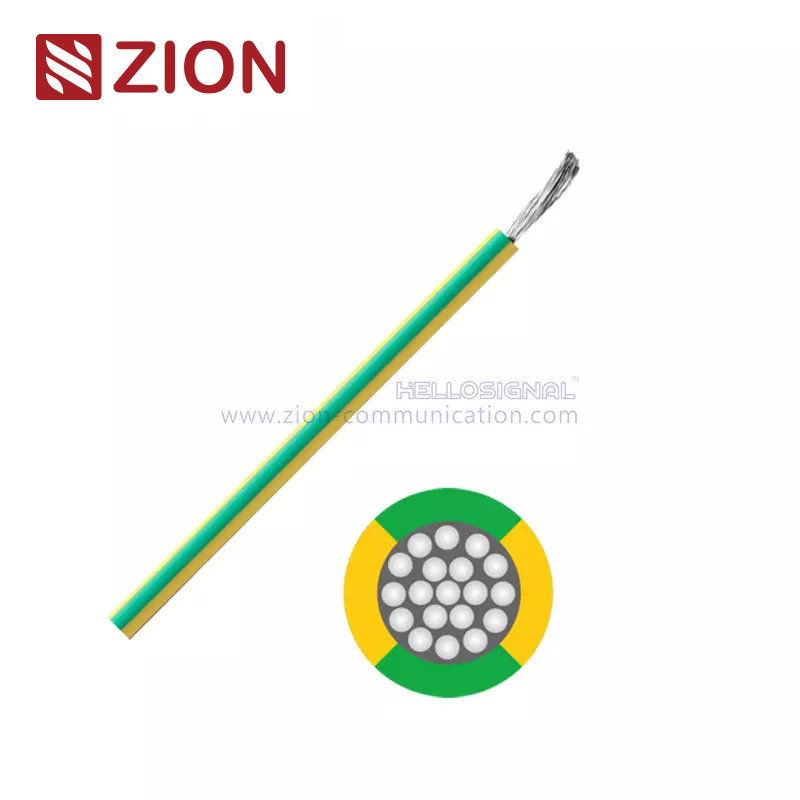
Flexible Heat Wiring
SiF Cable
Flexible silicone cable for internal equipment wiring, appliance lead wire routes and medium high-temperature areas where bendability is important.
Silicone Flexible Equipment wiring
View Product → 02
Multi-Core
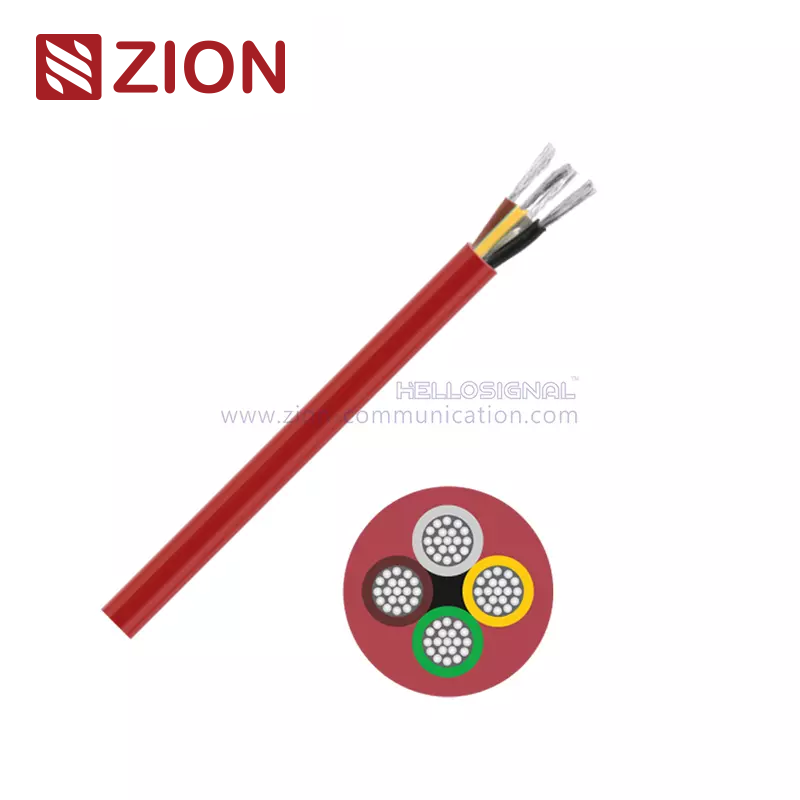
Machinery Wiring
SIHF-J Cable
Multi-core silicone cable family for machinery, control equipment and high-temperature installation routes requiring flexibility and stable insulation.
Multi-core Silicone Machinery
View Product → 03
UL Style
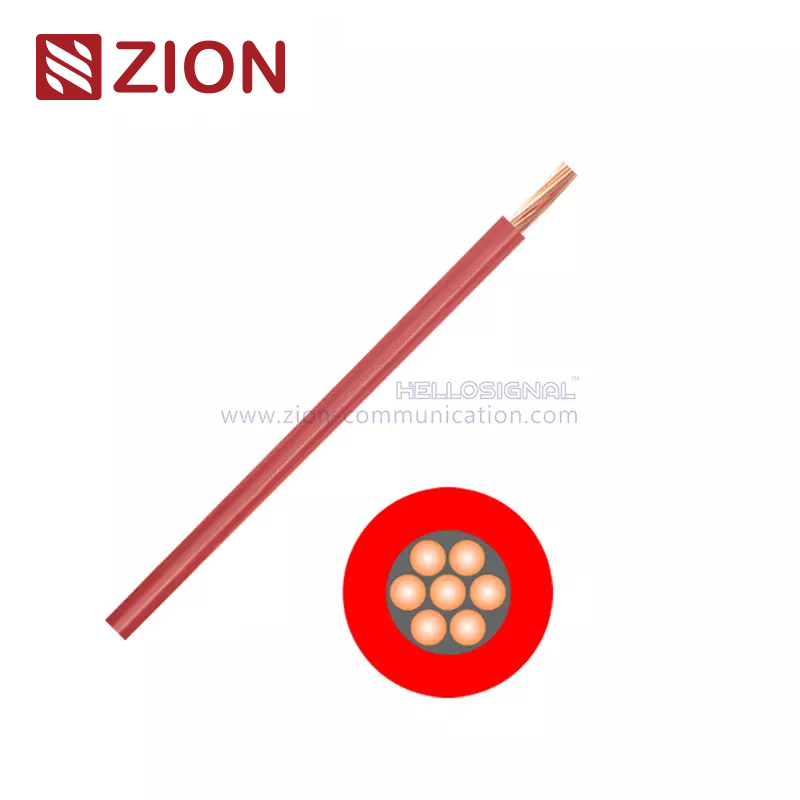
200°C Direction
UL 3135 Silicone Rubber Cable
UL-style silicone rubber cable option for projects that require higher temperature margin, model documentation and appliance or equipment lead wire use.
UL 3135 Silicone rubber 200°C
View Product → 04
Ultra High Temp
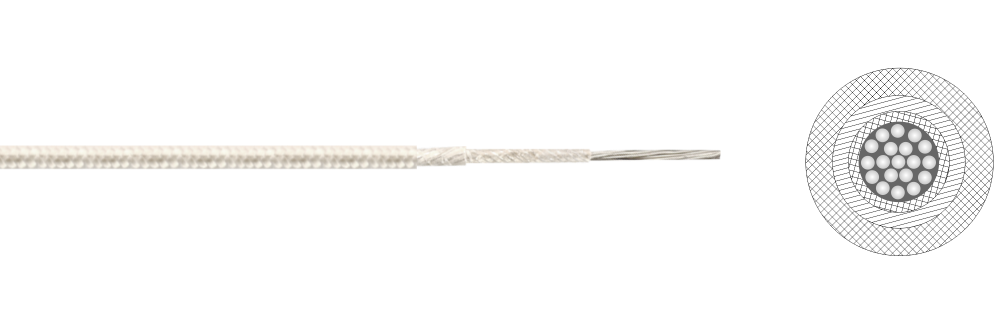
Up to 450°C Class
UL 5107 Ultra High Temperature Cable
Ultra-high-temperature wiring option for severe hot-zone routes such as heaters, ovens and thermal equipment where insulation material must be confirmed carefully.
UL 5107 450°C class Hot zone
View Product → RFQ Preparation
What information should be prepared before inquiry?
Clear project parameters help ZION recommend a practical cable direction faster and reduce repeated communication during sampling, quotation and production confirmation.
Continuous temperature, peak temperature, heat source, distance from the hot area and whether direct heat exposure exists.
Voltage, conductor size, current requirement, core count, insulation thickness and grounding or shielding needs.
Fixed or moving installation, bend radius, abrasion surface, vibration, metal edge contact and protective sleeve requirement.
Standard, certificate request, color, printing, packing method, sample requirement, quantity and delivery schedule.
Risk Control
What risks should be controlled in hot zones?
High temperature cable selection should consider the whole connection system, not only the cable temperature rating.
Keep a temperature margin instead of selecting cable at the exact measured hot-zone value.
Check whether the cable contacts metal edges, heater parts or moving equipment during service.
Terminals and connectors may have lower heat tolerance than the cable, so confirm the whole connection.
Do not replace silicone, mica or fiberglass constructions with general PVC wiring in high-heat routes.
Buyer FAQ
Common procurement questions
These answers are written for engineers, contractors, distributors and procurement teams preparing a ZION high temperature cable inquiry.
How do I choose between 180°C, 200°C and 450°C cable?
Start with continuous operating temperature, peak heat, cable movement and abrasion exposure. Then choose the insulation material and product model that gives suitable safety margin for the actual route.
Is silicone cable enough for ovens and heaters?
It depends on the exact temperature zone. Some oven or heater routes can use silicone cable, while severe hot areas may require fiberglass, mica tape or other ultra-high-temperature constructions.
What information helps ZION recommend a high temperature cable?
Send operating temperature, peak temperature, voltage, conductor size, core count, flexibility, abrasion condition, certification requirement, color and packing needs.
Can high temperature cable also be abrasion resistant?
Yes. Some constructions are better for heat plus surface wear. Please describe the contact surface, movement condition, vibration and installation route when requesting a recommendation.
Send your project parameters for cable recommendation.
Share application, voltage, current, conductor size, core count, route length, temperature condition, installation environment, standard, color, marking and packaging requirements. ZION can help organize a practical cable direction for sampling and RFQ.