ISP
FTTH access networks
For residential broadband routes using PON splitters, terminal boxes and subscriber drop cables.

ZION helps telecom operators, ISPs, distributors and system integrators organize passive ODN products from feeder distribution to subscriber access. The goal is simple: match splitter ratio, enclosure capacity, connector interface, drop cable type and optical loss control before the project becomes a purchase order.
ODN is not only a list of passive optical products. In real FTTH and PON projects, each component must match its position in the network. ZION’s role is to help customers turn route drawings, split architecture and installation conditions into a practical product combination.
For residential broadband routes using PON splitters, terminal boxes and subscriber drop cables.
For feeder, distribution and access points that require controlled capacity and loss budget.
For building groups, industrial parks, schools, hotels and mixed indoor / outdoor access networks.
For distributors who need clear product families, specifications and packing information for customer RFQs.

PLC or FBT splitter options for PON distribution, split ratio planning, enclosure integration and optical budget control.

Compact splitter package for cabinets, terminal boxes and indoor distribution points where space and routing are limited.

Wall or pole terminal box for fiber access, splice management, adapter loading and subscriber branch distribution.

Connectorized fiber patch cord for ODF, cabinet, splitter, terminal box and equipment-side optical connection.

Factory-terminated drop patch cord for faster subscriber connection, reduced field termination work and consistent connector quality.
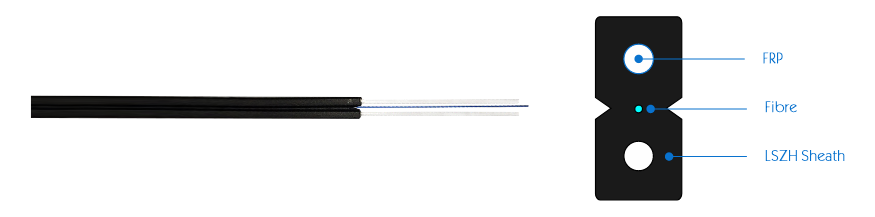
Compact flat drop cable for last-mile FTTH routing, indoor / outdoor access segments and tight building entry paths.
| Project condition | Product direction | Information to confirm |
|---|---|---|
| Centralized splitting | Splitter cabinet, splitter box or closure-based splitter arrangement | Split ratio, feeder fiber count, output ports, connector type and installation space. |
| Distributed splitting | FAT box or terminal box with splitter option | Access point quantity, subscriber density, box capacity and future maintenance access. |
| Outdoor wall or pole installation | Outdoor terminal box, sealed FAT box and suitable drop cable | Mounting method, IP protection need, UV exposure, cable entry direction and adapter loading. |
| Indoor corridor or building entry | Compact terminal box, patch cord, pigtail and indoor drop cable | Flame-retardant requirement, bend radius, routing space and connector protection. |
| Pre-terminated subscriber connection | FTTH drop patch cord or customized pre-terminated drop cable | Length, connector polish, fiber type, jacket material, pulling protection and packing method. |
Splitter loss, connector loss and splice loss should be checked before finalizing the product combination.
SC/APC is common in many FTTH PON networks, but the final interface should follow project equipment and standards.
Terminal box capacity should reserve space for adapters, splice trays, branch cables and future maintenance.
Indoor, outdoor, wall, pole, duct and building entry conditions can change the cable structure and packing method.
The split ratio should be checked together with the PON system, optical budget, route distance, connector quantity and service plan. Common options include 1:2, 1:4, 1:8, 1:16, 1:32 and 1:64, but the correct choice depends on the project design.
Centralized splitting is easier to manage at fewer points, while distributed splitting can be more flexible for access networks with scattered users. The selection should consider maintenance access, subscriber density, cable route and expansion plan.
SC/APC connectors are widely used in many FTTH PON environments because angled polishing helps reduce back reflection. However, the final connector interface should match the project equipment and network standard.
Depending on the model and project requirement, terminal boxes can be discussed with adapter loading, pigtails, splice tray arrangement or splitter integration. Final configuration should be confirmed by capacity and routing layout.
Yes. Drop patch cords and pre-terminated drop cable assemblies can be reviewed according to connector type, cable structure, length, fiber type, jacket material and packing requirements.
ZION can support datasheets, product drawings, packing information and available compliance documents based on selected models and project requirements.
Send your topology, splitter plan, terminal box capacity, connector interface, drop cable requirement and target delivery schedule. ZION can help review the product direction before sample or quotation discussion.