Protocol and interface first
Separate KNX TP1, DALI, BACnet MS/TP, BACnet/IP and proprietary HVAC interfaces before selecting cable. The protocol name alone does not define every construction requirement.

ZION helps contractors, distributors and system integrators select a KNX TP1 bus cable and build a practical smart-building BOM. Compare model-level KNX cable certification, conductor and pair construction, shielding, PVC or LSZH jacket, CPR class and indoor or outdoor route requirements—then coordinate BACnet, DALI, HVAC control and IP gateway cabling without treating different protocols as interchangeable.
Start with the physical interface, not the broad label “smart building control cable.” Use a verified KNX TP1 cable for the KNX bus; a device-approved two-wire cable for DALI; 120-ohm RS-485 cable for BACnet MS/TP or compatible HVAC networks; and category cabling for BACnet/IP, KNXnet/IP gateways and Ethernet controllers. Then match conductor construction, route, shielding, jacket, fire performance and evidence to the project specification.
Separate KNX TP1, DALI, BACnet MS/TP, BACnet/IP and proprietary HVAC interfaces before selecting cable. The protocol name alone does not define every construction requirement.
Record indoor, outdoor, conduit, riser, plenum or escape-route conditions. Choose PVC, LSZH and the CPR class from the applicable building rules and project fire strategy.
Do not accept a generic “KNX compatible” claim as certification evidence. Match the manufacturer, cable model or order number, certificate and current official KNX listing.
| Application / Area | Recommended Product Direction | What to Confirm Before RFQ |
|---|---|---|
| KNX room bus line | KNX 1 Pair 0.8mm or KNX 2 Pair 0.8mm cable | Pair requirement, LSZH jacket, cable color, printing, route length and project specification. |
| Hotel guest room control | KNX cable plus control cable for room automation devices | Room count, panel location, thermostat, curtain, lighting actuator and maintenance access. |
| Office smart lighting | KNX bus cable plus Cat6A LSZH for IP gateway or controller connection | Gateway location, cabinet patching, port count, cable route and labeling plan. |
| Building automation integration | RS485 cable and shielded control cable where the device interface requires it | Protocol, impedance, shielding, conductor count, route separation and device terminal type. |
| Weak-current cabinet termination | Patch panel, keystone jack, faceplate, cable manager and tools | Rack space, port density, labeling, spare capacity and future maintenance workflow. |
A dependable KNX cable specification is model-specific. Standardized KNX TP cable is commonly built with two twisted pairs, solid copper conductors of 0.8–1.0 mm diameter, red/black and white/yellow core identification, an outer sheath and the electrical and EMC performance defined in KNX Volume 9/1. Registered non-standardized constructions can also exist, so pair count or jacket color alone cannot prove compliance.
| Decision | Practical selection rule | Evidence to request |
|---|---|---|
| KNX cable certification | Use the exact registered or certified cable model when the tender requires a KNX certified cable. “KNX compatible” is not the same claim. | Manufacturer name, model/order number, KNX certificate or registration status, current official listing and matching data sheet. |
| Pair and conductor construction | Confirm whether the design calls for a 1-pair or 2-pair KNX TP1 bus cable. Do not infer certification from 0.8 mm conductor size alone. | Construction drawing, copper conductor diameter, pair colors, loop resistance, rated bus length and product declaration. |
| PVC or LSZH KNX cable | The choice normally concerns the jacket/sheath, not the conductor insulation. LSZH limits corrosive smoke and halogen emission; PVC may be acceptable where the project and local code permit it. | Jacket compound, flame and smoke test reports, tender specification and installation-area classification. |
| KNX cable CPR class | There is no universal CPR class for every building. Select Euroclass and smoke, droplet and acidity subclasses from national rules, the authority having jurisdiction and the project fire strategy. | Declaration of Performance, CE/CPR label, notified-body data where applicable and the exact supplied model. |
| Outdoor KNX cable | Do not expose an indoor LSZH cable outdoors merely because it is low smoke. Use a construction rated for UV, temperature, moisture and the chosen duct, tray or direct-burial condition. | Outdoor/UV statement, temperature range, water test, sheath material and installation method. |
| KNX cable shielding | Use the shielded construction named by the approved cable data sheet and follow KNX and equipment instructions for shield treatment. A screen does not replace route separation or correct termination. | Foil/braid construction, drain wire, EMC evidence and installation instructions. |
| Routing beside power cable | Do not assume side-by-side installation is automatically acceptable. Apply local electrical rules, insulation ratings, containment segregation, separation distances and equipment-maker instructions. | Coordinated route drawing, local code review, cable voltage rating and consultant approval. |
KNX and BACnet are protocols, but their physical media differ. KNX TP1 uses its dedicated bus medium. BACnet MS/TP normally runs on a specified RS-485 trunk, while BACnet/IP runs over an Ethernet network. Select by physical layer, device manual, topology and termination—not by the word “BMS.”
DALI uses a two-wire control bus, but conductor size, insulation voltage, mains-cable grouping and fire performance depend on the installation and local rules. Use a DALI-compatible cable and follow the control-gear manufacturer’s voltage-drop and maximum-length guidance.
HVAC controllers may use KNX TP1, BACnet MS/TP, Modbus RTU, Ethernet, analog I/O or proprietary links. Identify the port and electrical interface first, then specify impedance, pair count, shielding, capacitance, conductor size and jacket for that route.
Official verification: Review the KNX certified product database and the KNX cable resource list. Match evidence to the exact model offered; a company-level claim is not enough.
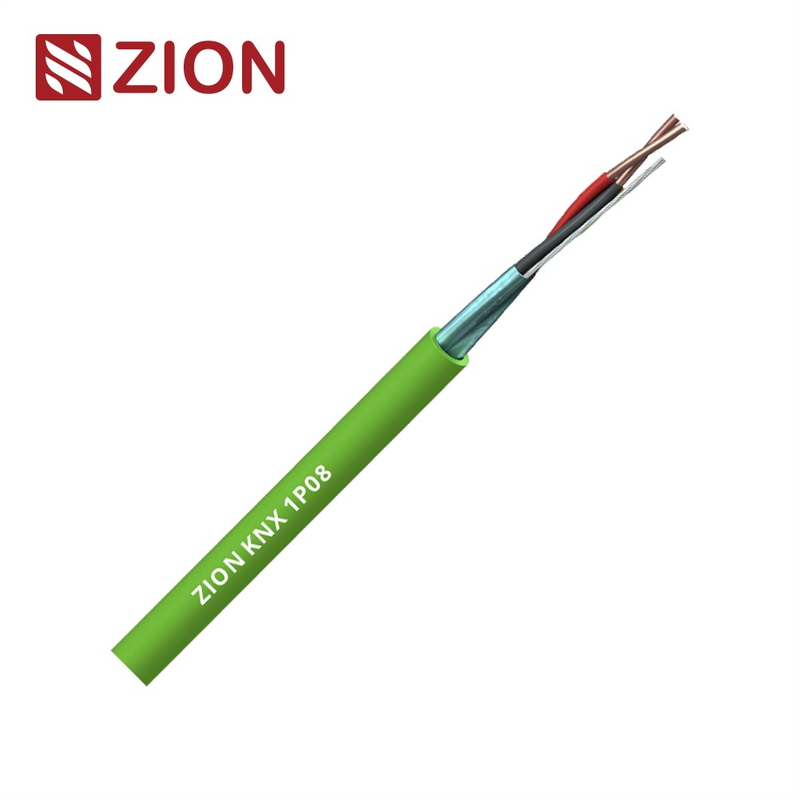
For standard KNX TP bus lines in smart lighting, room control and building automation routes.
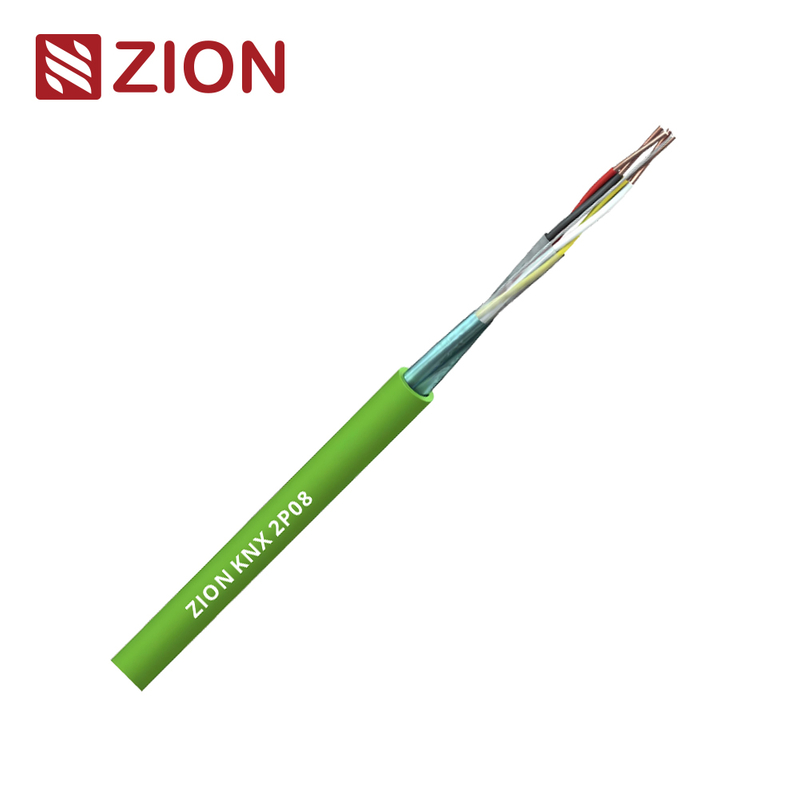
For projects requiring a second pair, spare-pair planning or tender-specified 2-pair KNX cable.
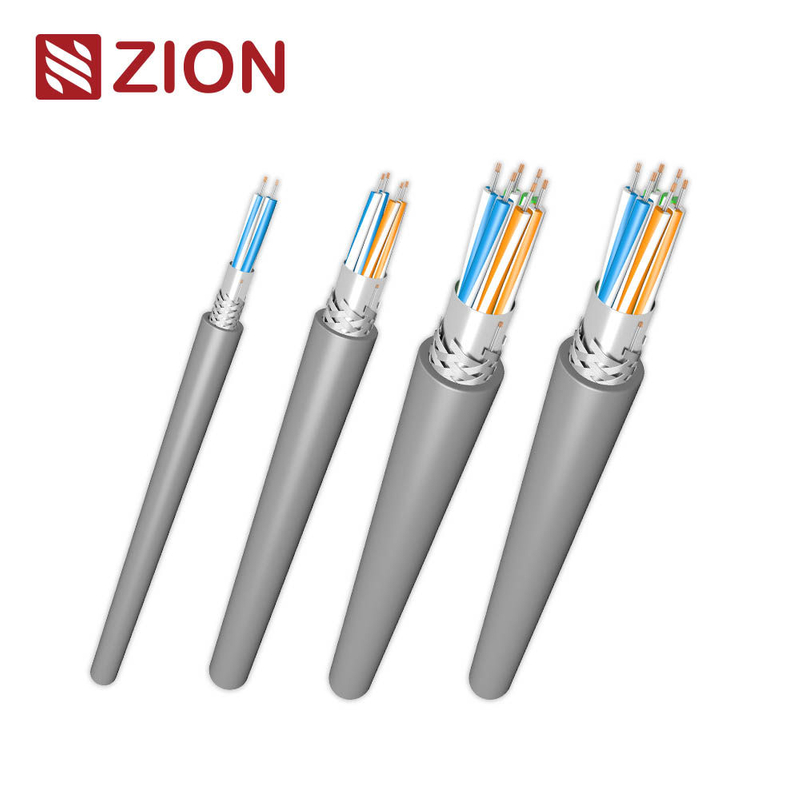
For building automation interfaces, controllers, meters and control bus routes outside the KNX bus line.
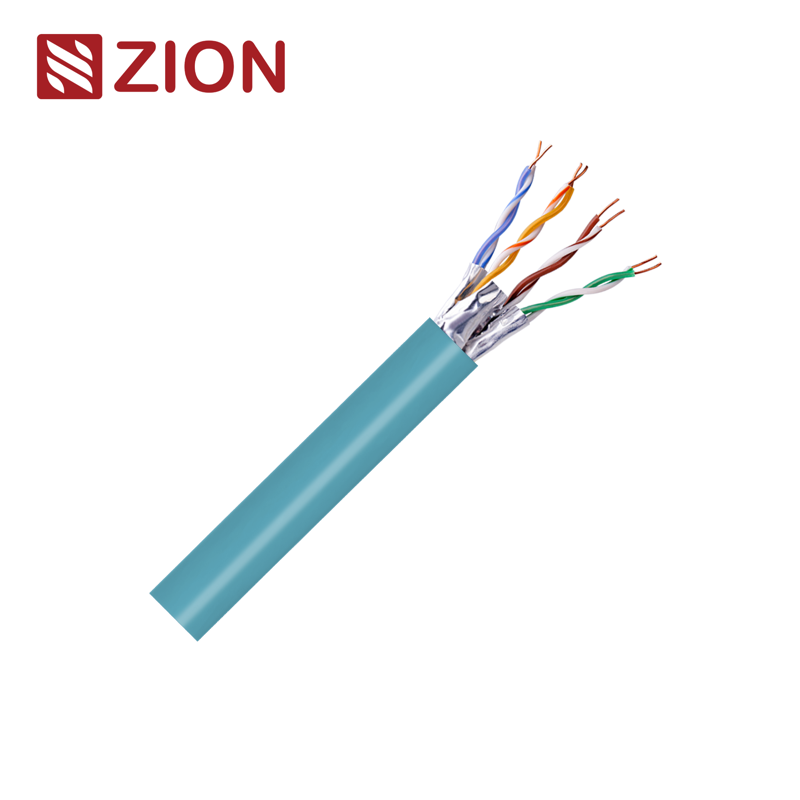
For IP gateway, controller, switch and cabinet-side network connection in smart building systems.
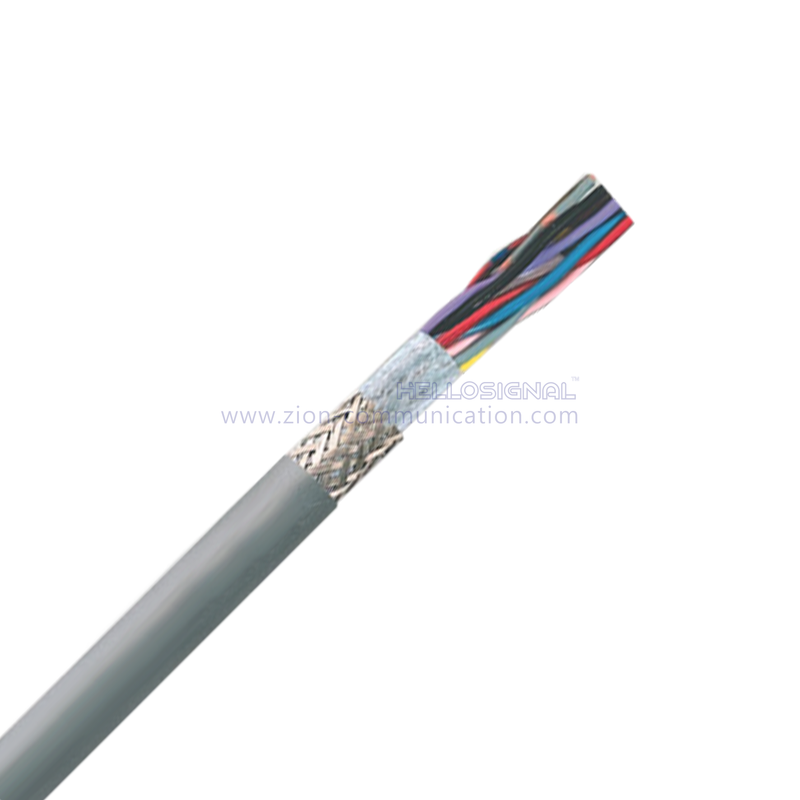
For selected actuator, sensor and device-side routes where flexibility, shielding or oil resistance is needed.

For cabinet-side organization when IP gateways, switches and controllers connect to structured cabling.

For room-side network outlets, controller connection points and serviceable low-voltage terminals.

For termination, testing, labeling, routing and maintenance support during project installation.
| Project Condition | Recommended Direction | Risk Focus |
|---|---|---|
| Standard KNX room bus | Use KNX 1 Pair 0.8mm where the project specification matches. | Risk focus Avoid replacing KNX bus cable with generic control cable without engineer approval. |
| Need spare pair or tender asks for 2-pair cable | Use KNX 2 Pair 0.8mm and define how the spare pair should be labeled. | Risk focus Unlabeled spare conductors can create maintenance confusion after handover. |
| IP gateway, switch or controller connection | Add Cat6A LSZH cable, patch panel, keystone jack and cabinet accessories. | Risk focus KNX cable alone cannot complete network-side gateway connection or rack organization. |
| Mixed automation devices | Use RS485 cable, shielded control cable or sensor actuator cable according to device interface. | Risk focus Wrong conductor count, shielding or flexibility can cause terminal-side rework. |
| Hotel, office or commercial building tender | Prepare one BOM by subsystem: bus cable, gateway cable, cabinet hardware, outlet hardware and accessories. | Risk focus A cable-only quote may miss patching and installation items needed for project delivery. |
Send the system type, room schedule, device list, panel location, route length and indoor installation environment.
Confirm pair count, conductor size, shielding, jacket material, fire rating, color, marking and packing method.
Prepare datasheet, sample, product image, available compliance document and BOM notes according to the selected product family.
Multiple manufacturers offer registered or certified KNX bus cable. The reliable answer is the current KNX database, filtered to cables, because certification applies to a named model rather than every cable from a company. ZION is a KNX cable manufacturer and project supplier; ask Sales Support to identify the offered model and provide model-level KNX registration or certification evidence when the project requires it.
Specify the exact registered or certified construction required by the project. Standardized KNX TP cable is commonly two twisted pairs with 0.8–1.0 mm solid copper conductors, red/black and white/yellow identification, an outer sheath and KNX Volume 9/1 electrical and EMC performance. A registered non-standardized KNX TP1 bus cable may differ, so verify its declared maximum length and certificate.
The PVC-versus-LSZH decision usually concerns the cable jacket. Choose LSZH where the fire strategy prioritizes lower smoke and halogen emissions, and PVC only where project rules permit it. Neither term establishes a CPR class or KNX certification; check the exact model’s data sheet and compliance documents.
Yes, when the exact outdoor KNX cable is rated for the exposure and installation method. Confirm UV resistance, moisture or water performance, temperature range, sheath material, duct or tray use and any burial requirement. A standard indoor LSZH KNX cable should not be treated as outdoor-rated without written evidence.
Only when the complete installation complies with local electrical rules and the approved design. Check insulation ratings, segregation or barrier requirements, required separation, shared-containment rules, EMC conditions and equipment instructions. Obtain consultant approval instead of relying on a generic spacing rule.
The suitable KNX cable CPR class is set by the country, building type, route and project fire strategy. Specify the required Euroclass plus smoke, flaming-droplet and acidity subclasses where applicable, then verify the Declaration of Performance for the exact supplied model. LSZH and CPR are related fire-safety decisions but are not interchangeable labels.
Use the shielding construction defined for the approved KNX cable model. Many KNX TP cables use an overall foil screen, but selection and screen treatment must follow the cable data sheet and KNX or equipment guidance. Shielding cannot compensate for incorrect routing, topology, separation or termination.
KNX TP1 uses a dedicated twisted-pair bus. BACnet cabling depends on its data link: BACnet MS/TP normally uses an RS-485 trunk with the specified impedance and termination, while BACnet/IP uses Ethernet. A “KNX vs BACnet cable” comparison must therefore identify the physical layer, topology and device ports.
Use a two-conductor DALI lighting cable that meets the control-gear manufacturer’s conductor-size, voltage-drop, maximum-length and insulation requirements. Whether DALI conductors may share a multicore or route with mains wiring depends on insulation ratings and local electrical rules.
Match the HVAC control cable to the controller interface. KNX TP1, BACnet MS/TP, Modbus RTU, Ethernet and analog sensors require different media. Confirm protocol, impedance, pair count, shielding, conductor size, capacitance, topology, termination and environmental rating from the equipment manual.
Create a cable schedule by subsystem and physical layer. Record device port, topology, distance, conductor and pair requirements, shielding, voltage rating, indoor or outdoor route, fire classification, local code and evidence. Then coordinate KNX, DALI, HVAC, RS-485 and Ethernet items into one smart building control cable BOM.
Search the official KNX database or cable resource list and match the manufacturer, product family, exact model or order number and status. Request the certificate or registration record, matching data sheet and product marking. If any identifier differs, ask the supplier and KNX Association to confirm before approval.
Send your device list, room schedule, drawings, route environment, fire rating requirement, quantities and preferred packing details. ZION can help organize a practical cable and accessory combination for quotation, samples, datasheets and project supply discussion.