01
Scattered users
Subscriber locations are often far apart. The product plan should reduce unnecessary drop length and avoid overbuilding the ODN.

Rural broadband is not a single cable purchase. It requires a practical product combination for long feeder routes, scattered subscriber clusters, aerial pole lines, underground crossings, split points and future maintenance. ZION helps contractors, ISPs and distributors match outdoor fiber cables, FTTH drop products and passive ODN components into a quote-ready project BOM.
Subscriber locations are often far apart. The product plan should reduce unnecessary drop length and avoid overbuilding the ODN.
Aerial cable selection should consider span, wind, ice, pole condition, sag control and installation tools.
One project may include aerial distribution, duct sections, road crossings and direct buried routes.
Terminal boxes, closures and splitters should be placed where technicians can access, test and expand the network.
Outdoor backbone from central office, POP or aggregation point to rural distribution area.
ADSS, Figure-8 or duct cable selected according to pole route, conduit and terrain.
PLC splitter, closure or terminal box placed around user density and optical budget.
FTTH drop cable or pre-terminated drop patch cord for subscriber connection.
Testing, labeling, repair access and expansion capacity reserved for later maintenance.
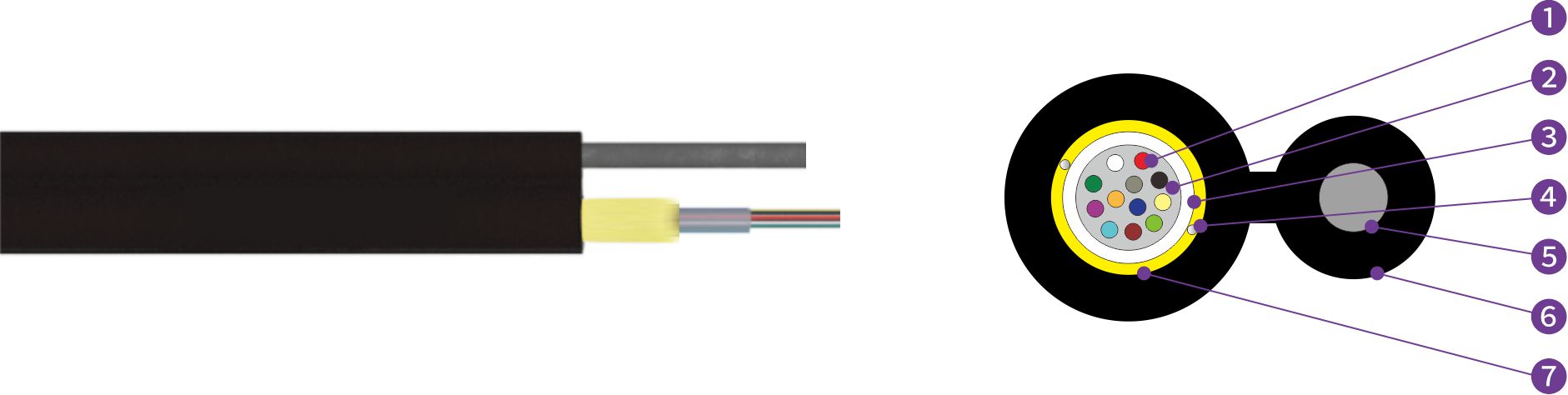
Integrated messenger construction for economical aerial distribution where pole attachment points are available.
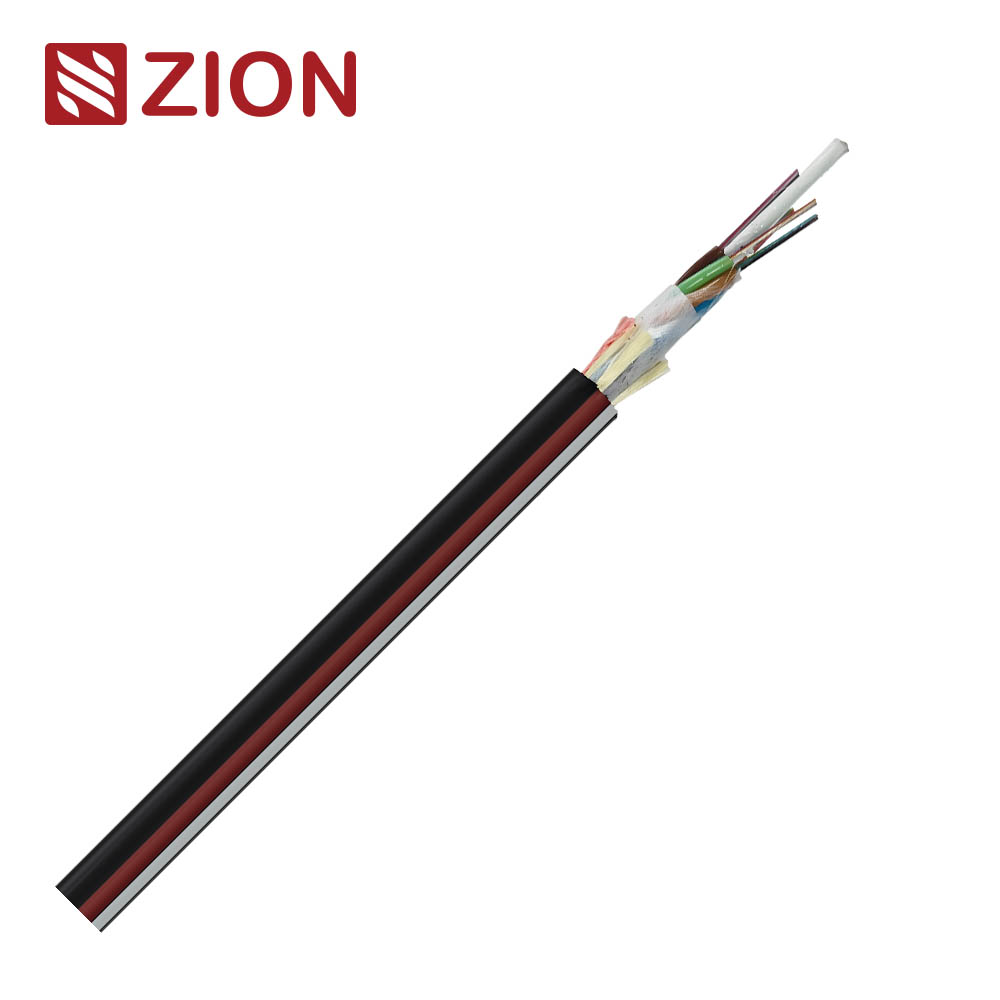
Self-supporting outdoor fiber cable for pole-line routes where separate messenger wire is not preferred.
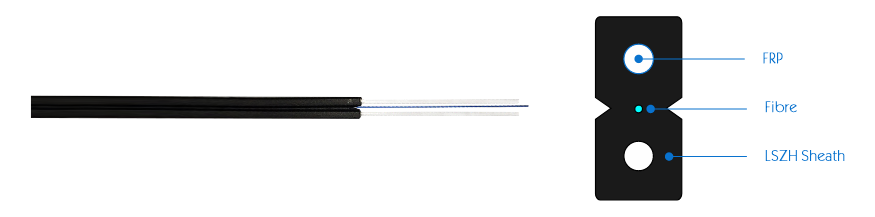
Compact flat drop cable for building entry, last-mile FTTH access and short subscriber connection sections.

Factory-terminated drop cable assembly for faster subscriber connection and more consistent connector quality.

PLC or FBT splitter options for PON distribution, split ratio planning and optical budget control.

Wall or pole terminal box for splicing, adapter loading, subscriber branching and field maintenance access.
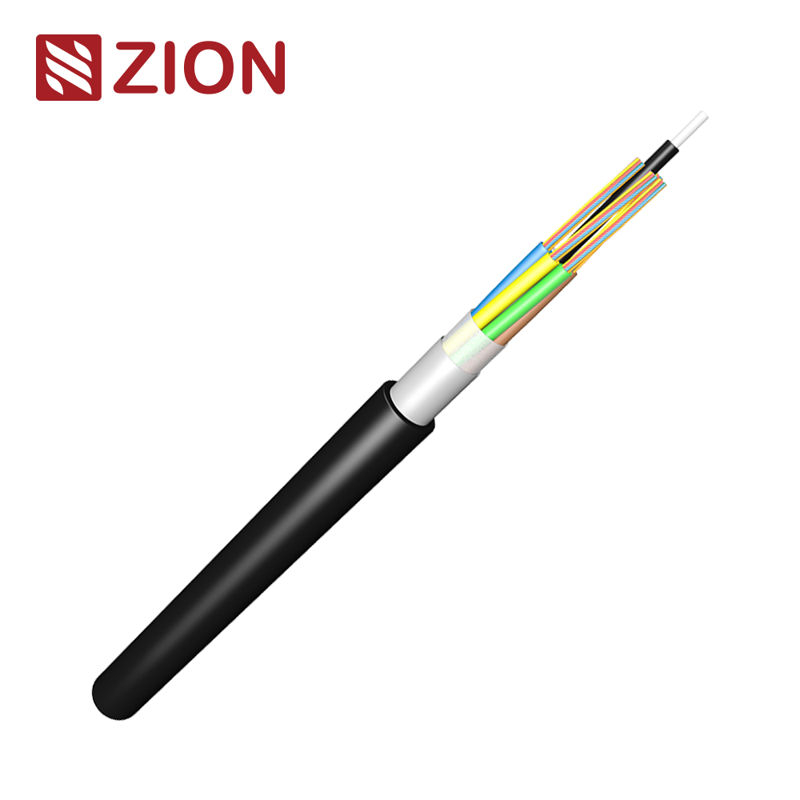
Loose-tube cable family for conduit routes, road crossing sections and protected underground access networks.
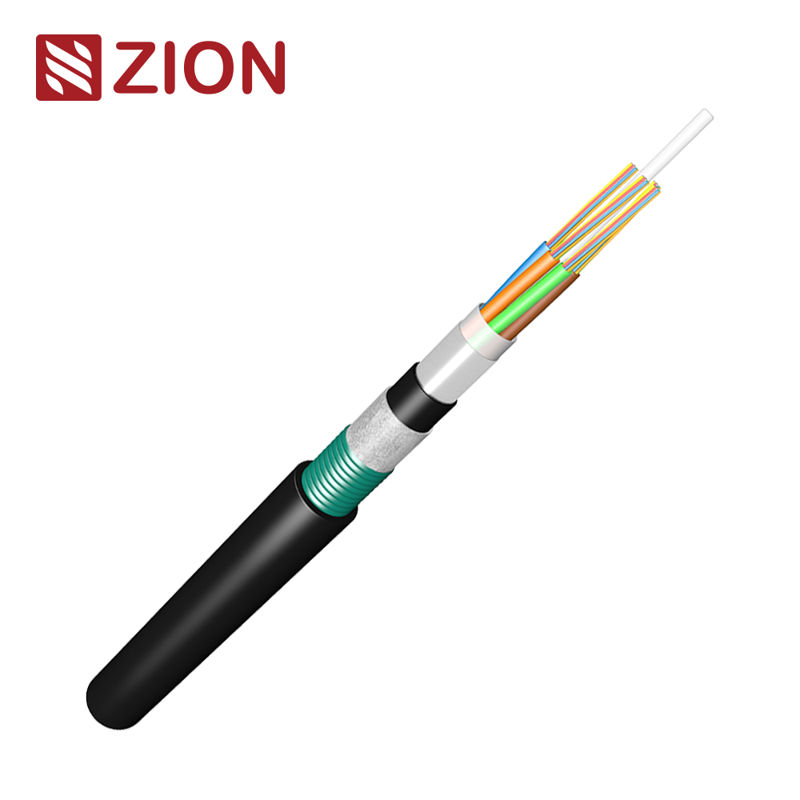
Armored underground cable for routes with soil pressure, moisture exposure, rodent risk or no continuous duct protection.
| Route condition | Recommended product direction | Key confirmation points | Common risk if ignored |
|---|---|---|---|
| Long aerial feeder route | ADSS cable or Figure-8 self-supporting cable | Span length, pole spacing, wind, ice, sag, fiber count and cable drum length. | Wrong mechanical design may increase sag, installation difficulty or pole load risk. |
| Village distribution route | Outdoor fiber cable with terminal box or closure | User cluster density, branch point quantity, spare fiber and future expansion plan. | Poor split point layout increases drop length and repair time. |
| Subscriber drop section | FTTH drop cable or FTTH drop patch cord | Indoor/outdoor path, connector type, cable length, bend radius and installation method. | Unclear drop design can cause field termination delays and inconsistent connection quality. |
| Road crossing or protected underground section | Duct fiber cable or direct buried armored fiber cable | Duct availability, soil condition, crush risk, moisture, rodent exposure and route protection. | Using a light cable in harsh sections may increase failure and replacement cost. |
| PON distribution and split point | PLC splitter, fiber closure and fiber terminal box | Split ratio, adapter type, enclosure capacity, optical budget and maintenance access. | Incorrect split planning can reduce optical margin and complicate troubleshooting. |
Confirm aerial, duct, direct buried or mixed routes, including estimated length for each route section.
Confirm fiber count, fiber type, sheath requirement, armor requirement, span range and drum length preference.
Confirm split ratio, terminal box capacity, adapter type, connector interface and installation position.
Share wind, ice, UV exposure, moisture, rodent risk, soil condition and any local installation requirement.
Confirm cable length per drum, label requirement, carton or pallet packing, destination and target schedule.
Confirm whether datasheets, drawings, packing lists, test reports or compliance documents are required for submission.
Match cable construction, fiber count, span condition, split ratio and terminal capacity before quotation.
Provide product samples, datasheets, cable structure details and available compliance documents according to project needs.
Discuss sheath marking, packaging, label content, cable length per drum and project-based product combinations.
It depends on pole condition, span, installation habit and mechanical requirements. Figure-8 cable is often practical where an integrated messenger is preferred. ADSS is suitable where an all-dielectric self-supporting design is required.
Yes. Many rural projects use mixed routes. The important point is to separate each route section and confirm the correct cable construction for each environment.
Selection should consider split ratio, optical budget, user cluster density, enclosure capacity, adapter type, future expansion and maintenance access.
ZION can help review cable families, FTTH drop products, passive ODN components and accessory requirements based on the route information provided by the customer.
Sample availability depends on cable type, fiber count, connector type, current stock and customization level. Confirm the required model and application before sample request.
For many cable families, sheath color, cable marking, drum length, carton label and OEM packaging can be discussed according to quantity and production feasibility.
A common mistake is treating the project as one generic fiber cable order. Rural projects should be divided by feeder route, distribution section, split point, drop section and maintenance access.
Send installation method, route length, pole spacing or duct condition, fiber count, split ratio, connector type, terminal quantity, packaging preference and target delivery schedule.
Send your route type, fiber count, span condition, split plan, terminal quantity, connector interface, packaging preference and target schedule. ZION can help match the product direction before sample or quotation discussion.