Direct Buried Fiber Optic Cable for Underground Networks | ZION Supplier
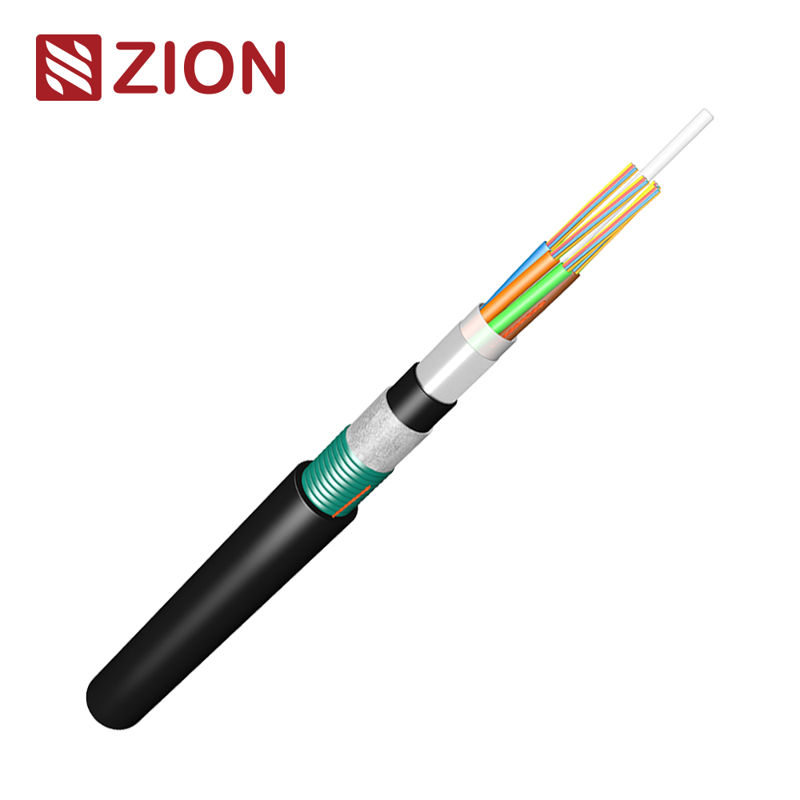
Direct buried fiber optic cable is built for underground installation without a continuous protective duct. ZION supplies loose-tube armored designs for standard soil, moisture exposure, rodent or termite risk, fire-sensitive routes, and different strength-member requirements. Start by matching the cable construction to the trench hazards, then confirm fiber count, fiber type, mechanical loads, sheath material, and required fire or test standards.
Which Direct Buried Fiber Optic Cable Should I Choose?
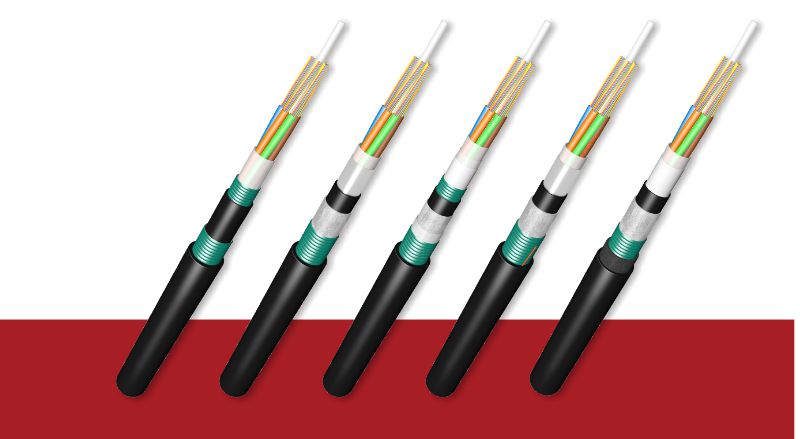
Choose the construction around the main site risk. The GYTY53, GYTA53 and GYFTA53 family covers common underground network requirements; the other models add particular combinations of APL, PSP, glass yarn, nylon, FRP strength members, fire performance or anti-rodent protection. PSP means plastic-coated steel tape armor, so any design that includes PSP contains metal even when its central strength member is FRP.
![GYTY53 GYTA53 and GYFTA53 direct buried optical fiber cable series]()
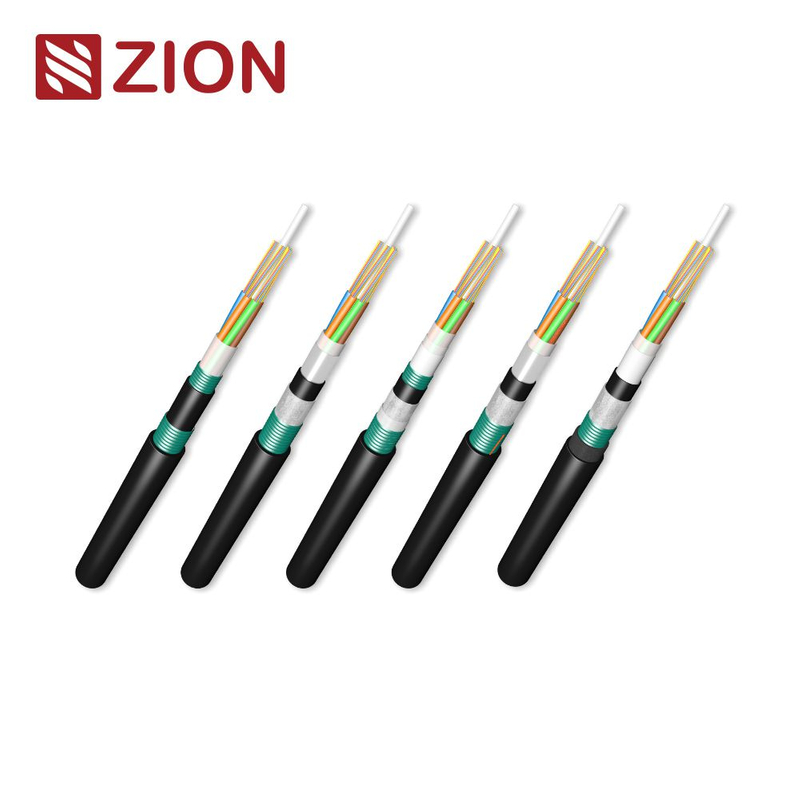
GYTY53 / GYTA53 / GYFTA53
Direct Buried Optical Cable Series
A family for standard direct-burial projects. GYTY53 and GYTA53 are listed for 2–288 fibers, while GYFTA53 is listed for 2–144 fibers with an FRP central strength member. Compare steel-tape armor, aluminum tape and strength-member options, then confirm the complete construction.
View Product Details →![GYFTA53-1 double sheath PSP APL armored direct buried optical cable]()
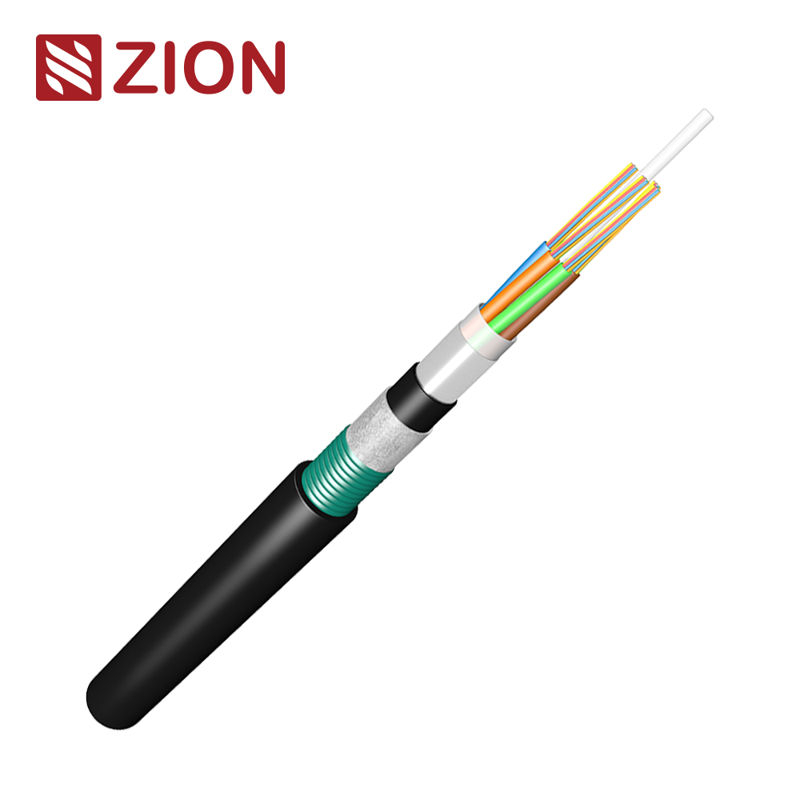
GYFTA53-1
PSP + APL Enhanced Armor Cable
A double-sheath direct-burial cable with PSP and APL protective layers. Consider it when crush resistance and a layered moisture-protection construction are important. Confirm fiber count, fiber type, cable diameter, tensile and crush ratings for the ordered version.
View Product Details →![GYFTA54-1 anti-rodent and anti-termite direct buried optical cable]()
GYFTA54-1
Nylon and Glass-Yarn Anti-Rodent Cable
A direct-burial design combining PSP armor, glass-yarn tape and a nylon outer sheath. Consider it where rodents or termites are identified site risks. Confirm the required biological-protection test method, sheath thickness and local installation conditions in the RFQ.
View Product Details →![GYFY53 FRP central strength member PSP armored direct buried optical cable]()
GYFY53
FRP CSM + PSP Armored Cable
A semi-dry-core direct-burial cable with an FRP central strength member, double sheath and PSP armor. It is designed for crush resistance and easier installation and splicing. The FRP center does not make the complete cable all-dielectric because PSP is steel tape.
View Product Details →![GYFZS53 fire-resistant PSP armored direct buried optical cable]()
GYFZS53
Fire-Resistant Direct Buried Cable
A double-sheath, PSP-armored, semi-dry-core design for underground telecom routes that also require specified flame and fire performance, including subway, tunnel and mine systems. State the exact IEC test clauses and project acceptance criteria when requesting a quote.
View Product Details →![GYTS53 double sheath PSP armored direct buried optical cable]()
GYTS53
Double-Sheath PSP Armored Cable
A general-purpose armored construction for direct-buried installation, with documented crush and anti-rodent performance. The product is also listed for aerial installation. Confirm the installation method, span or trench loads, fiber count and mechanical ratings for the selected build.
View Product Details →How Do I Choose by Site Requirements?
The simplest selection method is to identify the trench hazard that would cause the cable to fail. After that, match the protective layers and verify the detailed mechanical and environmental ratings for the exact construction.
Standard soil?
Start with a double-sheath, steel-tape-armored design such as GYTY53 or GYTS53. Confirm burial depth, backfill, minimum bend radius, allowable tensile load and crush rating rather than selecting by model name alone.
High moisture?
Consider a construction with an aluminum-polyethylene laminate moisture barrier, such as GYTA53 or GYFTA53-1 with APL. Also specify water-blocking method, sheath integrity testing and whether the route has standing water or flooding exposure.
Rodents or termites?
Use a design whose protection matches the biological threat. GYFTA54-1 combines PSP, glass yarn and nylon for rodent and termite resistance; GYTS53 is listed with anti-rodent performance. State the pest type and required test method.
Fire-sensitive route?
Choose GYFZS53 when the underground route also passes through a subway, tunnel, mine or another location with defined flame and fire requirements. Quote the exact IEC clauses, duration, temperature and smoke or halogen requirements.
Need less metal?
An FRP central strength member reduces metal at the cable center, but PSP armor is still metallic. If the project requires a genuinely all-dielectric cable, request a complete layer-by-layer construction and do not accept an FRP strength member alone as proof.
Quick Comparison of Direct Buried Cable Designs
Use this table to narrow the construction, not to finalize the order. Fiber count, optical fiber grade, cable diameter, tensile load, crush rating, bend radius, temperature range and test standards must be confirmed for the selected version.
| Model | Verified Construction | Key Selection Point | Typical Fit |
|---|
| GYTY53 / GYTA53 / GYFTA53 | Loose-tube series with steel-tape armor; aluminum tape or FRP center varies by model | Standard, enhanced moisture barrier, or FRP central strength member | Underground trunk, access and feeder networks |
| GYFTA53-1 | Double sheath, PSP armor and APL layer | Layered crush and moisture protection | Direct-burial routes requiring PSP + APL |
| GYFTA54-1 | PSP, glass-yarn tape, PE and nylon sheath | Rodent and termite resistance | Biologically exposed underground routes |
| GYFY53 | FRP central strength member, PSP armor, double sheath, semi-dry core | FRP center with metallic PSP armor | Crush-resistant direct burial and easier splicing |
| GYFZS53 | Double sheath, PSP armor, semi-dry core, fire-resistant construction | Defined flame, fire, smoke and halogen requirements | Subways, tunnels, mines and safety-critical routes |
| GYTS53 | Double sheath and PSP enhanced armor | Crush and anti-rodent performance | Direct-buried or specified aerial installation |
Where Are Direct Buried Fiber Cables Used?
These cables fit underground telecom routes where a continuous conduit is unavailable or not selected. They still require engineered trench preparation, separation from other utilities, correct pulling tension, bend control, route marking and protection at entries, crossings and exposed transitions.
![Direct buried optical fiber cable installation applications]()
Trunk and backbone
Suitable for rural, suburban and long-distance underground network segments when the selected fiber count, optical grade and mechanical ratings match the route design.
FTTH feeder routes
Useful for greenfield feeder and distribution routes. Confirm splice plan, reserve length, closure locations, branching method and whether tighter bend performance is needed.
Tunnels and mines
Use a fire-performance construction such as GYFZS53 only when its exact test report and construction satisfy the project specification. Direct-burial armor alone does not establish fire compliance.
Not automatically suitable
Do not assume suitability for submarine, continuously submerged, hazardous-area, railway, high-voltage shared-trench or indoor plenum use. Each application needs its own construction, approvals and installation design.
Frequently Asked Questions
What is a direct buried fiber optic cable?
It is an outdoor optical cable designed to be installed directly in the ground without a continuous duct. Its sheath, armor, moisture blocking and strength elements must be selected for soil pressure, water, pests, pulling loads and other site hazards.
What is the difference between GYTY53, GYTA53 and GYFTA53?
The main differences are the protective layers and central strength member. GYTY53 is the standard steel-tape-armored option, GYTA53 adds an aluminum tape layer, and GYFTA53 uses an FRP central strength member while retaining steel-tape armor in the listed construction.
Does an FRP strength member make the cable all-dielectric?
No, not when the cable also contains PSP or another metallic armor layer. FRP only describes the strength member; request the full layer-by-layer construction when grounding, lightning exposure or electrical separation matters.
Which cable should I use where rodents or termites are present?
GYFTA54-1 is the most specialized option in this range because it combines PSP armor, glass yarn and a nylon sheath for rodent and termite resistance. The RFQ should identify the pest type and required test or acceptance method.
Can direct buried fiber cable be installed underwater or indoors?
Not by default. Direct-burial construction does not automatically qualify a cable for continuous submersion, submarine service, indoor flame ratings or plenum spaces; specify those conditions separately and request the matching test evidence.
RFQ Checklist
You do not need to know every model code before asking for a quote. Share the route and performance requirements below so the construction can be checked against the actual installation.
Installation method, route length, burial depth, soil condition and expected water exposure
Rodent, termite, fire, smoke, halogen, lightning, EMI or shared-trench risks
Fiber count and fiber type, such as G.652.D, G.657.A1, G.657.A2 or multimode
Required tensile load, crush rating, bend radius and operating temperature range
Preferred strength member, armor, moisture barrier, sheath material and sheath color
Applicable IEC, ITU-T, local utility or project-specific test standards
Drum length, quantity, cable marking, packaging, labeling and documentation needs
Required datasheet, type-test report, inspection plan and sample approval process








 Fiber Optic Cable
 Fiber Optic Tools
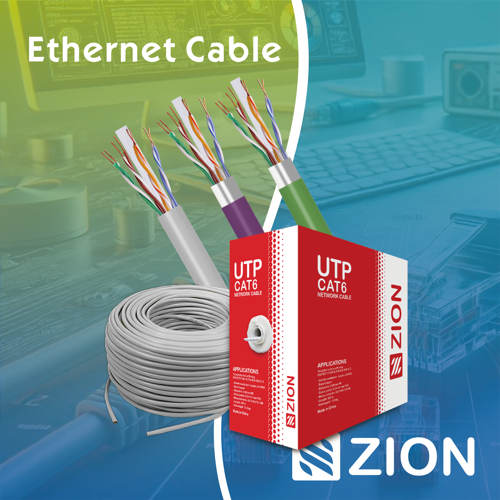 Ethernet Cable
 Coaxial Cable
 Fire & Security Cable
 Voice, Audio & Video
 Power & Control Cable