Tariff changes can quickly affect the real landed cost of fiber optic cables, copper LAN cables, coaxial cables, patch cords, ODFs, splice closures and other communication infrastructure products. For international cable buyers, the quoted product price is only one part of the purchasing decision.
Import duty, customs classification, country of origin, final destination, re-export plans, branding requirements and Incoterms can all change how a quotation should be prepared. When these details are missing from an RFQ, suppliers may still be able to quote the product, but the quotation may not be complete enough for landed-cost planning.
Customer Country and Final Destination Are Not Always the Same
In cable export business, the customer's country is not always the same as the final destination. A distributor in the UAE may buy fiber optic cable for stock, but the goods may later move to Saudi Arabia, Oman, Iraq or Africa. A contractor in Singapore may purchase Cat6A cable for a data center project in Indonesia. A trading company in Hong Kong may place the order while the final installation site is in Europe.

This matters because tariff treatment is usually linked to the import country or customs territory where the goods enter. If the RFQ only mentions the buyer's registered country, the supplier may prepare a quotation that does not reflect the actual import scenario.
The registered country of the purchasing company. It helps with commercial communication, payment planning and contract details.
The actual import country, customs territory, free zone, warehouse or project site where local rules may apply.
Country of Origin: More Than a Label
Country of origin is one of the most important trade data points in a cable RFQ. It may affect import duty, origin marking, trade statistics, government procurement requirements, anti-dumping measures, safeguard measures, tariff quotas and other customs policies.
Origin is not always decided by where the brand owner is located or where the goods are shipped from. It may depend on where the product is manufactured or where the last substantial transformation takes place under the applicable rules in the import market.
For RFQs, buyers should avoid vague wording such as "China brand", "OEM brand" or "ship from China" if they actually need a specific origin declaration. A clearer request should state the required country of origin, certificate of origin requirement, marking requirement on cable jacket, drum, carton or label, and whether any preferential origin documents are expected.
HS Code: One Product Family Does Not Mean One Code
The Harmonized System is used internationally as a basis for customs classification and tariff schedules. However, cable products can vary significantly. Fiber optic cable, copper LAN cable, coaxial cable, patch cords, connectors, ODFs, splice closures and splitters may not share the same HS classification.

Even within one product family, construction, material, application, assembly status and accessories can affect classification. The exporter can suggest a commonly used HS code based on product description, but the final import classification should be confirmed by the importer or customs broker in the destination market.
Local Import Duty Should Not Be Treated as a Fixed Online Number
Import duty depends on the destination country's customs tariff schedule, HS classification, origin, trade agreements and possible additional measures. Some markets may also apply VAT, GST, customs processing fees, anti-dumping duties, safeguard measures or local certification requirements.
Because tariff policies can change, cable quotations should avoid long-term promises such as "zero duty", "fixed import tax" or "guaranteed low tariff". A safer approach is to state clearly whether the quoted product price excludes destination import duty, VAT, GST, customs clearance charges and local taxes.
Re-Export Trade and Free Zone Shipments
Re-export trade is common in the cable industry. A distributor may import stock into a free zone or warehouse, then resell to multiple countries. In this case, the RFQ should clarify whether the goods are for local consumption, free zone storage, bonded warehouse, re-export without local customs clearance, or a specific final destination after re-export.
This distinction helps the quotation team prepare commercial documents, packing references, delivery terms and validity notes more carefully. It also helps the buyer decide which party should confirm the import requirements for each destination.
OEM Branding and Origin Marking
OEM branding does not change the country of origin by itself. A buyer may request private-label cable, neutral carton design or distributor branding, but customs origin rules still depend on manufacturing and transformation, not only brand ownership.
For cable products, branding details may include cable jacket printing, drum label, carton label, packing list product description, certificate of origin description, datasheet brand name and test report reference. These items should be aligned before production so that commercial documents, labels and physical packing do not conflict.
Distributor Inventory and Tariff Timing
Distributor inventory creates another tariff question: when does the tariff risk occur? If a distributor buys stock before a tariff change but imports after the change, the landed cost may be affected by the tariff rules in force at the time of import clearance. If the distributor already has local stock, future tariff changes may affect replacement cost rather than the current stock cost.
For this reason, long-term distributors often separate current stock price, incoming shipment cost, replacement cost and future project quotation assumptions. This separation can make RFQ communication more transparent when copper, aluminum, polymer materials, exchange rates, freight and tariffs are moving at the same time.
Incoterms: Price Term Is Not the Same as Import Responsibility
Incoterms help clarify buyer and seller responsibilities for delivery, risk, transport, insurance, customs and costs. For cable RFQs, price terms should be written clearly, such as EXW factory, FOB Ningbo or Shanghai, CFR destination port, CIF destination port, DAP project site or DDP destination only when legally and operationally confirmed.

Buyers should be careful with DDP requests. DDP may require the seller to handle import clearance, duty and taxes in the buyer's country. Many exporters cannot legally act as importer of record in every destination market. Incoterms do not replace the sales contract, customs law or broker confirmation.
Quotation Validity in a Changing Tariff Environment
Cable quotations usually have a validity period because copper, aluminum, polymer materials, exchange rates, freight rates and tariffs can change. When tariff uncertainty is high, suppliers may need to shorten quotation validity or separate product price from freight validity and duty assumptions.
Reflects the material, labor, production and commercial quotation window for the cable or accessories.
May change faster than product pricing, especially when port congestion, routing or carrier capacity changes.
Should be aligned with manufacturing, labeling, certificate and destination-market requirements.
Should state whether destination import duty, VAT, GST, clearance fees and local taxes are excluded or included.
RFQ Trade Information Checklist
Before requesting a cable quotation, buyers can prepare the following information. The goal is not to make the supplier act as the final customs authority. The goal is to help both sides prepare a quotation that is easier to confirm with the importer, broker and project team.

| RFQ item | What to confirm | Why it matters |
|---|---|---|
| Buyer country | Registered country of the purchasing company | Supports contract, payment and commercial communication. |
| Final destination | Actual import country, customs territory, project site or warehouse | Helps plan landed cost, marking, documents and local requirements. |
| Importer of record | Company responsible for customs clearance | Identifies who should confirm duty, tax and import compliance. |
| Product scope | Cable type, patch cords, ODF, closure, splitter, connector and accessories | Different items may need different HS code review or document details. |
| HS code | Buyer or broker-confirmed import HS code if available | Classification can affect duty, taxes, documentation and controls. |
| Country of origin | Required origin, certificate and marking requirements | Origin treatment may affect tariff measures, marking and procurement rules. |
| Branding and packing | ZION, OEM, neutral label, drum, pallet, carton and marking details | Keeps physical goods, labels and commercial documents aligned. |
| Incoterms | EXW, FOB, CFR, CIF, DAP, DDP or other agreed term | Clarifies delivery point, risk, cost allocation and customs responsibility. |
| Destination port or site | Port, airport, warehouse, free zone or project address | Affects freight quotation, delivery route and local delivery scope. |
| Import duty and local tax | Duty, VAT, GST and other local charges confirmed by broker or importer | Prevents product price from being confused with full landed cost. |
| Re-export status | Local use, free zone, bonded warehouse or re-export plan | Changes which customs territory and documents should be reviewed. |
| Documents | Commercial invoice, packing list, certificate of origin, datasheet, test report or certificates | Allows the quotation and production team to prepare required paperwork early. |
Conclusion
Tariff changes do not only affect customs duty. They can also affect how cable RFQs should be structured, how origin is declared, how HS codes are checked, how Incoterms are selected and how quotation validity is written.
Before confirming any cable order, the importer or customs broker in the destination country should verify the applicable HS code, import duty, origin rule, tax requirement and customs documentation. With those details confirmed, buyers and suppliers can prepare cable quotations that are clearer, more practical and easier to defend internally.
FAQ
Can ZION confirm the final import duty for my cable order?
ZION can provide product information, export documents and commonly used classification references when available, but the importer of record or local customs broker should confirm the final HS code, duty rate, tax and import requirements in the destination market.
Does OEM branding change the country of origin?
OEM branding, private-label packaging or neutral cartons do not change origin by themselves. Origin treatment is linked to manufacturing and applicable origin rules, not only to the brand name printed on the product.
Why should final destination be listed separately in a cable RFQ?
The purchasing company may be registered in one country while the goods are imported or installed in another customs territory. Final destination helps buyers and brokers plan landed cost, documents, marking and import requirements more accurately.
Does DDP always mean the supplier can clear import customs?
No. DDP requests should be checked carefully because the seller may need to manage import clearance, duties and taxes in the buyer's country. Many exporters cannot legally act as importer of record in every market.
Cited Trade References
The following official resources provide general background for HS classification, origin concepts and Incoterms responsibilities. Buyers should still confirm destination-specific details locally.
- World Customs Organization: Nomenclature and Harmonized System overview
- International Trade Administration: Harmonized System (HS) Codes
- World Customs Organization: Non-preferential rules of origin
- International Trade Administration: Rules of Origin and substantial transformation
- International Chamber of Commerce: Incoterms rules
- International Trade Administration: Know Your Incoterms



 Fiber Optic Cable
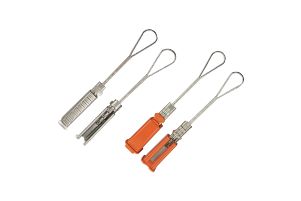 Fiber Optic Tools
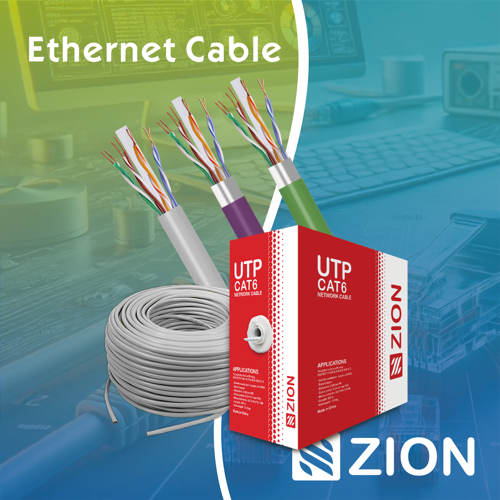 Ethernet Cable
 Coaxial Cable
 Fire & Security Cable
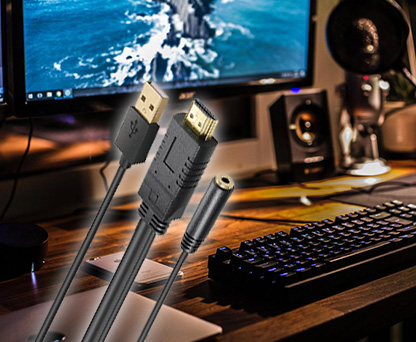 Voice, Audio & Video
 Power & Control Cable