
Commercial Rooftop Solar Cable Solution
For rooftop projects, separate cable routes by exposed roof area, tray, conduit, wall penetration and indoor distribution path. This helps address UV, heat and mechanical protection risks early.
How Cables Route Across Rooftop PV Systems
Use this section as a rooftop route map. It helps buyers describe where cables are exposed, protected or entering the building before choosing cable families.
| Rooftop area | Cable family | Decision focus |
|---|---|---|
| PV module area | Solar PV Cable / MC4 Assembly | UV exposure, polarity, route length and connector compatibility |
| Roof to inverter | Solar PV Cable | Cable tray, conduit, bending and route protection |
| Inverter to AC cabinet | General Power Cable | Voltage, current, route and termination |
| Grounding route | Grounding Cable | Bonding, earthing path and project schedule |
| Monitoring cabinet | RS485 / Cat6A Cable | Protocol, shielding and maintenance access |
Rooftop Buyer Questions About Heat, UV and Tray Routes
- What makes rooftop solar cable selection different?
- Should rooftop PV cable be installed in conduit or tray?
- How should DC, AC and communication cable be separated on a roof?
- What information is useful for a commercial rooftop cable plan?
- What common rooftop cable problems should be avoided?
What makes rooftop solar cable selection different?
Rooftop PV cable is exposed to heat, UV, wind movement, sharp edges, cable trays and building entry points. The cable choice must consider both electrical performance and the practical route, including how the cable will be fixed, protected and inspected over time.
Should rooftop PV cable be installed in conduit or tray?
The choice depends on local code, roof structure, mechanical exposure, maintenance access and fire-safety requirements. Cable tray may help organized routing, while conduit can protect exposed sections. The route should prevent abrasion, water accumulation and uncontrolled movement.
How should DC, AC and communication cable be separated on a roof?
DC string cable, AC output cable and communication cable should be planned as separate routes where possible. Separation reduces confusion during maintenance and helps avoid signal interference, incorrect termination and mixed cable schedules.
What information is useful for a commercial rooftop cable plan?
Useful inputs include roof layout, module rows, inverter location, combiner location, cable tray path, building entry point, route length, grounding plan, monitoring device list and any fire or low-smoke cable requirement from the building owner.
What common rooftop cable problems should be avoided?
Common issues include unsupported cable runs, excessive bending, wrong connector matching, exposed cable edges, poor labeling, mixed AC or DC routes and missing protection at roof penetrations. These are often installation-planning problems rather than only product-selection problems.
Related ZION Rooftop Solar Cable References
The product links below are included as rooftop solar references. Final selection should consider UV exposure, roof temperature, tray support, fire requirements and building electrical design.
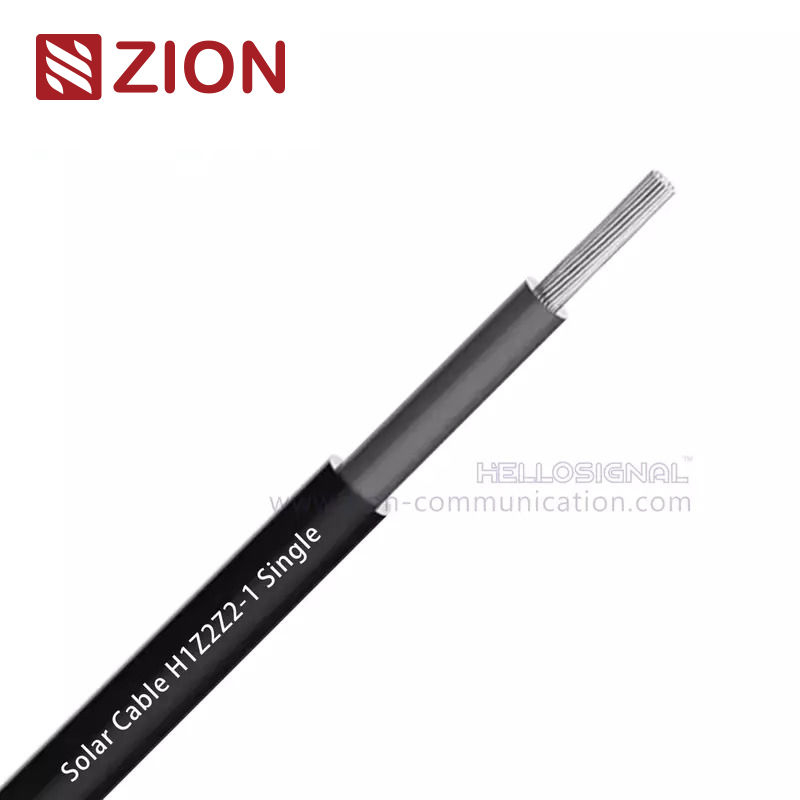
Solar Cable
PV cable family for module strings, combiner boxes and inverter-side DC cable routes.
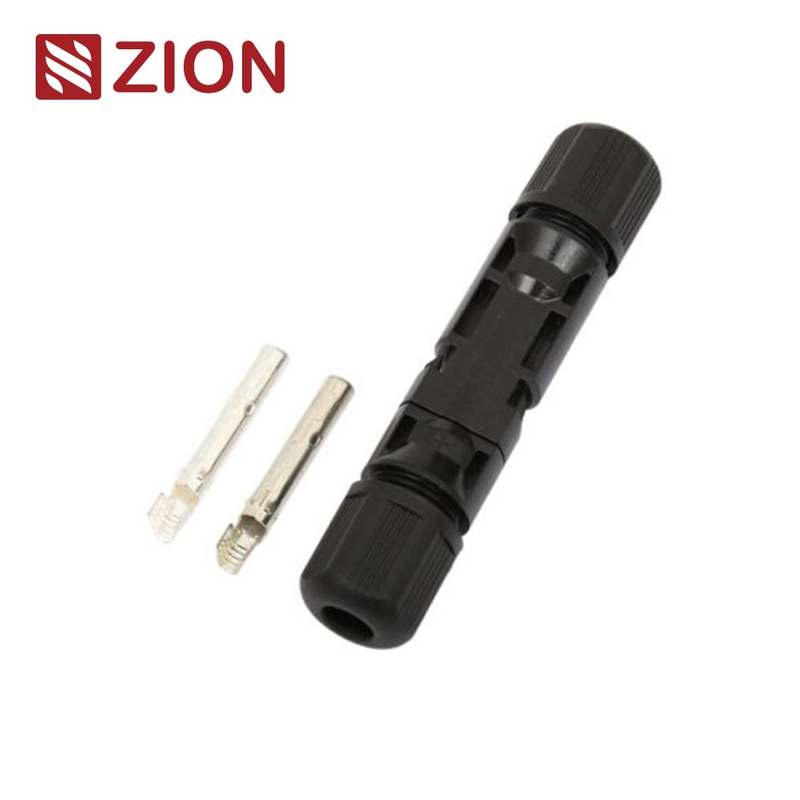
MC4 Solar Connector
Connector family used with solar cable assemblies, extension leads and panel interconnection routes.

General Power Cable
Low-voltage power cable family for protected building, factory and AC distribution routes.
Grounding / Earthing Cable
Grounding cable direction for equipment bonding, frame grounding and project earthing schedules.

RS485 Communication Cable
Shielded serial communication cable direction for inverter, meter, controller and monitoring links.

CAT6A Ethernet Cable
Ethernet cable direction for solar monitoring cabinets, local network ports and IP equipment links.
Rooftop Cable Route Checklist
Commercial rooftop checks
- Confirm roof exposure and cable support method before selecting jacket direction.
- Separate DC cable routes from AC and communication routes in the cable schedule.
- Check whether LSZH or flame-retardant cable is requested for building interior sections.
- Prepare labels and packing by area to reduce installation sorting time.
What to verify before final cable selection
- Project type and installation area
- Cable family, size, color and route length
- Required standard, certificate or datasheet request
- Packing length, label, marking and delivery notes
- Drawings, cable schedule or device list when available
Rooftop Solar Cable FAQs
What cables are used in a commercial rooftop solar system?
A commercial rooftop solar system commonly uses PV cable for DC strings, MC4 extension assemblies for panel connections, AC power cable from inverter to distribution equipment, grounding cable and communication cable for monitoring.
What cable details matter most for rooftop tray or conduit routes?
Important details include UV exposure, rooftop temperature, bend radius, cable grouping, tray or conduit fill, route length, fixing method and whether the cable enters indoor electrical areas.
Should rooftop PV cables be installed in conduit or tray?
The choice depends on local code, roof layout, mechanical protection, heat, water drainage and maintenance access. Some routes use tray, some use conduit, and exposed jumper leads may need UV-rated PV cable and proper support.
What information is useful before planning rooftop solar cables?
Useful information includes roof layout, module string plan, inverter location, tray or conduit route, grounding plan, monitoring device list, building restrictions and required cable standards.