Aerial
Pole-line access and backbone
Use ADSS or Figure-8 cable when deployment depends on poles, span distance, sag control and aerial accessories.

ZION supports outdoor fiber cable selection for telecom, ISP, utility and campus network routes. This solution helps project teams match ADSS, Figure-8, OPGW, duct and direct buried fiber cables with installation method, route risk, accessory requirements and quote-ready project inputs.
Use ADSS or Figure-8 cable when deployment depends on poles, span distance, sag control and aerial accessories.
Use OPGW when the fiber route is integrated with overhead ground wire requirements and utility-line engineering.
Use duct fiber cable when the cable is pulled through ducts, manholes, handholes or protected conduit systems.
Use armored direct buried cable when there is no continuous duct protection and the cable faces soil or crush risk.
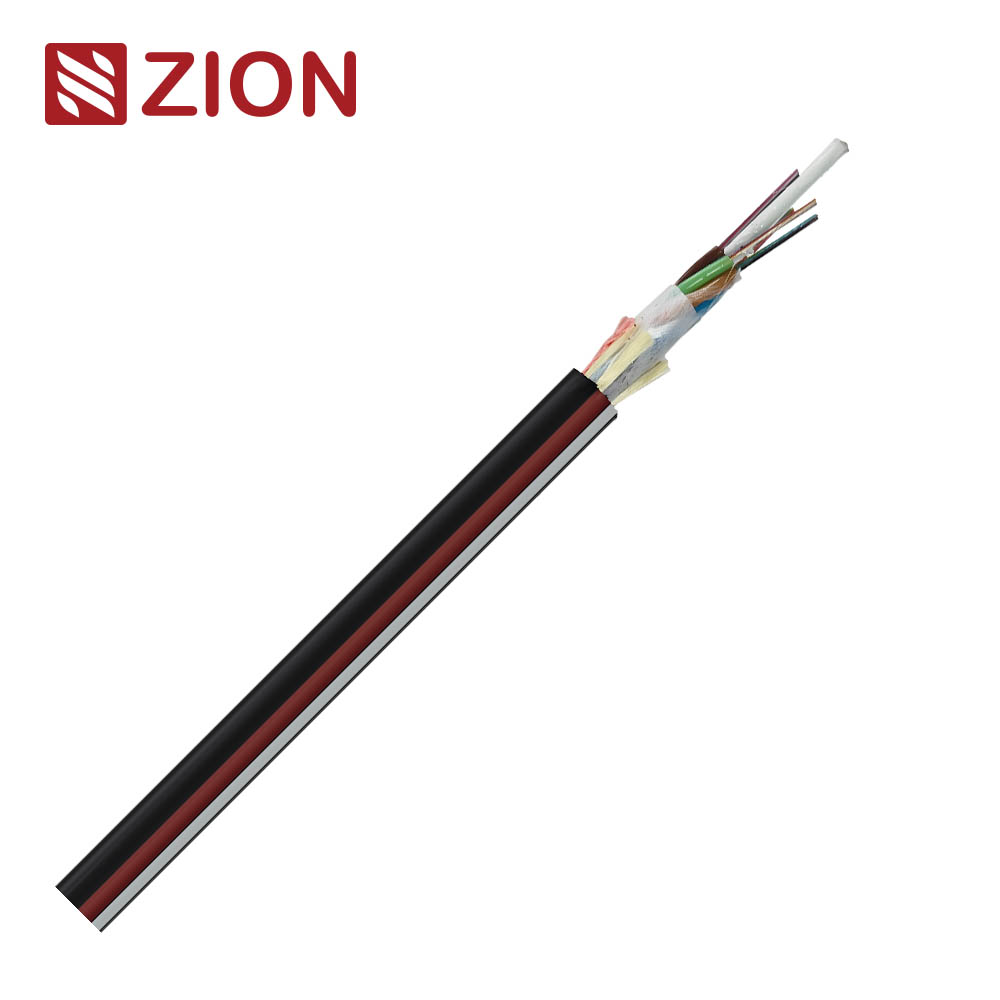
Self-supporting outdoor fiber cable for pole-line routes where metallic messenger wire is not preferred.
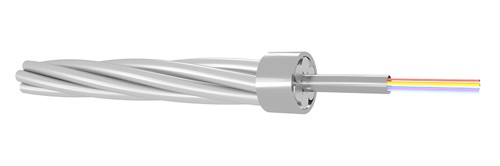
Optical ground wire for power-line communication routes where optical, mechanical and electrical requirements must be reviewed together.
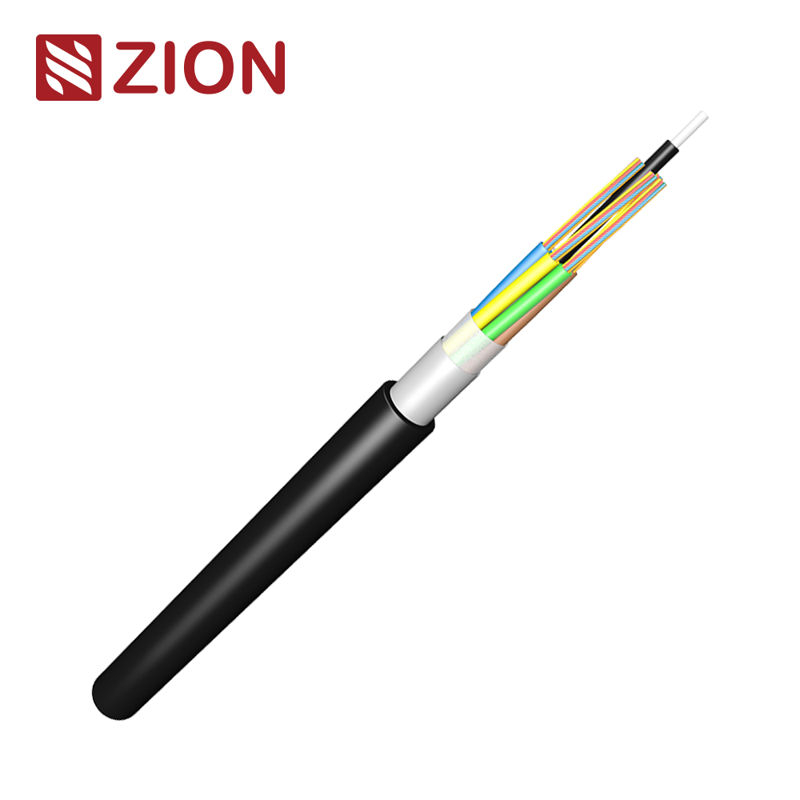
Loose-tube outdoor fiber cable for conduit, metro backbone, access network and protected underground routes.
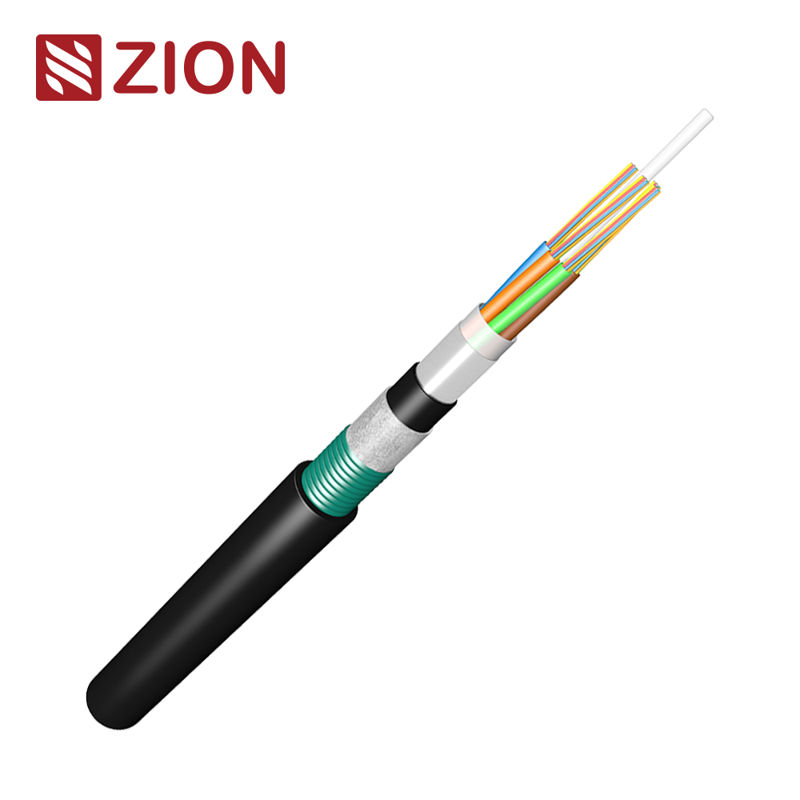
Armored underground fiber cable for soil pressure, moisture exposure, rodent risk and routes without full duct protection.
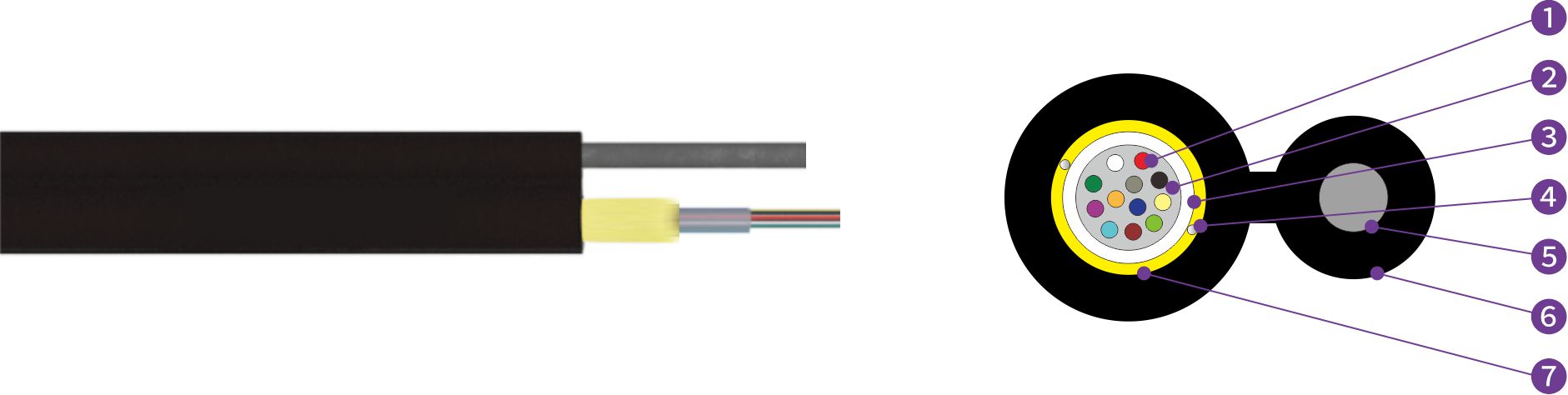
Integrated messenger cable for economical aerial distribution, rural access and pole-to-pole deployment.

Wall or pole terminal box for fiber access, splice management, adapter loading and subscriber branch distribution.
| Route condition | Recommended product direction | Selection focus | Typical accessories or documents |
|---|---|---|---|
| Pole-line telecom or ISP access route | ADSS cable or Figure-8 aerial cable | Span, sag, wind load, pole condition and installation hardware. | Suspension clamp, tension clamp, cable drum list, sheath marking. |
| Power utility overhead line | OPGW optical ground wire | Fiber count, short-circuit current, mechanical load and line design. | Technical datasheet, structure drawing, project-specific parameter review. |
| Existing duct or conduit network | Duct loose-tube fiber optic cable | Duct size, pulling distance, bend route, water blocking and cable diameter. | Drum length plan, pulling direction, cable marking and test document. |
| Underground route without full duct protection | Direct buried armored fiber cable | Crush resistance, moisture, rodent risk, soil condition and route marking. | Armor structure, sheath material, packing method and acceptance checklist. |
| Outdoor route entering distribution points | Terminal box, closure, splitter and patch cord | Splicing, adapter type, connector interface, branch count and maintenance access. | Box configuration, splice tray, adapter panel, splitter and label plan. |
| Input | What to provide | Why it matters |
|---|---|---|
| Route type | Aerial, duct, direct buried, OPGW, mixed route or building entry. | Determines cable construction and accessory direction. |
| Fiber count and fiber type | Example: 12F, 24F, 48F, 96F, G.652D, G.657A1, G.657A2. | Defines cable design, link capacity and splice planning. |
| Route length and drum plan | Total route length, section length, preferred drum length and packing requirement. | Supports cable production, logistics and site handling. |
| Installation condition | Span, duct size, pulling distance, soil condition, power-line data or route drawing. | Reduces mismatch between product selection and field installation. |
| Accessories | Closure, terminal box, splitter, patch cord, clamp, hook, adapter or pigtail requirement. | Turns product selection into a more complete BOM. |
| Document requirement | Datasheet, cable marking, test report, packing list, certificate or submission document. | Helps procurement, distributor review and project approval. |
Real networks may include aerial, duct, buried and building-entry sections. Each section should be checked separately before finalizing the BOM.
ADSS, Figure-8 and access boxes need matching clamps, closures, mounting methods and installation spacing. Cable and accessories should be reviewed together.
Datasheets, packing information, cable marking, test reports and project labels often affect distributor review, customs clearance and site acceptance.
ADSS is normally selected when an all-dielectric self-supporting cable is required. Figure-8 cable uses an integrated messenger and is often used for economical aerial distribution routes. Span, pole condition, hardware and installation method should be checked before selection.
Direct buried armored cable is suitable when the route does not have continuous duct protection and the cable may face soil pressure, moisture, crush risk or rodent exposure.
OPGW inquiries should include fiber count, line voltage environment, short-circuit current requirement, mechanical load, span information and any project drawings or technical specifications.
Yes. Many real projects use mixed routes. The important point is to divide the project by route section and match cable construction, accessories and documents to each section.
Yes. Sample support depends on the cable type, construction, fiber count, customization requirement and current production plan. Project information helps confirm the correct sample direction.
For many outdoor cable families, jacket color, sheath printing, drum length, carton label and OEM or ODM packing can be discussed based on project quantity and manufacturing feasibility.
Yes. Datasheets, structure information, packing details and available compliance documents can be matched to the selected product model and target market requirement.
Lead time and MOQ vary by cable family, fiber count, material, certification requirement, customization level and order schedule. Confirm them with the project BOM rather than using a general estimate.
Send your route type, fiber count, installation environment, section length, accessory requirement, document request and target schedule. ZION can help review the product direction before quotation or sample preparation.