Choose the right cabling level
Decide whether the project needs Cat6, Cat6A or Cat8 by port speed, channel length, rack density, future upgrade plan and budget range.

Copper cabling in a server room is not only a cable purchase. The project normally needs Ethernet cable, RJ45 termination, patch panels, patch cords, labeling, routing space and test requirements to work together as one channel. ZION helps project teams compare Cat6, Cat6A and Cat8 solutions by link speed, route length, shielding, PoE load, jacket rating, cabinet density and maintenance access before preparing a quote-ready BOM.
Decide whether the project needs Cat6, Cat6A or Cat8 by port speed, channel length, rack density, future upgrade plan and budget range.
Connect the cable, patch panel, keystone jack, modular plug, patch cord and cable management products into one clear system scope.
Clarify port count, length plan, shielding, jacket, packing, labeling and document needs so sales and procurement can quote faster.
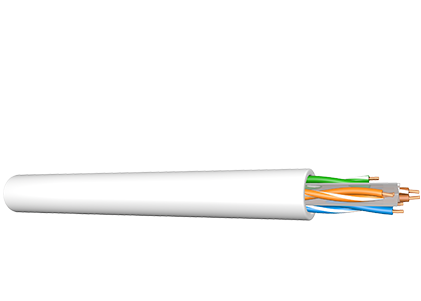
Common copper cable for standard LAN, cabinet connection and building network routes where Cat6 performance is sufficient.
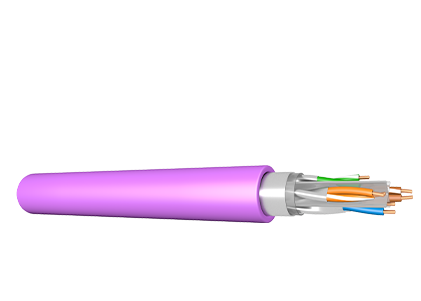
Suitable for 10GBASE-T copper links, dense cabinets and routes where shielding and channel stability need closer review.
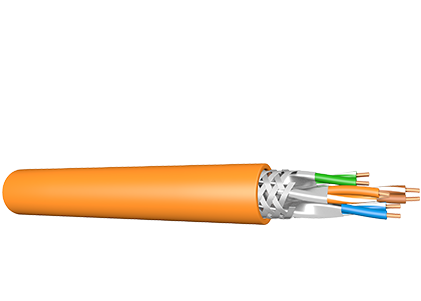
Used for short high-speed copper links when Cat8 specification, shielded construction or LSZH jacket is requested.

Short patch cords help reduce slack, improve airflow and make port tracing easier in high-density rack areas.

19-inch patch panel for copper cable termination, switch-side patching, labeling and maintenance organization.

Used for outlet, unloaded patch panel and field termination planning when category matching is required.
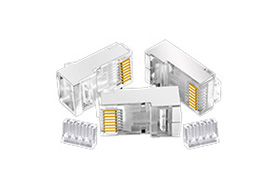
Connector and strain-relief boot options for field termination, patch cord assembly and installer accessory kits.

Horizontal and vertical cable management helps protect bend radius, keep patching clear and reduce rack service time.
| Project Condition | Recommended Direction | Risk Focus |
|---|---|---|
| Standard office, server room or network cabinet LAN | Use Cat6 when the required speed, link distance, budget and device plan fit the project design. | Avoid under-specification for future 10G needs and avoid unnecessary cost for simple access links. |
| 10GBASE-T copper route | Use Cat6A and confirm shield type, channel length, patch cord category and termination consistency. | Alien crosstalk, mixed-category accessories and field test failure after installation. |
| Short high-speed rack or equipment link | Consider Cat8 only when the project specification, short link distance and equipment interface justify it. | Over-specification, bend radius pressure and accessory compatibility in dense cabinets. |
| PoE switch, camera, Wi-Fi AP or access control equipment | Check conductor size, cable bundle density, jacket rating, route environment and temperature rise risk. | Voltage drop, heat accumulation, unstable powered devices and difficult troubleshooting. |
| High-density patching area | Plan patch panel port count, short patch cord length, cable manager position and labeling method together. | Airflow blockage, unmanaged slack, port tracing difficulty and higher maintenance time. |
| Product / Parameter | Why It Matters | What to Confirm |
|---|---|---|
| Cable category | Defines channel performance and upgrade margin. | Cat6, Cat6A or Cat8; permanent link and channel requirement. |
| Shielding structure | Affects EMC performance, grounding practice, cable flexibility and installation cost. | UTP, F/UTP, U/FTP, S/FTP; cabinet grounding and termination accessories. |
| Jacket and fire rating | Must match building, data center or project submission requirements. | PVC, LSZH, CPR class, plenum/riser requirement if applicable. |
| Patch panel and keystone type | Determines termination method, port density and maintenance convenience. | Loaded/unloaded, shielded/unshielded, 24-port/48-port, 1U layout. |
| Patch cord length plan | Controls cabinet neatness, airflow and future port movement. | 1 ft, 2 ft, 3 ft, 5 ft or customized length by rack layout. |
| Testing and labeling | Supports installation acceptance and later troubleshooting. | Port label rule, cable printing, continuity test or certification test requirement. |
Rack quantity, switch position, patch panel position, cable entry direction and reserved routing space.
Total copper ports, spare port ratio, patch cord length plan and cabinet-to-cabinet link requirement.
Category, shielding, conductor, jacket, color, drum/box length, printing and project standard.
Patch panel, keystone jack, modular plug, boot, faceplate, cable manager and labeling accessories.
Cable category, conductor, insulation, shield, jacket, electrical parameters and packing information.
Before quotationAvailable certificates or declarations should be checked against the exact product family and part number.
Before submissionPort count, cable length, patch cord plan, carton label, cable marking and distributor packing notes.
Before orderingContinuity, wire map, channel test or project acceptance requirements can be clarified before production.
Before deliveryCat6 can be suitable for many standard Ethernet links. Cat6A is usually the safer direction when the project requires 10GBASE-T, higher port density, stronger upgrade margin or better control of channel performance.
Cat8 should be considered only when the specification clearly requires it and the link is short, dense and equipment-compatible. For many general server room projects, Cat6A remains the more practical copper cabling choice.
A practical BOM may include Ethernet cable, RJ45 patch panels, keystone jacks, patch cords, modular plugs, boots, cable managers, labels, faceplates and basic termination or testing accessories.
Check conductor size, cable category, bundle density, ambient temperature, cable pathway and device power demand. These details help reduce voltage drop, heat buildup and unstable powered device operation.
Yes. ZION can discuss cable printing, product labels, carton labels, packaging method, datasheet format and project-specific marking requirements according to the confirmed product scope.
Please provide application, cable category, shielding type, quantity, cable length or port count, jacket requirement, patch panel type, patch cord length, destination country and any drawing, BOM or datasheet reference.
Yes. Send the room layout, rack quantity, switch plan, cable route, target speed and preferred product family. ZION can organize options by performance, installation risk, cost and procurement convenience.
Samples and available documents can be discussed according to product type, construction and project requirement. Certificate and compliance claims should be confirmed by exact part number and product configuration.
Send ZION your room layout, rack quantity, port count, link speed, cable category, patching plan and target products. Our team can help organize Cat6, Cat6A, Cat8, RJ45 patch panel, keystone jack, patch cord and cable management products into a clearer quotation package.