Fieldbus Cable
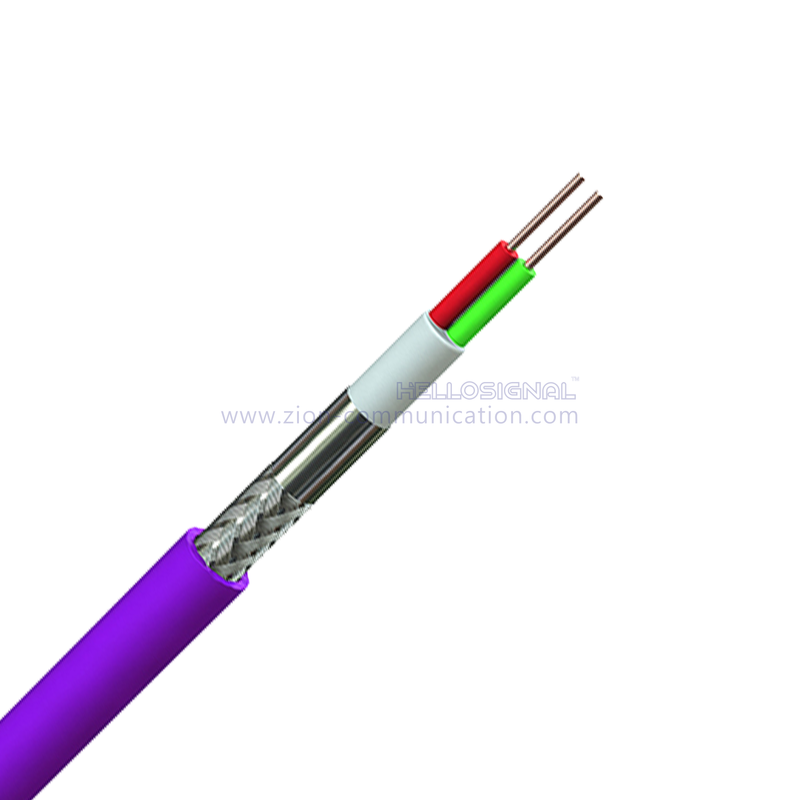
PROFIBUS-DP Cable
For PLC-to-field-device communication where bus impedance, shielding and termination practice must be controlled.
PLC Remote I/O Drive route
View Product 鈫?/span> 
ZION Fieldbus Cable Solution helps project buyers select the right cable family for PLCs, distributed I/O, drives, sensors, actuators and machine control devices. Instead of treating all bus cables as interchangeable, the page organizes PROFIBUS-DP, CANBus, DeviceNet, CC-Link and INTERBUS by protocol, shielding, impedance, topology and RFQ information.
Specify fieldbus cable by protocol first, then by route length, topology, shielding, jacket environment, quantity, marking, packing and required documents. PROFIBUS-DP, CANBus, DeviceNet, CC-Link and INTERBUS should not be merged into one generic cable request.
| Project condition | Recommended ZION direction | Why it matters | Information to confirm |
|---|---|---|---|
| PLC to distributed I/O or drive communication | PROFIBUS-DP Cable | Used for common PROFIBUS-DP field communication routes where cable impedance and termination discipline are important. | Protocol version, segment length, topology, shield, grounding and termination. |
| Controller area network for machinery or automation devices | CANBus Cable | Supports CANBus communication between controllers, sensors, drives and distributed devices. | Baud rate, cable length, pair count, shielding and route environment. |
| Device-level automation network with trunk and drop layout | DeviceNet Cable | DeviceNet cable planning normally needs signal, power and network layout to be checked together. | Device list, trunk/drop layout, conductor size, power need and connector method. |
| Factory automation network using CC-Link devices | CC-Link Cable | Matches CC-Link machine and plant communication routes for PLC, I/O and field devices. | Station count, route distance, shield requirement, labeling and packing length. |
| Maintenance or replacement of existing legacy bus routes | INTERBUS Cable | Suitable for existing INTERBUS installations where replacement cable must match the original system requirement. | Old cable marking, existing datasheet, replacement length, connector and installation area. |
For PLC-to-field-device communication where bus impedance, shielding and termination practice must be controlled.
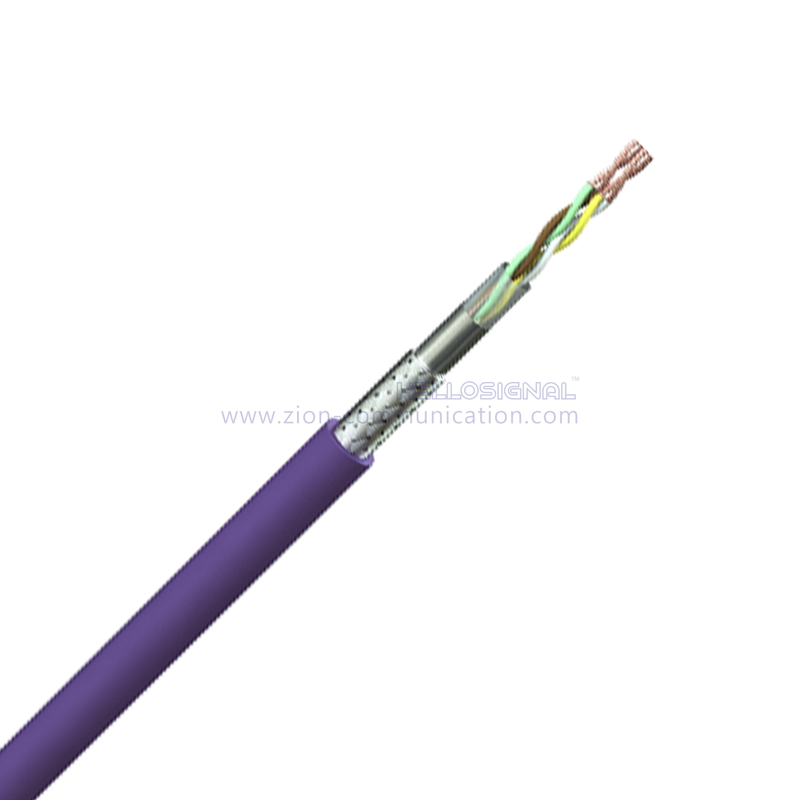
For CANBus communication between controllers, drives, sensors and distributed automation devices.
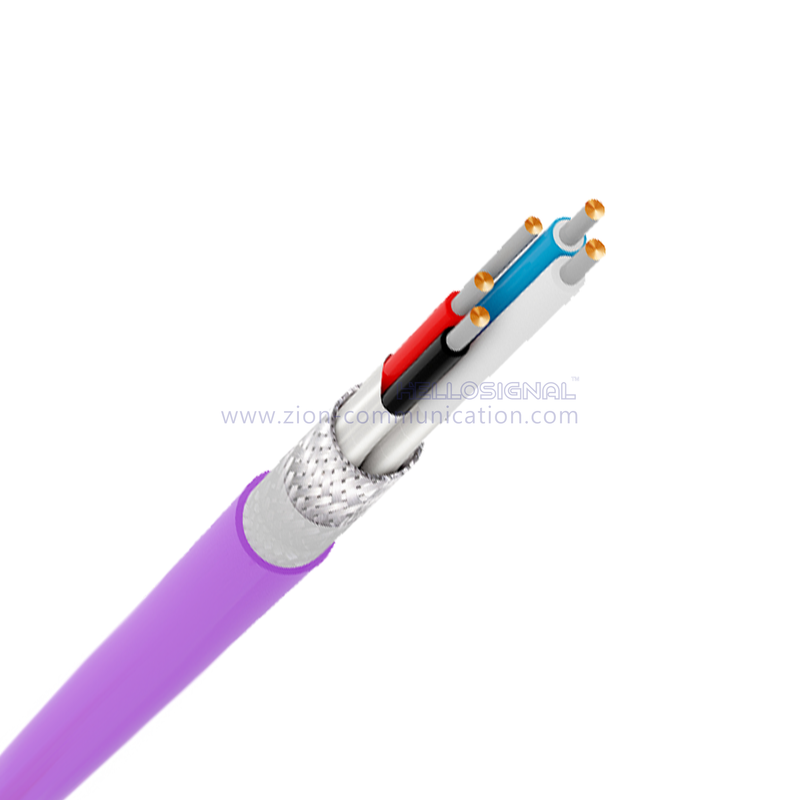
For DeviceNet field wiring where communication, device power and trunk/drop layout need to be checked together.
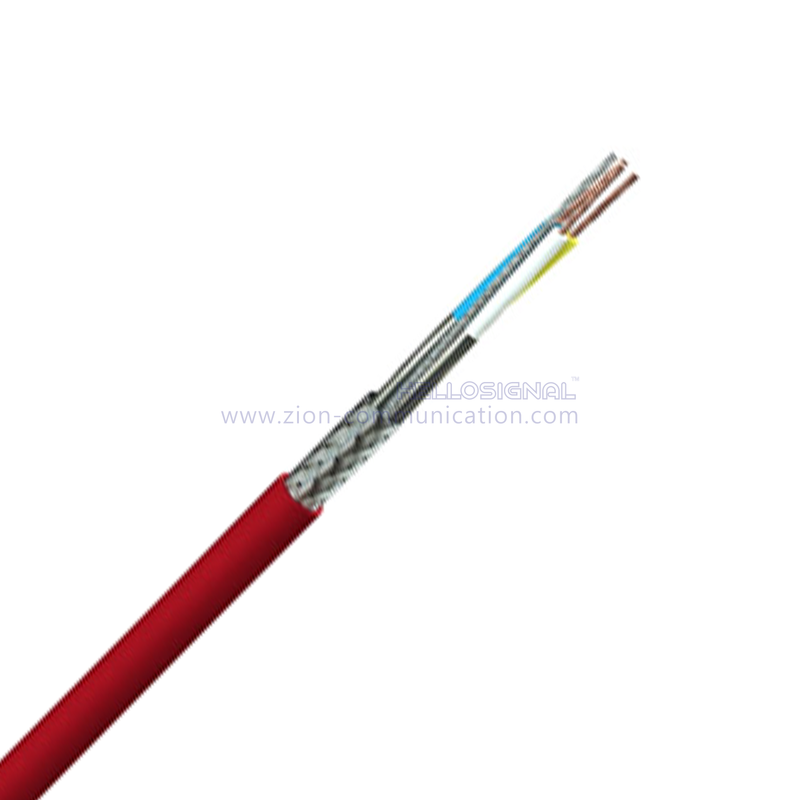
For CC-Link factory automation networks connecting PLCs, remote I/O and machine control devices.
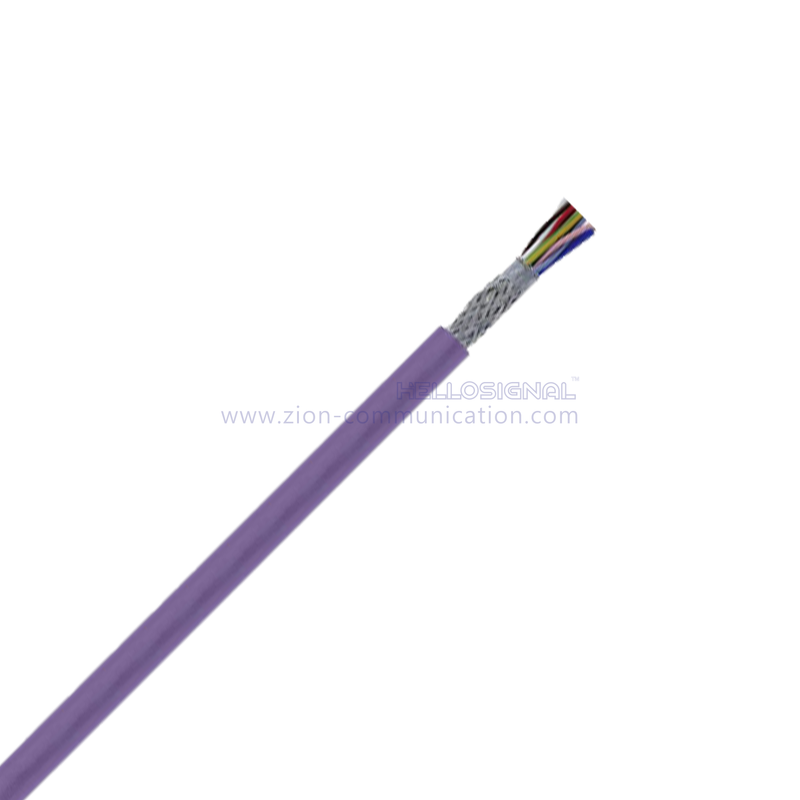
For legacy industrial fieldbus routes where replacement cable construction and marking need to match existing systems.
Send protocol name, cable family, conductor size, core or pair count, shield, jacket, route condition and standard wording.
Clarify quantity, packing length, delivery schedule, destination, label request and distributor or OEM requirement.
Confirm datasheet, sample, marking photo, available certificate and compliance document expectations before mass order.
Select by the equipment protocol first. PROFIBUS-DP, CANBus, DeviceNet, CC-Link and INTERBUS should be treated as different cable directions, not one universal cable.
Usually not without engineering review. Cable impedance, conductor count, shielding, jacket and termination requirements can differ between fieldbus systems.
Include protocol, device list, route length, topology, shield requirement, jacket type, quantity, packing length, cable marking and document requirements.
Trunk, drop, daisy-chain and segment layouts affect cable length, termination, packing plan and installation risk.
Samples can be discussed after confirming cable type, conductor size, jacket, marking, packing and required datasheet information.
Custom marking, jacket color, reel length, carton label, drum packing and OEM/ODM requirements can be discussed when specification, quantity and destination market are clear.
ZION can support datasheet review and provide available document information according to the selected product family and project requirement. Certification should be confirmed by exact cable construction and standard wording.
Check cable marking, drum label, route separation, bending radius, pulling condition, termination compatibility and document approval before installation.
Send drawings, cable schedule, protocol names, route condition, quantity, packing requirement, product links and document requests. ZION can help organize the fieldbus cable direction before quotation and sample discussion.