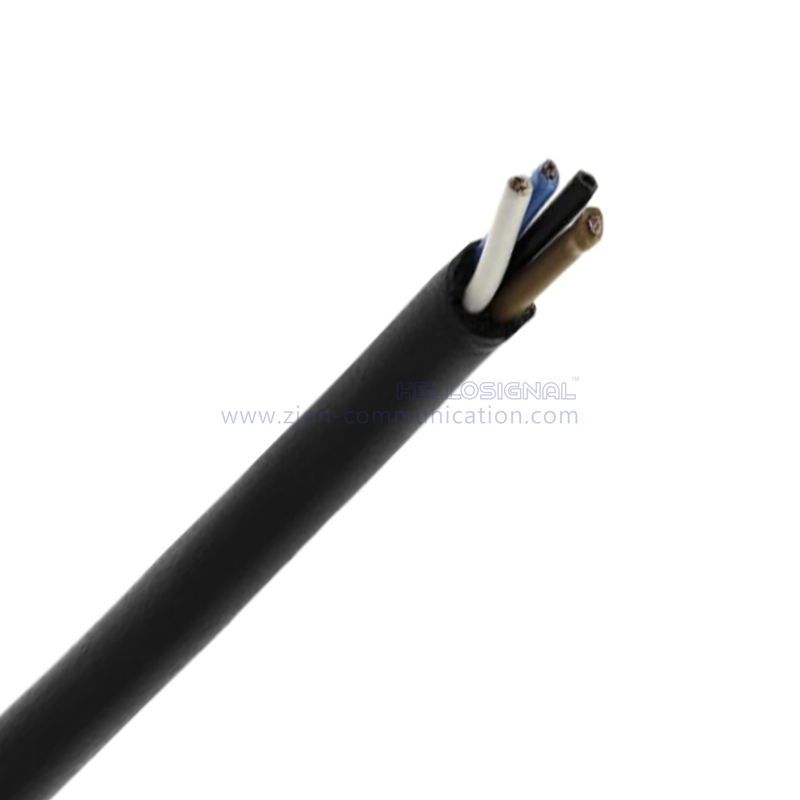
Standard Wiring
PVC Sensor & Actuator Cable
For protected sensor and actuator wiring where PVC jacket is acceptable for the machine route.
PVC Sensor Actuator
View Product 鈫?/span> 
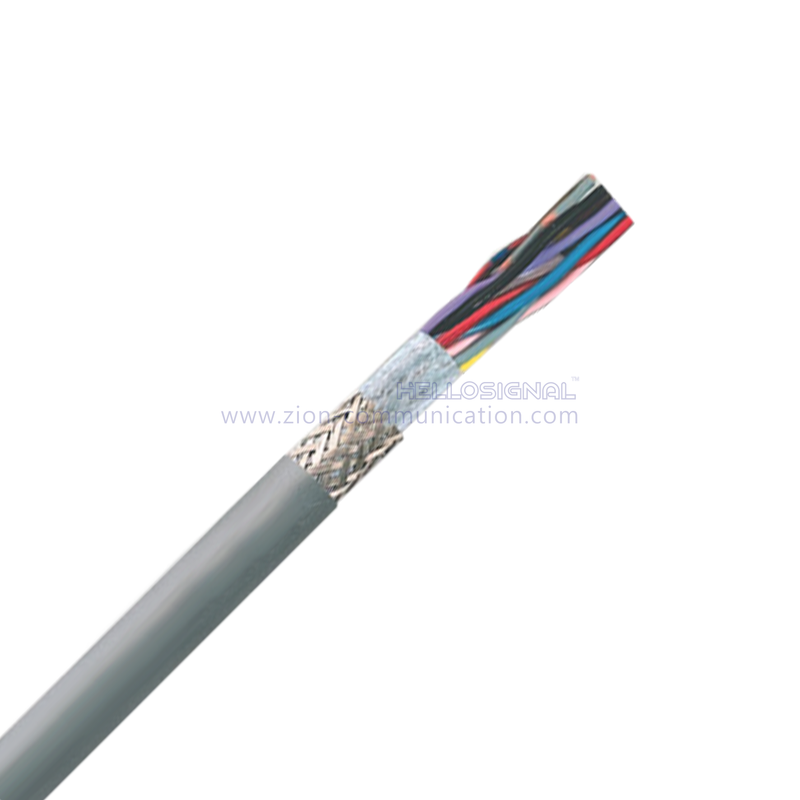
ZION Sensor & Actuator Cable supports machine-side wiring for sensors, actuators, valves, limit switches and I/O modules. We help buyers compare PVC, PUR, unshielded and shielded constructions according to route condition, flexibility, oil exposure, abrasion risk and electrical noise environment.
Specify sensor and actuator cable from the installation route, device environment and noise risk. PVC can fit protected standard wiring, while PUR and shielded constructions should be reviewed for oil, abrasion, repeated handling, motors, drives and inverter-adjacent routes.
| Project Condition | Recommended Direction | Why It Matters | Information to Confirm |
|---|---|---|---|
| Protected indoor sensor route | PVC Sensor & Actuator Cable | Cost-effective choice for standard machine wiring where the route is relatively stable. | Device type, conductor count, conductor size, length and jacket color. |
| Machine-side route with oil or abrasion | PUR Sensor & Actuator Cable | PUR jacket is commonly reviewed when the route is exposed to tougher industrial handling. | Oil exposure, movement condition, bend radius and cable carrier use. |
| Signal route near motors or drives | Shielded PUR Sensor & Actuator Cable | Shielding helps reduce interference risk for sensitive signal wiring. | Route separation, grounding method, shield termination and device wiring plan. |
| Valve, actuator or I/O module wiring | Multi-core sensor actuator cable | Keeps control, power and feedback wiring organized in one machine-side cable route. | Core count, voltage, current, cable OD and termination method. |
| Maintenance replacement | Match existing cable marking | Reduces mismatch risk and shortens machine downtime during replacement. | Old cable photo, marking, length, connector or gland plan and required quantity. |
For protected sensor and actuator wiring where PVC jacket is acceptable for the machine route.
For machine-side routes where flexibility, abrasion resistance and oil exposure are more important than shielding.
For signal-sensitive sensor or actuator circuits routed near drives, motors, inverters or power wiring.
For OEM, distributor and project supply needs, confirm cable marking, jacket color, reel length, label and packing plan.
Include cable family, conductor size, core count, shield, jacket, route condition and any standard wording.
Give quantity, packing length, delivery schedule, destination, labeling request and distributor or OEM requirement.
Clarify sample, datasheet, marking photo, certificate and compliance document expectations before mass order.
PUR should be reviewed when the cable route may face oil, abrasion, repeated handling, machine movement or tougher industrial environments.
Shielded construction is recommended for noise-sensitive signal circuits or routes near motors, drives, inverters and power cables.
No. PVC is suitable for protected standard routes, but tougher machine areas may require PUR depending on oil exposure, abrasion and movement.
Send conductor count, conductor size, jacket material, shield requirement, route length, movement condition, quantity, packing length and connector or gland plan.
Yes. Custom marking, jacket color, reel length, carton label, drum packing and OEM/ODM requirements can be discussed after confirming the specification and quantity.
Yes. Samples can be discussed after confirming cable type, conductor size, jacket, shield, marking, packing and target application.
Check cable marking, route separation, bend radius, pulling condition, termination compatibility, shield grounding and document approval before installation.
Send drawings, cable schedule, device list, route condition, quantity, packing requirement, product links and document requests. ZION can help organize the cable direction before quotation and sample discussion.