Most solar cable problems are not caused by one single factor. They usually come from a combination of wrong cable standard, poor route protection, high temperature, water exposure, connector mismatch, undersized conductor or unclear installation practice. To reduce risk, buyers should confirm the cable standard, outdoor rating, conductor size, route, connector compatibility, voltage drop target and documentation before purchase. For EPC projects, cable selection should be reviewed before installation begins, not after field problems appear.
Common solar cable risks to review before installation
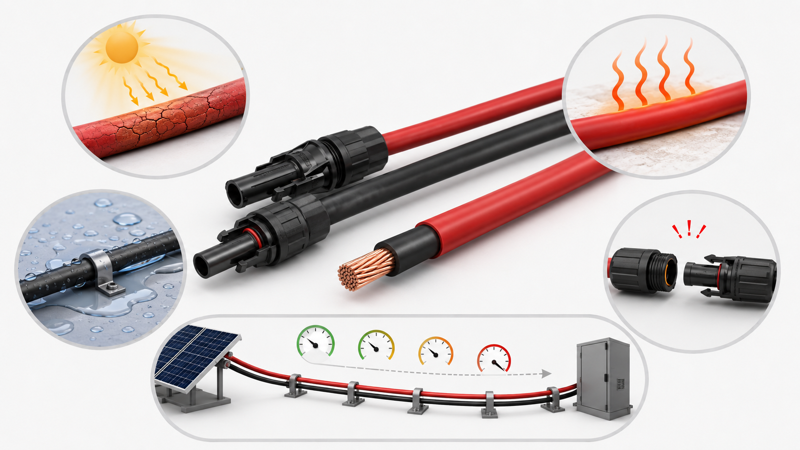
Solar cable risk should be reviewed as a system issue. Outdoor exposure, route protection, connector compatibility and voltage drop can all affect reliability.
| Risk | Cause | Possible result | Prevention |
|---|---|---|---|
| UV aging | Wrong jacket or outdoor rating | Jacket cracking or reduced service reliability | Use PV cable designed for outdoor exposure |
| Heat stress | Roof / outdoor high temperature | Insulation stress and derating concerns | Check temperature rating and route condition |
| Water ingress | Poor route or unsuitable cable | Electrical and mechanical risk | Confirm outdoor / wet route suitability |
| Connector mismatch | Mixed connector types or wrong crimp | Poor contact and field failure | Verify connector model and cable range |
| Voltage drop | Long route or undersized cable | Energy loss and performance issue | Review current, route length and conductor size |
| Mechanical damage | Exposed route without protection | Cable jacket damage | Use conduit, tray or protected routing where needed |
Pre-installation review checklist
A pre-installation cable review is cheaper than field rework. Use this checklist to catch mismatches before cable drums, connectors and route accessories are purchased.
| Review item | Question to ask |
|---|---|
| Standard | Does the cable match project requirement? |
| Route | Is the cable on roof, tray, conduit, trench or cabinet? |
| Temperature | Is ambient / roof heat considered? |
| Connector | Is connector type and cable range confirmed? |
| Voltage drop | Has route length been reviewed? |
| Protection | Is mechanical protection required? |
| Document | Is datasheet / certificate needed for approval? |
Which project types carry higher cable risk?
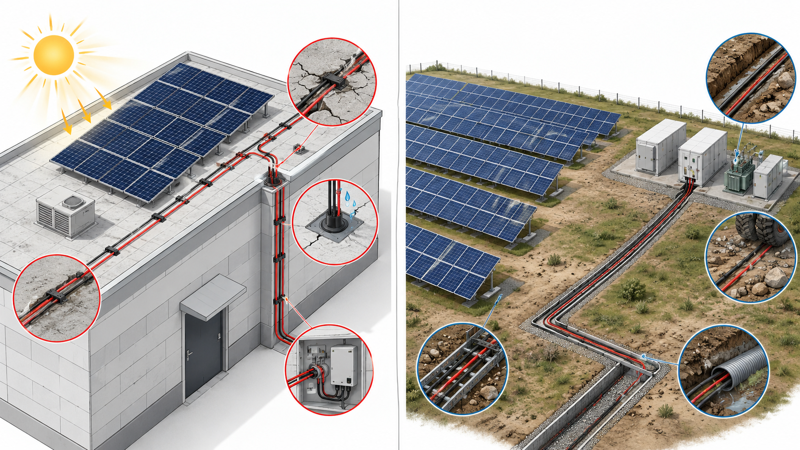
Each project type has a different risk profile. Rooftop systems often focus on heat and UV, while solar farms often focus on route length and mechanical protection.
| Project type | Higher risk area | Why |
|---|---|---|
| Commercial rooftop PV | Heat, UV, building penetration | Roof exposure and indoor transition |
| Utility solar farm | Route length, mechanical protection | Long outdoor runs and ground routes |
| Hybrid solar + ESS | Battery cable heat and termination | High DC current and compact cabinet |
| Distributor stock | Standard mismatch | Same stock may not fit all markets |
| Replacement project | Connector mismatch | Existing system connector may be unknown |
Related ZION products and solution pages
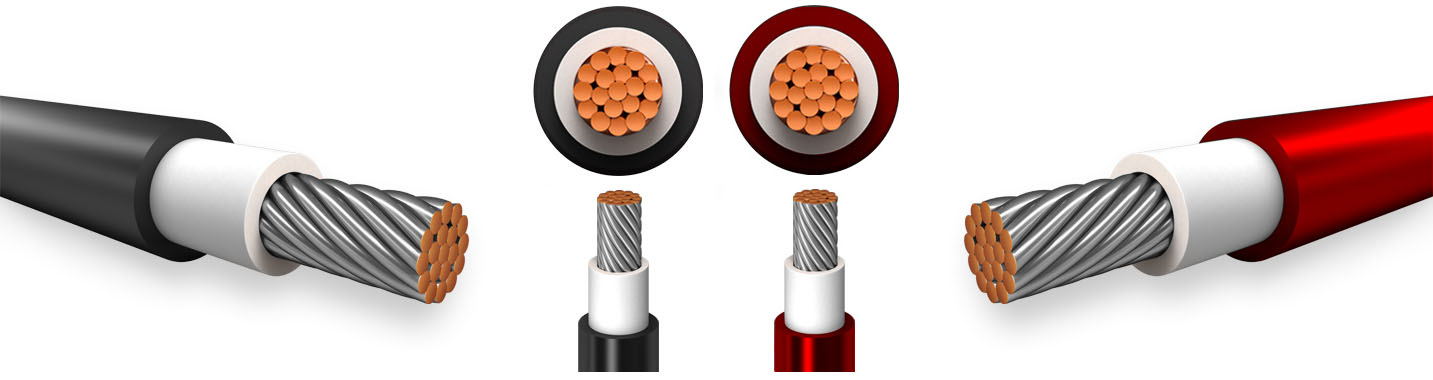
Solar PV Cable Solution
Helps define cable by route condition, standard, voltage and installation risk.
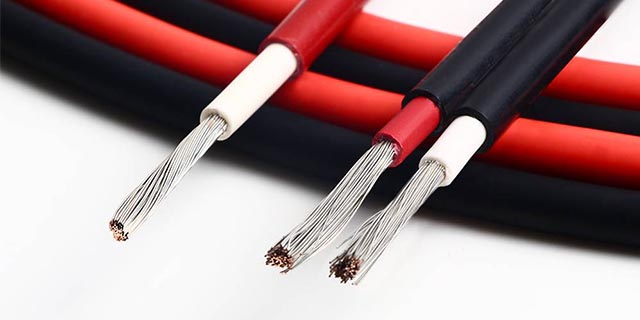
Solar Cable Product Category
Main outdoor PV cable family for DC-side solar routes.

Rooftop Solar Cable Solution
Useful for roof exposure, heat, building transition and indoor route planning.

Utility-Scale Solar Farm Cable Solution
Useful for route length, mechanical protection and monitoring cable planning.
What to verify with supplier
Supplier verification should focus on the exact risk that applies to your project. Do not request generic “high quality solar cable” without explaining route exposure, connector needs and document requirements.
- Cable standard and outdoor suitability
- Temperature and jacket construction shown in the datasheet
- Connector model and cable size range
- Route protection needs for rooftop or ground installation
- Document availability for project approval
FAQ
What is the most common solar cable selection mistake?
One common mistake is buying only by cable size without confirming standard, voltage, route and connector compatibility. This can create installation or approval risk.
Why does UV resistance matter for solar cable?
PV cables are often installed outdoors or on rooftops where sunlight exposure is continuous. The jacket and insulation system should be suitable for that environment.
Can connector mismatch cause solar system problems?
Yes. Poor connector compatibility or incorrect crimping can create unreliable contact and field risk. Connector type should be confirmed before assembly purchase.
How does voltage drop become a cable problem?
Long route length and undersized conductor can increase voltage drop. This should be reviewed during design and procurement, not after installation.
Is water exposure important for PV cable?
Yes. Outdoor cable routes may face rain, humidity or wet conditions. Cable suitability should be confirmed by datasheet and project route.
How can procurement reduce failure risk?
Procurement should request datasheets, confirm standard, size, route, connector, documents and sample needs before bulk purchase.
Sources and references
Use ZION Solar PV Cable Solution and product datasheets. For UV, heat, water, flame, voltage and connector ratings, only use confirmed product data or relevant standards. Do not add unsupported service-life claims.