Cable & Wire | High quality and excellent service at reasonable prices.
info@zion-communication.com
Author: Luke Publish Time: 21-10-2025 Origin: Site
Introduction: The Lack of Awareness of the Threat in Elements of Fire
A fire within a contemporary building is no longer restricted by just flames; the hazards are manifold. Inhalation of toxic fumes, suffocation from a dense cloud of smoke, and breakdown of the electric system are frequently significant contributors. At such times, the competency of some vital systems of a building—like fire alarms, emergency lighting, and the communication networks—working together can mean the difference between life and death.
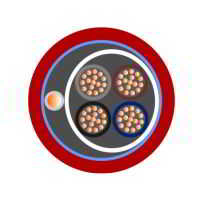
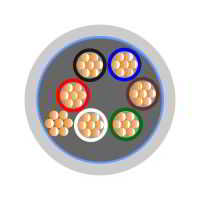
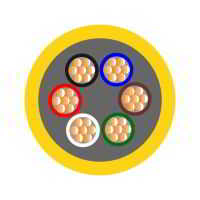
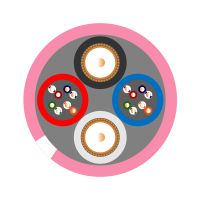
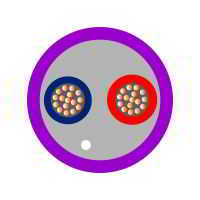
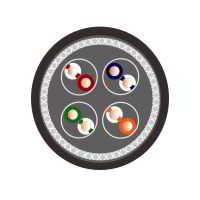
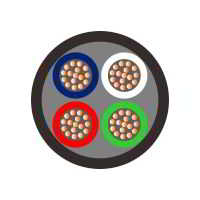
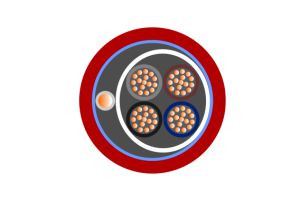
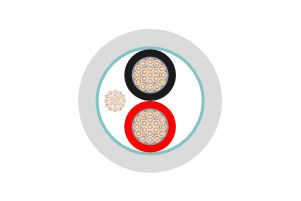
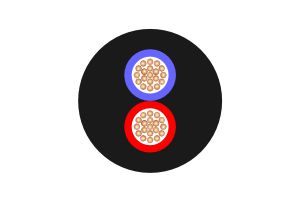
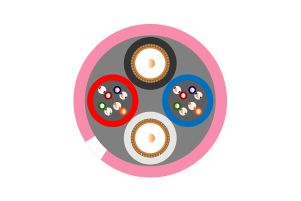
Cables that are fireproof, sometimes termed fire cables, have a fundamental position in this life-saving connection. They are built to retain circuit functionality during extreme heat and strain, thus they make sure that systems necessary for effective communication are not interrupted.
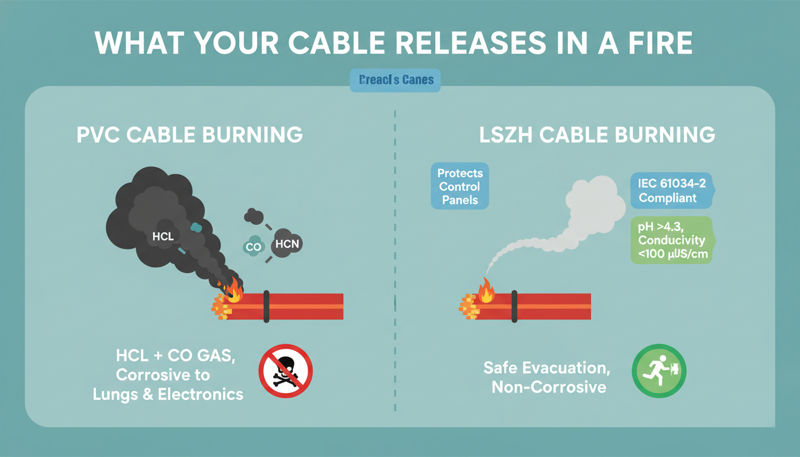
The majority of fire deaths are accompanied by inhalation of smoke rather than with burns. Many poisonous gases released by standard plastic sheathing wires are hydrogen chloride (HCl), hydrogen cyanide (HCN), and carbon monoxide (CO) when these cables are burned. Such fumes cloud vision, harm lungs, and force people to stay inside.
Moreover, extremely dark smoke stays alive, close to nothing in vision, which confuses both the way people and the rescue team move towards safety. This situation is a deadly combination of suffocation, panic, and delayed evacuation. On top of that, it is vital for low-smoke emission and non-toxic combustion to be not desirable but mandatory.

Fireproof cables are primarily about preventing the fire from getting closer to the circuits. However, they are also aimed at making sure electrical circuits continue working during fire. When there is a fire, the real-life survival imperative is that the subsequent systems stay available is undeniable:
Fire alarm systems – Informs users and responds to the problem by initiating fire suppression.
Emergency communication lines – Ensure coordination of evacuation and rescue procedure.
To illuminate people’s way out that will be through the contaminated corridors
Automatic doors and smoke extraction – Make sure that smoke-free corridors are available.
These systems can be dangerously put to test to the extent that melting or short-circuited cables can lead to the total safety system falling apart. The inextinguishable cables are tested with conformity to BS 6387 (BS 6387), EN 50200, and IEC 60331 standards, which stand to reason that they are able to withstand the burn to the core, and the sprinkler effect, and cause mechanical impact, therefore making them more durable.
With LSZH materials containing lower smoke production and with the absence of toxic halogen, the process of advancing safety of cables has been achieved. The distinction from halogenated coverings, like PVC or PE insulations, lies in the provisolity of LSZH compounds, which release almost no smoke and halogen gases when exposed to fire. This results in various advantages, such as:
Reduced toxicity – Decreased chance of the person choking to death or acquiring neurocognitive difficulties
Improved visibility – Reassuring routes of evacuation paths that are used to evacuate during emergencies.
Less corrosion – Safeguards electronic apparatus and metal structures from acids of destruction.
Environmentally friendly – Without halogen, the cables are free from contamination, and they are within global green building regulations.
Presently, LSZH cables are either mandatory or often an issue in public buildings, tunnels, hospitals, and transport networks, where human health is at stake.
Zion Communication manufactures wires that are formalized with reference to fireproofing requirements. We offer cable solutions that are based on carefully selecting the right materials, precision engineering, and advanced testing in order to ensure circuit integrity under the extreme conditions of fire.
Every Zion cable is tested according to the BS 6387 standard by checking the C, W, and Z type—this means that the cable is able to sustain 950°C flame, water spray, and mechanical experience at the same time. Provided that systems remain functional in the more severe conditions experienced on-the-ground, this explains why our systems are constantly available and resilient.
LSZH cables that Zion uses do not have halogen and have less smoke. Thus, these compounds are able to contain the toxic gases released to some degree in order to save lives and prevent post-fire contamination.
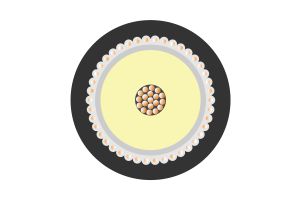
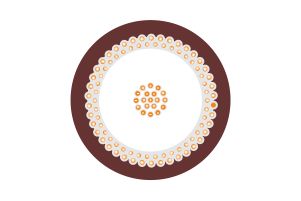
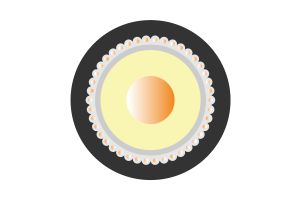
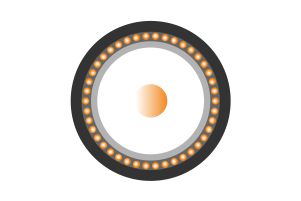
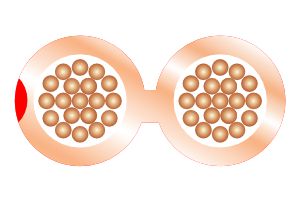
The thickness of the coated copper conductors used by Zion, the use of mica tape insulation, and fiber-glass reinforcement simultaneously effectively ensure durability, flexibility, and long service life in the post-fire.
We could declare that our fire cables meet international standards: such as BS 6387, EN 50200, IEC 60754, and are eligible for LPCB and CPR (Certifications) so that the safety features are guaranteed.

Electricity and telephone connections are often the most important aspects of all emergencies. Inaugurating fireproof LSZH cables is what enables this lifelines to stay intact. As building styles are made more elaborate and interconnected, the demand for reliable, non-hazardous, and heat-resistant fire cables avails.
Through Zion Communication, we aim at the guidance of developers, engineers, and safety officials to create sites that exhibit technology, which is life preserving equipment to man, even under raging fire.

Luke Han is a Product Manager and Director at Zion Communication,
Specializing in fire, security, and alarm solutions. With extensive industry experience,
Dedicated to delivering high-performance, reliable products that are tailored to customer needs.
luke@zion-communication.com
0086 19883212162