)



What Is CAT6 Cable Used For?
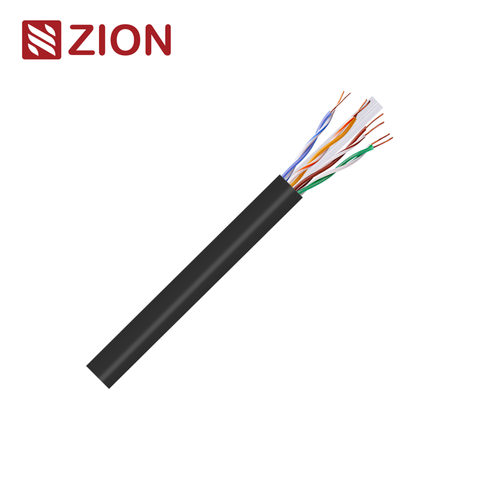
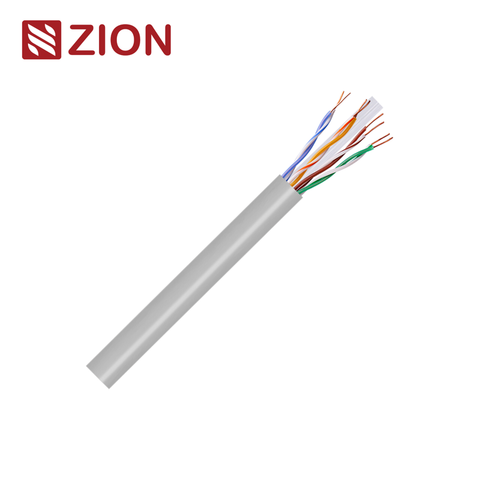
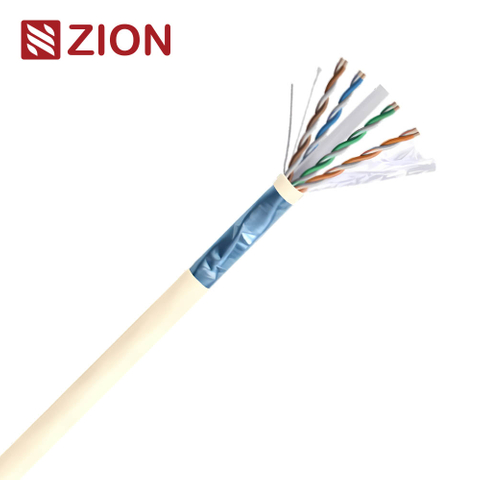
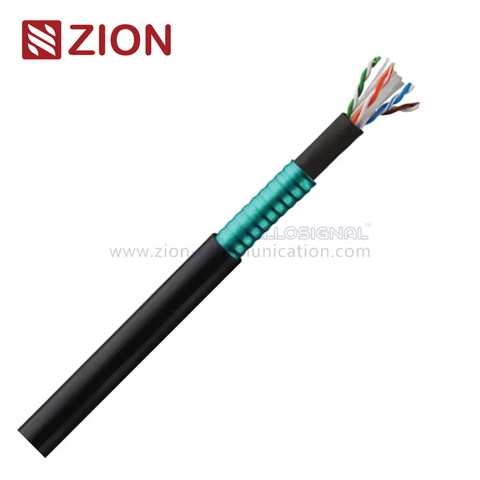
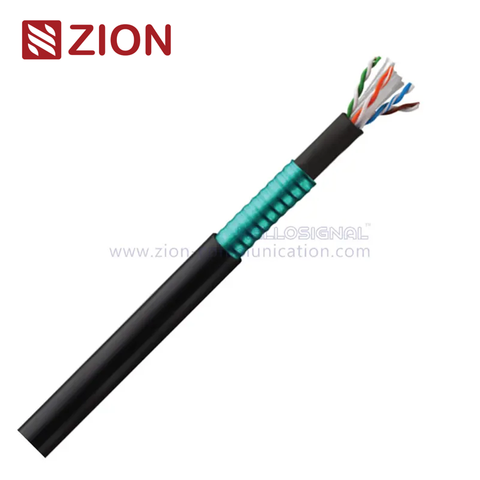
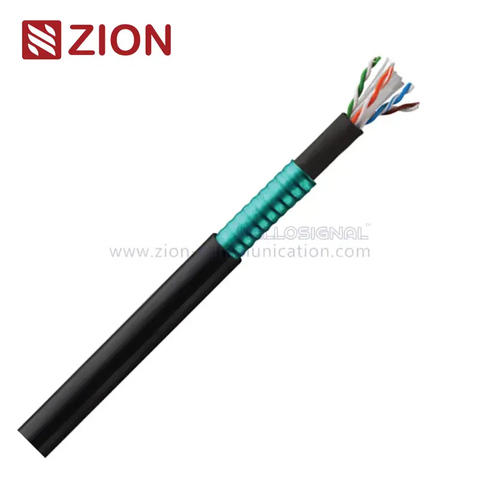
CAT6 cable is widely used for structured network cabling in homes, offices, commercial buildings and data centres. Its higher bandwidth and improved crosstalk performance make it suitable for reliable high-speed data, voice and video connections.
Supports 1 Gbps links for computers, servers, switches and other network equipment.
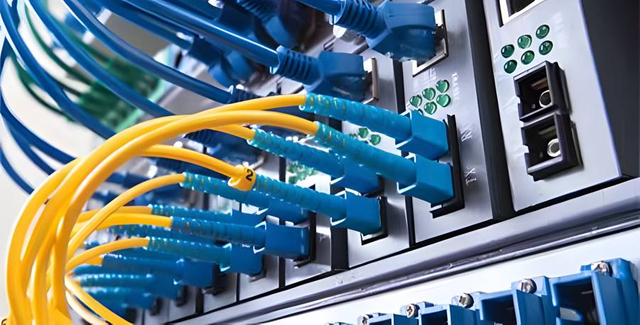
Connects workstations, access switches, servers and patching infrastructure.
Handles internet access, HD streaming, gaming and connected smart-home devices.
Provides bandwidth for stable voice and video traffic when the complete link is installed correctly.
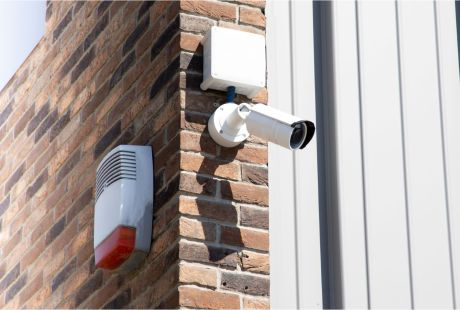
Can carry data and power to compatible cameras, IP phones and wireless access points.
Supports high-definition content, networked media and other bandwidth-intensive traffic.
CAT6 Cable Speed and Bandwidth
| Performance item | Typical CAT6 capability | Project note |
|---|---|---|
| Data rate | Up to 1 Gbps over a 100 m channel | Actual performance depends on the complete installed channel and test compliance. |
| 10 Gigabit Ethernet | Possible over shorter distances, commonly up to 55 m | The permitted length depends on installation conditions and alien crosstalk. |
| Frequency bandwidth | Up to 250 MHz | CAT5e is specified to 100 MHz. |
Bandwidth and data rate describe different properties. The 250 MHz rating defines the cable category's transmission bandwidth; it does not mean that every installation will automatically deliver the same network speed.
CAT6 Cable Specification and Construction
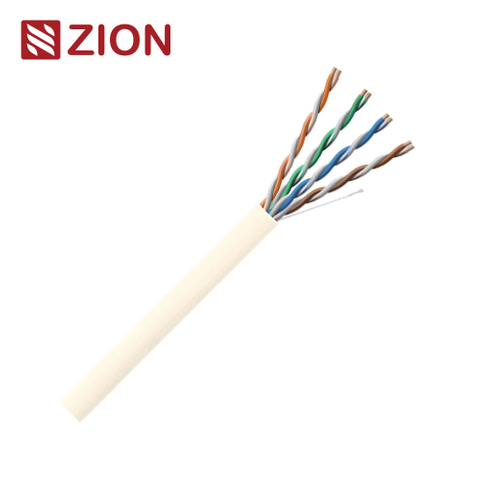
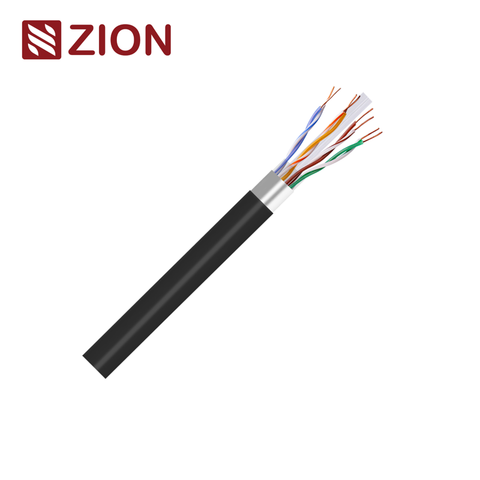
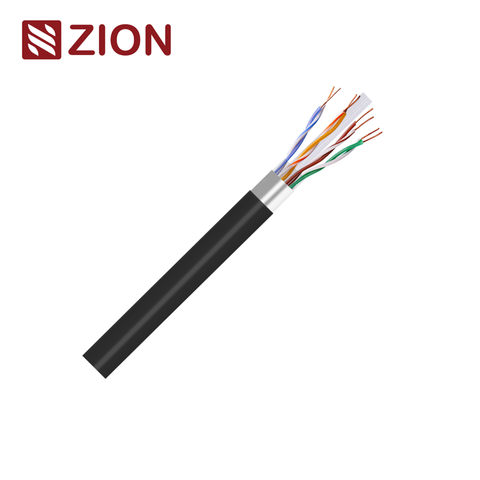
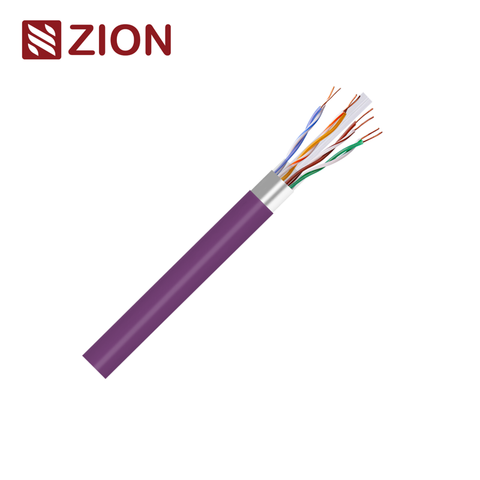
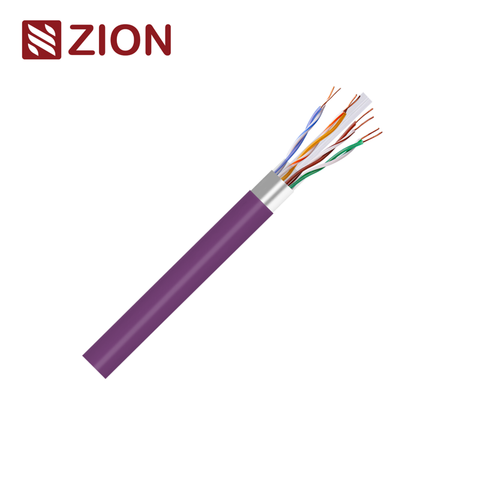
A common horizontal CAT6 cable construction uses four twisted pairs with 23 AWG solid copper conductors. The exact conductor gauge, insulation, separator, shielding and jacket must be confirmed on the model-specific data sheet.
| Construction | Description | Typical use |
|---|---|---|
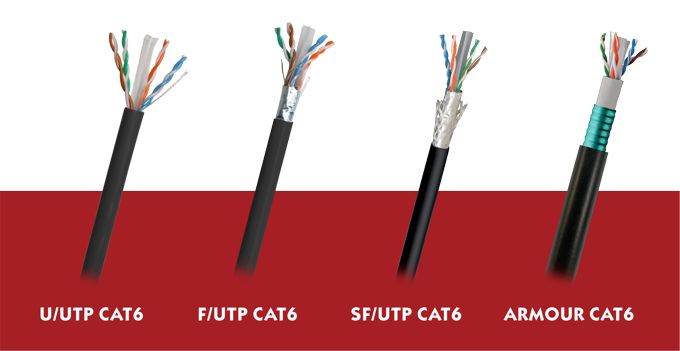
| U/UTP | Four unshielded twisted pairs with no overall shield. | General network installations with controlled electromagnetic interference. |
| F/UTP | Four unshielded twisted pairs with an overall foil shield. | Routes requiring additional protection against external interference. |
| SF/UTP | Four unshielded twisted pairs with overall foil and braid shielding. | Higher-interference environments where the shield can be correctly bonded and grounded. |
Available jacket options may include PVC, PE, LSZH, CM, CMR and CMP. Select the jacket by installation location, environmental exposure and the fire-safety classification required by the local code—not by the material name alone.
Reference Standards and Certificates for CAT6 Cable
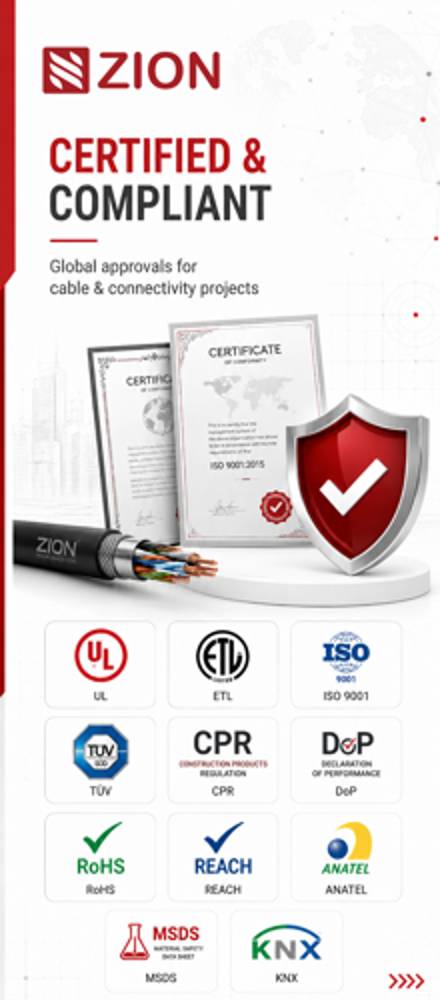
CAT6 cable specifications may reference ISO/IEC 11801-1, ANSI/TIA-568.2-D, IEC 60332-1 and EN 50399. Depending on the product model and target market, supporting approvals or declarations may include UL, ETL, CPR, CE, DELTA, RoHS, REACH, ISO 9001, ANATEL and SABS.
CAT6 Connectors and Packing
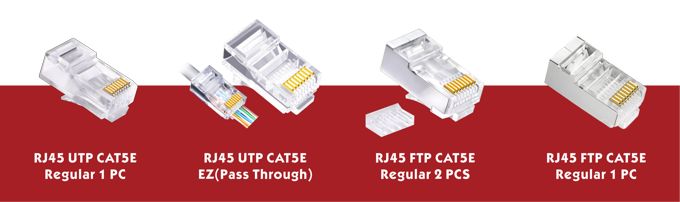
An 8P8C modular plug, commonly called an RJ45 connector, is the standard interface used for CAT6 patch-cable assemblies and most Ethernet equipment. Match the plug to the cable's conductor type, conductor diameter, insulation diameter, overall cable diameter and shielding.
For connector selection guidance, visit the modular plug selection guide.
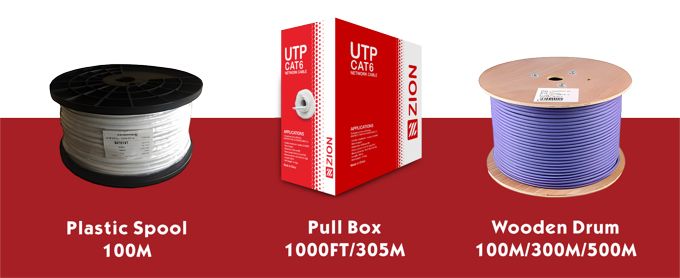
Pull box, reel, spool or other unit packing selected for cable length and installation method.
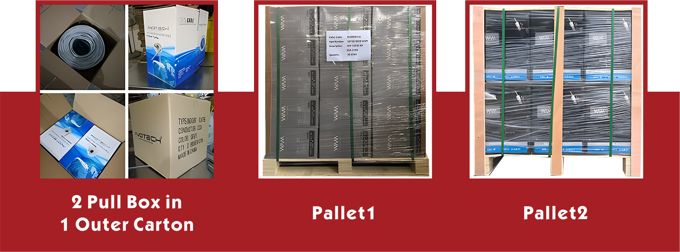
Export cartons, palletisation, labels and shipping marks configured for transport and storage.
Main Testing Equipment for CAT6 Cable
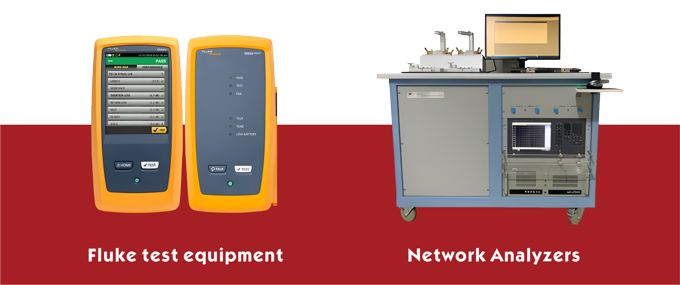
Fluke field certification testers
Common field testers include the Fluke Networks DSX2-8000, DSX2-5000 and legacy DTX-1800. The selected test limit, adapter type and test configuration must match the project requirement.
| Test configuration | What it includes | When to use it |
|---|---|---|
| Permanent link | The fixed horizontal cable and its terminated connecting hardware, excluding equipment cords and work-area patch cords. | Acceptance testing of the installed fixed cabling. |
| Channel | The end-to-end cabling path, including the permanent link and applicable patch or equipment cords. | Verification of the complete operational cabling channel. |
Network analysers
Laboratory network analysers can characterise cable transmission performance at defined lengths such as 100 m or 305 m. Test fixtures, calibration, frequency range, limits and sample preparation must be agreed before comparing results with field-certification reports.
How to Select the Right CAT6 Cable
Start with the installation route and applicable code, then match the cable construction to the network, environment and acceptance test.
| Selection factor | Options | How to decide |
|---|---|---|
| Jacket type | CMP, CMR, CM, LSZH, PVC or PE | Use the fire rating required for indoor spaces; use a suitably rated outdoor cable for moisture, UV or chemical exposure. |
| Conductor | Solid or stranded bare copper | Solid conductors are typical for fixed horizontal runs; stranded conductors are typical for flexible patch cords. |
| Conductor material | Bare copper or copper-clad aluminium (CCA) | Specify standards-compliant bare copper where performance, PoE reliability and code compliance matter. Confirm whether CCA is permitted before purchase. |
| Shielding | U/UTP, F/UTP or SF/UTP | Choose by interference exposure and ensure shielded systems include compatible connectivity, bonding and grounding. |
| Length and colour | Project-defined | Keep channel length within the design limit and use colours to simplify identification and administration. |
| Evidence | Data sheet, certificate, sample and test report | Tie every approval document to the exact offered model and production construction. |
CAT6 RFQ Questions and Direct Answers
The following answers are written for use in engineering reviews, procurement comparisons and supplier clarification records.
What information is required to quote CAT6 Ethernet cable?
A CAT6 cable RFQ should state the application, quantity, unit length, solid or stranded conductor, bare-copper requirement, AWG, shielding, jacket material and fire rating, colour, printing, packing, destination and delivery date. It should also name the applicable standard, certificate scope, sample approval, permanent-link or channel test requirement and required report format.
Should a CAT6 RFQ specify solid or stranded conductor?
Yes. Specify solid conductors for fixed horizontal cable and stranded conductors for flexible patch cords unless the project design requires otherwise. The RFQ should also state conductor gauge, conductor material and the compatible connector or termination because solid and stranded conductors are not interchangeable in every plug or IDC.
How should copper purity be defined in a CAT6 RFQ?
Use a measurable construction requirement such as solid bare annealed copper, supported by the applicable cable standard, model data sheet and conductor-resistance limits. Avoid using a percentage-purity claim as the only acceptance criterion. State whether copper-clad aluminium is prohibited and require evidence tied to the offered model and production lot.
Should CAT6 cable be quoted by channel or permanent-link performance?
Quote the configuration used for project acceptance. A CAT6 permanent link test covers the fixed installed cable and connecting hardware but excludes equipment and work-area cords. A CAT6 channel test covers the end-to-end cabling path including applicable patch and equipment cords. If both cable supply and installed-system acceptance are in scope, list both requirements separately.
What test report should accompany CAT6 cable?
For bulk cable, request the manufacturer test report for the supplied lot and the agreed electrical and transmission parameters. For installed cabling, request an electronic CAT6 Fluke test report generated with the correct test limit, link adapter, cable category and configuration. Each record should identify the project, cable or link ID, tester, calibration status, date, result and measured margins.
How do I specify PVC, LSZH, CMR or CMP jackets?
State the installation location, required fire classification, governing code and certificate scope. PVC or LSZH describes material or smoke characteristics, while CMR and CMP are installation fire ratings. Do not treat these labels as automatic equivalents; require the exact rating and supporting approval for the offered CAT6 model.
What packaging options are available for bulk Ethernet cable?
Common OEM CAT6 packaging includes pull boxes, reels, spools, export cartons and palletised loads. Define unit length, allowable length tolerance, reel or box dimensions, gross-weight limit, moisture protection, pallet requirements, barcode or label data and shipping marks. Confirm that the package supports payout without kinking or damaging the cable.
How do I request custom printing on CAT6 cable?
For custom CAT6 printing, provide the exact print string, brand name, model, category, conductor, jacket rating, standard or certificate marks, colour, font or layout constraints and repeat interval. Require an artwork or print-line sample for approval before mass production and prohibit unverified certification marks.
How do I specify meter marking and sequential-length printing?
State whether the legend must count upward or downward, the unit of measure, starting value, print interval and permitted marking tolerance. Define how box or reel labels relate to the first and last printed values, and require the supplier to record any splice, short length or marking reset.
What should a CAT6 cable technical submittal include?
An Ethernet cable submittal should include the model-specific data sheet, construction drawing, standards and certificate list, material declarations, performance data, jacket and fire rating, print legend, packing specification, sample status and test-report format. Add the CAT6 cable sample approval record and, when required, CAT6 manufacturer audit evidence and batch traceability plan.
How Do I Place an OEM or Customized Order?
- Send your purchase requirements to info@zion-communication.com.
- Confirm the cable specification, packaging, printing, quantity, test documents and delivery requirements with the sales team.
- Review and sign the contract or pro forma invoice.
- Production is arranged after the agreed deposit is received.
- Coordinate shipping before production is completed so documents and transport can be prepared on time.
Why Choose ZION Communication?
ZION Communication manufactures and exports signal and low-voltage power-transmission products. Its production, engineering, quality and international sales teams support product selection, customized manufacturing, packaging, testing documentation and export delivery.


 Fiber Optic Cable
 Fiber Optic Tools
 Ethernet Cable
 Coaxial Cable
 Fire & Security Cable
 Voice, Audio & Video
 Power & Control Cable