23AWG vs 24AWG vs 26AWG vs 28AWG: Ethernet Cable Conductor Size Guide
Author: Site Editor Publish Time: 24-04-2026 Origin: Site
23AWG vs 24AWG vs 26AWG vs 28AWG: How to Choose the Right Conductor Size
A practical engineering guide for choosing Ethernet cable conductor size by application, channel length, PoE requirement, flexibility, cabinet density, cost, and long-term maintenance risk.
Use 23AWG or 24AWG solid copper cable for horizontal permanent links.
Use 26AWG patch cords for standard flexible equipment and work-area connections.
Use 28AWG slim patch cords only for short, high-density patching where cable management is the priority.
■ Quick Answer: Which AWG Should You Choose?
For structured cabling projects, 23AWG and 24AWG are usually used for horizontal cable, while 26AWG and 28AWG are mainly used for patch cords. A lower AWG number means a larger copper conductor. Larger conductors normally provide lower resistance, better PoE power margin, and stronger long-distance performance, but they also increase cable diameter, stiffness, weight, and cost. For most building network installations, use 23AWG or 24AWG solid copper cable for permanent links, 26AWG patch cords for standard cabinet and work-area connections, and 28AWG slim patch cords only for short high-density patching where airflow and cable management are more important than maximum channel length.
| AWG Size | Typical Ethernet Use | Best For | Main Caution |
|---|---|---|---|
| 23AWG | Cat6A / high-performance Cat6 horizontal cable | Long links, 10G readiness, PoE margin | Thicker, stiffer, higher material cost |
| 24AWG | Cat5e / Cat6 horizontal cable, some cords | Balanced office LAN and standard PoE | Less margin than 23AWG for demanding PoE or long links |
| 26AWG | Standard flexible patch cord | Short equipment and work-area connections | Not ideal for permanent horizontal runs |
| 28AWG | Slim high-density patch cord | Rack airflow, dense patching, short links | Requires length and PoE verification |

■ What Does AWG Mean in Ethernet Cable?
AWG stands for American Wire Gauge. In copper network cabling, it describes the size of the conductor. The smaller the AWG number, the larger the copper conductor. This affects resistance, insertion loss, heat rise under PoE, cable flexibility, cable diameter, termination compatibility, and total channel design.
■ Horizontal Cable and Patch Cord Should Not Use the Same Logic
One common procurement mistake is comparing 23AWG, 24AWG, 26AWG, and 28AWG as if they are interchangeable. They are not. Horizontal cable is part of the permanent infrastructure. Patch cords are replaceable connection accessories. A conductor size that is acceptable for a 1 m cabinet patch cord may be a poor choice for a 70–90 m permanent link.
| Cable Position | Typical Conductor | Common AWG | Selection Priority |
|---|---|---|---|
| Horizontal cable | Solid copper | 23AWG / 24AWG | Long-distance performance, PoE margin, permanent link compliance |
| Standard patch cord | Stranded copper | 24AWG / 26AWG | Flexibility, repeated handling, equipment connection |
| Slim patch cord | Stranded copper | 28AWG | Rack density, airflow, short patching convenience |

■ 23AWG vs 24AWG vs 26AWG vs 28AWG: Detailed Comparison
The right conductor size depends on where the cable is used in the channel. For permanent infrastructure, electrical margin is more important. For patching, flexibility and cabinet organization may become more important.
| Factor | 23AWG | 24AWG | 26AWG | 28AWG |
|---|---|---|---|---|
| Main role | Cat6A / long horizontal cable | Cat5e / Cat6 horizontal cable | Standard patch cord | Slim patch cord |
| Resistance | Lowest among these options | Low | Higher | Highest among these options |
| PoE margin | Best | Good | Use for short cords | Verify length, bundle and power level |
| Flexibility | Lowest | Moderate | Good | Best for dense patching |
| Cable diameter | Larger | Medium | Smaller | Slimmest |
| Best decision logic | Choose for performance margin | Choose for balanced infrastructure cost | Choose for normal patching flexibility | Choose for short high-density rack patching |
■ When to Choose 23AWG Ethernet Cable
23AWG conductors are commonly used in Cat6A and higher-performance Cat6 horizontal cables. They are preferred when the project needs better electrical margin, long-term reliability, or stronger PoE performance.
the project uses Cat6A horizontal cabling;
the channel is long or close to the maximum design length;
PoE, PoE+ or higher-power PoE devices are involved;
the route has large cable bundles or higher ambient temperature;
the owner wants more upgrade margin for future network demand.
The trade-off is that 23AWG cable is usually thicker, heavier, less flexible, and more expensive. It may also require more space in trays, conduits, patch panels, and cabinets.
■ When to Choose 24AWG Ethernet Cable
24AWG is widely used in Cat5e and Cat6 horizontal cable. It is often the balanced option for office networks, IP phones, access control, CCTV, and general building LAN projects where the project needs stable performance without the extra size and cost of a larger conductor.
| Application | 24AWG Suitability | Project Note |
|---|---|---|
| General office LAN | Good | Balanced performance and cost |
| Cat5e / Cat6 permanent links | Common | Check channel length and test requirement |
| Moderate PoE load | Usually acceptable | Control cable bundle size and temperature |
■ When to Choose 26AWG Patch Cord
26AWG is commonly used for flexible Ethernet patch cords. It is easier to bend and route than larger solid horizontal cable, which makes it suitable for switch-to-patch-panel connections, work-area device connections, and cabinet organization.
■ When 28AWG Slim Patch Cord Is the Right Choice
28AWG slim patch cords are useful in high-density data centers, telecom rooms, and network cabinets. Their main value is not maximum electrical margin. Their value is better airflow, easier cable routing, reduced congestion, and cleaner maintenance in short patching applications.
| Use 28AWG When | Avoid 28AWG When |
|---|---|
| Patch cord length is short and controlled | The channel is already close to maximum length |
| Rack density and airflow are major concerns | High-power PoE margin is uncertain |
| Frequent moves, adds and changes are expected | The cord will be used in harsh mechanical conditions |
| The permanent link has enough performance margin | The buyer wants to use slim cord as a substitute for horizontal cable |
■ PoE, Voltage Drop and Heat: Why Conductor Size Matters
PoE changes the selection logic because the cable carries both data and power. Smaller conductors have higher resistance, which can increase voltage drop, power loss, and heat rise. This does not mean small patch cords can never be used with PoE, but it does mean the full channel must be checked more carefully.
| PoE Scenario | Preferred AWG Strategy | Reason |
|---|---|---|
| IP phone / low-power device | 24AWG horizontal + normal patch cords | Balanced cost and performance |
| PoE camera / wireless AP | 23AWG or 24AWG horizontal cable | Better resistance and power margin |
| High-power PoE / PoE++ | Prefer 23AWG Cat6A | Lower heat and voltage drop risk |
| Short rack patching | 26AWG or 28AWG may be possible | Verify channel length, bundle size and power level |
■ Engineer’s Shortcut: How to Choose Quickly
| Project Requirement | Recommended Choice | Decision Reason |
|---|---|---|
| New Cat6A building cabling | 23AWG solid copper | Better margin for 10G, PoE and long links |
| Standard Cat6 office LAN | 24AWG solid copper | Balanced cost and performance |
| Switch-to-patch-panel connection | 26AWG patch cord | Flexible and practical for normal patching |
| High-density rack patching | 28AWG slim patch cord | Improves cable management and airflow |
| Long PoE camera or AP route | 23AWG or 24AWG horizontal cable | Reduces voltage drop and heat risk |
■ What Buyers Should Confirm Before Ordering
A good RFQ should not only say “Cat6 cable” or “Cat6A patch cord.” It should specify the cable position, conductor size, conductor type, jacket, shielding, length, PoE requirement, and testing requirement.
| RFQ Item | What to Specify | Why It Matters |
|---|---|---|
| Cable position | Horizontal cable or patch cord | Determines solid vs stranded conductor logic |
| Conductor size | 23AWG, 24AWG, 26AWG or 28AWG | Affects resistance, flexibility and channel margin |
| Conductor material | Solid bare copper or stranded copper | Avoids incorrect substitutions such as unsuitable low-grade alternatives |
| Length | Permanent link length and patch cord length | Thin patch cords may need channel length control |
| PoE requirement | PoE, PoE+, PoE++ or no PoE | Affects heat rise and voltage drop risk |
| Jacket material | PVC, LSZH, CMR, CMP, outdoor PE | Matches building safety and installation environment |
| Test requirement | Channel test, permanent link test or factory test | Confirms the supplied product meets project acceptance needs |
Cat6A F/UTP horizontal cable, 23AWG solid bare copper, LSZH jacket, 305 m box, suitable for PoE and permanent building cabling.
Cat6A U/FTP patch cord, 28AWG stranded copper, LSZH jacket, 2 m length, factory-tested, for short high-density cabinet patching.

■ Common Mistakes to Avoid
A flexible 26AWG or 28AWG cord is not a replacement for solid horizontal cable.
Slim cords need length, PoE and channel verification.
High current, tight bundles and small conductors reduce safety margin.
RJ45 plugs, keystone jacks and field plugs may support different conductor sizes.
■ FAQ
Is 23AWG better than 24AWG?
23AWG usually provides lower resistance and better margin for long links, Cat6A cabling and PoE applications. However, it is thicker, stiffer and usually more expensive. For standard Cat5e or Cat6 office cabling, 24AWG may be sufficient.
Can I use 26AWG cable for horizontal cabling?
In most structured cabling projects, 26AWG should be treated as patch cord cable, not permanent horizontal cable. For in-wall or long permanent links, use solid copper horizontal cable such as 23AWG or 24AWG.
Is 28AWG patch cord reliable?
Yes, 28AWG slim patch cords can be reliable when used correctly: short patching, high-density racks, controlled channel length and verified PoE conditions. They should not be used as universal replacements for horizontal cable.
Does 28AWG support PoE?
28AWG patch cords may support PoE in suitable short-link applications, but the project should verify power level, bundle size, temperature and total channel length. For high-power PoE or long links, larger conductors are usually safer.
Which AWG is best for PoE cameras?
For PoE cameras, especially outdoor cameras or longer routes, 23AWG or 24AWG solid copper horizontal cable is generally preferred. For high-power PTZ cameras, 23AWG Cat6A cable gives better margin.
Should all cables in one project use the same AWG?
No. A good project may use 23AWG or 24AWG horizontal cable and 26AWG or 28AWG patch cords. The key is to design and test the complete channel correctly.
■ Conclusion
Choosing between 23AWG, 24AWG, 26AWG and 28AWG is not just a cable size decision. It is a channel design decision. Use 23AWG or 24AWG solid copper cable for horizontal infrastructure where distance, PoE and long-term reliability matter. Use 26AWG patch cords for normal flexible connections. Use 28AWG slim patch cords when cabinet density, airflow and short patching convenience are the main priorities.
For procurement teams, the safest approach is to specify the cable category, AWG size, conductor type, cable position, PoE requirement, channel length, jacket material, shielding structure and test requirement. This reduces misunderstanding, avoids incompatible substitutions and helps ensure the cable supplied matches the real project condition.
Need help confirming the right AWG for your Ethernet cable project?
Send your cable category, length, installation position, PoE requirement, jacket material and test requirement. ZION can help match horizontal cable and patch cord options for your project.



 Fiber Optic Tools
Products 6 families
Solutions 6 markets
Resources Tools & docs
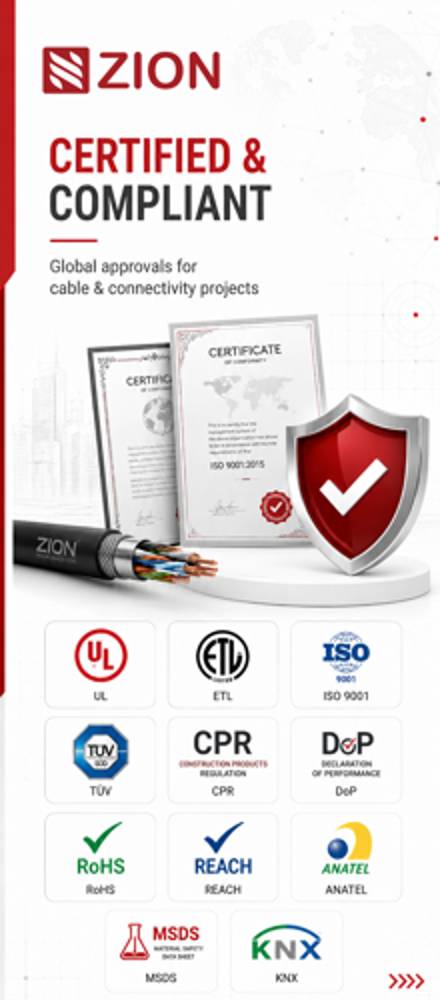
Certificate
Certification and compliance references for project review, qualification and purchasing documentation.
 Fiber Optic CableAccess and backbone
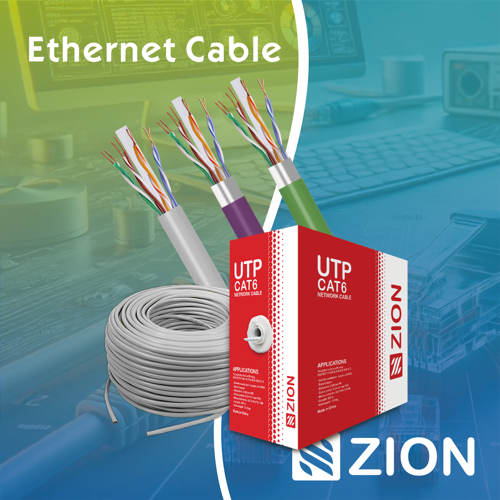 Ethernet CableCat5e to Cat8
 Coaxial CableRF and video signal
 Fire, Security & AlarmSafety systems
 Voice, Audio & VideoSignal cabling
 Power & Control CableEnergy and control
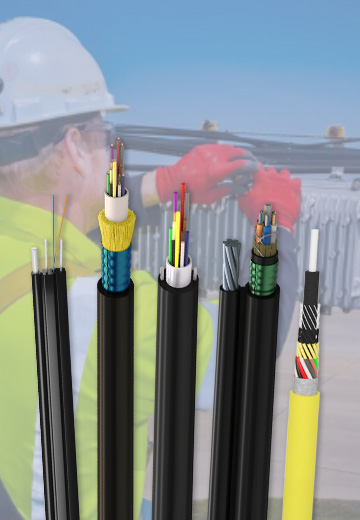
Fiber optic cable systems
Outdoor, indoor, FTTH and distribution cable lines for access networks, backbone routes and campus deployments.
 Telecom & ISP NetworksFTTH, PON, ODN
  Data Center InfrastructureServer room cabling
  Building Low-Voltage SystemsBMS, AV, weak current
  Security & Fire ProtectionAlarm, CCTV, access
  Industrial Automation CablePLC, RS485, fieldbus
  Energy & Power InfrastructureSolar, battery, power
 Telecom & ISP Networks
For FTTH / PON access, outdoor fiber deployment, aerial routes, duct routes, direct burial routes, rural broadband and ODN planning.
Tools
Use calculators and planning tools for conduit capacity, PoE voltage drop and fiber optic link loss budget work.