How to Choose Fire Resistant Cable for Building Safety Systems
Author: Site Editor Publish Time: 15-04-2026 Origin: Site
Fire Resistant Cable Selection Guide for Building Safety Systems
Choose fire resistant cable based on the circuit’s life safety function, required survival time, exposure conditions, and compliance path—not just the product label. For alarms, emergency communication, smoke control, emergency lighting, and firefighting systems, the correct choice comes from matching circuit integrity performance, reaction-to-fire behavior, and the installed cable system design.
Start with the life safety function: alarm, evacuation, smoke control, emergency lighting, or firefighting equipment.
Separate circuit integrity during fire from reaction to fire; they are not the same requirement.
Specify the complete installed cable system, including supports, glands, joints, routing, and exposure conditions.
■What really matters in fire resistant cable selection
A fire resistant cable should be selected from the building’s fire strategy backward. The core engineering question is not simply whether a cable can resist fire, but whether a specific circuit must keep transmitting power or signals during a fire event, for how long, and under which conditions. In building safety systems, this usually affects fire alarm loops, emergency communication, voice evacuation, smoke control, emergency lighting, damper control, firefighting lifts, and other critical circuits.
For practical project work, the right cable choice usually sits at the intersection of three layers: the circuit’s operational role, the cable’s fire performance, and the installation system that supports it. A datasheet alone is rarely enough. Even a well-tested cable can fail in service if the tray, clips, splices, terminations, or routing details are not designed to survive the same fire conditions.
■The three performance questions buyers must separate
One of the biggest procurement mistakes is mixing different fire-performance concepts into one requirement. In real projects, these questions should be evaluated separately and then combined where needed.
| Performance question | What it asks | Why it matters |
|---|---|---|
| Circuit integrity during fire | Can the cable keep carrying power or signals while exposed to fire? | Critical for life safety circuits that must continue to operate. |
| Reaction to fire | How does the cable contribute to flame spread, smoke, acidity, and droplets? | Important for evacuation conditions, visibility, and secondary equipment damage. |
| System survivability | Does the installed cable system remain functional in real building fire conditions? | Supports, routing, joints, enclosures, and fixings can decide whether the circuit survives. |
■Selection matrix by building safety system
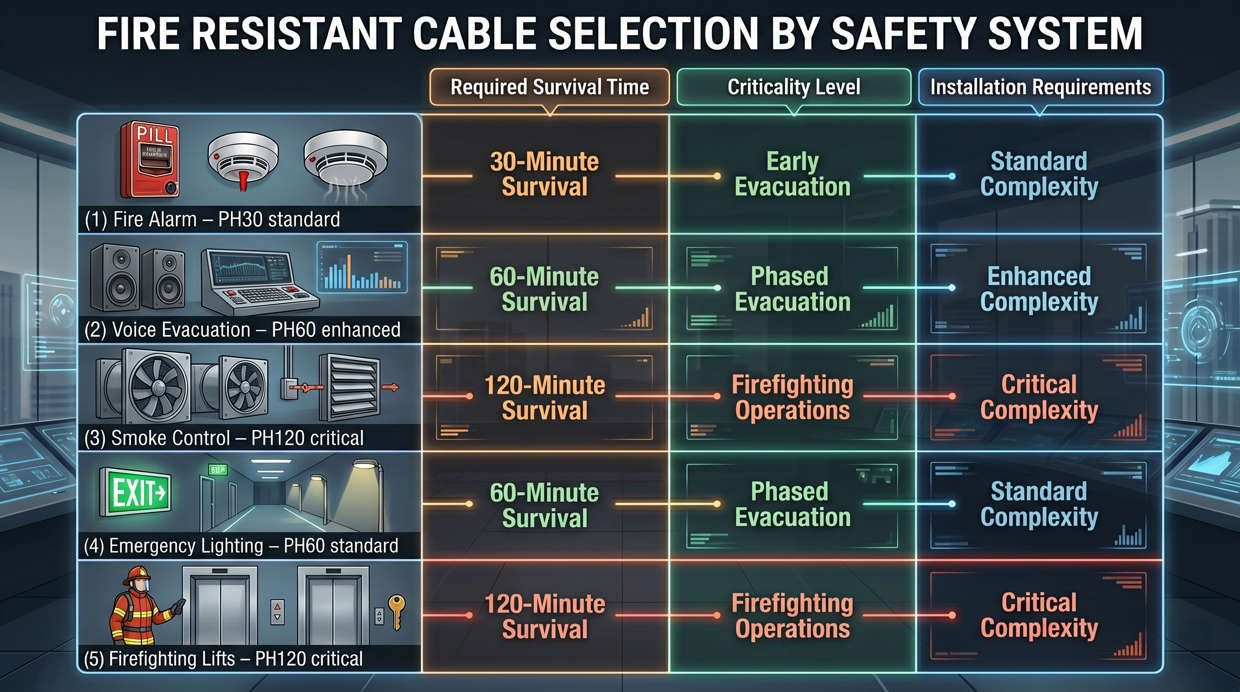
Different building safety systems place different demands on the cable. The table below gives a practical starting point for engineering and procurement teams.
| System | Primary objective during fire | Cable selection focus | Typical risk if wrongly selected |
|---|---|---|---|
| Fire alarm systems | Maintain alarm initiation and signal transmission | Stable circuit integrity, low smoke, clear installation rules | Missed alarms or loss of communication between devices |
| Voice evacuation / emergency communication | Keep instructions audible during evacuation | Higher survivability focus, routing and pathway protection | Loss of occupant guidance in complex buildings |
| Smoke control and pressurization | Keep smoke management systems operational | Longer survival target, strong support hardware, route protection | Smoke spread into escape routes or critical zones |
| Emergency lighting | Keep escape route lighting available | Match survival time to evacuation scenario | Reduced visibility and more difficult evacuation |
| Fire pumps, firefighter lifts, critical dampers | Keep firefighting assets functioning | System-level survivability and verified installation details | Critical equipment unavailable during incident response |
■Step-by-step selection method
This selection path helps reduce a common problem in bidding and procurement: a cable is chosen because the brochure looks strong, but the circuit still fails the actual project requirement because the fire exposure, support hardware, or pathway design were never defined clearly enough.
■How to write a better fire resistant cable specification
A weak specification says only “fire resistant cable required.” A stronger specification tells the supplier what the circuit must do and under which constraints. That turns a vague buying request into an engineering requirement.
| Specification item | Why it should be stated | Example direction |
|---|---|---|
| System served | Different systems have different criticality | Fire alarm loop / smoke exhaust control / emergency voice |
| Required operating duration | Defines the survivability target | State the project-required survival period |
| Fire exposure type | Fire only is not the same as fire plus shock or water | Free air / protected route / shock-prone zone |
| Conductor and construction | Ensures electrical fit and installation compatibility | Core count, cross-section, shield, jacket, armor |
| Reaction-to-fire requirements | Important for smoke, visibility, and corrosive emission control | Low smoke, low acidity, limited flame spread |
| Installed system details | Supports, glands, joints, and route design affect survivability | Approved clips, tray type, fixation spacing, penetrations |
■Common mistakes to avoid
■When to choose fire resistant cable
Choose fire resistant cable when the circuit is expected to continue operating during a fire event and the system plays a direct role in evacuation, firefighting, smoke management, or emergency control. Typical examples include fire alarm systems, emergency voice communication, smoke extraction and pressurization controls, emergency lighting circuits, firefighter lifts, critical damper controls, and selected emergency shutdown or monitoring circuits.
| Project condition | Use standard flame-retardant cable? | Use fire resistant cable? |
|---|---|---|
| Circuit may be de-energized safely during fire | Possibly yes, depending on project code and risk assessment | Not always necessary |
| Circuit supports evacuation or emergency communication | Usually not sufficient | Usually yes |
| Circuit controls smoke or firefighting equipment | Generally no | Strongly recommended / often required by project basis |
| Route includes high fire exposure or critical building zones | Often risky | Usually the safer engineering choice |

■FAQ
■Conclusion
The right fire resistant cable for building safety systems is the one that matches the circuit’s function, the required operating duration during fire, the expected exposure conditions, and the installation system that supports it. For engineers, consultants, and procurement teams, the safest approach is to move beyond generic wording and write a requirement that clearly defines survivability expectations, reaction-to-fire priorities, and installed system conditions.
That approach reduces specification gaps, avoids procurement mismatch, and helps building safety systems remain functional when they are most needed.
ZION can support cable selection for fire alarm, emergency control, and building safety projects with product data, construction options, and project-oriented technical discussion.



 Fiber Optic Tools
Products 6 families
Solutions 6 markets
Resources Tools & docs
Certificate
Certification and compliance references for project review, qualification and purchasing documentation.
 Fiber Optic CableAccess and backbone
 Ethernet CableCat5e to Cat8
 Coaxial CableRF and video signal
 Fire, Security & AlarmSafety systems
 Voice, Audio & VideoSignal cabling
 Power & Control CableEnergy and control
Fiber optic cable systems
Outdoor, indoor, FTTH and distribution cable lines for access networks, backbone routes and campus deployments.
 Telecom & ISP NetworksFTTH, PON, ODN
  Data Center InfrastructureServer room cabling
  Building Low-Voltage SystemsBMS, AV, weak current
 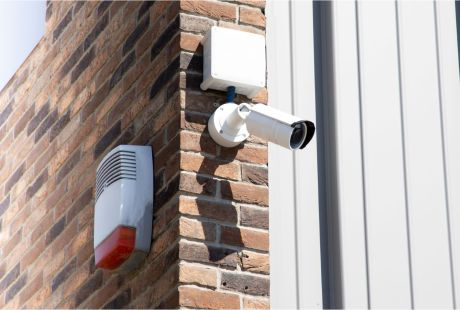 Security & Fire ProtectionAlarm, CCTV, access
  Industrial Automation CablePLC, RS485, fieldbus
 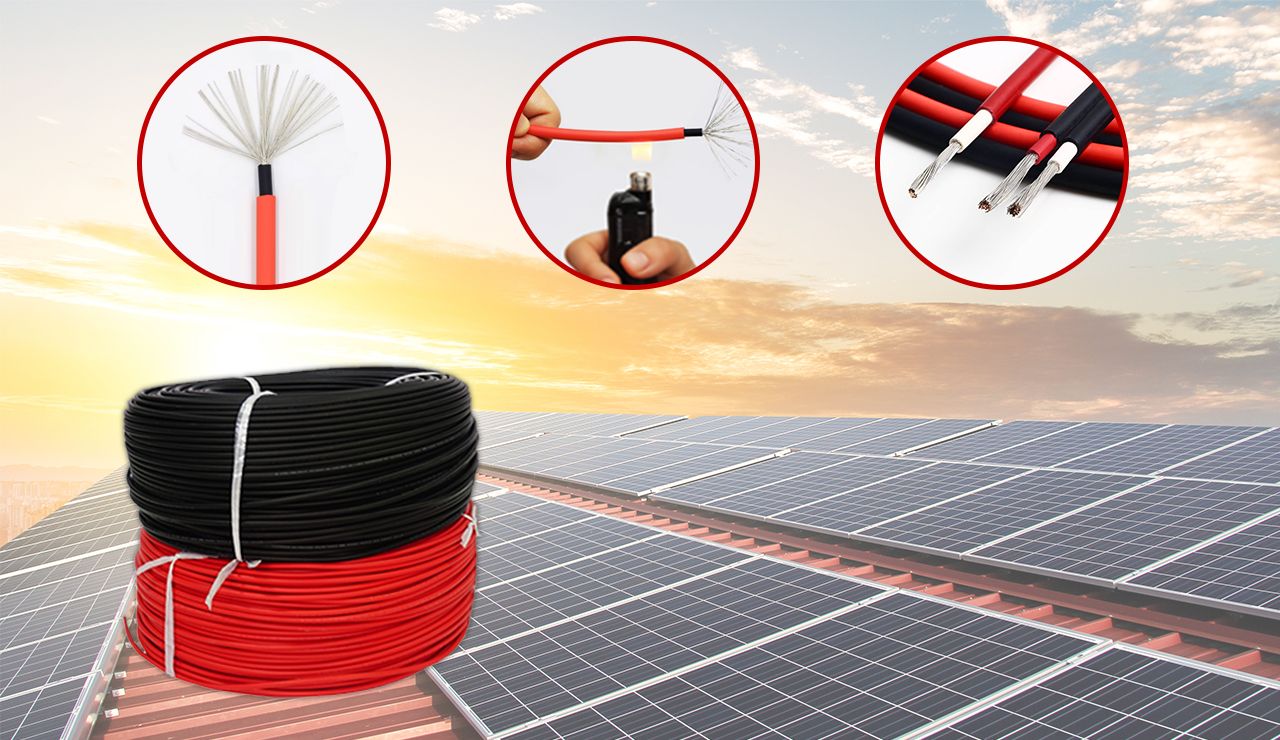 Energy & Power InfrastructureSolar, battery, power
 Telecom & ISP Networks
For FTTH / PON access, outdoor fiber deployment, aerial routes, duct routes, direct burial routes, rural broadband and ODN planning.
Tools
Use calculators and planning tools for conduit capacity, PoE voltage drop and fiber optic link loss budget work.