Cable Approval Checklist for OEM and Project Orders
Author: Site Editor Publish Time: 21-04-2026 Origin: Site
Cable Approval Checklist for OEM and Project Orders
A cable should not be approved just because a sample looks acceptable on the surface. Before mass production starts, buyers and engineers should verify construction, performance evidence, printing and labeling, installation suitability, packaging logic, and production consistency. For OEM orders, approval protects branding accuracy and repeatability. For project orders, it protects field fit, compliance alignment, and installation success. A structured approval checklist helps reduce rework, shipment disputes, on-site incompatibility, and hidden cost.
Approve cable samples against the final PO, datasheet, drawing, printing rule, and packaging requirement together—not separately.
OEM approval focuses on brand consistency and repeatable production; project approval focuses on field suitability, compatibility, and compliance fit.
Do not release production unless the approved version can be reproduced consistently at batch scale.
■ Why cable approval matters before production starts
Cable approval is the point where technical intent, purchasing requirements, field reality, and factory execution must be aligned. If the sample is approved too early, the order may proceed with the wrong conductor size, unsuitable jacket material, incorrect print legend, impractical reel length, or incomplete packaging logic. These problems do not always appear immediately. Many are discovered only during incoming inspection, shipment verification, site installation, or customer use.
That is why approval should be treated as a release gate rather than a visual formality. A disciplined review reduces rework, protects delivery schedules, improves traceability, and helps both buyer and supplier work against the same production reference.
■ OEM vs project approval focus: the checklist is not exactly the same
The approval logic changes depending on order type. OEM orders usually emphasize brand accuracy, print consistency, packaging presentation, and repeatability across future batches. Project orders usually emphasize installation suitability, environmental fit, compliance alignment, connector compatibility, and deployment efficiency on site.
| Approval Focus | OEM Orders | Project Orders |
|---|---|---|
| Primary objective | Protect private-label consistency and repeatable manufacturing | Protect installation success and project-fit compliance |
| Main risk | Wrong printing, packaging mismatch, sample-to-batch inconsistency | Wrong construction or material for real site conditions |
| Priority checks | Brand legend, labels, carton marks, packaging logic, reproducibility | Performance, environment fit, bend radius, connector/termination compatibility |
| Decision driver | Can the factory reproduce this approved version consistently? | Can this exact cable work on site without workaround or re-selection? |
■ Recommended approval workflow before mass production
A reliable approval process starts with document alignment, then moves through technical verification, identity confirmation, application review, and production control. The goal is simple: the approved sample should match not only what was ordered, but also how the cable will actually be used and how it will actually be manufactured at scale.
■ Complete cable approval checklist for OEM and project orders
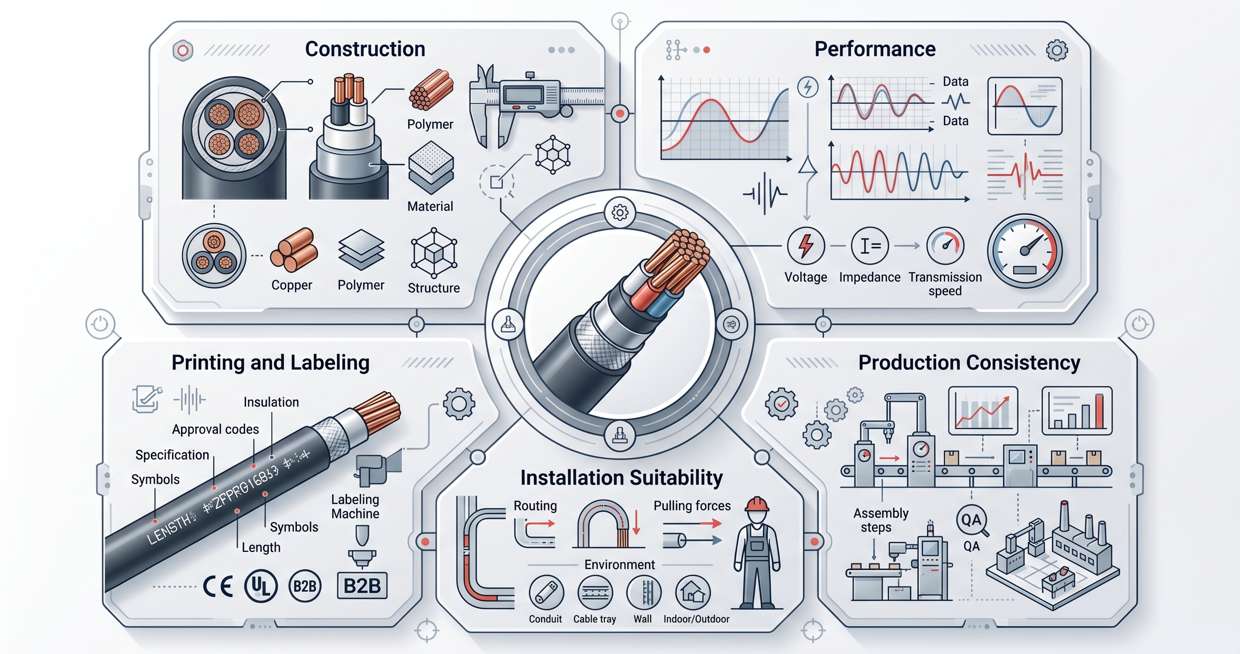
The most practical way to approve a cable is to review five areas together: construction, performance, printing and labeling, application suitability, and production consistency. If one area remains uncertain, the order should not move directly into full production.
| Checkpoint | What to Confirm | Why It Matters | Typical Risk If Missed |
|---|---|---|---|
| 1. Construction | Conductor, insulation, shielding, armor or strength member, jacket material, diameter, core or pair count, color code | Confirms the cable is physically built as required | Wrong performance, poor handling, installation mismatch |
| 2. Performance | Relevant electrical, optical, mechanical, fire, or environmental evidence | Confirms application-fit and standards-fit logic | Failure during testing, acceptance, or use |
| 3. Printing & labeling | Jacket legend, brand name, length marks, labels, carton marks, pallet marks, traceability logic | Protects OEM identity, warehouse clarity, and field readability | Brand inconsistency, customs confusion, receiving errors |
| 4. Application suitability | Indoor/outdoor use, routing condition, bend radius, termination method, environment exposure, connector fit | Confirms the cable will work in the real project environment | Site rework, installation delay, premature failure |
| 5. Production consistency | Sample BOM, print repeatability, diameter control, packaging stability, QC reference retention | Ensures the approved sample represents full-batch reality | “Approved sample good, production batch different” problem |
First order with a new supplier or a new construction variant
Private-label or OEM branding requirements
Large-volume orders where rework cost is material
Harsh environment or compliance-sensitive installation
Projects requiring exact fit to existing hardware or installed base
Before approving, ask one direct question: Can this exact cable, with this exact marking and packaging, be produced consistently and installed on the real site without workaround? If the answer is unclear, approval is still incomplete.
■ Decision rules: when to approve, hold, conditionally approve, or reject
Not every issue should trigger the same action. A minor label spacing adjustment is not equivalent to an unknown jacket compound or an unverified bend-performance requirement. Approval decisions should be proportional to risk and tied to function, field use, and reproducibility.
| Situation | Recommended Action | Control Note |
|---|---|---|
| Construction, performance, marking, packaging, and application fit are all aligned | Approve | Freeze the approved version as production and QC reference |
| Core technical content is correct, but a minor non-functional detail needs revision | Conditional approval | Confirm corrective detail before mass production starts |
| Application suitability, compliance fit, or production repeatability is still unclear | Hold approval | Request clarification, revised sample, or evidence first |
| Construction or performance materially differs from the agreed requirement | Reject and revise | Do not release the order into production on a “close enough” basis |
■ Common cable approval mistakes and their downstream cost
The most expensive mistakes often start with incomplete assumptions during review. Buyers and engineers may confirm the sample appearance but skip production repeatability. Or they may sign off the cable build without separately freezing the jacket legend and shipping labels. These gaps create avoidable friction later.
| Common Mistake | Why It Happens | Likely Consequence | Better Control |
|---|---|---|---|
| Approving by appearance only | The sample looks acceptable visually | Wrong internal structure or material remains unnoticed | Check build details against drawing and use case |
| Reviewing sample before aligning PO basis | RFQ, quotation, PO, and datasheet are not fully synchronized | The team approves the wrong target | Lock all reference documents first |
| Ignoring project installation reality | Approval is based on specification alone | Field routing, bend, or termination problems | Review the actual environment and hardware fit |
| Treating packaging as secondary | Focus stays only on cable build and test result | Receiving confusion, resale friction, customs or warehouse issues | Approve packaging and shipping identifiers separately |
| Failing to freeze the approved version | No final sample reference or controlled record is retained | Production and QC drift away from buyer expectation | Retain the approved version as batch control reference |
■ FAQ
What should buyers check before approving a cable sample?
Buyers should check the cable structure, relevant performance evidence, jacket printing, labels, packaging format, application suitability, and whether the approved version can be reproduced consistently in mass production.
What is the difference between OEM cable approval and project cable approval?
OEM approval focuses more on brand identity, print accuracy, packaging consistency, and repeatability. Project approval focuses more on field installation fit, environment suitability, connector compatibility, and project compliance alignment.
Is visual inspection enough to approve a cable order?
No. A cable may look correct while still having the wrong construction detail, unsuitable material choice, incomplete performance validation, or non-repeatable production condition. Approval should be evidence-based rather than appearance-based.
Why do print legend and packaging need separate approval?
Because even when the cable works technically, wrong jacket legend, label content, or carton marking can still cause OEM inconsistency, warehouse confusion, customs issues, and field identification problems.
How can buyers reduce risk before mass cable production?
Use a documented approval process that aligns the final PO basis, validates the sample against real application requirements, freezes print and packaging details, and retains the approved version as the production and QC reference.
■ Conclusion
A strong cable approval checklist does more than confirm that a sample looks acceptable. It verifies that the cable is technically correct, suitable for the intended environment, clearly identified, and stable enough for full-scale production. For OEM orders, that means protecting branding, packaging consistency, and future repeatability. For project orders, it means protecting installation success, compliance fit, and field efficiency.
The safest rule is straightforward: do not approve until construction, performance, identity, packaging, and production consistency are all aligned with the final order basis. That discipline helps reduce disputes, rework, shipment problems, and hidden lifecycle cost.
ZION Communication can support sample review, specification confirmation, and production-ready documentation before your order moves into full manufacturing.



 Fiber Optic Tools
Products 6 families
Solutions 6 markets
Resources Tools & docs
Certificate
Certification and compliance references for project review, qualification and purchasing documentation.

 Fiber Optic CableAccess and backbone
 Ethernet CableCat5e to Cat8
 Coaxial CableRF and video signal
 Fire, Security & AlarmSafety systems
 Voice, Audio & VideoSignal cabling
 Power & Control CableEnergy and control
Fiber optic cable systems
Outdoor, indoor, FTTH and distribution cable lines for access networks, backbone routes and campus deployments.
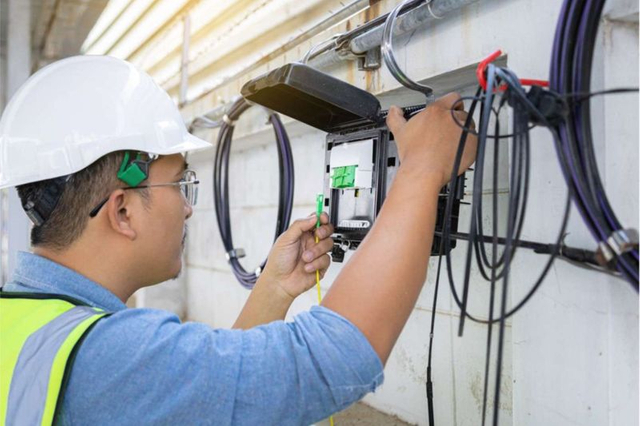 Telecom & ISP NetworksFTTH, PON, ODN
  Data Center InfrastructureServer room cabling
  Building Low-Voltage SystemsBMS, AV, weak current
  Security & Fire ProtectionAlarm, CCTV, access
  Industrial Automation CablePLC, RS485, fieldbus
 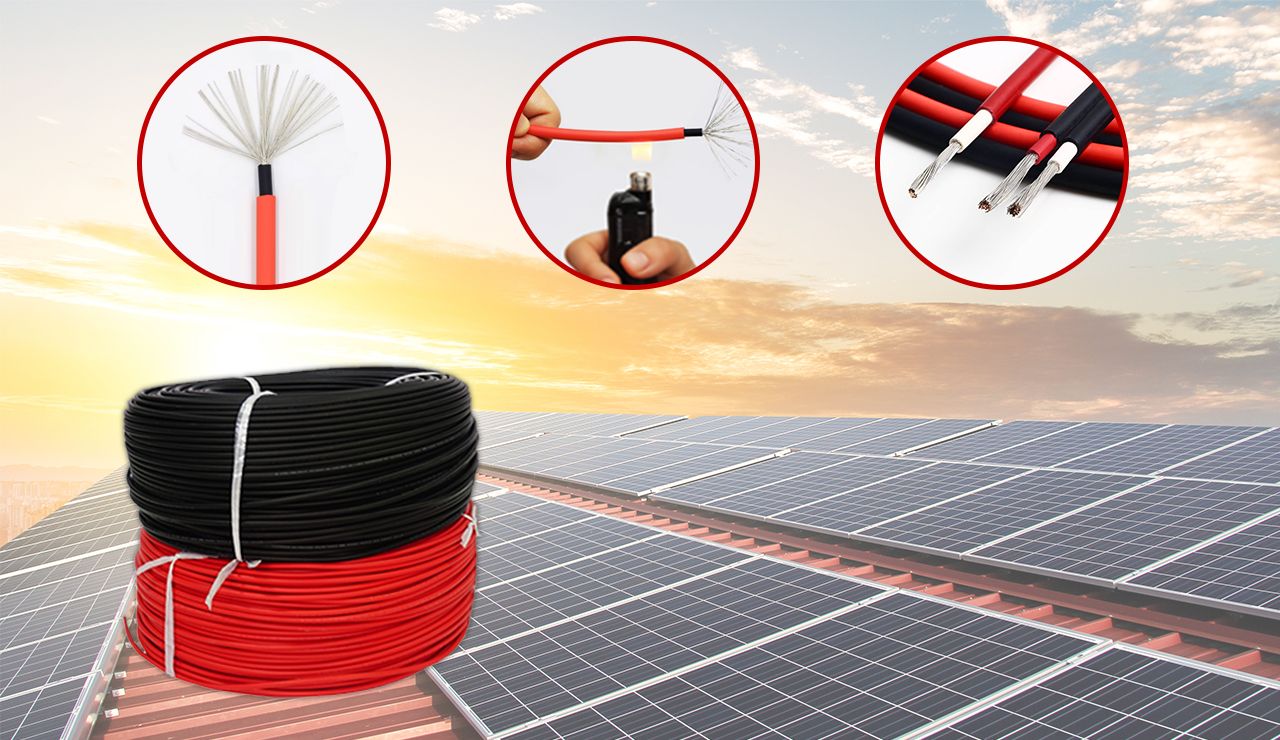 Energy & Power InfrastructureSolar, battery, power
 Telecom & ISP Networks
For FTTH / PON access, outdoor fiber deployment, aerial routes, duct routes, direct burial routes, rural broadband and ODN planning.
Tools
Use calculators and planning tools for conduit capacity, PoE voltage drop and fiber optic link loss budget work.