Future-Ready FTTx, FTTH & FTTR for AI and 50G-PON Access
Author: James Publish Time: 14-01-2026 Origin: Site
FTTx, FTTH & FTTR in 2026: How Engineers and Buyers Should Design, Select and Deploy Fiber Access
This guide helps project owners, engineers and procurement teams make confident decisions on FTTx / FTTH / FTTR architecture, cable types and long-term O&M risk in the 50G-PON and AI era.
Smart Building / Campus
50G-PON has entered commercial deployment; design choices today must consider 10+ year scalability.
TTH solves “fiber to the home”, FTTR solves “Wi-Fi dead zones” inside the home with room-level fiber.
Correct cable type (ADSS / GYTA / FTTH drop / micro-FTTR) is the fastest way to reduce lifetime OPEX and failure risk.
■ 1) 2026 Overview: Why FTTx / FTTH / FTTR Matter More Than Ever
By early 2026, fiber access is no longer a premium option; it has become the default foundation for national broadband, smart cities, and industrial connectivity. The combination of AI workloads, edge computing, cloud gaming, UHD video, and 5G densification has pushed legacy copper and best-effort wireless to their limits. For network operators and project owners, the key question is no longer “Should we use fiber?”, but “How deep should fiber go in each scenario?”.
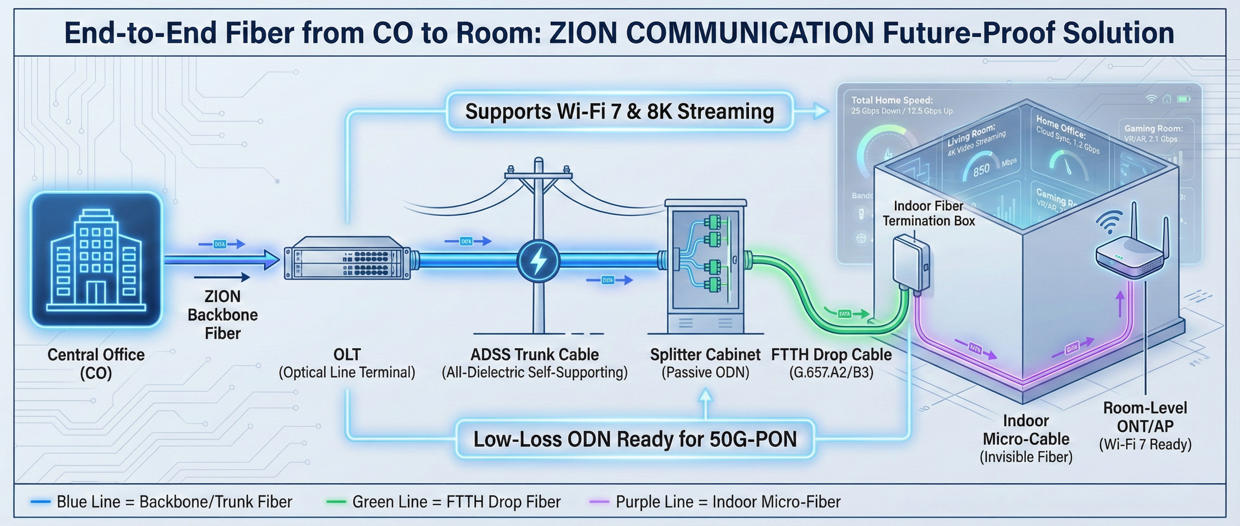
FTTx (Fiber to the X) architectures address this question by extending fiber from the core to neighborhoods, buildings, homes and now individual rooms. FTTH (Fiber to the Home) and FTTR (Fiber to the Room) together provide an end-to-end optical path from central office to each user device, enabling consistent multi-gigabit service and sub-millisecond latency.
In 2026, most new greenfield projects that still deploy copper on the access side will face an upgrade cost twice as high within 5–8 years. Designing a fiber-ready or full-fiber access network from day one is usually cheaper over the total lifecycle.
| Driver | Typical Requirement | Impact on Access Network Design |
|---|---|---|
| AI & Edge Computing | <1 ms latency, consistent uplink | Full fiber from CO to premises, low-loss ODN and high-grade optics |
| Cloud Gaming / AR / VR | Multi-Gbps, jitter <5 ms | FTTH + FTTR, Wi-Fi 6/7 AP per room over fiber backhaul |
| Smart Buildings & BMS | High availability, EMI immunity | Indoor LSZH cables, structured FTTH / FTTR plus BMS cabling |
| Industrial & Utility Networks | Harsh environment, long distance | ADSS, armored GYTA53 / GYTY53, robust splicing and closures |

■ 2) Definitions: FTTx, FTTH, FTTR & Architectures
FTTx is a family name for all “fiber-to-the-X” architectures. What changes is simply where the fiber stops and which medium, if any, is used afterward. Understanding these variants helps engineers balance CAPEX, OPEX and upgrade paths.
2.1 Core FTTx Variants
| Variant | Fiber Termination Point | Last Segment Medium | Typical Use Case |
|---|---|---|---|
| FTTH | Inside the dwelling (ONT location) | Ethernet / Wi-Fi from ONT | Residential broadband, SOHO |
| FTTR | Room-level AP / sub-ONT | Short Ethernet + Wi-Fi per room | Whole-home coverage, Wi-Fi 6/7 |
| FTTB | Building MDF / floor cabinet | Copper / Ethernet / coax inside building | Apartment blocks, hotels, offices |
| FTTC / FTTN | Curb cabinet / neighborhood node | Short copper loops or wireless | Legacy upgrade, rural or mixed networks |
FTTH is a subset of FTTx; FTTR is an extension of FTTH inside the building. For greenfield projects, a full FTTH + FTTR concept should be evaluated from day one, not as an afterthought, especially where Wi-Fi 6/7 and AR/VR are in the scope.
2.2 FTTH vs FTTR: Solving the Last 30 Meters
FTTH solves the problem of bringing fiber to the home. FTTR solves the remaining problem inside the home: concrete walls, multi-floor layouts, and unstable Wi-Fi coverage. By using ultra-bend-insensitive G.657.A2 micro-cables and sometimes transparent indoor fiber, FTTR delivers fiber backhaul to every key room, then uses short Ethernet drops and Wi-Fi 6/7 for device access.
■ 3) 50G-PON & Access Technology Roadmap (2026 View)
In 2025, 50G-PON moved from lab trials into early commercial rollout. By 2026, several Tier-1 operators are already targeting 50G-PON for high-value residential clusters, enterprise parks and 5G backhaul. For project designers, the most important implication is simple: the physical fiber and passive ODN you deploy today must survive at least two generations of PON upgrades.
| Generation | Down / Up Speed | Typical Use (2026) | Impact on Cable / ODN |
|---|---|---|---|
| GPON | 2.5G / 1.25G | Mass residential, basic IPTV | Standard single-mode fiber (G.652D / G.657A1/A2) |
| XGS-PON | 10G / 10G | 4K/8K, SME, premium FTTH | Same fiber plant, more attention to loss budget and split ratio |
| 50G-PON | 50G / 20G (typical) | AI homes, campus, 5G backhaul & edge | Requires very low-loss ODN, high-quality cables and precise construction |
If your planning horizon is 10–15 years, design ODN loss, split ratio and fiber quality as if 50G-PON (or beyond) will be deployed, even if the first phase only uses GPON or XGS-PON.

■ 4) Cable Selection for FTTx / FTTH / FTTR Projects
Choosing the right optical cable is one of the few decisions that will remain in the ground for 20–30 years. ZION COMMUNICATION focuses on providing application-specific outdoor and indoor cables that match mechanical, environmental and installation constraints in FTTx, FTTH and FTTR projects.
4.1 Typical Scenarios and Recommended Cable Types
| Scenario | Recommended Cable Family | Key Technical Features | Why It Matters |
|---|---|---|---|
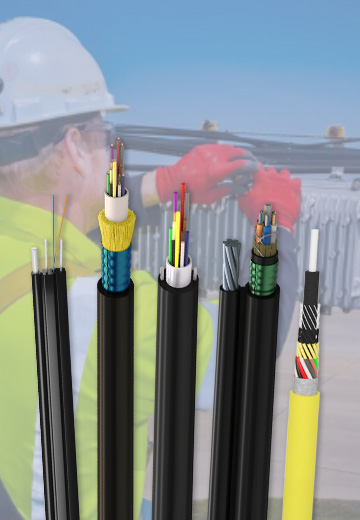
| Aerial distribution to villages / suburbs | GYXTC8Y / GYXTC8S, ADSS | Integrated messenger, UV-resistant PE sheath, high tensile strength | Reduces pole hardware, simplifies installation, resists wind and ice loads |
| Metro ODN in ducts / manholes | GYTA / GYTS | Loose tube, water-blocking, steel tape or armor options | Stable long-term performance in ducts with moderate mechanical stress |
| Direct-buried trunk and harsh routes | GYTA53 / GYTY53 | Corrugated steel, dual sheath, high crush resistance | Protects against stones, rodents and construction-related damage |
| FTTH last drop (outdoor to indoor) | GJXH / GJYXCH / GJXFH FTTH Drop | G.657.A2 fiber, LSZH or outdoor PE, metallic or non-metallic strength | Handles tight bends, building entry and indoor routing safely |
| FTTR room-by-room fiber | Micro-diameter / transparent G.657.A2 indoor cable | Ultra-small OD, very low bend radius, aesthetic installation | Enables “invisible” fiber paths along walls, ceilings and furniture edges |
If the environment is harsh (buried, exposed to UV, vibration, or rodents), invest in higher-grade cable and mechanical protection first. Optics can be swapped in years; the cable in the ground usually cannot.
■ 5) Deployment, O&M and Risk Control
A technically perfect design can still fail in the field if construction quality, documentation and maintenance processes are weak. For FTTx, FTTH and FTTR projects, most avoidable failures come from bending, pulling and sealing, not from the fiber itself.
5.1 Typical Failure Modes Engineers Should Watch
| Failure Mode | Root Cause | Impact on Network | Mitigation |
|---|---|---|---|
| Excessive bend at entry / corner | Routing without respecting minimum bend radius | Hidden attenuation, intermittent faults | Use G.657.A2, guides and labels; train installers |
| Water ingress in closure | Improper sealing, unclean gel, bad ports choice | Progressive attenuation, corrosion, outages | Use certified closures and correct accessories; pressure test if possible |
| Over-tension during pulling | No tension control, improper lubrication | Micro-cracks in fiber, performance degradation | Respect max pulling load in datasheet; use rollers and lubricants |
| Documentation mismatch | Poor as-built records, missing test data | Slow troubleshooting, high truck roll cost | Standardize OTDR reports, label ODF/closures, maintain updated GIS |
Most OPEX on a fiber network comes from truck rolls, not equipment. Clear design rules, correct cable choice and consistent construction standards reduce lifetime faults far more than “saving” a few percent on material cost.
■ 6) Decision Rules / Engineer's Shortcut
This section condenses the article into simple decision rules that engineers and procurement teams can apply directly when specifying FTTx, FTTH and FTTR components for new or upgrade projects.
6.1 Quick Architecture Choice
| If Your Project Looks Like... | Prefer This Architecture | Reason / Rule of Thumb |
|---|---|---|
| New urban residential area >3,000 homes | FTTH + scalable PON (XGS-PON → 50G-PON-ready) | Design once, upgrade optics later; avoid copper last mile entirely |
| High-end apartments, Wi-Fi 6/7 and smart home in scope | FTTH + FTTR (fiber to key rooms) | Guarantees coverage and multi-user concurrency for 5–10 years |
| Mixed legacy copper with limited budget | FTTC / FTTN with clear migration path to FTTH | Upgrade cabinets and fiber now, keep short copper loops temporarily |
| Campus / industrial park with AI / edge workloads | Full fiber, XGS-PON or 50G-PON, plus dedicated dark fiber where needed | Latency and throughput demand justify all-fiber and higher-grade cable types |
6.2 Cable Selection in One Glance
If the route is exposed to sun, wind or mechanical stress → think ADSS / self-supporting.
If the route is underground without ducts → think armored (GYTA53 / GYTY53).
If the route is inside the building or room-level → think G.657.A2 FTTH / FTTR micro-cables.
■ 7) Conclusion & Next Steps
In 2026, the conversation has shifted from “fiber or copper” to “how deep should fiber go, and how soon?”. FTTx provides the overall framework; FTTH delivers a stable optical path into the home or building; FTTR completes the story by eliminating Wi-Fi blind spots and enabling room-level gigabit and low-latency service.
For network operators, system integrators and project owners, the safest strategy is to design the physical layer and ODN as if higher-generation PON, AI workloads and dense Wi-Fi 6/7 deployments are inevitable. The marginal cost of better cable, better protection and cleaner construction is small compared with the cost of ripping and replacing an access network that was “optimized” only for the first 3–5 years.
Specify ODN and cable types with a 10–15 year horizon, including 50G-PON readiness.
Adopt FTTH + FTTR for high-value residential and smart building projects to avoid repeat indoor upgrades.
Use scenario-specific cables from ZION COMMUNICATION (ADSS / GYTA / GYTA53 / FTTH Drop / FTTR micro-cables) to reduce long-term failure risk.
Ready to Specify Your FTTx / FTTH / FTTR Cables?
Share your route maps, installation environment (aerial, duct, direct burial, indoor / FTTR) and target PON technology with ZION COMMUNICATION. Our team will help you choose the optimal cable constructions and accessories to balance CAPEX, OPEX and upgrade flexibility.



 Fiber Optic Tools
Products 6 families
Solutions 6 markets
Resources Tools & docs
Certificate
Certification and compliance references for project review, qualification and purchasing documentation.

 Fiber Optic CableAccess and backbone
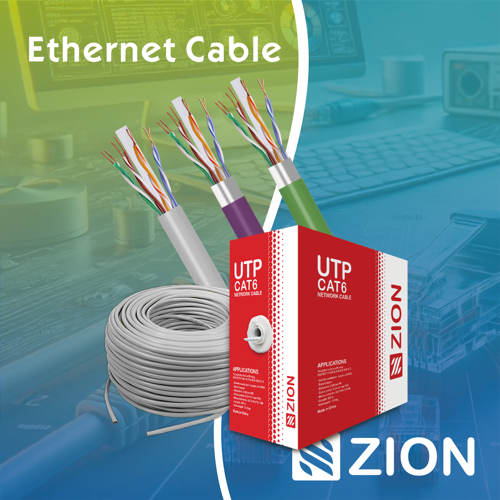 Ethernet CableCat5e to Cat8
 Coaxial CableRF and video signal
 Fire, Security & AlarmSafety systems
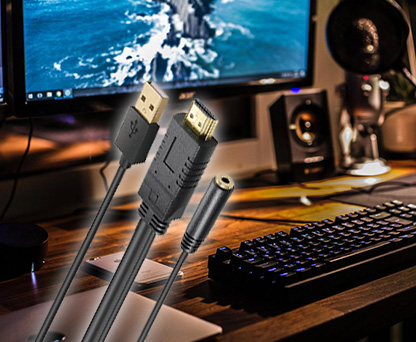 Voice, Audio & VideoSignal cabling
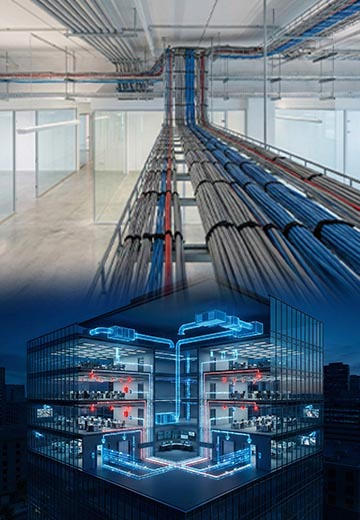 Power & Control CableEnergy and control
Fiber optic cable systems
Outdoor, indoor, FTTH and distribution cable lines for access networks, backbone routes and campus deployments.
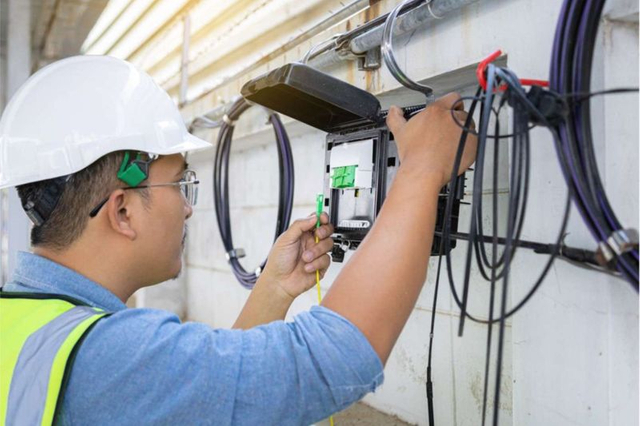 Telecom & ISP NetworksFTTH, PON, ODN
  Data Center InfrastructureServer room cabling
  Building Low-Voltage SystemsBMS, AV, weak current
 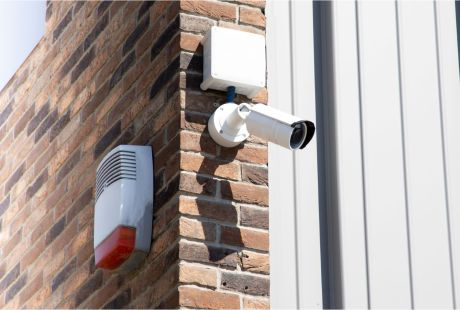 Security & Fire ProtectionAlarm, CCTV, access
  Industrial Automation CablePLC, RS485, fieldbus
 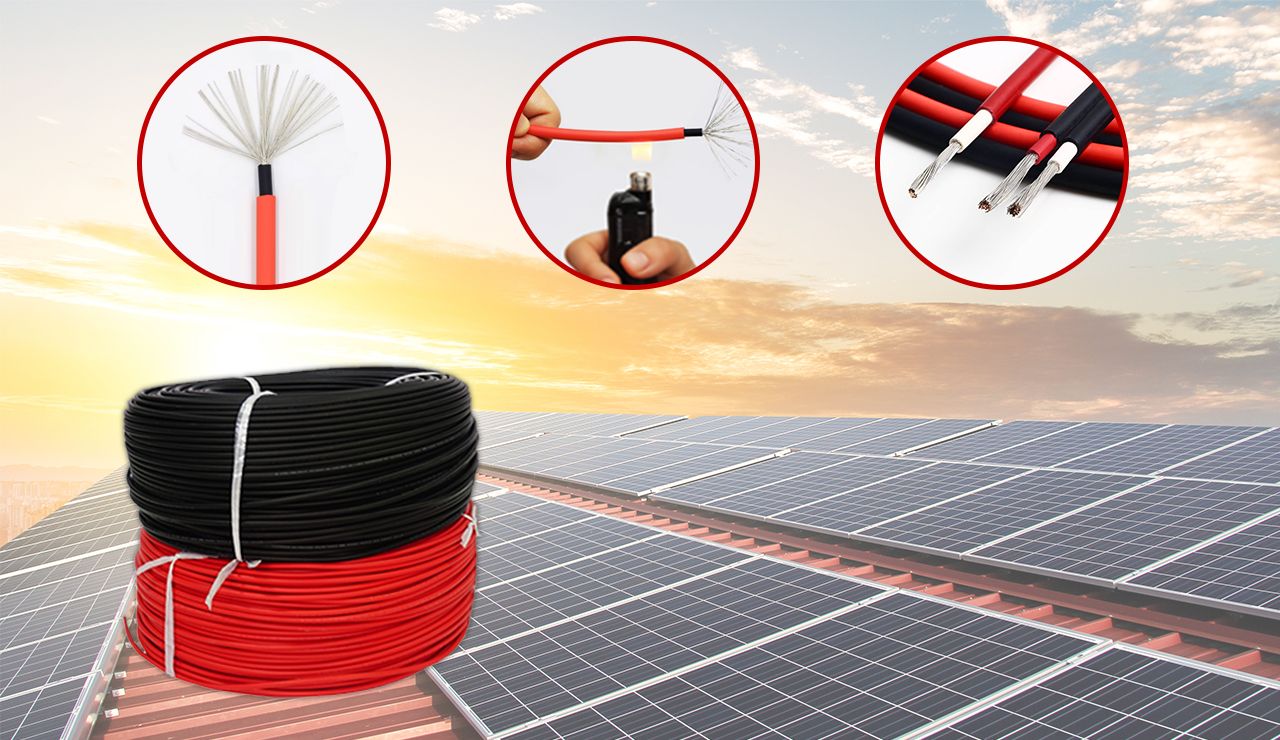 Energy & Power InfrastructureSolar, battery, power
 Telecom & ISP Networks
For FTTH / PON access, outdoor fiber deployment, aerial routes, duct routes, direct burial routes, rural broadband and ODN planning.
Tools
Use calculators and planning tools for conduit capacity, PoE voltage drop and fiber optic link loss budget work.