What Is an FPV Optical Fiber Kit and How It Works
Author: James Publish Time: 05-11-2025 Origin: Site
■ Introduction: The New Era of Drone Connectivity
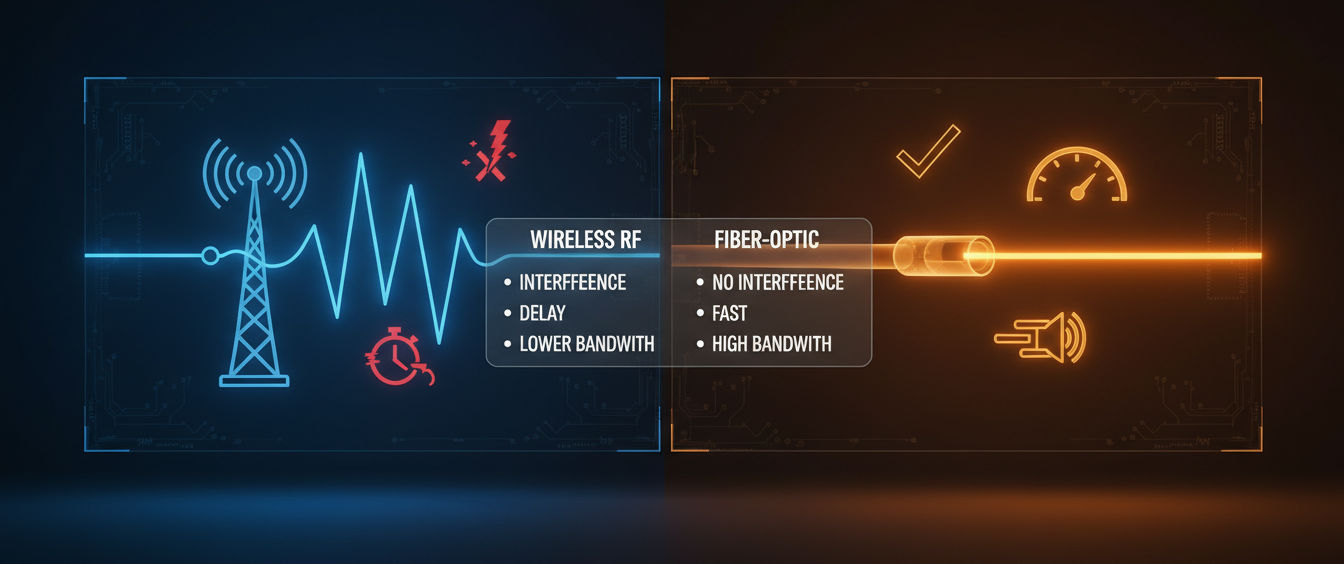
In the case that drone technology expands into cinematography, inspection, and defense, real-time transmission has become a necessity. Wireless RF links often, instead of working seamlessly, face challenges with interference, signal delay, and low bandwidth—especially in urban or electromagnetic-dense areas. ZION’s FPV Optical Fiber Kit is a kit that combines lightweight fiber reels with high-precision connectors, enabling nonstop, stable, and high-bandwidth FPV use.
■ What’s Inside an FPV Optical Fiber Kit
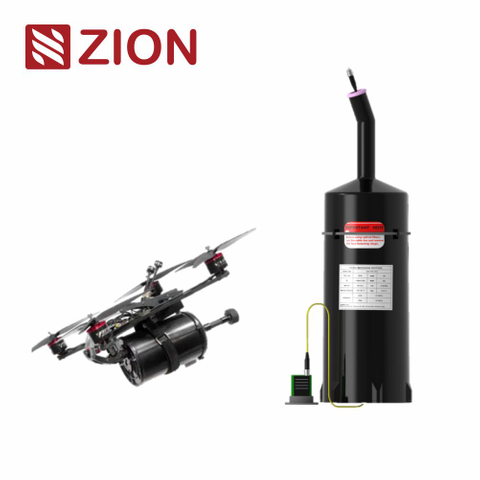
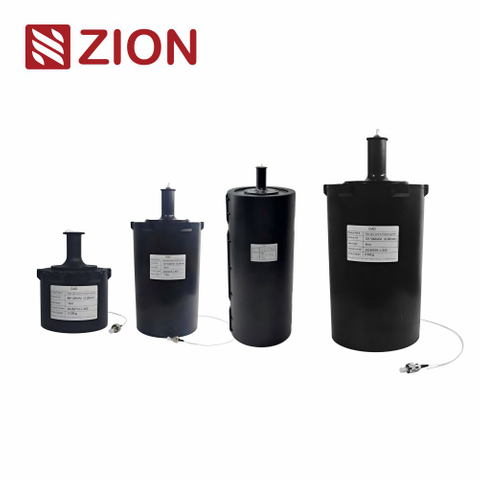
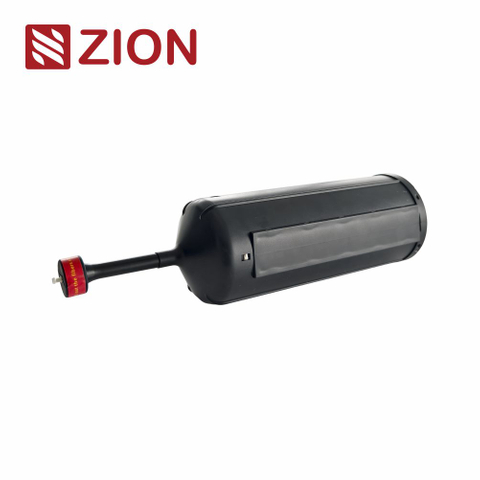
An ordinary FPV optical fiber kit is actually made up of three main components, which ensure its performance and durability:
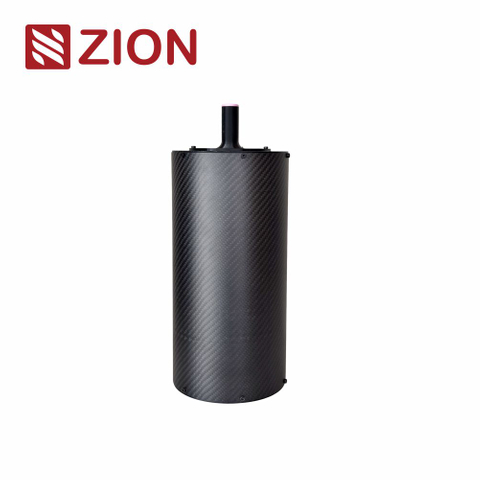
Fiber Reel (Optical Spool):
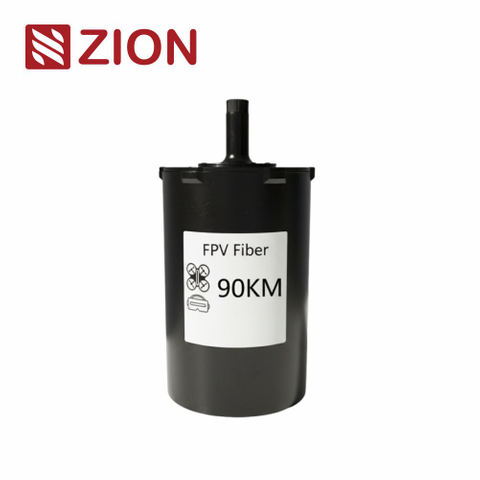
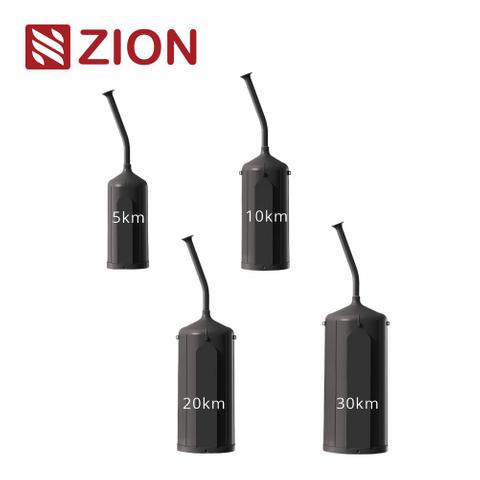
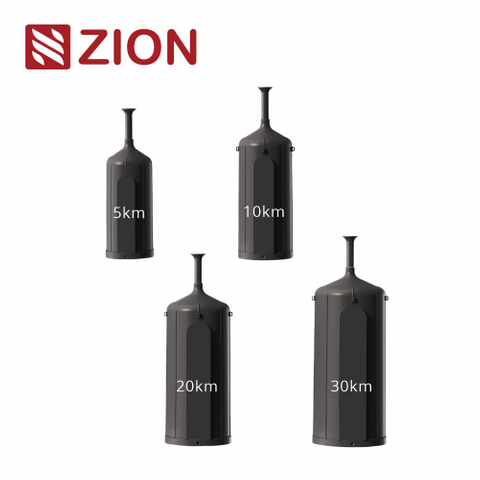
It is an integrated reel consisting of 5–30 km of G.657A2 bend-insensitive fiber. Constructed with anti-tangle geometry and consistent motion control during UAV motion carrying the payload, guaranteeing smooth deployment.Fiber Cable:
The fiber is ultra-thin with a diameter of 0.27 mm ± 0.1 mm. The coating is robust and supports mechanical stress while maintaining low attenuation: ≤ 0.35 dB/km at 1310 nm and ≤ 0.25 dB/km at 1550 nm.Connectors and Protective Housing:
SC/LC/FC/ST connectors enable interchangeable, secure, and low-loss coupling between the reel and ground station. The housing—made of ABS or aluminum—protects against vibration, dust, and impact during flight.
These components assist in creating a dependable, plug-and-play transmission system that the unmanned aircraft can use for data and command exchange.
■ How Optical Transmission Works in FPV Systems
Unlike radio waves, which rely on modulation through the air, fiber optics transmit information using light pulses through a glass core. This physical principle eliminates electromagnetic interference and drastically reduces latency.
The data path includes:
Ground Station Interface – Optical transceivers convert video and control signals into light.
Fiber Transmission – G.657A2 fiber carries the light signals over long distances.
Drone-Side Receiver – The optical signal is re-converted to electrical form for onboard processing.
Because the fiber guides light with total internal reflection, the communication achieves zero interference, virtually zero latency, and gigabit-class bandwidth.

■ Optical Fiber vs. Wireless: Why It Matters
Parameter | Wireless RF Transmission | Fiber-Optic Transmission |
Latency | 10–100 ms typical | Near-zero (< 1 ms) |
Bandwidth | Limited by frequency allocation | 10 Gbps + |
Interference Resistance | Affected by noise & obstacles | Immune to EM/RF interference |
Range Stability | Degrades with distance | Stable up to 30 km |
Weight Impact | Requires heavy power amps | Lightweight fiber reel (< 100 g/km) |
For high-precision applications such as long-endurance FPV filming, security surveillance, or scientific tethered drones, fiber optics offer a decisive advantage.
■ ZION’s Engineering for Lightweight & Reliable Performance
ZION’s FPV Optical Fiber Kits incorporate decades of communication cable expertise:
Ultra-Lightweight Design:
Using micro-diameter G.657A2 fibers, total reel mass is minimized—ideal for drones with payloads as low as 1 kg.
Anti-Tangle Reel Structure:
Precision internal geometry prevents cross-layer entanglement during rapid deployment or retraction, ensuring stable tethered flight.
Industrial-Grade Reliability:
Operating temperature range: −40 °C to +85 °C—suitable for desert, arctic, and high-altitude missions.
Connector Precision:
Factory-polished connectors undergo strict quality control to maintain insertion loss below 0.3 dB.
These specifications are vital for any professional drone operation where mission success depends on guaranteed connection quality.
■ Real-World Applications
Aerial Cinematography: Reliable 4K/8K live streaming free of RF interference.
Public Safety & Defense: Secure, tamper-proof video relay to command centers.
Scientific Research: Tethered drone experiments in high-EM environments requiring uninterrupted data integrity.
In every scenario, optical fiber delivers unmatched dependability, security, and precision.

■ Conclusion: Reliable Connectivity, Elevated Flight
ZION’s FPV Optical Fiber Kit defines the future of drone data-link technology. By fusing optical transmission with aerospace-grade engineering, it empowers pilots and professionals to execute longer, safer, and more capable missions—where every pixel and every signal counts.
FPV Fiber Solution — Quick Product Access
Switch tabs to compare and open each model page quickly. Built for mobile browsing and customer selection.



Contact us for more information

James is a technical manager and associate at Zion Communication.
Specializes in Optical Fiber communications, FTTH Solutions,
Fiber optic cables, ADSS cable, and ODN networks.
james@zion-communication.com
+86 13777460328