FPV Fiber Optic Spools for UAV and FPV Drone Tether Systems
FPV fiber optic spools carry and release a physical optical link as a UAV flies, giving integrators an alternative to an RF-only connection. This series covers disposable, guarded, inner-winding, micro-line and drum structures from 1 km to 90 km. Start with mission distance, aircraft payload and payout geometry, then confirm the fiber, connector and complete transmission system.
Which FPV Fiber Optic Spool Fits Your UAV?
Choose the structure before comparing secondary options. Short disposable reels simplify replacement; guarded and standard release kits cover common field distances; inner-winding, micro-line and drum designs address compact packaging, lower drag or longer runs. The ten product pages below define the available series.
FO-0.25-15
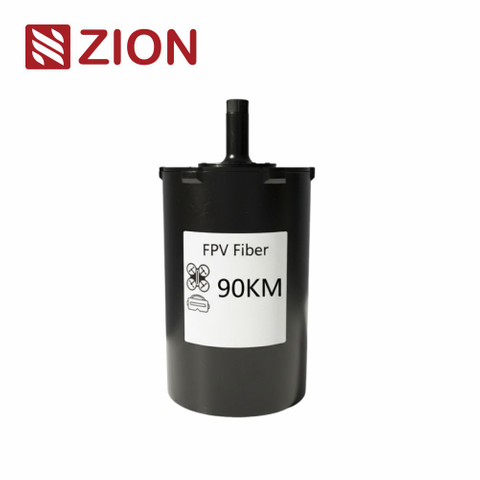
90 km FPV Drone Fiber Optic Spool
A 90,000 m continuous G.657A2 spool with 0.25 ± 0.01 mm fiber and FC/FC interface. Consider it when maximum stated reach is the first filter; confirm the full link budget and aircraft payload.
An ABS drum platform with standard 5–40 km length options and two housing sizes. Consider it for a protected external drum; confirm the selected length, fiber diameter, connector and mounting interface.
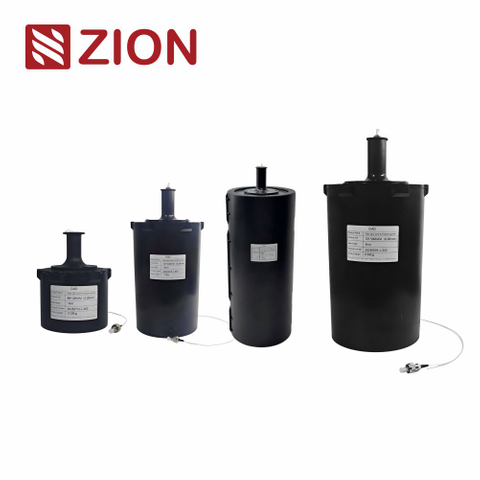
A G.657A2 release kit offered in 5, 10, 15, 20 and 30 km lengths with optional SC, LC, FC or ST connectors. Consider it for a general multi-length platform; confirm connector orientation and integration hardware.
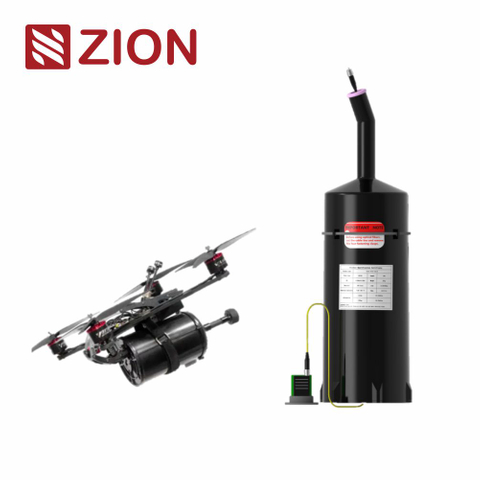
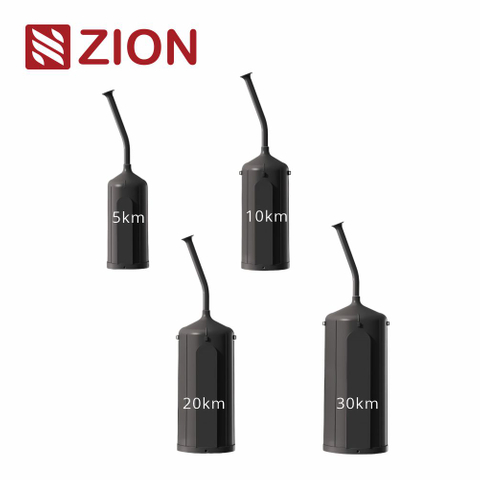
A guarded reel with a curved aluminum-alloy outlet and 5, 10, 20 or 30 km configurations. Consider it when managing the payout path near the aircraft matters; verify clearance on the actual airframe.
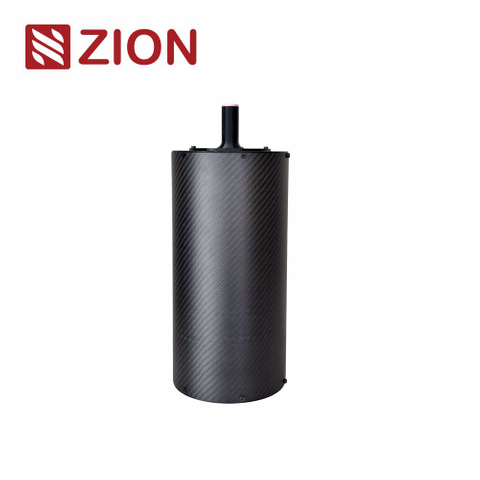
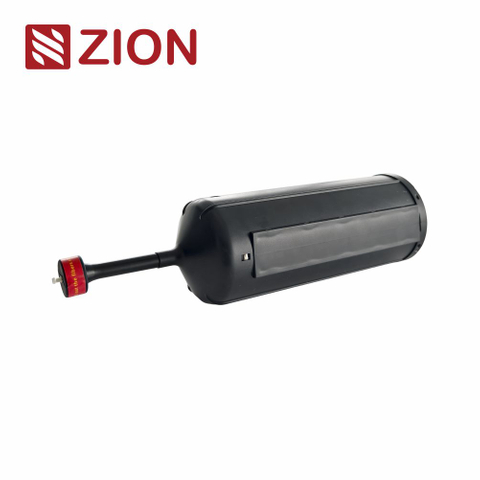
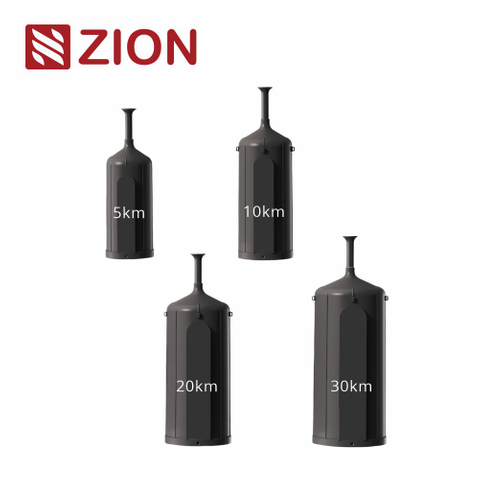
A straight cylindrical guard structure with 5, 10, 20 and 30 km G.657A2 options. Consider it when external reinforcement is preferred; confirm housing dimensions, mounting load and IP65 requirements for the selected version.
An enclosed 1-core inner-winding series spanning 1–60 km with 0.23 mm bend-insensitive fiber and fixed FC connection. Consider it for a compact long-range package; match weight and dimensions to the aircraft.
A 1–50 km series using 0.28–0.40 mm resin-coated or Kevlar-reinforced micro fiber. Consider it for weight- and drag-sensitive platforms; select coating, diameter and tensile requirements for the mission.
An ultra-micro 1–50 km G657A2 spool family with 0.28–0.40 mm resin-coated or Kevlar-reinforced options. Consider it when fiber construction is the main decision; confirm reel geometry and connector termination.
A fully enclosed G.657A2 capsule offered in 5, 10, 20 and 30 km versions. Consider it when protected internal storage and compact external geometry matter; verify mounting, connector and environmental requirements.
A short-range disposable spool using 0.28 mm G657A2 fiber in 1, 2 and 3 km versions. Consider it when simple replacement and compact distance coverage matter; confirm termination and system compatibility.
Start with the constraint that can stop the mission: range, payload, payout path or environmental exposure. Connector choice comes later because the same connector does not prove that two complete transmission systems are compatible.
How far must it run?
Choose a model whose stated length covers the planned route with engineering margin. The series spans 1–90 km, but every structure has its own range; longer fiber also changes carried mass, spool dimensions and optical loss.
How much can the UAV carry?
Use the aircraft payload budget, not fiber diameter alone. Include the fiber, empty housing, mounting bracket, connectors and optical module, then keep enough margin for safe flight performance.
Which payout structure?
Choose Curve Guard when the curved outlet helps route fiber near the airframe, Tube Guard or Standard Drum when external protection is important, and Inner Winding or Capsule when a more enclosed package is preferred. Validate clearance and mounting on the actual UAV.
Resin or Kevlar reinforcement?
Resin-coated micro fiber prioritizes a small, flexible construction; Kevlar-reinforced options add mechanical support. Specify the required diameter, tensile load, abrasion exposure and minimum bend conditions instead of selecting by coating name alone.
Do you need a complete link?
A spool stores fiber; it does not by itself define video format, control protocol, data rate or latency. Confirm the air and ground optical modules, wavelength, connector polish, optical budget, power supply and device interfaces as one system.
Quick Comparison of FPV Fiber Optic Spool Structures
Use this table to narrow the structure, then open the linked product page for its exact configuration. Length ranges are product-page ranges, not a promise that every diameter, connector or housing is available at every length.
G.657A2 is bend-insensitive singlemode fiber, which helps limit bend-related loss where thin fiber follows compact or changing paths. It does not remove the need to manage tensile load, abrasion, connector loss, optical budget or the minimum bend limits of the complete assembly.
Treat the spool as one part of the link
For an RF-independent optical path, the spool must work with the selected air and ground modules. Ask for the wavelength, transmitter power, receiver sensitivity, total attenuation allowance, connector loss and test method before approving a long-distance configuration.
Where Are FPV Fiber Optic Spools Used?
These spools fit UAV and robotic platforms that need a physical optical data path where radio conditions are constrained. They are not a universal replacement for wireless systems: the aircraft must carry the spool, the route must allow safe fiber deployment, and the complete optical system must match the required signals.
Inspection routes
Useful for tunnels, pipelines, industrial corridors and infrastructure inspection where the route permits controlled fiber payout. Confirm snag points, bend conditions and recovery or disposal requirements.
High-interference sites
A physical optical path can avoid dependence on the RF channel for the signals carried over fiber. It does not protect unrelated wireless functions such as GNSS or backup radio links.
Long-corridor monitoring
Longer drum and inner-winding versions can support extended routes when aircraft payload and optical budget allow. Do not choose distance from the name alone; use the exact model table and link calculation.
Robotics and ground systems
Micro-line spools may also fit mobile robots and other inspection platforms. Match the payout direction, vibration, abrasion and connector protection to the vehicle rather than assuming a UAV reel transfers unchanged.
Frequently Asked Questions
What is an FPV fiber optic spool?
It is a reel or canister that stores thin optical fiber and releases it as the aircraft or vehicle moves. The fiber provides the physical path, while separate optical modules convert video, control or data signals for transmission.
What is the difference between Curve Guard, Tube Guard and Inner Winding?
The main difference is how the housing controls and protects the payout path. Curve Guard uses a curved outlet, Tube Guard uses a straight cylindrical guard, and Inner Winding stores fiber in a more enclosed structure; final selection still depends on aircraft clearance, mass and distance.
Does a fiber optic spool guarantee HD or 4K video?
No. The spool alone does not define the video standard or data rate. The air and ground modules, interfaces, encoding, wavelength, optical budget and device compatibility must support the required video and control signals.
Can I select a 90 km spool only from the distance label?
No. A 90 km spool also requires a payload check, optical loss calculation, compatible FC interfaces and a route that permits safe payout. Confirm the complete system and operating conditions before specifying the longest version.
Which connector should I request?
Request the connector required by the selected optical modules and loss budget. SC, LC, FC and ST appear across the series, while some inner-winding versions specify FC; also confirm polish, direction, adapter arrangement and field protection.
RFQ Checklist for a UAV Fiber Optic Spool
A useful RFQ defines the aircraft, mission and complete optical link. Provide the following information so the spool structure and version can be checked together.
Aircraft or vehicle model, available payload, mounting space and spool orientation
Required fiber length, route profile, expected bends and whether the reel is disposable or reusable
Preferred structure: open release kit, Curve Guard, Tube Guard, Inner Winding, Capsule, Micro-Line or Standard Drum
Fiber type, outside diameter, coating or reinforcement, tensile and abrasion requirements
Air and ground optical modules, wavelength, transmitter power, receiver sensitivity and optical budget
Connector type, polish, direction and required adapters or protective hardware
Video, control and data interfaces; target data rate and latency at complete-system level








 Fiber Optic Cable
 Fiber Optic Tools
 Ethernet Cable
 Coaxial Cable
 Fire & Security Cable
 Voice, Audio & Video
 Power & Control Cable