Class 1 Solid Conductors
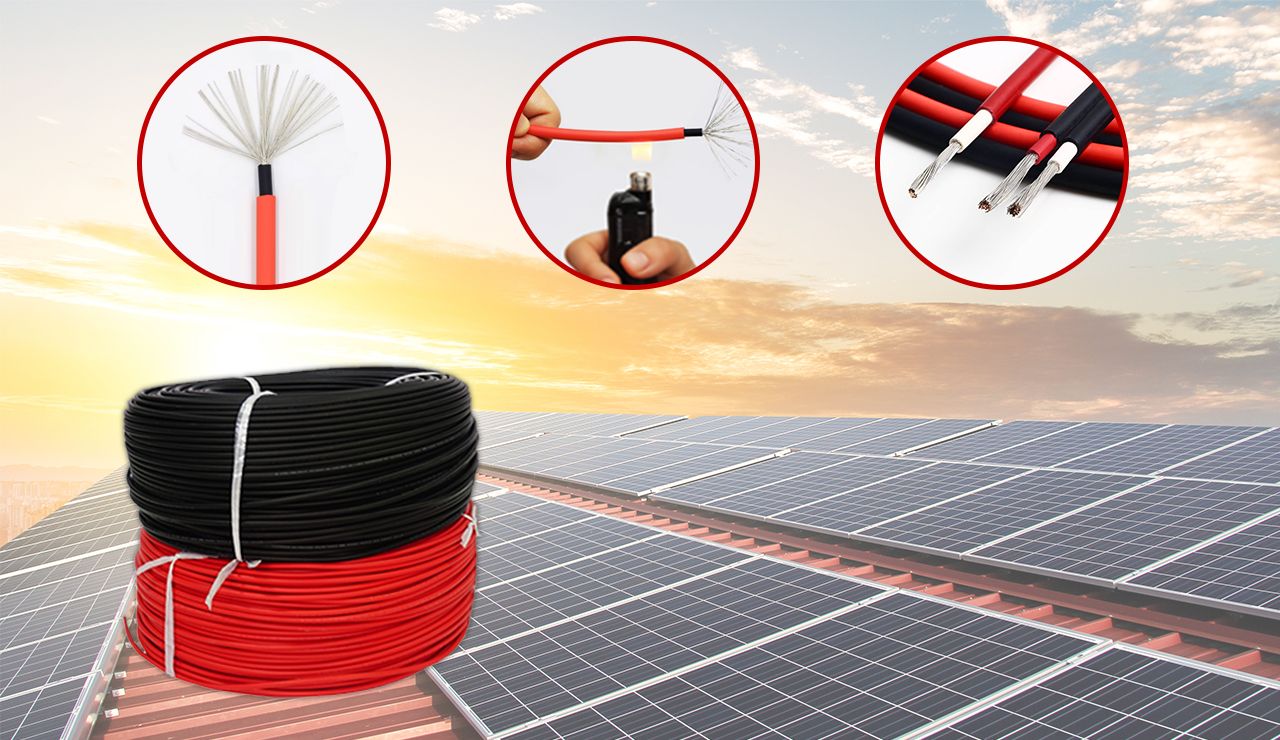
The catalog identifies Class 1 solid conductors as suitable for permanent installations with crimping terminations. These routes are typically stable and do not require repeated movement after installation.

Class 5 Flexible Conductors
Class 5 flexible conductors are preferred where vibration, movement, or reduced bending radius is present. ZION's EN 50200 PH120, BS 6387 CWZ, CPR Cca, EN 50200 PH30, and BS 7629 Standard 60 entries include Class 5 flexible versions.
| Installation Condition | Conductor Direction | Reason |
|---|---|---|
| Vibration | Class 5 flexible | Better fit for routes that may experience movement. |
| Reduced bending radius | Class 5 flexible | Easier handling in tighter cable paths. |
| Permanent crimping termination | Class 1 solid | Matches the catalog guidance for fixed installations. |
| Corrosive or high-temperature atmosphere | Tinned conductor | The catalog recommends tinned conductor in these conditions. |
When to Ask for Tinned Conductors
The construction notes state that a tinned conductor is recommended in corrosive atmospheres, high temperatures, or situations where soldering is necessary. This detail should be communicated early because it affects conductor specification rather than only the outer cable marking.

Conductor Data to Confirm
In product tables, conductor size appears as cross section in mm² for EN/BS/CPR families or AWG and conductor count for UL fire alarm cables. Tables also show nominal conductor construction such as 16×0.20 mm, 1×0.80 mm, or similar patterns. Confirm the row carefully before substituting between solid and flexible versions.
FAQ
Can Class 1 and Class 5 versions share the same fire rating?
Yes. The catalog lists solid and flexible versions under several fire resistant cable families, but installation behavior is different.
When should I discuss tinned conductors with ZION?
Discuss tinned conductors when the project involves corrosive atmosphere, high temperature, or soldering requirements.
Does bending radius only depend on conductor class?
No. Use the bending radius listed for the exact cable family, because the full cable construction and diameter also matter.



 Fiber Optic Cable
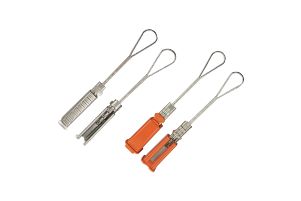 Fiber Optic Tools
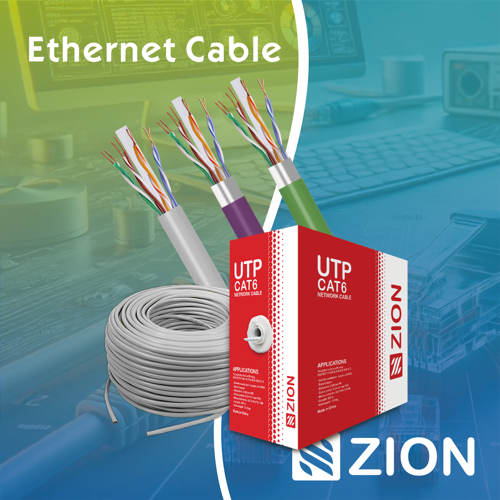 Ethernet Cable
 Coaxial Cable
 Fire & Security Cable
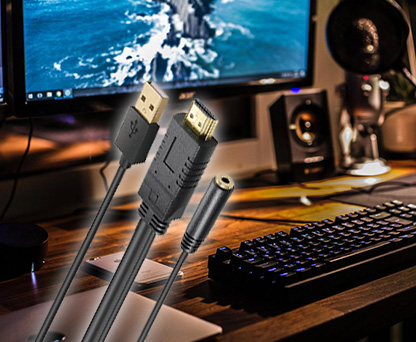 Voice, Audio & Video
 Power & Control Cable