Cable & Wire | High quality and excellent service at reasonable prices.
info@zion-communication.com
Please Select Product Type Please Select Product Type
  • Optical Fiber Cable
    • ADSS cable
      • ADSS Single jacket
        • ADSS 80M Single Sheath

            No classification

        • ADSS 100M Single Sheath

            No classification

        • ADSS 120M Single Sheath

            No classification

      • ADSS Double sheath

          No classification

    • FTTH Drop Cable

        No classification

    • FTTH Drop Optic Patchcord

        No classification

    • Aerial Installation

        No classification

    • OPGW

        No classification

    • Duct Installation

        No classification

    • Direct Buried

        No classification

    • Air Blown Micro

        No classification

    • Cabling in Buildings

        No classification

    • Networks in Rural Areas

        No classification

    • Route Shortage

        No classification

    • Distributed Base Stations

        No classification

    • Biological Protection

        No classification

    • Fire-Resistance

        No classification

    • Fiber Optic Tether System
      • FPV Drone

          No classification

      • FPV Drone Optical Fiber Kit

          No classification

      • Fiber Optic Guidance Wire

          No classification

  • Fiber Optic Tools
    • Fiber Optic Installation Tools/Accessories/Fittings
      • ADSS Cable Guy Grips

          No classification

      • ADSS Cable Suspension Grips

          No classification

      • OPGW Cable Guy Grips

          No classification

      • OPGW Cable Suspension Grips

          No classification

      • Stainless steel strip &buckle

          No classification

      • Stainless Banding Tool

          No classification

      • Aluminum hoop&Pole Bracket

          No classification

      • Hoop Retractor&Pole Brackets

          No classification

      • Fittings

          No classification

      • Immobility Clamp

          No classification

    • FTTH Fiber Optic Tools
      • FTTH stainless steel flat drop cable clamp

          No classification

      • FTTH nylon cable flat drop cable clamp

          No classification

      • FTTH combination flat drop cable clamp

          No classification

      • FTTH Hook

          No classification

      • FTTX ADSS Suspension clamp

          No classification

      • FTTX ADSS Tension clamp

          No classification

    • Fiber Termination Tools

        No classification

    • Fiber Optic Test Tools

        No classification

    • OTDR Accessories

        No classification

    • Fiber Optic Cleaning Tools

        No classification

  • LAN/Ethernet Cable
    • CAT8

        No classification

    • CAT7 / CAT7A
      • CAT7

          No classification

      • CAT7A

          No classification

    • CAT6A
      • U/UTP

          No classification

      • U/FTP

          No classification

      • F/UTP

          No classification

      • F/FTP

          No classification

      • S/FTP

          No classification

      • CAT6A AMOUR/CST

          No classification

    • CAT6
      • U/UTP

          No classification

      • F/UTP

          No classification

      • SF/UTP

          No classification

      • Dual

          No classification

      • Armour CAT6

          No classification

    • CAT5E
      • U/UTP

          No classification

      • F/UTP

          No classification

      • SF/UTP

          No classification

      • Dual

          No classification

    • Copper Patch Cord Cable
      • CAT5E

          No classification

      • CAT6

          No classification

      • CAT6A

          No classification

      • CAT7

          No classification

      • CAT7A

          No classification

      • CAT8

          No classification

      • Special type

          No classification

    • Ethernet Plenum Cable

        No classification

    • Network Cable

        No classification

    • Copper Trunk Cable

        No classification

    • Direct-Burial Outdoor Ethernet Cables

        No classification

  • Coaxial Cable
    • Low Loss Cable

        No classification

    • RF Corrugated Coax Cable
      • 1/4"

          No classification

      • 3/8"

          No classification

      • 1/2"

          No classification

      • 7/8"

          No classification

      • 1 1/4"

          No classification

      • 1 5/8"

          No classification

    • Radiating Leaky Coaxial Cable

        No classification

    • RG MIL-C-17 Cable

        No classification

    • PTFE-FEP Coaxial Cable

        No classification

    • D-FB Coax Cable
      • D-FB cable

          No classification

      • Connectors for D-FB cable

          No classification

      • Grounding Kit, Clamp, Weatherproof for D-FB cable

          No classification

    • 75 ohm Coaxial Cable
      • RG6 coax cable
        • RG6 S

            No classification

        • RG6 Tri

            No classification

        • RG6 Q

            No classification

        • RG6 Dual

            No classification

      • RG59 coax cable
        • RG59 S

            No classification

        • RG59 Tri

            No classification

        • RG59 Q

            No classification

      • RG11
        • RG11 S

            No classification

        • RG11 Tri

            No classification

        • RG11 Q

            No classification

      • SAT coax cable

          No classification

      • HD coaxial cable

          No classification

      • VHF Leaky Feeder Cable

          No classification

      • Trunk cable/Hardline cable
        • PS

            No classification

        • QR

            No classification

      • CT coax cable

          No classification

      • KX coax cable

          No classification

      • VATC coax cable

          No classification

      • PK75 coax cable

          No classification

    • Plenum Coaxial Cable

        No classification

    • EN 50117 Coaxial Cable
      • Broadband double shield SA Class A++ >105dB

          No classification

      • Broadband Triple shield SA Class A++ >105dB

          No classification

      • Digital Drop shield SA Class A+>95dB

          No classification

      • Digital Drop shield SA Class A>85dB

          No classification

    • Coaxial Jumper Cables
      • 1/2" Super Flex Jumper Cable

          No classification

      • 1/2" Feeder Jumper Cable

          No classification

      • 3/8" Super Flex Jumper Cable

          No classification

      • 1/4" Super Flex Jumper Cable

          No classification

      • RG141 Jumper Cable

          No classification

      • RG142 Jumer Cable

          No classification

      • RG58 Jumper Cable

          No classification

    • 50 Ohm Coaxial Cable

        No classification

    • Semi-Flexible Series Cable

        No classification

  • Fire, Security & Alarm Cable
    • Fire Cables

        No classification

    • Fire Resistance Cable
      • EN50200 PH30 Cable

          No classification

      • EN50200 PH120 Cable

          No classification

      • JB-Fire Alarm Cable

          No classification

      • Standard BS 6387 Cable

          No classification

      • Standard BS 7629 Cable

          No classification

      • FRLS & FRFH
        • FRLS & FRFH Unshielded

            No classification

        • FRLS & FRFH Shielded

            No classification

      • Silicon Insulation

          No classification

    • Fire Alarm Cable
      • UL Fire alarm cable-MENA

          No classification

      • UL 1424 FPL Unshielded

          No classification

      • UL 1424 FPLR Unshielded

          No classification

      • UL 1424 FPLP Unshielded

          No classification

      • UL 1424 FPL Shielded

          No classification

      • UL 1424 FPLR Shielded

          No classification

      • UL 1424 FPLP Shielded

          No classification

      • UL 1424 Solid
        • UL 1424 Solid S

            No classification

        • UL 1424 Solid U

            No classification

      • UL 1424 Stranded
        • UL 1424 Stranded U

            No classification

        • UL 1424 Stranded S

            No classification

      • UL Standard

          No classification

    • CCTV Surveillance Cable
      • Global coax with power
        • RG59+2c

            No classification

        • RG6+2c

            No classification

        • Other

            No classification

      • LAN cable with power

          No classification

      • Europe Coax+2c
        • КВК-В-1,5

            No classification

        • КВК-В-2Э

            No classification

        • КВК-П-1,5

            No classification

        • КВК-П-2Э

            No classification

      • OEM coax with power
        • HD

            No classification

        • PTZ

            No classification

        • RG59

            No classification

        • MENA

            No classification

      • RG6 CCTV

          No classification

      • RG59 CCTV

          No classification

      • RG11 CCTV

          No classification

      • PK75 CCTV
        • Паракс РК 75-2-110

            No classification

        • Паракс РК 75-2-111

            No classification

        • Паракс РК 75-2-122

            No classification

        • Паракс РК 75-2-13M

            No classification

        • Паракс РК 75-2-310

            No classification

        • Паракс РК 75-2-311

            No classification

        • Паракс РК 75-3-313 нг(А)

            No classification

        • Паракс РК 75-3-314 нг(А)

            No classification

        • Паракс РК 75-3-315 нг(А)

            No classification

        • Паракс РК 75-3-316 нг(А)

            No classification

        • Паракс РК 75-3-32

            No classification

        • Паракс РК 75-3-322

            No classification

      • JIS C CCTV

          No classification

      • MINI CCTV

          No classification

      • Other

          No classification

    • Burglar Alarm cable
      • Alarm, signal cable

          No classification

      • Mylar Pair Cable

          No classification

      • Solid Cond. global alarm cable

          No classification

      • Stranded Cond.unshielded global alarm cable

          No classification

      • Stranded Cond.shielded global alarm cable

          No classification

      • UL Standard security,sound, alarm cable

          No classification

      • General Purpose

          No classification

    • Access Control Cable

        No classification

    • Fire Alarm System
      • Cables De Alarma Incendio

          No classification

      • Cabos De Alarme De IncÊndio

          No classification

    • Lutron Cables

        No classification

    • Plenum Security Cables

        No classification

  • Voice, Audio & Video Cable
    • Flat Telephone Cable

        No classification

    • Circular Audio Speaker Cable

        No classification

    • Circular Shielded Audio Cable

        No classification

    • Multicore Circular Speaker Cable

        No classification

    • Parallel Speaker Cable

        No classification

    • Media Composite Cable

        No classification

    • Coax Jumper Cable/F Type Cable

        No classification

    • Audio Speaker Cable

        No classification

    • Audio XLR Cable

        No classification

    • HDMI
      • HDMI Cable

          No classification

      • HDMI Extender

          No classification

    • DisplayPort Cable

        No classification

    • DVI Cable

        No classification

    • VGA Cable

        No classification

    • Adaptors

        No classification

  • Universal Serial Bus
    • USB C Cable

        No classification

    • USB C Converter

        No classification

    • USB Cable

        No classification

    • USB Hub

        No classification

    • USB to Serial Cable

        No classification

    • USB Bluetooth/Network/Sound Adapter

        No classification

  • Control Cable
    • Fieldbus Cable

        No classification

    • Industrial Ethernet Cable

        No classification

    • PROFINET Cable

        No classification

    • Marine LAN Cable

        No classification

    • Flexible Control Cable

        No classification

    • Chain Cable

        No classification

    • SERVO Motor Cables

        No classification

    • Robotics Cables

        No classification

  • Power & Control Cable
    • Solar Cable
      • H1Z2Z2-1 Single

          No classification

      • H1Z2Z2-1 Twin

          No classification

      • UL4703

          No classification

      • TUV 2 pfG 2642/01.22

          No classification

      • Material

          No classification

    • Battery Cable

        No classification

    • General Power Cable

        No classification

    • KNX Cable

        No classification

    • LV Armoured Cable SWA & AWA

        No classification

    • Automotive cable
      • American Standard
        • American Standard Battery Wire

            No classification

        • American Standard Primary Wire

            No classification

        • American Standard-More Type Wire

            No classification

      • Germany Standard

          No classification

      • Japanese Standard

          No classification

    • High Temperature Cable
      • Silicone 180℃ cable

          No classification

      • Silicone 200℃ cable

          No classification

      • Silicone 450℃ cable

          No classification

    • Flex Control Cable

        No classification

    • Sensor & Actuator Cables

        No classification

    • Hook Up wire

        No classification

  • other
    • Cable Materials
      • CCA WIRE

          No classification

      • CCAM WIRE

          No classification

      • Aluminum Foil

          No classification

      • Al-Mg alloy wire

          No classification

      • CCS WIRE

          No classification

      • Enameled aluminum wire(EAL)

          No classification

      • Enameled copper clad aluminum wire (ECCA)

          No classification

      • Enameled copper wire(EC)

          No classification

      • TCCA WIRE

          No classification

      • TCCAM WIRE

          No classification

      • Galvanized Steel Wire

          No classification

      • Stranded Wire

          No classification

Please select

    Please select superior classification
Please select

    Please select superior classification
Please select

    Please select superior classification
Please select

    Please select superior classification
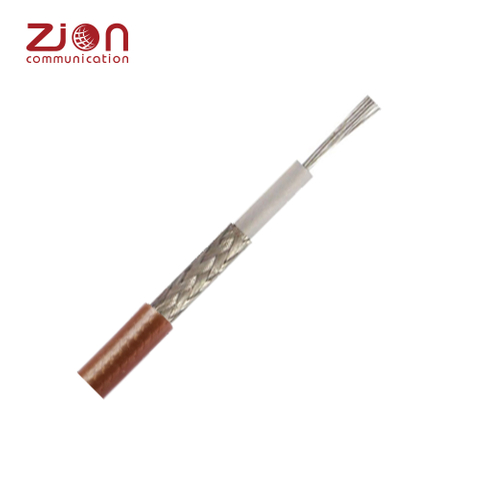
ZION Communication | High-Performance RF Coaxial Cable Guide

PTFE-FEP Coaxial Cable: High-Temperature, High-Reliability RF Cable Selection Guide for Aerospace, Military & Precision Electronics

This page helps engineers, buyers, and project managers evaluate PTFE-FEP coaxial cable by dielectric stability, temperature resistance, chemical durability, model family, connector compatibility, routing condition, and lifecycle risk—so fluoropolymer cable is selected for real operating thresholds instead of being treated as a generic RF upgrade.

RF EngineersAerospace BuyersMilitary Program TeamsProject ManagersLab & Test Teams  OEM Sourcing Teams
  • PTFE-FEP coaxial cable is chosen when the project needs stronger thermal stability, better dielectric performance, and higher chemical resistance than ordinary PE or PVC coax can provide.

  • The real decision thresholds are operating frequency, required temperature range, cable length, connector type, routing space, and whether the environment truly justifies fluoropolymer construction.

  • Buying fluoropolymer cable without checking actual service conditions often creates hidden costs through overspec, unnecessary material cost, connector mismatch, or wrong model selection.

1) What Is PTFE-FEP Coaxial Cable?

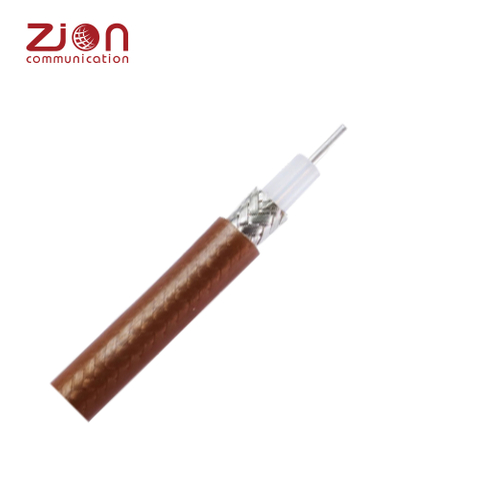
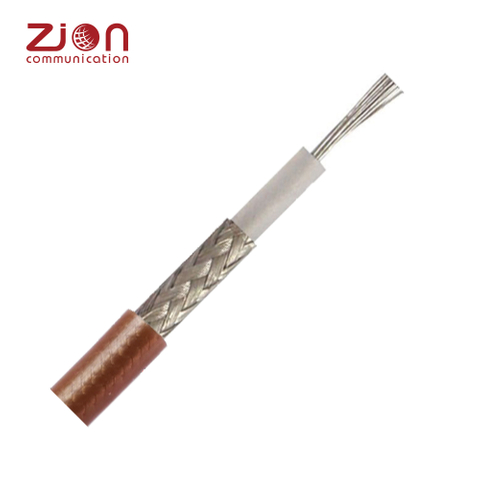
PTFE-FEP coaxial cable is a high-performance RF cable family typically built around fluoropolymer materials, commonly using PTFE as the dielectric insulation and FEP as the jacket. This material system is selected when the application needs stronger thermal resistance, better dielectric stability, and improved chemical durability than ordinary coaxial constructions can deliver.

On the ZION site, PTFE-FEP Coaxial Cable is positioned as a dedicated category under Coaxial Cable, separate from low loss cable, radiating cable, and general RG MIL-C-17 families. That classification matters because this is a material-driven selection category. In practice, engineers often choose it when the environment or performance threshold makes standard PE or PVC structures less reliable over time.

Why this category is selected by operating threshold, not by habit

Field Reality
Many RF projects say they need “high-performance coax,” but that description is too vague. In real selection work, PTFE-FEP cable is justified only when temperature, dielectric behavior, chemical exposure, or reliability requirement actually demands fluoropolymer construction.
Selection FactorWhy It MattersTypical Risk If IgnoredWhat to Confirm Early
Operating frequencyDetermines RF suitability and model practicalityUnexpected signal loss or wrong model familyWorking band and max frequency
Required temperature rangeMain reason fluoropolymer construction may be necessaryMaterial mismatch and shortened service lifeContinuous and peak operating temperature
Cable lengthAffects attenuation and model practicalitySmall cable chosen for a route that is too longActual installed length
Chemical / environmental exposureDrives whether PTFE-FEP structure has real valueOverbuying or underprotecting the cableIndustrial, aerospace, lab, marine, or harsh-use context
Connector and routing requirementAffects assembly, flexibility, and installation practicalityConnector mismatch or difficult routingConnector series, bend space, assembly use

2) What Is PTFE?

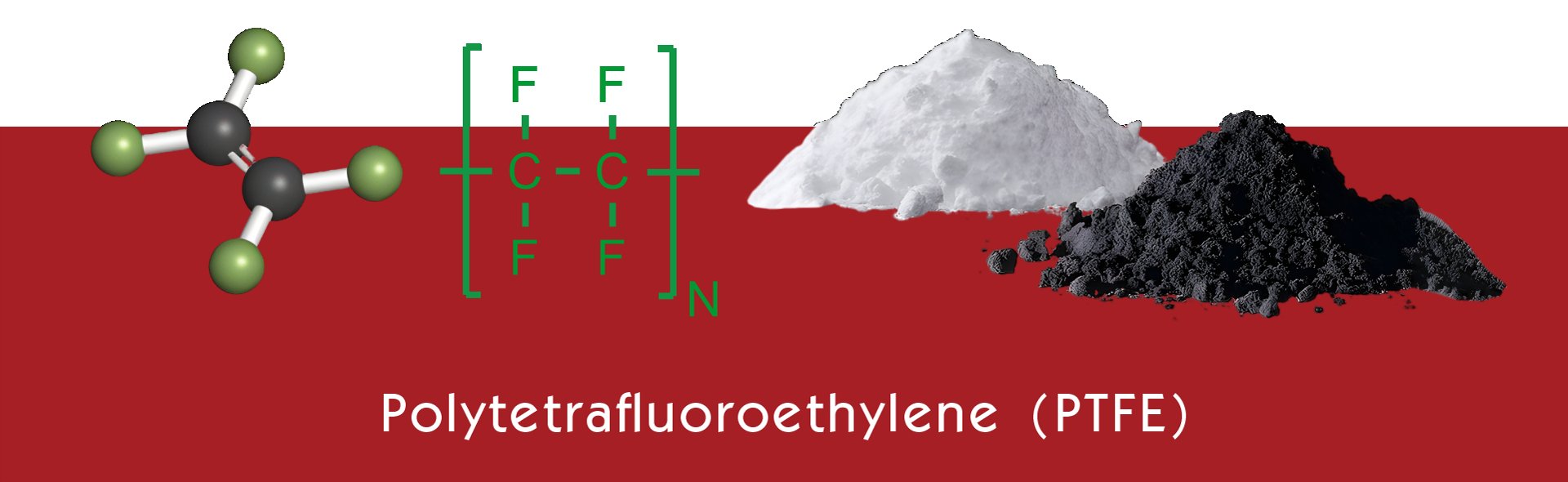
Polytetrafluoroethylene (PTFE) is a synthetic fluoropolymer of tetrafluoroethylene and belongs to the PFAS family. The most widely known commercial name for PTFE-based composition is Teflon, originally associated with DuPont and now Chemours.

In the wire and cable industry, PTFE is widely used as an insulation and jacketing material because of its high temperature resistance, chemical inertness, excellent electrical insulation properties, low friction, and durability. These characteristics make PTFE especially suitable for cable systems operating in industrial, military, aerospace, and other demanding environments.

Polytetrafluoroethylene (PTFE)

Material Identity
A fluoropolymer material widely used where ordinary insulation systems are not stable enough.
Cable Industry Role
Used for dielectric insulation, jacketing, or both in higher-performance RF cable families.
Project Value
Provides a more stable material platform for heat, chemicals, and demanding RF environments.

3) Benefits of PTFE in Coax Cables

PTFE is advantageous in coaxial cables because its low dielectric constant helps reduce electrostatic charge storage and interference, which supports better signal integrity, especially at higher frequencies. Its nonreactive nature adds chemical resistance, while its high-temperature tolerance supports more reliable operation in demanding environments.

In practical sourcing terms, PTFE helps extend cable lifespan and can become a cost-effective insulation solution when the project would otherwise face material degradation, unstable RF behavior, or repeated replacement risk.

PTFE BenefitWhy It Matters in Coax CableTypical Project ValueBest-Fit Environment
Low dielectric constantHelps reduce stored charge and interferenceImproved signal integrity at higher frequenciesPrecision RF and test systems
High temperature toleranceSupports operation beyond ordinary cable comfort zoneMore reliable performance in hot environmentsAerospace, industrial, military
Chemical inertnessResists aggressive service conditionsLonger material life and lower degradation riskHarsh industrial or special environments
DurabilityImproves service stability over timeLower replacement frequency and better lifecycle valueHard-to-access or high-reliability installations
Key Takeaway
PTFE earns its place in coaxial cable when the project needs better RF stability, higher temperature tolerance, stronger chemical resistance, and longer service reliability than standard materials can offer.

4) Key Features & Technical Value

What this category is expected to deliver

PTFE-FEP coaxial cable is selected because the project needs more than ordinary RF transmission. It needs stronger material stability under demanding temperature, electrical, and environmental conditions.

High Temperature Resistance
A strong fit for applications that operate beyond the comfortable range of ordinary PE or PVC cable systems.
Excellent Dielectric Stability
Low dielectric constant and stable electrical behavior help support cleaner RF performance in demanding systems.
Chemical Inertness
Suitable for harsher environments where ordinary materials may age faster under chemical or industrial exposure.
Long-Term Durability
A practical choice where cable replacement is difficult, costly, or operationally disruptive.
Broad High-Performance Model Family
Includes miniature, shielded, dual-shield, and higher-voltage style RF cable options within one fluoropolymer family.
Aerospace / Military / Precision Fit
Well aligned with RF systems that prioritize reliability, temperature stability, and cleaner electrical behavior.
Key Takeaway
The real value of PTFE-FEP coaxial cable is not just that it is premium material. It is that the cable family helps protect thermal stability, dielectric performance, chemical durability, and long-term RF reliability in demanding service conditions.

5) Representative Models & Selection Logic

Several coaxial cable types use PTFE for dielectric insulation, jacketing, or both. In real sourcing work, these models are not interchangeable by name alone. They should be evaluated through voltage requirement, operating temperature, shielding structure, route length, connector compatibility, and assembly use.

Types of PTFE insulated coaxial cables

ModelConstruction SummaryTypical Temperature RangeTypical Voltage RatingTypical Use
RG142Silver-coated copper-clad steel conductor, PTFE dielectric, dual silver-coated copper shields, fiberglass jacket-55°C to 250°CUp to 1,900 VMSInterconnects or jumpers
RG304Silver-coated copper-clad steel conductor, solid PTFE dielectric, single silver-coated copper shield, FEP jacketTypically -55°C to 200°CTypically up to 1,900 VMSStable fluoropolymer RF interconnect
RG393Silver-coated copper-clad steel conductor, solid PTFE dielectric, dual silver-coated copper shields, FEP jacketTypically -55°C to 200°CCommonly up to 5,000 VMSHigher-voltage demanding electronics
RG400Silver-coated copper-clad steel conductor, dual shield, solid PTFE dielectric, FEP jacket-55°C to 200°CUp to 1,900 VMSAerospace, military, precision RF
RG178Silver-coated copper-clad steel conductor, PTFE dielectric, single silver-coated copper shield, FEP jacket-55°C to 200°CUp to 1,000 VMSCompact RF assemblies
RG179Silver-coated copper-clad steel conductor, PTFE dielectric, single silver-coated copper shield, KEL-F jacketModel-dependentModel-dependent75 ohm cable TV and video use
RG180Similar family positioning to RG179, rated 95 ohms and 15 pF/ftModel-dependentModel-dependentData transmission over cable TV / video structures
RG316Silver-coated copper-clad steel conductor, single silver-coated copper shield, solid PTFE dielectric, FEP jacket-55°C to 80°CUp to 1,200 VMSTest leads and flexible assemblies
RG302Silver-coated copper-clad steel conductor, solid PTFE dielectric, single silver-coated copper shield, FEP jacketTypically -55°C to 200°COften up to 1,900 VMSIndustrial and RF applications
RG303Silver-coated copper-clad steel conductor, PTFE dielectric, single silver-coated copper shield, FEP jacketGenerally -55°C to 200°CUsually up to 1,900 VMSGeneral fluoropolymer RF cable use
Practical Rule
Model names are useful, but the safer decision always comes from construction + temperature + voltage + connector + route condition, not from model familiarity alone.

6) Typical Applications & Project Fit

PTFE-FEP coaxial cable is suitable for projects where the material system itself matters. It is especially useful where higher temperature, chemical exposure, precision RF behavior, or long-term reliability makes ordinary coax a weaker fit.

Application ScenarioWhy PTFE-FEP Cable FitsMain Engineering ConcernSuggested Checkpoint
Aerospace and military RF systemsSupports applications requiring thermal stability and dependable material performanceMaterial and model fitCheck full environment requirement before model lock
Precision RF assemblies and instrumentationStable dielectric behavior helps support cleaner RF interconnect performanceConnector precision and cable handlingConfirm connector type and assembly need
High-temperature industrial electronicsUseful where thermal load exceeds ordinary cable comfort zoneContinuous operating temperatureConfirm actual temperature profile, not nominal estimate
Compact RF internal wiringMiniature PTFE-FEP models help where routing space is tightSmall cable attenuationUse the smallest practical model without breaking the loss budget
Higher-reliability communication equipmentDual-shield or higher-stability fluoropolymer models suit stricter RF expectationsShielding and durability requirementCheck model construction, not just cable family title
OEM cable assembliesSupports material-specific interconnect requirements in demanding productsCable + connector + use condition matchConfirm the full assembly requirement before quotation
Key Takeaway
PTFE-FEP coaxial cable is strongest when the project is driven by temperature, dielectric stability, chemical durability, or high-reliability RF performance, not just by a desire for a more expensive cable.

7) PTFE-FEP Coaxial Cable vs Other Coax Types

Material-driven selection vs model-driven or cost-driven selection

Cable TypeMain Selection LogicMain AdvantageMain LimitationBest Fit
PTFE-FEP Coaxial CableChoose by material-performance requirement firstHigh temperature, dielectric stability, chemical resistanceHigher cost than ordinary coaxAerospace, military, industrial, precision RF
Ordinary Coaxial CableChoose for general RF transmissionLower cost and simpler sourcingLess suitable for harsh temperature or chemical conditionsStandard RF links
RG MIL-C-17 CableChoose by familiar RG model reference firstStrong model-family familiarityDoes not automatically guarantee fluoropolymer requirement fitBOM-driven and model-driven RF sourcing
Low Loss / Feeder CableChoose by attenuation budget over distanceLower loss on longer RF runsNot primarily chosen for material-performance thresholdsLonger feeder routes
Project ConditionPrefer PTFE-FEP Coaxial CablePrefer Ordinary CoaxPrefer RG Model Discussion First
High-temperature environmentYesUsually noOnly after material need is confirmed
Standard RF link in mild environmentNot always necessaryYesSometimes
BOM already names RG400 or RG142Yes, oftenNoYes
Chemical or harsh industrial exposureYesUsually weaker fitOnly if the model matches material need

8) Decision Rules / Engineer’s Shortcut

Fast selection table for engineers, buyers, and OEM teams

If Your Priority Is...Choose PTFE-FEP Cable When...Re-check the Selection When...Engineer’s Shortcut
High-temperature serviceOrdinary material systems are likely to be less stableThe project temperature is actually mild and standardLock the real operating temperature before deciding on fluoropolymer construction
Cleaner dielectric behaviorSignal integrity and stable material performance matter in the designThe application is a standard non-critical RF linkCheck whether the RF performance gain justifies the material cost
Chemical or harsh environmental resistanceThe cable will face tougher service conditions than normal coaxThe environment is ordinary and protectedDo not pay for fluoropolymer resistance that the route does not need
Aerospace, military, or precision RFReliability and material stability are part of the specification thresholdThe project requirement is still generic and not technically definedStart with environment + performance threshold, then map to model
Fast and accurate quotationYou can provide frequency, temperature, length, connector, and use environmentThe inquiry only says “need PTFE coax”Submit model if known, plus full operating condition
Key Takeaway
PTFE-FEP cable is usually the right choice when the project is driven by material-performance requirement first, not only by familiar cable family names.
Practical Rule
The safest sourcing sequence is: frequency → temperature → environment → length → connector → model → quantity. That sequence prevents most fluoropolymer cable overspec and mismatch problems.

9) Cost Structure, Risk & Maintainability

PTFE-FEP coaxial cable should be evaluated as a lifecycle reliability decision, not just as a premium material purchase. A cheaper ordinary cable can become more expensive later if temperature, chemical exposure, or long-term performance causes early replacement, while an unnecessary fluoropolymer upgrade can also waste budget if the environment does not justify it.

Cost / Risk ItemWhat Drives ItHidden Cost in PracticeHow to Control It
Material costFluoropolymer dielectric and jacket systemOverbuying premium material for a mild environmentConfirm that temperature and environment truly justify PTFE-FEP construction
Performance riskWrong model, wrong size, or wrong route assumptionLoss problems or unnecessary overspecValidate frequency and cable length before model lock
Connector mismatchCable structure and connector family inconsistencyAssembly rework and delivery delaySpecify connector interface together with model and application
MaintainabilityActual service environment and accessibilityPremature replacement or unnecessary premium buildChoose the material system that matches lifecycle need, not marketing language
Quotation delayMissing operating condition dataRepeated back-and-forth clarificationProvide frequency, temperature, length, connectors, application, quantity
Practical Rule
The best-value PTFE-FEP cable is the one that protects real thermal, chemical, and RF risk without paying for unnecessary fluoropolymer performance.
Inquiry Checklist
Before asking for a quotation, prepare these items: operating frequency, required temperature range, cable length, connector type, application environment, preferred model if any, quantity, and target market.

10) Conclusion

PTFE-FEP coaxial cable is a high-performance RF cable category built around fluoropolymer material advantages such as high temperature resistance, dielectric stability, chemical inertness, and long-term durability. It is especially valuable in aerospace, military, industrial, instrumentation, and precision RF applications where ordinary coax materials may not offer enough stability or lifecycle confidence.

For better model accuracy, start with operating frequency, required temperature range, cable length, connector type, and installation environment, then confirm the exact fluoropolymer model family. That approach reduces sourcing ambiguity, avoids unnecessary material cost, and makes the PTFE-FEP Coaxial Cable category page more useful for both technical decision-making and purchasing conversion.

Submit Your PTFE-FEP Coaxial Cable Requirements

Send ZION your operating frequency, required temperature range, cable length, connector type, application scenario, installation environment, preferred model, and quantity requirement. We will help you identify the suitable PTFE-FEP coaxial cable model and matching RF cable solution.


Product Categories

CONTACT US
Professional OEM - Zion Communication
picture1

Request a Quote​​​​​​​
Contact Us
We use cookies to enable all functionalities for the best performance during your visit and to improve our services by giving us some insight into how the website is being used. Continued use of our website without changing your browser settings confirms your acceptance of these cookies. For details, please see our privacy policy.
×