Cable & Wire | High quality and excellent service at reasonable prices.
info@zion-communication.com
Please Select Product Type Please Select Product Type
  • Optical Fiber Cable
    • ADSS cable
      • ADSS Single jacket
        • ADSS 80M Single Sheath

            No classification

        • ADSS 100M Single Sheath

            No classification

        • ADSS 120M Single Sheath

            No classification

      • ADSS Double sheath

          No classification

    • FTTH Drop Cable

        No classification

    • FTTH Drop Optic Patchcord

        No classification

    • Aerial Installation

        No classification

    • OPGW

        No classification

    • Duct Installation

        No classification

    • Direct Buried

        No classification

    • Air Blown Micro

        No classification

    • Cabling in Buildings

        No classification

    • Networks in Rural Areas

        No classification

    • Route Shortage

        No classification

    • Distributed Base Stations

        No classification

    • Biological Protection

        No classification

    • Fire-Resistance

        No classification

    • Fiber Optic Tether System
      • FPV Drone

          No classification

      • FPV Drone Optical Fiber Kit

          No classification

      • Fiber Optic Guidance Wire

          No classification

  • Fiber Optic Tools
    • Fiber Optic Installation Tools/Accessories/Fittings
      • ADSS Cable Guy Grips

          No classification

      • ADSS Cable Suspension Grips

          No classification

      • OPGW Cable Guy Grips

          No classification

      • OPGW Cable Suspension Grips

          No classification

      • Stainless steel strip &buckle

          No classification

      • Stainless Banding Tool

          No classification

      • Aluminum hoop&Pole Bracket

          No classification

      • Hoop Retractor&Pole Brackets

          No classification

      • Fittings

          No classification

      • Immobility Clamp

          No classification

    • FTTH Fiber Optic Tools
      • FTTH stainless steel flat drop cable clamp

          No classification

      • FTTH nylon cable flat drop cable clamp

          No classification

      • FTTH combination flat drop cable clamp

          No classification

      • FTTH Hook

          No classification

      • FTTX ADSS Suspension clamp

          No classification

      • FTTX ADSS Tension clamp

          No classification

    • Fiber Termination Tools

        No classification

    • Fiber Optic Test Tools

        No classification

    • OTDR Accessories

        No classification

    • Fiber Optic Cleaning Tools

        No classification

  • LAN/Ethernet Cable
    • CAT8

        No classification

    • CAT7 / CAT7A
      • CAT7

          No classification

      • CAT7A

          No classification

    • CAT6A
      • U/UTP

          No classification

      • U/FTP

          No classification

      • F/UTP

          No classification

      • F/FTP

          No classification

      • S/FTP

          No classification

      • CAT6A AMOUR/CST

          No classification

    • CAT6
      • U/UTP

          No classification

      • F/UTP

          No classification

      • SF/UTP

          No classification

      • Dual

          No classification

      • Armour CAT6

          No classification

    • CAT5E
      • U/UTP

          No classification

      • F/UTP

          No classification

      • SF/UTP

          No classification

      • Dual

          No classification

    • Copper Patch Cord Cable
      • CAT5E

          No classification

      • CAT6

          No classification

      • CAT6A

          No classification

      • CAT7

          No classification

      • CAT7A

          No classification

      • CAT8

          No classification

      • Special type

          No classification

    • Ethernet Plenum Cable

        No classification

    • Network Cable

        No classification

    • Copper Trunk Cable

        No classification

    • Direct-Burial Outdoor Ethernet Cables

        No classification

  • Coaxial Cable
    • Low Loss Cable

        No classification

    • RF Corrugated Coax Cable
      • 1/4"

          No classification

      • 3/8"

          No classification

      • 1/2"

          No classification

      • 7/8"

          No classification

      • 1 1/4"

          No classification

      • 1 5/8"

          No classification

    • Radiating Leaky Coaxial Cable

        No classification

    • RG MIL-C-17 Cable

        No classification

    • PTFE-FEP Coaxial Cable

        No classification

    • D-FB Coax Cable
      • D-FB cable

          No classification

      • Connectors for D-FB cable

          No classification

      • Grounding Kit, Clamp, Weatherproof for D-FB cable

          No classification

    • 75 ohm Coaxial Cable
      • RG6 coax cable
        • RG6 S

            No classification

        • RG6 Tri

            No classification

        • RG6 Q

            No classification

        • RG6 Dual

            No classification

      • RG59 coax cable
        • RG59 S

            No classification

        • RG59 Tri

            No classification

        • RG59 Q

            No classification

      • RG11
        • RG11 S

            No classification

        • RG11 Tri

            No classification

        • RG11 Q

            No classification

      • SAT coax cable

          No classification

      • HD coaxial cable

          No classification

      • VHF Leaky Feeder Cable

          No classification

      • Trunk cable/Hardline cable
        • PS

            No classification

        • QR

            No classification

      • CT coax cable

          No classification

      • KX coax cable

          No classification

      • VATC coax cable

          No classification

      • PK75 coax cable

          No classification

    • Plenum Coaxial Cable

        No classification

    • EN 50117 Coaxial Cable
      • Broadband double shield SA Class A++ >105dB

          No classification

      • Broadband Triple shield SA Class A++ >105dB

          No classification

      • Digital Drop shield SA Class A+>95dB

          No classification

      • Digital Drop shield SA Class A>85dB

          No classification

    • Coaxial Jumper Cables
      • 1/2" Super Flex Jumper Cable

          No classification

      • 1/2" Feeder Jumper Cable

          No classification

      • 3/8" Super Flex Jumper Cable

          No classification

      • 1/4" Super Flex Jumper Cable

          No classification

      • RG141 Jumper Cable

          No classification

      • RG142 Jumer Cable

          No classification

      • RG58 Jumper Cable

          No classification

    • 50 Ohm Coaxial Cable

        No classification

    • Semi-Flexible Series Cable

        No classification

  • Fire, Security & Alarm Cable
    • Fire Cables

        No classification

    • Fire Resistance Cable
      • EN50200 PH30 Cable

          No classification

      • EN50200 PH120 Cable

          No classification

      • JB-Fire Alarm Cable

          No classification

      • Standard BS 6387 Cable

          No classification

      • Standard BS 7629 Cable

          No classification

      • FRLS & FRFH
        • FRLS & FRFH Unshielded

            No classification

        • FRLS & FRFH Shielded

            No classification

      • Silicon Insulation

          No classification

    • Fire Alarm Cable
      • UL Fire alarm cable-MENA

          No classification

      • UL 1424 FPL Unshielded

          No classification

      • UL 1424 FPLR Unshielded

          No classification

      • UL 1424 FPLP Unshielded

          No classification

      • UL 1424 FPL Shielded

          No classification

      • UL 1424 FPLR Shielded

          No classification

      • UL 1424 FPLP Shielded

          No classification

      • UL 1424 Solid
        • UL 1424 Solid S

            No classification

        • UL 1424 Solid U

            No classification

      • UL 1424 Stranded
        • UL 1424 Stranded U

            No classification

        • UL 1424 Stranded S

            No classification

      • UL Standard

          No classification

    • CCTV Surveillance Cable
      • Global coax with power
        • RG59+2c

            No classification

        • RG6+2c

            No classification

        • Other

            No classification

      • LAN cable with power

          No classification

      • Europe Coax+2c
        • КВК-В-1,5

            No classification

        • КВК-В-2Э

            No classification

        • КВК-П-1,5

            No classification

        • КВК-П-2Э

            No classification

      • OEM coax with power
        • HD

            No classification

        • PTZ

            No classification

        • RG59

            No classification

        • MENA

            No classification

      • RG6 CCTV

          No classification

      • RG59 CCTV

          No classification

      • RG11 CCTV

          No classification

      • PK75 CCTV
        • Паракс РК 75-2-110

            No classification

        • Паракс РК 75-2-111

            No classification

        • Паракс РК 75-2-122

            No classification

        • Паракс РК 75-2-13M

            No classification

        • Паракс РК 75-2-310

            No classification

        • Паракс РК 75-2-311

            No classification

        • Паракс РК 75-3-313 нг(А)

            No classification

        • Паракс РК 75-3-314 нг(А)

            No classification

        • Паракс РК 75-3-315 нг(А)

            No classification

        • Паракс РК 75-3-316 нг(А)

            No classification

        • Паракс РК 75-3-32

            No classification

        • Паракс РК 75-3-322

            No classification

      • JIS C CCTV

          No classification

      • MINI CCTV

          No classification

      • Other

          No classification

    • Burglar Alarm cable
      • Alarm, signal cable

          No classification

      • Mylar Pair Cable

          No classification

      • Solid Cond. global alarm cable

          No classification

      • Stranded Cond.unshielded global alarm cable

          No classification

      • Stranded Cond.shielded global alarm cable

          No classification

      • UL Standard security,sound, alarm cable

          No classification

      • General Purpose

          No classification

    • Access Control Cable

        No classification

    • Fire Alarm System
      • Cables De Alarma Incendio

          No classification

      • Cabos De Alarme De IncÊndio

          No classification

    • Lutron Cables

        No classification

    • Plenum Security Cables

        No classification

  • Voice, Audio & Video Cable
    • Flat Telephone Cable

        No classification

    • Circular Audio Speaker Cable

        No classification

    • Circular Shielded Audio Cable

        No classification

    • Multicore Circular Speaker Cable

        No classification

    • Parallel Speaker Cable

        No classification

    • Media Composite Cable

        No classification

    • Coax Jumper Cable/F Type Cable

        No classification

    • Audio Speaker Cable

        No classification

    • Audio XLR Cable

        No classification

    • HDMI
      • HDMI Cable

          No classification

      • HDMI Extender

          No classification

    • DisplayPort Cable

        No classification

    • DVI Cable

        No classification

    • VGA Cable

        No classification

    • Adaptors

        No classification

  • Universal Serial Bus
    • USB C Cable

        No classification

    • USB C Converter

        No classification

    • USB Cable

        No classification

    • USB Hub

        No classification

    • USB to Serial Cable

        No classification

    • USB Bluetooth/Network/Sound Adapter

        No classification

  • Control Cable
    • Fieldbus Cable

        No classification

    • Industrial Ethernet Cable

        No classification

    • PROFINET Cable

        No classification

    • Marine LAN Cable

        No classification

    • Flexible Control Cable

        No classification

    • Chain Cable

        No classification

    • SERVO Motor Cables

        No classification

    • Robotics Cables

        No classification

  • Power & Control Cable
    • Solar Cable
      • H1Z2Z2-1 Single

          No classification

      • H1Z2Z2-1 Twin

          No classification

      • UL4703

          No classification

      • TUV 2 pfG 2642/01.22

          No classification

      • Material

          No classification

    • Battery Cable

        No classification

    • General Power Cable

        No classification

    • KNX Cable

        No classification

    • LV Armoured Cable SWA & AWA

        No classification

    • Automotive cable
      • American Standard
        • American Standard Battery Wire

            No classification

        • American Standard Primary Wire

            No classification

        • American Standard-More Type Wire

            No classification

      • Germany Standard

          No classification

      • Japanese Standard

          No classification

    • High Temperature Cable
      • Silicone 180℃ cable

          No classification

      • Silicone 200℃ cable

          No classification

      • Silicone 450℃ cable

          No classification

    • Flex Control Cable

        No classification

    • Sensor & Actuator Cables

        No classification

    • Hook Up wire

        No classification

  • other
    • Cable Materials
      • CCA WIRE

          No classification

      • CCAM WIRE

          No classification

      • Aluminum Foil

          No classification

      • Al-Mg alloy wire

          No classification

      • CCS WIRE

          No classification

      • Enameled aluminum wire(EAL)

          No classification

      • Enameled copper clad aluminum wire (ECCA)

          No classification

      • Enameled copper wire(EC)

          No classification

      • TCCA WIRE

          No classification

      • TCCAM WIRE

          No classification

      • Galvanized Steel Wire

          No classification

      • Stranded Wire

          No classification

Please select

    Please select superior classification
Please select

    Please select superior classification
Please select

    Please select superior classification
Please select

    Please select superior classification
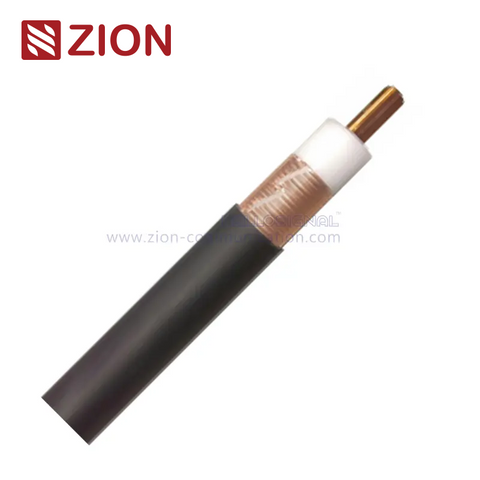
ZION Communication | RF Coverage Cable Category Guide

Radiating Leaky Coaxial Cable: Distributed RF Coverage Guide for Tunnel, Metro, Mine & Corridor Communication Systems

This page helps engineers, buyers, and project managers evaluate radiating leaky coaxial cable by coverage continuity, coupling behavior, attenuation over distance, confined-space suitability, installation environment, and system integration risk—so the cable is selected as a real coverage solution, not mistaken for ordinary feeder cable.

RF EngineersProject ManagersSystem IntegratorsTunnel Communication BuyersRail Transit TeamsMining Infrastructure Teams
  • Radiating leaky coaxial cable is designed to provide continuous RF coverage along the route, not just point-to-point signal transport.

  • It is typically selected for long, narrow, enclosed, underground, or RF-difficult environments where ordinary antennas leave dead zones or create unstable handover.

  • The key project thresholds are operating frequency, total route length, coverage objective, coupling requirement, safety standard, and installation environment.

1) What Is Radiating Leaky Coaxial Cable?

Radiating Leaky Coaxial Cable, also called leaky feeder cable or radiating cable, is a special RF cable designed to act as a distributed antenna. Unlike ordinary coaxial cable, which is designed to keep RF energy inside the cable, radiating cable intentionally allows controlled RF leakage along its route so wireless coverage can be distributed continuously through tunnels, mines, corridors, and other confined areas.

For engineers and procurement teams, the key value is simple: radiating cable solves communication coverage problems in long, narrow, enclosed, or RF-hostile spaces where conventional antenna layouts often create blind zones, unstable handover, excessive installation points, or higher maintenance complexity.

Why this category should not be confused with ordinary feeder cable

Field Reality
Many wrong-model inquiries happen because radiating cable is treated like normal coax. In reality, it is a coverage architecture component, not just a transmission cable.
Selection FactorWhy It MattersTypical Risk If IgnoredWhat to Confirm Early
Operating frequency or bandDetermines RF design suitability and coupling behaviorPoor coverage performanceExact working band
Total route lengthAffects down-line attenuation and system planningCoverage drop toward far endActual installed length
Coverage objectiveDefines whether distributed cable coverage is requiredWrong system architectureContinuous corridor coverage or point coverage
Installation environmentAffects jacket, durability, and safety compliancePremature failure or code mismatchTunnel, mine, metro, building, industrial corridor
System interfaceRequired for feeder integration and network designConnector or integration mismatchConnector, repeater, amplifier, and feeder interface

2) How Radiating Cable Works

Radiating cable uses a specially designed outer conductor with periodic apertures, slots, or coupling structures. These features allow part of the RF energy to radiate outward while nearby signals can also couple back into the cable. That means the cable can support both transmission and reception along the installed route.

In engineering terms, the design has to balance two competing requirements: enough radiation to provide usable local coverage, and low enough longitudinal attenuation to maintain performance over distance. This is why route length, coupling behavior, and system design must be reviewed together.

Distributed coverage logic

Feeder Function
Carries RF energy along the route like a transmission line.
Radiating Function
Leaks controlled RF energy into the surrounding space for local coverage.
Receiving Function
Allows signals from nearby radios to couple back into the cable path.

3) Key Features & Technical Value

What this cable category is expected to deliver

Radiating leaky coaxial cable is chosen because the project needs more than ordinary feeder transmission. It needs controlled corridor-style RF coverage in spaces where point antennas alone are not the most reliable or maintainable approach.

Continuous RF Coverage
Supports signal continuity along tunnels, shafts, galleries, and long corridors.
Confined-Space Suitability
Works well in underground or enclosed environments where ordinary radio propagation is poor.
Distributed Antenna Function
Turns the cable route itself into a coverage path rather than relying only on isolated antennas.
Broadband Service Potential
Can support multi-band communication architecture depending on system design.
One-Way or Two-Way Support
Suitable for dispatch, safety, transport, and industrial communication systems.
Coverage-Control Value
Reduces dead zones and improves route-wide communication predictability.
Key Takeaway
The value of radiating cable is not only that it carries RF signal. Its real value is that it creates distributed coverage where discrete antennas alone are harder to manage or less reliable.

4) Typical Applications & Project Fit

Radiating cable is mainly used where conventional antenna coverage becomes uneven, unstable, or too infrastructure-heavy to maintain. It is especially valuable in long linear routes and confined spaces.

Application ScenarioWhy Radiating Cable FitsMain Engineering ConcernSuggested Checkpoint
Tunnel communication systemsProvides coverage along the route instead of isolated antenna pointsCoverage continuity over full lengthConfirm tunnel length and signal objective
Mining communication systemsWorks in underground spaces where direct radio propagation is difficultSystem safety and route complexityReview environment and safety standard
Metro and railway systemsSupports route-wide communication in track tunnels and linear corridorsHandover and signal consistencyConfirm operating band and corridor length
Large building complexesUseful where conventional antenna layout becomes complex in confined routesFire rating and installation spaceLock indoor compliance requirement
Industrial and special infrastructureSupports RF communication in metal-rich or RF-difficult environmentsEnvironmental durabilityCheck exposure, route condition, and maintenance access
Ships, rigs, and other confined structuresHelps establish controlled route-based communicationMechanical environment and cable protectionReview route layout and service expectation
Practical Rule
When the project space is long, narrow, enclosed, or underground, first ask whether a distributed cable coverage path is more stable than a chain of discrete antennas.

5) Radiating Cable vs Ordinary Coax & Antennas

System purpose comparison

OptionPrimary PurposeMain AdvantageMain LimitationBest Fit
Ordinary Coaxial CablePoint-to-point RF transportEfficient contained transmissionDoes not provide distributed route coverageDevice-to-device or feeder links
Radiating Leaky Coaxial CableDistributed route coverageProvides continuous or near-continuous signal pathRequires more specialized system designTunnels, mines, metros, corridors
Conventional Antenna LayoutPoint-source area coverageGood for open or segmented spacesCan create dead zones in long confined routesOpen spaces or simpler coverage layouts
Project ConditionPrefer Radiating CablePrefer Ordinary CoaxPrefer Conventional Antennas
Long tunnel or linear corridorYesNoSometimes, but often less stable
Point-to-point feeder runNoYesNo
Open room or open site coverageUsually not first choiceOnly for feeder linksYes
Underground mine or utility galleryYesNoPossible, but often more complex

6) Decision Rules / Engineer’s Shortcut

Fast selection table for engineers, buyers, and project teams

If Your Priority Is...Choose Radiating Cable When...Re-check the Selection When...Engineer’s Shortcut
Continuous corridor coverageThe route is long, narrow, or enclosedThe site only needs local point coverageStart with route geometry, not cable habit
Stable tunnel or mine communicationOrdinary antennas are likely to leave dead zonesThe route is short and antenna placement is simpleCompare distributed coverage vs multi-antenna complexity
Reduced blind spots in linear infrastructureCoverage must extend along the full pathSystem objective is only feeder transmissionConfirm whether the cable itself must radiate
Transit or industrial infrastructure planningSafety, continuity, and maintainability matter togetherFire rating, jacket, or environment is still undefinedLock technical and safety constraints before quotation
Faster and more accurate quotationYou can provide frequency, route length, and coverage targetInquiry only says “need radiating cable” without project dataSubmit band, length, environment, objective, connectors, quantity
Key Takeaway
Choose radiating cable when the project needs continuous route coverage, not just efficient point-to-point RF transport.
Field Reality
The fastest way to avoid wrong-model quotations is to submit frequency band, total route length, environment, required coverage objective, connector type, and safety requirement in the first inquiry.

7) Cost Structure, Risk & Maintainability

Radiating cable should be evaluated as a system-level coverage investment, not only as a cable purchase. A cheaper cable or simpler feeder approach can become more expensive later if it creates dead zones, more amplifier points, more antenna locations, more maintenance visits, or route redesign.

Cost / Risk ItemWhat Drives ItHidden Cost in PracticeHow to Control It
Cable system costRoute length, band, cable design, installation environmentOverspec or underspec architectureDefine coverage target before model selection
Installation costRoute difficulty, support method, system integrationLonger labor time and route reworkReview route geometry and support method early
Coverage riskWrong coupling or attenuation expectationDead zones or uneven signal qualityValidate frequency, route length, and coverage objective together
Compliance riskFire and safety requirement in transit or buildingsInspection issues or replacement workLock jacket and safety requirement before PO
Maintenance burdenAccess difficulty, confined route, service continuity needHigher service cost in enclosed infrastructureChoose the solution that reduces long-term blind-zone troubleshooting
Practical Rule
The lowest material cost does not always create the lowest project cost. In linear confined spaces, the better value often comes from the solution that delivers coverage continuity and lower maintenance uncertainty.
Inquiry Checklist
Before asking for a quotation, prepare these items: frequency band, total route length, environment type, coverage objective, indoor/outdoor condition, connector interface, fire requirement, project location, and quantity.

8) Conclusion

Radiating Leaky Coaxial Cable is a specialized RF cable that functions as a distributed antenna for tunnels, mines, metros, rail systems, large building complexes, and other confined or RF-difficult environments. Its defining value is controlled radiation along the cable length, allowing more continuous route coverage than ordinary feeder cable and often more stable corridor coverage than a simple chain of discrete antennas.

For better model accuracy, start with frequency, total route length, installation environment, and required coverage objective, then confirm connector interface, jacket type, and safety requirements. That one step reduces sourcing delay, avoids wrong architecture assumptions, and makes the Radiating Leaky Coaxial Cable category page more useful for both engineering decisions and purchasing execution.

Submit Your Radiating Cable Project Requirements

Send ZION your frequency band, route length, application environment, coverage objective, indoor or outdoor condition, connector requirement, safety standard, and quantity. We will help you identify the suitable radiating leaky coaxial cable model and matching coverage solution.


Product Categories

CONTACT US
Professional OEM - Zion Communication
picture1

Request a Quote​​​​​​​
Contact Us
We use cookies to enable all functionalities for the best performance during your visit and to improve our services by giving us some insight into how the website is being used. Continued use of our website without changing your browser settings confirms your acceptance of these cookies. For details, please see our privacy policy.
×