Manufacturing in China: Benefits, Risks and Sourcing Guide China offers broad manufacturing capacity and mature supplier networks, but the right decision depends on total landed cost, quality controls, lead time, intellectual property protection and import compliance.
Is Manufacturing in China Still a Good Option?
Manufacturing in China can be a good option when a product matches the capabilities of an established supplier, the expected volume justifies overseas logistics and the buyer can manage specifications, quality and compliance. It is not automatically the cheapest or fastest choice for every project.
China remains a major manufacturing and export base with extensive networks for materials, components, tooling, assembly and packaging. That scale can make it easier to source complex products or move from a prototype to repeat production. However, national manufacturing strength does not prove that a particular supplier is qualified. Buyers still need to verify the factory, define requirements and calculate the complete commercial impact.
Potential Benefits of Manufacturing in China
The strongest advantage is often supplier ecosystem depth rather than labor cost alone. In established manufacturing regions, buyers may find specialized tooling, component suppliers, contract manufacturers and logistics providers within the same broader network.
Broad production capabilities: Buyers can evaluate suppliers across electronics, textiles, plastics, metalworking, cable assemblies, furniture, toys and many other categories.
Scalable capacity: Some factories can support tooling, pilot production and higher-volume orders, provided capacity is confirmed for the specific program.
Supplier specialization: A factory with relevant process experience may reduce development friction and identify manufacturability issues earlier.
Customization options: Materials, dimensions, finishes, packaging and private-label requirements can often be incorporated when specifications and minimum quantities are agreed.
Decision rule: Treat these as potential benefits to verify, not promises that apply to every supplier or product.
Compare Total Landed Cost, Not Unit Price
A low factory quote does not show the full cost of an overseas manufacturing program. Compare the total landed cost of a saleable product at your destination. The calculation should include tooling, samples, production, quality inspections, packaging, inland transport, international freight, insurance, duties, taxes, customs brokerage, storage and financing.
Also model the cost of delays, rejected units, engineering changes and excess inventory. A nearby supplier with a higher unit price may be more competitive for low-volume, fast-changing or highly regulated products. A Chinese supplier may be more competitive when volumes are stable, specifications are mature and logistics can be planned in advance.
How to Evaluate a Chinese Manufacturer
Start by confirming whether the company is the actual manufacturer, a trading company or a hybrid organization. Each model can be useful, but buyers need to know who controls production, quality records, subcontractors and corrective actions.
Verify the legal business identity, registered address, ownership and authorized signatory.
Review equipment, process flow, staffing, capacity and experience with comparable products.
Ask which processes are performed in-house and which are subcontracted.
Request relevant quality records, sample reports and traceability examples rather than relying on a certificate logo alone.
Use samples or a pilot run to confirm workmanship, communication and change control.
Define payment milestones, inspection rights, acceptance criteria, remedies and ownership of tooling and technical files in the contract.
For a high-value or high-risk program, an independent factory audit and legal review can provide evidence that cannot be obtained from a marketplace profile or video call alone.
Quality Control and Production Management
Quality is managed through clear requirements and process control; it is not guaranteed by country of origin. Supply the factory with controlled drawings, approved materials, workmanship criteria, packaging requirements, test methods and acceptance rules. Resolve ambiguous tolerances before production begins.
A practical control plan may include first-article approval, incoming-material checks, in-process inspection, final inspection and corrective-action reporting. Inspection timing should reflect the product risk. Finding a problem during production usually provides more options than discovering it after the goods have shipped.
Keep one approved specification set and require written approval for substitutions or process changes. Price pressure without change control can create quality drift, especially when raw-material costs or production schedules change.
Lead Times, Inventory and Logistics
Overseas lead time includes more than factory production. A realistic plan covers design approval, sampling, tooling, material procurement, production, inspection, booking, export handling, international transport, customs clearance and delivery to the final warehouse.
Buyers can reduce uncertainty by sharing rolling forecasts, setting order cut-off dates, reserving critical materials and agreeing how capacity will be allocated. More frequent orders may reduce inventory exposure, but they can also increase freight and administrative cost. The best order pattern depends on demand variability, minimum order quantities, shelf life and the cost of a stockout.
Build contingency time into launch schedules and avoid relying on one transport mode or a single unverified supplier for critical components.
Intellectual Property and Supply-Chain Compliance
Do not ask a supplier to copy a competitor's protected design, branding, software or packaging. Before disclosing sensitive information, identify which patents, trademarks, copyrights, trade secrets, tooling and design files need protection in each relevant jurisdiction. Use contracts written for the actual legal and commercial context, and involve qualified counsel when the product or intellectual property is important.
Importers also need visibility beyond the final assembly factory. Map important raw materials, components and subcontractors; confirm product classification and destination-market requirements; and retain records that support origin, admissibility and regulatory claims. Requirements vary by product and market, so tariff treatment, testing, labeling and restricted-party or forced-labor risks should be reviewed before orders are placed.
Information to Prepare Before Requesting a Quote
A useful request for quotation gives suppliers enough information to price the same scope. Prepare:
drawings, bill of materials, materials and revision status;
estimated annual volume, order quantity and launch schedule;
sample, tooling and production requirements;
quality criteria, inspection plan and required test records;
packaging, labeling, destination and preferred trade terms;
applicable market, regulatory and documentation requirements; and
confidentiality, intellectual property and change-control expectations.
Compare quotations line by line. If one price is much lower, determine whether the supplier has excluded tooling, testing, packaging, freight, duties or a required material rather than assuming it is more efficient.
Frequently Asked Questions
Does manufacturing in China always cost less?
No. Compare total landed cost, order volume, tooling, quality control, logistics, duties, inventory and the cost of delays. Local or regional production may be more competitive for some products.
How can a buyer verify that a supplier is a real manufacturer?
Check the legal entity and manufacturing address, review the process and equipment, identify subcontracted work, request production records and use a factory audit when the commercial risk justifies it.
Can a factory guarantee product quality?
A supplier can commit to defined requirements, but reliable quality depends on specifications, approved samples, process controls, inspection, traceability and corrective action. Avoid relying on general promises.
How should a buyer protect a new product design?
Plan intellectual property protection before broad disclosure, register appropriate rights in relevant jurisdictions, conduct partner due diligence, limit access to sensitive files and use enforceable agreements prepared for the transaction.
The practical conclusion: China can be a strong manufacturing base, but success comes from selecting the right supplier, controlling the specification and managing the complete supply chain—not from country-level assumptions.



 Fiber Optic Tools
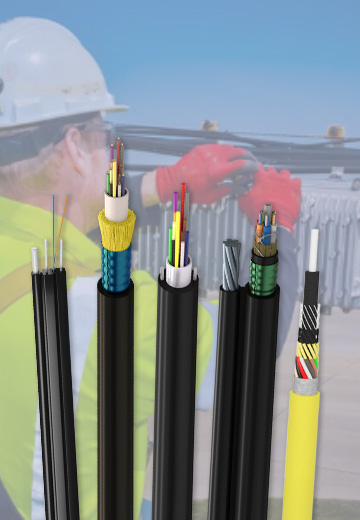 Fiber Optic CableAccess and backbone
 Ethernet CableCat5e to Cat8
 Coaxial CableRF and video signal
 Fire, Security & AlarmSafety systems
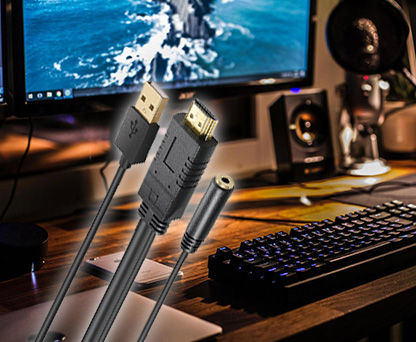 Voice, Audio & VideoSignal cabling
 Power & Control CableEnergy and control
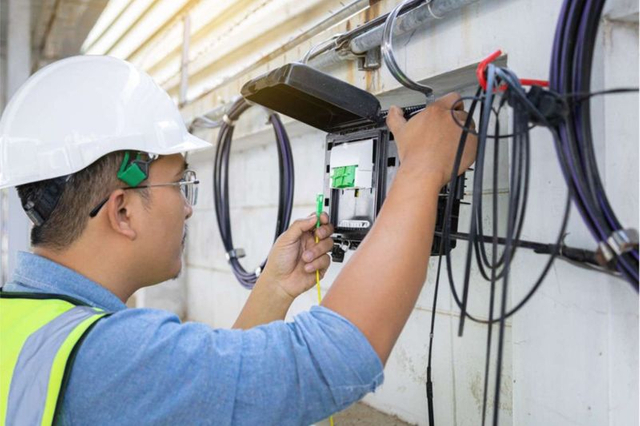 Telecom & ISP NetworksFTTH, PON, ODN
 Data Center InfrastructureServer room cabling
 Building Low-Voltage SystemsBMS, AV, weak current
 Security & Fire ProtectionAlarm, CCTV, access
 Industrial Automation CablePLC, RS485, fieldbus
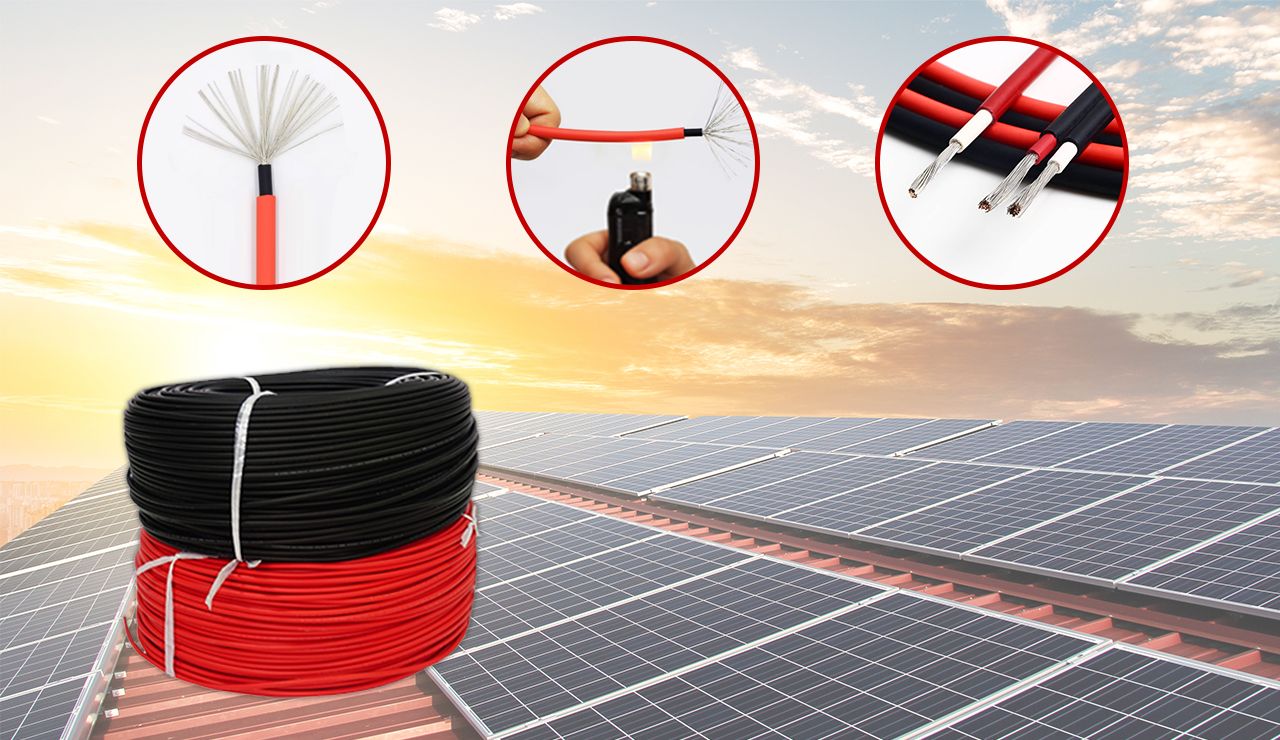 Energy & Power InfrastructureSolar, battery, power