Solar Project Cable Ordering Guide for EPC and Installation Teams
A solar cable order should convert the electrical design, installation environment and construction schedule into an approved cable list, reel plan and document package before purchase.
Solar cabling affects electrical losses, installation time, inspections and project logistics. Ordering only by conductor size and color can leave the site with the wrong standard, voltage rating, connector fit, reel length or fire-performance documentation. The EPC team, electrical designer, installer and supplier should close these points before the purchase order is released.
■Start with Approved Project Documents
The cable purchase specification should come from the issued electrical design, not from a generic catalog description. Before requesting quotations, collect the latest approved documents:
single-line diagram and DC/AC system voltage;
cable schedule, equipment layout and route drawings;
short-circuit, ampacity and voltage-drop calculations;
module, inverter, combiner, transformer and tracker documentation;
project country, adopted electrical code and authority requirements;
required certificates, submittals, inspection points and approved-equipment list.
Resolve revision conflicts before ordering. A cable schedule based on an earlier array layout can produce incorrect lengths, quantities and terminations even when the cable itself meets its datasheet.
■Map Each Cable to Its Circuit Function
A solar plant contains several wiring systems with different electrical and environmental duties. Do not apply one cable description to every route.
PV module and string wiring
Confirm DC voltage, current, outdoor exposure, cable support, polarity identification, connector family and module-lead compatibility.
Combiner-to-inverter DC feeders
Check combined current, conductor size, voltage drop, route grouping, enclosure entries, termination method and whether the design uses individual conductors, tray cable or another approved cable system.
AC and medium-voltage collection
Specify system voltage, fault level, insulation system, grounding or bonding design, shielding, metallic layers, installation method, termination kits and required test documentation.
Control, tracker and communications wiring
Confirm signal type, shielding, conductor count, moving or torsional duty, outdoor rating, separation from power circuits and compatibility with the tracker or monitoring equipment.
■Confirm the Standard and Market Route
PV cable names are tied to different approval and procurement routes. IEC 62930 covers single-core cross-linked cables for the DC side of photovoltaic systems up to 1.5 kV DC. EN 50618 and the H1Z2Z2-K designation commonly appear in European project documents. UL 4703 is the North American standard associated with photovoltaic wire. These descriptions should not be substituted only because conductor size and color look similar.
For a standards-first comparison, review the ZION solar PV cable selection guide. In the United States, use the NEC edition adopted by the authority having jurisdiction and the listed wiring methods accepted for the specific installation. In IEC- or EN-oriented projects, follow the tender, national rules and equipment documentation.
For EU projects, determine whether the cable and installation fall under construction-product fire-performance requirements and which documentation is required. The CPR framework is in transition between Regulation (EU) No 305/2011 and Regulation (EU) 2024/3110, so the exact harmonized specification and national installation rule must be checked for the product and project date.
■Size the Conductor for the Real Installation
Conductor size is not selected from operating current alone. The engineering calculation should account for:
maximum circuit current and code-required current factors;
ambient and rooftop temperature, conductor temperature rating and terminal limitations;
cable grouping, tray fill, conduit occupancy and thermal correction factors;
route length and project voltage-drop target;
short-circuit withstand and protective-device coordination where applicable;
connector, gland, lug and equipment-terminal size range.
Voltage-drop targets are design decisions, not a universal cable label. Record the assumed current, one-way route length, conductor operating temperature and calculation basis so procurement can confirm that the quoted construction matches the design.
■Match the Cable to the Environment and Route
Outdoor PV routes may be exposed to ultraviolet radiation, rain, condensation, high roof temperatures, cold, ozone, abrasion, rodents, chemicals, standing water and mechanical movement. Underground sections add soil conditions, water ingress, burial depth, ducts, pulling tension and possible metallic protection requirements.
State the route for every cable item: exposed module wiring, rooftop tray, conduit, building entry, underground duct, direct burial, tracker loop, inverter room or medium-voltage collection. Then specify the required sunlight, wet-location, flame, smoke, halogen, oil, chemical, mechanical and burial properties supported by the governing project documents. “Outdoor cable” is not a complete specification.
■Verify Connectors and Pre-Assembled Leads
Pre-assembled leads can reduce field cutting, stripping and crimping, but only when the assembly matches the approved design. Specify the connector manufacturer, family, polarity, cable cross-section, cable outside-diameter range, lead length, color, label and packaging. “MC4 compatible” is not enough to prove that two connector products may be mated.
Confirm the approved mating combination, contact and seal parts, crimp tool and inspection criteria. For repeated assemblies, use a documented first-article check before full production. The solar extension cable and connector assembly guide provides a practical specification checklist.
■Build the Cable BOM and Reel Schedule Together
A bill of materials should identify each cable by circuit, construction and destination—not only by total meters. Include cable type, standard, rated voltage, conductor material and size, number of cores, shielding or metallic layers, sheath color, printed marking, quantity, cut length or drum length, destination block and required documents.
Develop the reel schedule from route drawings and the installation sequence. Check maximum reel weight, flange diameter, lifting equipment, storage area, pull direction, cable-drum stand and access roads. A technically correct cable can still delay construction when the reel cannot reach the installation area or when multiple blocks are wound onto an impractical drum.
■Control Quantity, Allowance and Scrap
Avoid applying one arbitrary spare percentage to every cable. Calculate installed length from the approved route, then add documented allowances for vertical rises, equipment tails, service loops, termination preparation, route tolerance, pulling setup and expected construction scrap. Long MV pulls, pre-cut assemblies and short string leads require different planning logic.
Reconcile ordered quantity with drum allocation and installation records. Too little cable can stop crews and create emergency freight; too much cable ties up project capital and leaves difficult-to-reuse remnants. Keep contingency as an approved, traceable line in the quantity takeoff.
■Check Documents Before Mass Production
Request documents for the exact offered construction and model. A certificate for another size, voltage class or product family may not support the quotation. The submittal package may include:
manufacturer datasheet and dimensional drawing;
certificate or listing information required by the project;
type-test or routine-test evidence specified by the purchase documents;
cable marking, label and packaging artwork;
sample or first-article approval record;
inspection and test plan, delivery schedule and document index.
Freeze approved markings, colors, reel lengths and documents before mass production. Record any approved deviation in the purchase order rather than relying on email assumptions.
■Solar Cable RFQ Checklist
A supplier should receive enough information to quote the correct cable and packing plan. Include:
project country, application and adopted standard;
circuit position, AC or DC voltage and conductor size;
single-core, multicore, shielded, armored or assembly construction;
route environment and installation method;
connector, gland, lug or termination requirements;
color, polarity, printed marking and label language;
total quantity, cut lengths, drum schedule and packing limits;
certificate, datasheet, test and inspection documents; and
required delivery sequence, destination and approval milestones.
The current ZION solar PV cable solution can be used to organize the standard, size, route, marking and packing information before quotation.
■Frequently Asked Questions
Can one solar cable specification be used in every country?
No. The required standard, listing, marking, fire classification and installation method depend on the project country, adopted code, tender and approval authority.
Is a 4 mm² or 6 mm² PV cable automatically suitable?
No. Common sizes still require confirmation against current, temperature, grouping, route length, voltage drop, terminal range and the governing standard.
Do pre-connectorized cables remove installation risk?
They can reduce field termination work, but the connector combination, polarity, cable fit, crimp quality, length and labeling still need approval and inspection.
How early should cable procurement begin?
Begin supplier engagement when the design basis and preliminary quantities are stable. Release production only after technical submittals, reel planning, markings and delivery milestones are approved.
■Conclusion
Solar cable procurement works best when engineering, construction and logistics decisions are made together. Confirm the circuit function, standard, conductor sizing, environment, connector system, quantity basis, reel plan, documentation and delivery sequence before ordering. This reduces substitutions, site rework, excess material and schedule interruptions without weakening the approved electrical design.



 Fiber Optic Tools

 Fiber Optic CableAccess and backbone
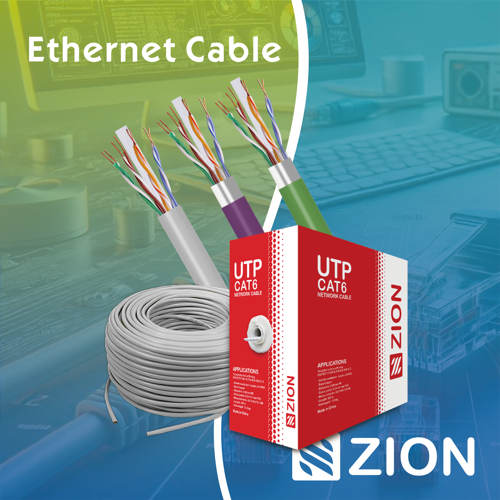 Ethernet CableCat5e to Cat8
 Coaxial CableRF and video signal
 Fire, Security & AlarmSafety systems
 Voice, Audio & VideoSignal cabling
 Power & Control CableEnergy and control
 Telecom & ISP NetworksFTTH, PON, ODN
 Data Center InfrastructureServer room cabling
 Building Low-Voltage SystemsBMS, AV, weak current
 Security & Fire ProtectionAlarm, CCTV, access
 Industrial Automation CablePLC, RS485, fieldbus
 Energy & Power InfrastructureSolar, battery, power