ZION Communication China Optical Fiber Factory 3
Author: James Xu Publish Time: 27-12-2018 Origin: zion communication
Inside ZION's Optical Fiber Factory in China A photo tour of the optical fiber production department, showing the working environment, production equipment, and process stages behind fiber manufacturing.
■About This Factory Visit
This factory visit offers a close look at an optical fiber production environment in China. The photographs follow the tour through several working areas and show technicians observing equipment used during fiber production.
Optical fiber is the transmission medium at the center of many cable designs. Finished cable construction, installation method, fiber count, fiber type, protection level, and environmental conditions all affect the final specification. ZION's current fiber optic cable product range provides a practical starting point for comparing available cable families.
■Inside the Optical Fiber Production Department
The tour begins around the equipment used to process the optical fiber preform. Operators work in protective clothing while monitoring the machinery and the heated processing zone. The sequence of photographs records the production area from several angles without reducing the process to a single machine or step.


■Process Observation and Equipment Control
Fiber production depends on controlled equipment operation and close observation at each stage. The images below show enclosed machinery, control panels, and production-floor inspection points. Exact settings and acceptance criteria depend on the fiber specification and the applicable production plan.


■From Fiber Requirements to Cable Selection
The factory photographs focus on fiber production, while a complete cable specification also needs to account for the installation environment. Aerial routes may require a self-supporting construction such as an ADSS fiber optic cable. Access-network projects may instead need an FTTH drop cable selected for the route, termination method, and indoor or outdoor conditions.
Before choosing a cable, confirm the fiber type, fiber count, route length, installation method, mechanical protection, jacket requirements, connector or splice plan, and any project-specific testing or documentation needs.


■Frequently Asked Questions
What does this factory tour show?
It shows technicians, optical fiber preform processing equipment, control areas, and several views of the production department.
Does one fiber type fit every cable application?
No. Fiber type and cable construction should be selected together according to transmission requirements, route conditions, installation method, termination plan, and the applicable project specification.
What information is useful before selecting a fiber optic cable?
Prepare the application, fiber type, fiber count, route length, indoor or outdoor environment, installation method, mechanical protection needs, connector or splice requirements, quantity, and required test documents.



 Fiber Optic Tools
Products 6 families
Solutions 6 markets
Resources Tools & docs
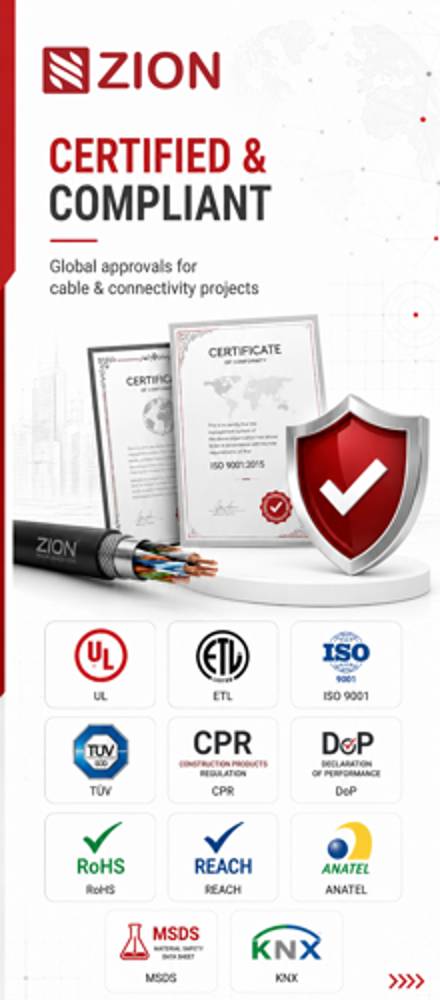
Certificate
Certification and compliance references for project review, qualification and purchasing documentation.
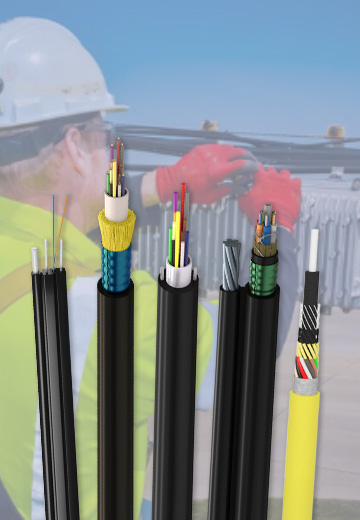 Fiber Optic CableAccess and backbone
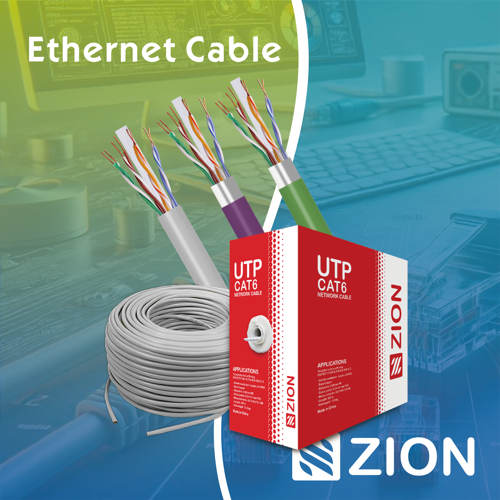 Ethernet CableCat5e to Cat8
 Coaxial CableRF and video signal
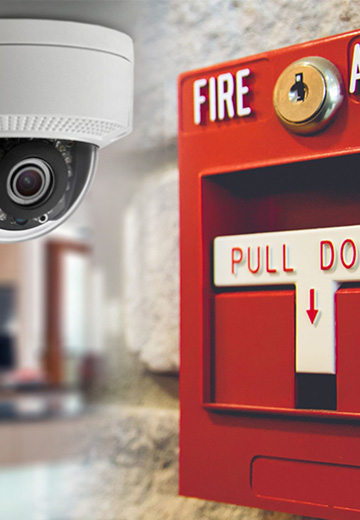 Fire, Security & AlarmSafety systems
 Voice, Audio & VideoSignal cabling
 Power & Control CableEnergy and control
Fiber optic cable systems
Outdoor, indoor, FTTH and distribution cable lines for access networks, backbone routes and campus deployments.
 Telecom & ISP NetworksFTTH, PON, ODN
 Data Center InfrastructureServer room cabling
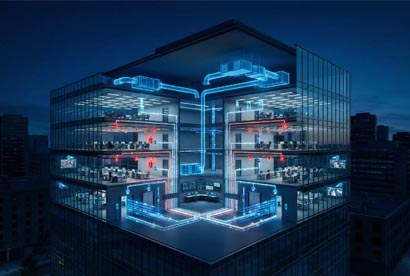 Building Low-Voltage SystemsBMS, AV, weak current
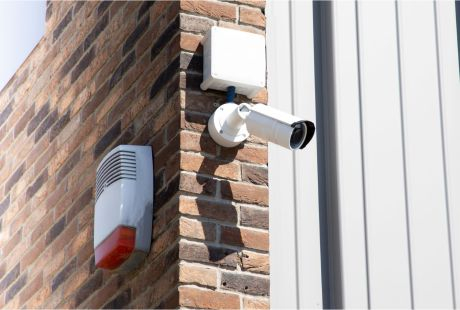 Security & Fire ProtectionAlarm, CCTV, access
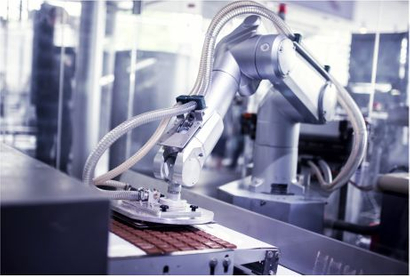 Industrial Automation CablePLC, RS485, fieldbus
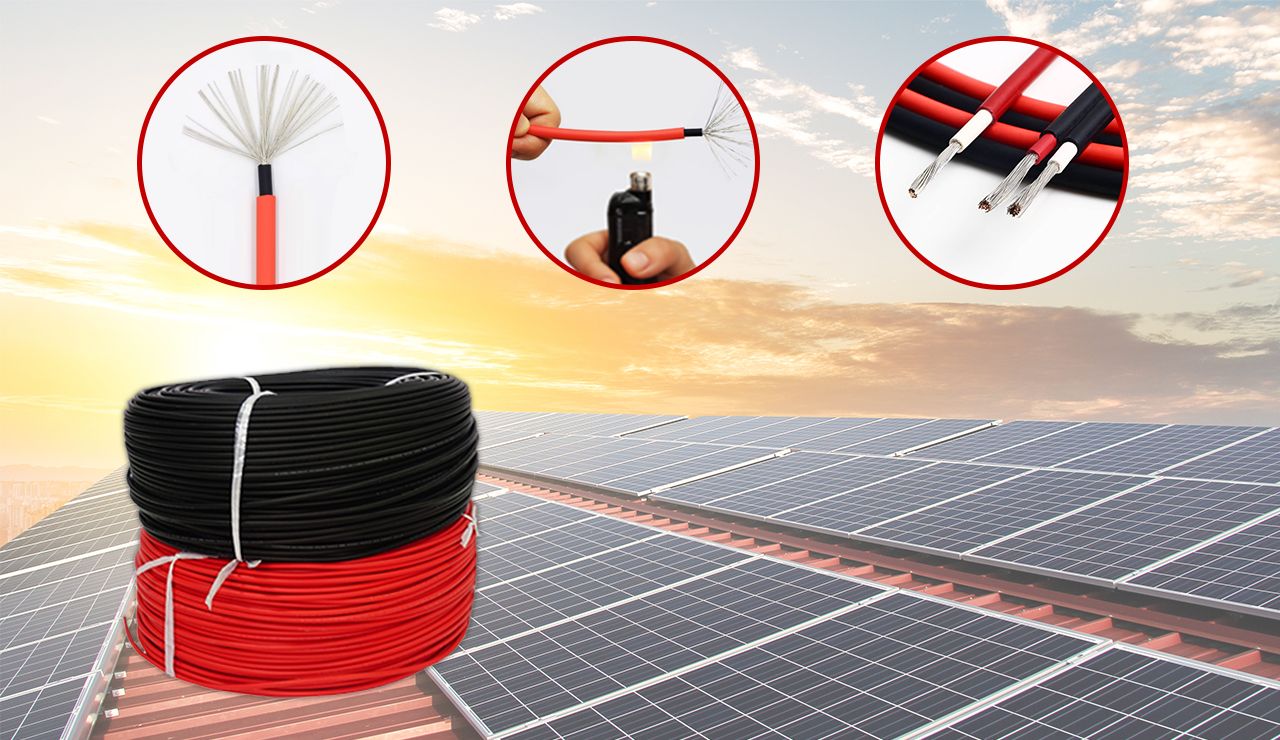 Energy & Power InfrastructureSolar, battery, power
Telecom & ISP Networks
For FTTH / PON access, outdoor fiber deployment, aerial routes, duct routes, direct burial routes, rural broadband and ODN planning.
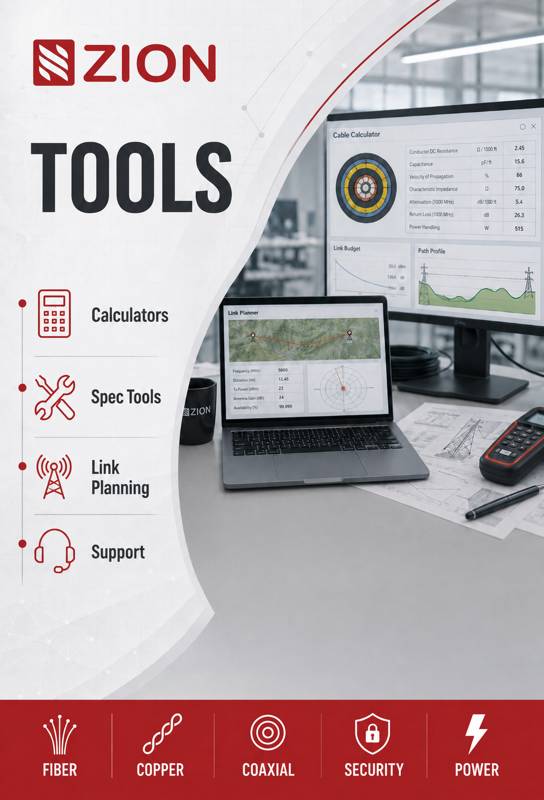
Tools
Use calculators and planning tools for conduit capacity, PoE voltage drop and fiber optic link loss budget work.