Zion Communication Coaxial Cable And Loud Speaker Cable Factory 5
Author: James Xu Publish Time: 27-12-2018 Origin: zion communication
Inside ZION's Coaxial and Speaker Cable Factory
This factory tour shows several practical stages behind coaxial and speaker cable supply, including conductor handling, shield braiding, cable forming, outer-jacket processing, finished-cable preparation and packing. For project buyers, the value of a workshop review is not the machinery alone. It is the ability to connect the application, cable construction, production controls, required documents and packing instructions before an order is released.
■Factory Scope and Cable Product Families
ZION's current product coverage includes coaxial cable, voice and audio cable, fiber optic cable, Ethernet cable, fire and security cable, control cable and related connectivity products. This article concentrates on the coaxial and speaker cable workshop because their production decisions are closely tied to conductor material, insulation, shielding, jacket construction, cable size, marking and packaging.
Buyers can review the broader ZION factory and workshop overview for production areas covering fiber, copper LAN, coaxial, fire and security cable, optical systems and data-center products.
■Coaxial Cable Braiding and Shield Construction
Braiding is one of the most visible stages in coaxial cable production. The braid works with any foil layer to control interference and signal leakage, but the finished performance depends on the complete design: conductor, dielectric, foil, braid material, braid coverage, jacket and connector termination. A workshop photograph can show the process, while the approved datasheet must define the construction and electrical requirements for the selected product.

Before ordering, specify the required impedance, operating frequency, attenuation limit, shielding construction and installation environment. RG59, RG6, RG11, 50-ohm RF cable and other coaxial families serve different systems, so the family name alone is not a complete manufacturing specification.
■Cable Forming and Outer-Jacket Production
Production equipment brings the cable elements together and applies the outer jacket according to the approved construction. Process settings must support consistent diameter, concentricity, surface condition and printing. Jacket selection also depends on the route: ordinary indoor use, riser or plenum spaces, outdoor exposure, direct burial and low-smoke requirements are different specification questions.


■Speaker Cable Production Requirements
Speaker cable may use parallel, round, multicore or shielded constructions depending on the audio system and installation route. A useful purchase specification identifies conductor material, conductor size, number of cores, stranding, insulation and jacket material, polarity identification, finished diameter, length marking and packing method. Fire-performance or installation ratings should be requested only when they apply to the specific product and target market.
Current audio and speaker cable documents are available through the ZION product catalog center, including parallel speaker cable, multicore circular speaker cable and audio speaker cable categories.
■Finished Cable and Visual Inspection
Finished cable inspection should confirm the approved construction and the details a buyer will receive: jacket surface, print legend, color, diameter, sequential marking where required, reel or coil length, label information and packing condition. Electrical or transmission testing depends on the product type and agreed specification; a visual factory photograph does not replace the test record or datasheet.

■Packing and Shipment Preparation
Packing is part of the product specification, particularly for distributor and project orders. Buyers should confirm reel, coil, carton or drum format; standard or customized length; label language; product code; gross and net weight requirements; palletization; and any private-label marking before production. Shipment preparation should preserve traceability between the approved specification, batch identification and packing list.

■What Buyers Should Confirm Before Ordering
Application: CATV, CCTV, RF, audio, building distribution or another defined system.
Electrical requirements: impedance, conductor resistance, attenuation, capacitance, frequency range or audio power conditions as applicable.
Construction: conductor material and size, insulation, shield layers, core count, stranding and overall diameter.
Installation environment: indoor, riser, plenum, outdoor, direct burial, temperature, moisture and mechanical exposure.
Documentation: datasheet, sample, applicable certificate, test report and approval-file requirements for the exact product.
Commercial format: quantity, reel length, printing, label, packaging and delivery destination.
The current ZION product directory can be used to identify the relevant coaxial, voice, audio and video cable families before the project specification is finalized.
■Factory Tour FAQ
What coaxial cable processes are shown in this factory tour?
The photographs show braid-shield processing, cable production equipment, finished coaxial cable and packing or shipment preparation.
Does a factory photo confirm a cable's technical performance?
No. Performance should be confirmed with the exact product datasheet, agreed test requirements and applicable approval documents. Factory images provide process context, not a substitute for product-level evidence.
What information is needed for an OEM cable request?
Provide the application, cable construction, target standard, electrical requirements, installation environment, quantity, reel length, marking, label, packing and required documents.
A useful factory review connects visible production stages with an approved, product-specific specification. Confirm the required cable family, construction, performance, environment, documentation and packing before moving from inquiry to sample or production order.



 Fiber Optic Tools
Products 6 families
Solutions 6 markets
Resources Tools & docs
Certificate
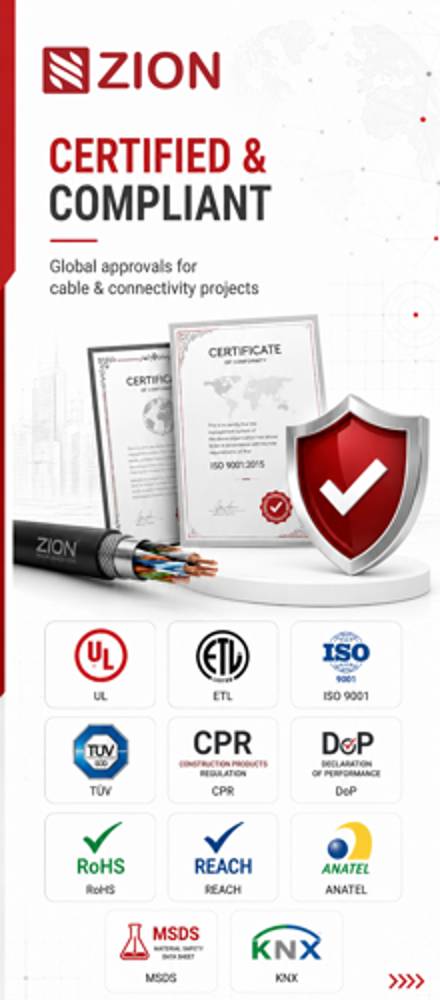
Certification and compliance references for project review, qualification and purchasing documentation.
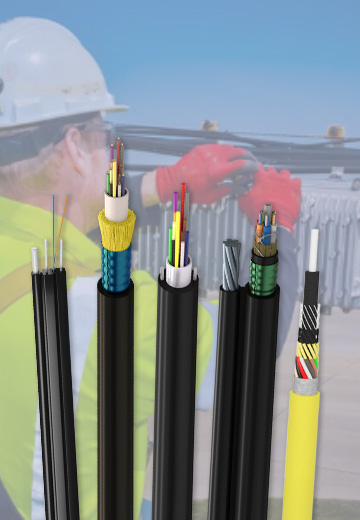 Fiber Optic CableAccess and backbone
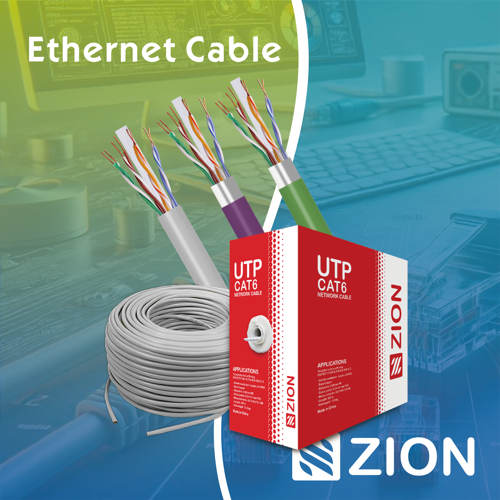 Ethernet CableCat5e to Cat8
 Coaxial CableRF and video signal
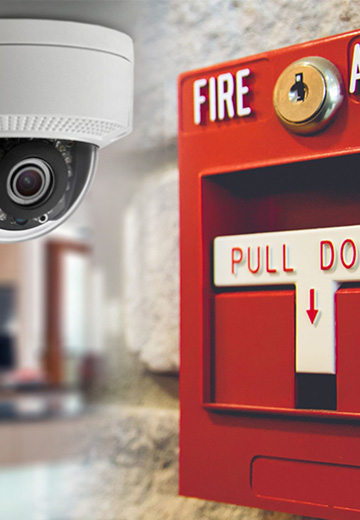 Fire, Security & AlarmSafety systems
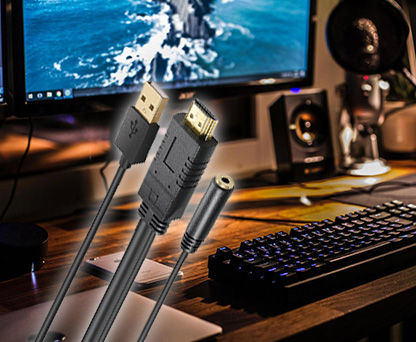 Voice, Audio & VideoSignal cabling
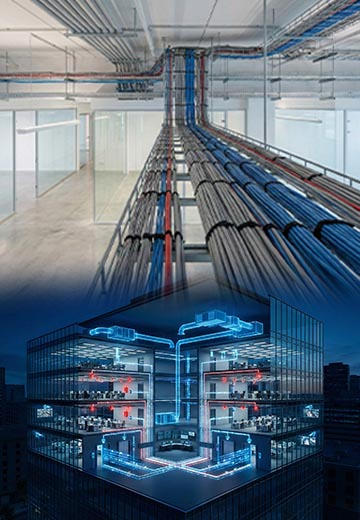 Power & Control CableEnergy and control
Fiber optic cable systems
Outdoor, indoor, FTTH and distribution cable lines for access networks, backbone routes and campus deployments.
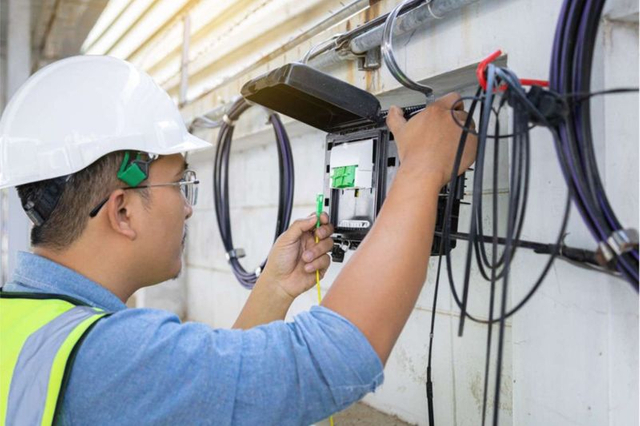 Telecom & ISP NetworksFTTH, PON, ODN
 Data Center InfrastructureServer room cabling
 Building Low-Voltage SystemsBMS, AV, weak current
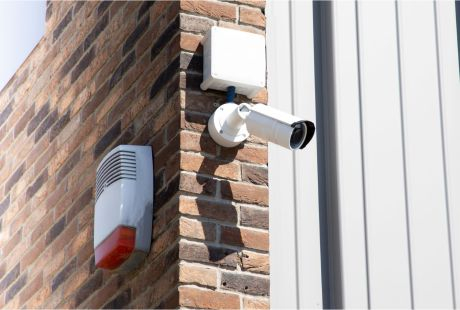 Security & Fire ProtectionAlarm, CCTV, access
 Industrial Automation CablePLC, RS485, fieldbus
 Energy & Power InfrastructureSolar, battery, power
Telecom & ISP Networks
For FTTH / PON access, outdoor fiber deployment, aerial routes, duct routes, direct burial routes, rural broadband and ODN planning.
Tools
Use calculators and planning tools for conduit capacity, PoE voltage drop and fiber optic link loss budget work.