How to Select the right fiber optic cable | 5 minutes to learn about fiber optic cable types
Author: James Xu Publish Time: 18-09-2018 Origin: https://www.zion-communication.com/
How to Select the Right Fiber Optic CableChoose the fiber, construction, protection, installation rating, and termination plan as one complete cable specification.
Selecting fiber optic cable starts with the optical system, but it does not end there. Two cables can contain the same fiber and still perform very differently during pulling, blowing, aerial installation, direct burial, building entry, or termination. The correct choice matches the link requirements, route, environment, mechanical loads, fire classification, fiber count, and installation method.
■1. Define the Optical Link Before Choosing the Cable
Record the application, data rate, transceiver, operating wavelength, connector interface, route length, splice plan, and loss budget. Supported reach is a property of the complete optical channel—not a guarantee supplied by the cable alone. Connector loss, splice loss, splitters, passive components, and engineering margin all affect the result.
Single-mode or multimode: single-mode fiber is commonly selected for telecom, access, campus, industrial, and longer backbone routes. Multimode fiber is used in shorter premises and data-center links with compatible transceivers. Confirm the exact application standard instead of choosing only by a general distance rule.
■2. Match the Fiber Category to the Application
OS2 is a cabled single-mode category, while ITU-T G.652 and G.657 describe optical fiber characteristics. G.652.D remains widely used for general single-mode networks. G.657 fiber provides improved bending performance; G.657.A fibers are designed for compatibility with G.652.D systems, while G.657.B fibers serve tighter-bend, short-reach access applications and require a more specific system review.
For multimode projects, OM3 and OM4 are common choices for new high-speed premises links, while OM5 is selected for applications that specifically use its wavelength capabilities. OM1 and OM2 may remain in legacy installations but should not be assumed suitable for a new high-speed link. The Optical Fibers product type provides the current ZION fiber categories available for cable projects.
■3. Choose Central-Tube, Stranded Loose-Tube, Ribbon, or Tight-Buffered Construction
Central loose-tube cable places the fibers in one central protective tube. It can provide a compact outside-plant construction for lower or moderate fiber counts. The jacket, water blocking, strength members, and armor vary by model.

Stranded loose-tube cable arranges multiple tubes around a central strength member. This construction supports higher fiber counts and flexible combinations of tubes, fillers, water-blocking elements, laminate, armor, and outer jackets.

Ribbon cable groups fibers into ribbons for high density and mass-fusion workflows. Tight-buffered cable protects each fiber with a thicker buffer and is commonly used for indoor distribution, breakout cables, patch cords, and direct termination. Construction should be chosen according to the route and termination workflow, not only the fiber count.
■4. Select Protection for the Installation Route
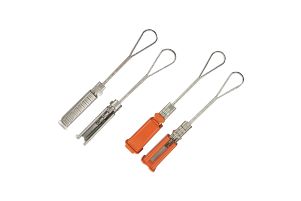
Aerial routes: confirm span, sag, wind, ice, pole loading, attachment hardware, and whether the route needs ADSS, figure-8, lashed, or another approved construction.
Duct and microduct: check cable outside diameter, duct fill, blowing or pulling method, friction, bends, access points, pulling tension, and water exposure.
Direct burial: specify the required water blocking, crush resistance, armor, rodent resistance, soil conditions, burial method, and local installation practice. Corrugated steel tape and additional jackets are common protection options, but the exact construction must match the project.

High-tension or steep routes: steel-wire armor can add tensile and mechanical protection, but also increases diameter, weight, installation force, and metallic bonding requirements.

Use the Outdoor Fiber Optic Cables product type to compare current aerial, duct, direct-buried, ADSS, OPGW, and air-blown constructions.
■5. Check Indoor, Outdoor, and Building-Entry Requirements
Outdoor cable needs protection appropriate to moisture, ultraviolet exposure, temperature cycling, chemicals, rodents, and installation loads. Indoor cable needs the flame and smoke classification required by the building, pathway, and local code. When an outside-plant route enters a building, use an approved indoor/outdoor cable where permitted or transition to a suitable indoor-rated cable at the required location.
For access networks, the FTTH Cables & Assemblies product type includes drop and access constructions intended for last-mile and premises transitions. Confirm strength members, bend performance, jacket rating, clamp compatibility, and termination before ordering.
■6. Understand Model Codes Without Relying on Them Alone
Designations such as GYXTY, GYXTS, GYXTW, GYTA, GYTS, GYTA53, GYTY53, and GYTA33 are widely used in parts of the fiber cable market to describe construction families. They can indicate features such as central or stranded loose tubes, laminate, sheath material, or armor. However, naming conventions and exact construction can vary by manufacturer, market, and revision.
Before purchasing, compare the current datasheet, cross-section, fiber category, fiber count, water-blocking method, strength members, armor, jacket material, cable diameter, weight, tensile rating, crush rating, temperature limits, bend radius, and test requirements. A short model code should never replace the complete specification.
■7. Verify Mechanical, Electrical, and Termination Details
Mechanical: maximum pulling tension, minimum bend radius during and after installation, crush and impact resistance, cable weight, outside diameter, drum length, and installation temperature.
Electrical and metallic elements: all-dielectric cable can avoid conductive components, while metallic armor and strength members introduce bonding, grounding, corrosion, and separation considerations.
Termination: specify connectors, APC or UPC polish, polarity, fanout, splice method, pigtails, closures, trays, panels, labels, and test reports. Never mate APC and UPC interfaces, and include all connection losses in the link budget.
■8. Information to Prepare Before Ordering
1. Optical system: protocol, transceiver, wavelength, data rate, route length, and loss budget.
2. Fiber: single-mode or multimode category, fiber count, spare-fiber plan, and color coding.
3. Route: indoor, outdoor, aerial, duct, microduct, direct buried, tray, riser, or special environment.
4. Protection: water blocking, UV, armor, rodent resistance, flame rating, chemical exposure, and all-dielectric or metallic construction.
5. Delivery: cable length, drum length, connectors or pigtails, labeling, test documentation, applicable standards, destination, and packaging requirements.
■Frequently Asked Questions
Is armored fiber cable always better outdoors?
No. Armor is useful where crush, impact, rodents, or tensile loads justify it, but it adds weight, diameter, installation effort, and sometimes grounding requirements. Duct protection or an all-dielectric design may be more appropriate for other routes.
What is the difference between central-tube and stranded loose-tube cable?
A central-tube cable places fibers in one central tube and can provide a compact construction. A stranded loose-tube cable places several tubes around a central member, supporting higher fiber counts and more construction combinations.
Can one cable be used outdoors and inside a building?
A listed indoor/outdoor cable may support both environments when accepted by the project and local requirements. Otherwise, transition from outside-plant cable to a suitable indoor-rated cable at the required building-entry location.
How many spare fibers should be included?
Add capacity for the active design, restoration strategy, realistic growth, and common cable counts. The correct spare capacity depends on network criticality, pathway limits, expansion plans, and the cost of adding another cable later.



 Fiber Optic Tools
Products 6 families
Solutions 6 markets
Resources Tools & docs
Certificate
Certification and compliance references for project review, qualification and purchasing documentation.
 Fiber Optic CableAccess and backbone
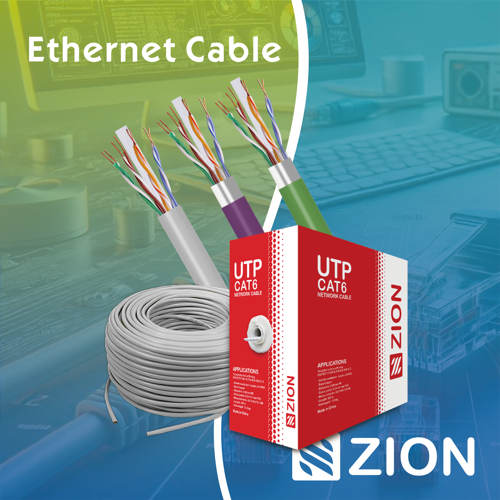 Ethernet CableCat5e to Cat8
 Coaxial CableRF and video signal
 Fire, Security & AlarmSafety systems
 Voice, Audio & VideoSignal cabling
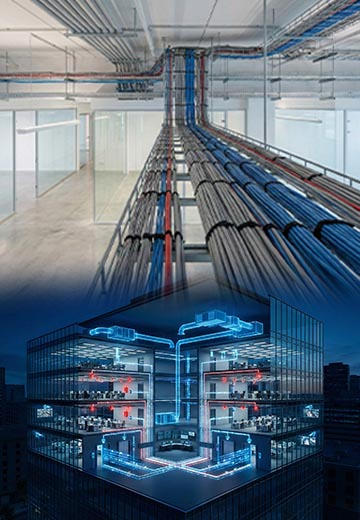 Power & Control CableEnergy and control
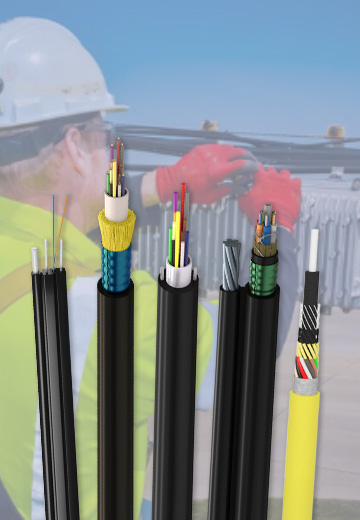
Fiber optic cable systems
Outdoor, indoor, FTTH and distribution cable lines for access networks, backbone routes and campus deployments.
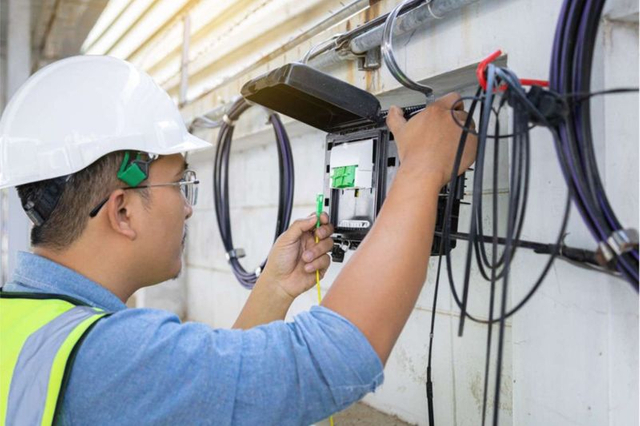 Telecom & ISP NetworksFTTH, PON, ODN
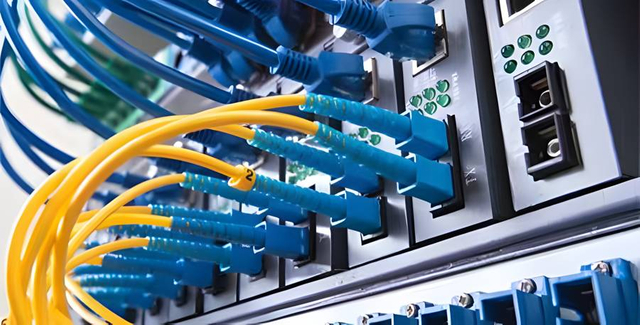 Data Center InfrastructureServer room cabling
 Building Low-Voltage SystemsBMS, AV, weak current
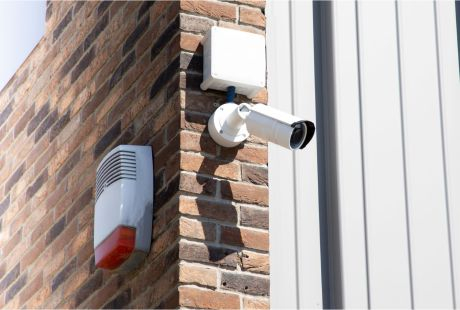 Security & Fire ProtectionAlarm, CCTV, access
 Industrial Automation CablePLC, RS485, fieldbus
 Energy & Power InfrastructureSolar, battery, power
Telecom & ISP Networks
For FTTH / PON access, outdoor fiber deployment, aerial routes, duct routes, direct burial routes, rural broadband and ODN planning.
Tools
Use calculators and planning tools for conduit capacity, PoE voltage drop and fiber optic link loss budget work.