G.652 and G.657 Single-Mode Optical Fibers for Telecom and FTTH from ZION
ZION single-mode optical fiber options cover G.652A, G.652B, G.652.D, G.657.A1 and G.657.A2 for telecom, access, backbone, FTTH, indoor routing, cable manufacturing and compact tether applications. Start with network compatibility and route bend risk, then confirm wavelength, attenuation, mode field diameter, cutoff wavelength, coating, proof test, packaging and project-specific test documentation.
Which single-mode optical fiber should I choose?
For conventional telecom and backbone work, begin with the required G.652 category. For FTTH, indoor routing or compact pathways where bending is a larger risk, compare G.657.A1 and G.657.A2. The range contains seven entries, including five standard-specific products, one combined G.652.D/G.657.A1 option and one G.652.D production overview.
![G.652A single-mode optical fiber]()
G.652A
Single-Mode Optical Fiber
A standard single-mode option positioned for telecom, access networks and general fiber cable projects. Consider it when the project explicitly specifies G.652A; confirm the full transmission and geometry specification before ordering.
View Product Details →![G.652B single-mode optical fiber]()
G.652B
Long-Distance Single-Mode Fiber
Positioned for long-distance telecom, backbone and standard fiber cable projects. Choose G.652B only when it matches the system design and procurement standard; request the applicable optical specification for the selected supply.
View Product Details →![G.652.D low-water-peak single-mode optical fiber]()
G.652.D
Low-Water-Peak Single-Mode Fiber
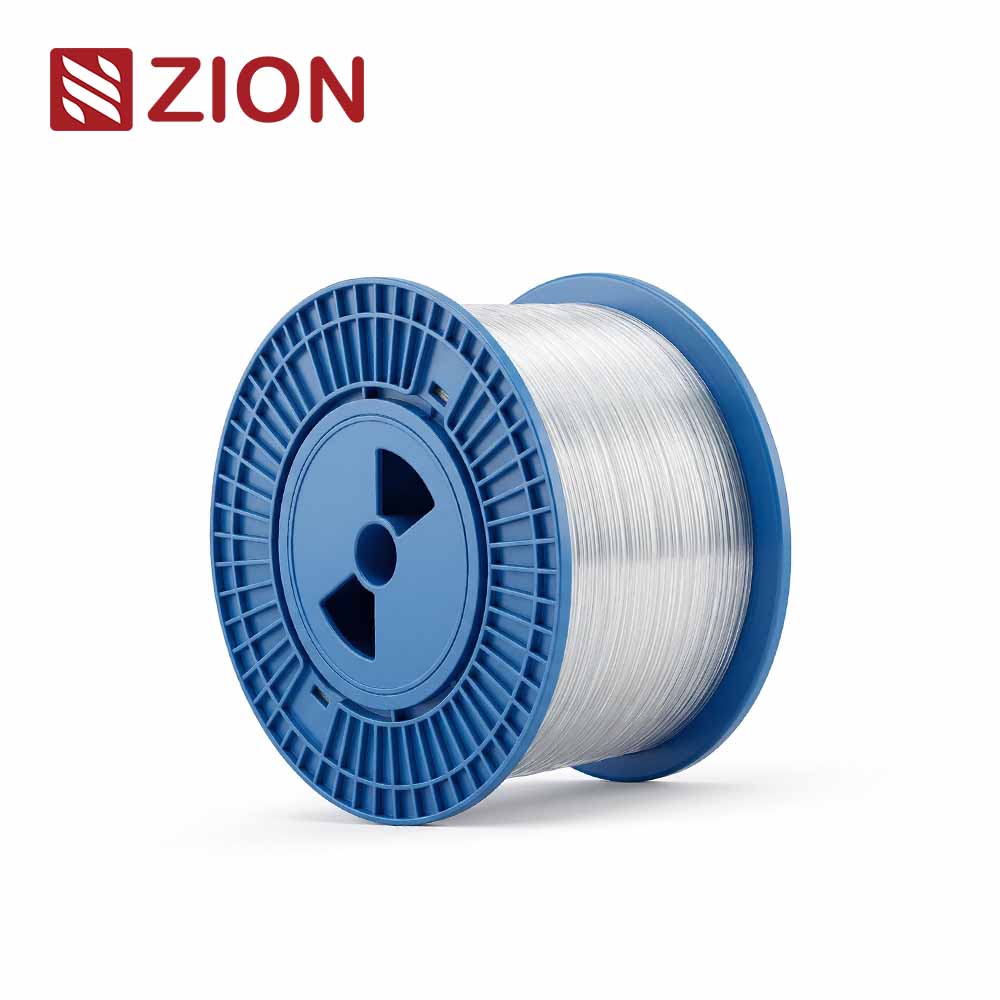
A low-water-peak single-mode option for telecom backbone, access networks and standard fiber cable applications. It is a practical starting point for mainstream single-mode projects, subject to system and customer specification.
View Product Details →![G.657.A1 bend-insensitive single-mode optical fiber]()
G.657.A1
Bend-Insensitive Single-Mode Fiber
Designed for better bend tolerance than standard G.652.D in FTTH, drop cable, indoor routing and access networks. Consider G.657.A1 when the route is compact but does not require the tighter-bend positioning of G.657.A2.
View Product Details →![G.657.A2 bend-insensitive single-mode optical fiber]()
G.657.A2
Enhanced Bend-Insensitive Single-Mode Fiber
Positioned for FTTH, dense indoor routing, compact terminal boxes and drone or FPV fiber systems where bend exposure is more demanding. Confirm the required minimum bend radius and compatibility with the complete link.
View Product Details →![G.652.D and G.657.A1 single-mode optical fiber options]()
G.652.D / G.657.A1
Combined Single-Mode Fiber Option
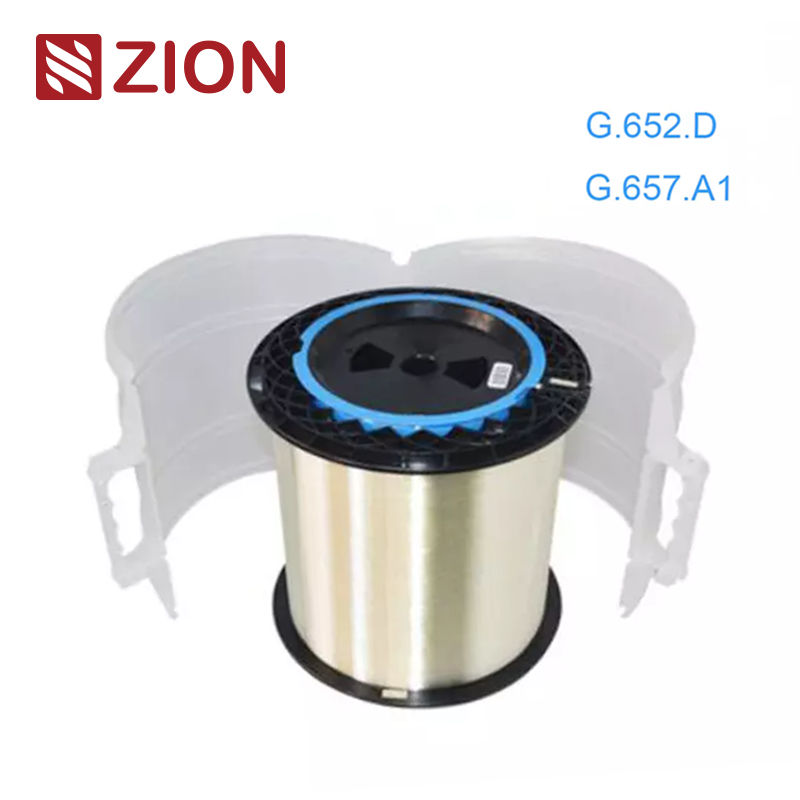
A combined product entry covering G.652.D for telecom use and G.657.A1 where improved bend tolerance is needed. Specify one standard for the actual order and request the corresponding technical sheet.
View Product Details →![G.652.D single-mode optical fiber production overview]()
G.652.D OVERVIEW
Optical Fiber Production Overview
A production-focused entry for monomode G.652.D optical fiber. Use it as a manufacturing reference; use the standard-specific G.652.D product page and an approved technical sheet for procurement specifications.
View Product Details →How do I choose between G.652 and G.657 fiber?
Choose the standard required by the active equipment and network design first. Bend performance is important, but it does not replace checks for attenuation, wavelength range, mode field diameter, cutoff wavelength, splice behavior and compatibility with the installed fiber base.
Standard telecom route?
Start with the specified G.652 category. G.652.D is the low-water-peak option positioned for mainstream backbone and access work, while G.652A or G.652B should be selected when those categories are explicitly required.
FTTH or indoor bends?
Compare G.657.A1 and G.657.A2. G.657.A1 addresses improved bend tolerance for access and indoor routing; G.657.A2 is positioned for more bend-demanding compact routes, terminal boxes and specialty tether uses.
Existing G.652 network?
Do not substitute another category only because it has better bend performance. Confirm splicing, mode field compatibility, wavelength plan, link loss and the network owner's approved fiber specification.
Buying fiber for cabling?
Provide the cable design, process requirements, coating and coloring needs, spool format, proof-test requirement and acceptance tests. The fiber standard alone does not define the delivered package.
Quick comparison of the optical fiber range
Use this table to identify the intended selection path, then request the exact optical and mechanical datasheet. Product positioning does not replace the project standard or network compatibility review.
| Entry | Fiber Category | Selection Direction | Typical Project Context | Must Confirm |
|---|
| G.652A | Single-mode | Specified G.652A projects | Telecom, access and cable manufacturing | Approved technical specification |
| G.652B | Single-mode | Specified G.652B projects | Long-distance telecom and backbone | System design and optical limits |
| G.652.D | Low-water-peak single-mode | Mainstream backbone and access | Telecom and general cable applications | Wavelength, attenuation and compatibility |
| G.657.A1 | Bend-insensitive single-mode | Improved bend tolerance | FTTH, drop cable and indoor access | Bend radius and installed-network compatibility |
| G.657.A2 | Enhanced bend-insensitive single-mode | More demanding compact routes | FTTH, terminal boxes and tether systems | Minimum bend radius and link compatibility |
| Combined option | G.652.D or G.657.A1 | Choose one standard for the order | Telecom, data center and networking supply | Standard-specific datasheet |
| Production overview | G.652.D reference | Manufacturing information | Production review | Use a standard-specific sheet for purchase |
Where do these optical fibers fit?
The range is centered on single-mode transmission, but each category answers a different route or compatibility need. The finished cable design still determines environmental, mechanical and fire performance.
Telecom backbone
Use the specified G.652 category for conventional backbone and transport projects. Confirm system wavelengths, span loss, splice plan and the operator's approved fiber specification.
Access and FTTH
G.657.A1 and G.657.A2 address bend exposure in access drops, indoor pathways and compact closures. Select the category according to actual bend risk and compatibility requirements.
Cable manufacturing
Specify coating, coloring, proof test, spool format and process controls in addition to the fiber category. The cable structure and manufacturing process affect finished-cable performance.
Compact tether systems
G.657.A2 is positioned for compact drone or FPV fiber uses, but bare fiber selection is only one part of the tether design. Verify coating, proof strength, spool geometry, handling and finished-system limits.
Frequently Asked Questions
What is single-mode optical fiber?
Single-mode fiber carries light through a small core for long-reach optical transmission. The ITU-T category defines optical characteristics, while the cable construction supplies the mechanical and environmental protection.
What is the practical difference between G.652.D and G.657.A1?
G.652.D is positioned for mainstream backbone and access use, while G.657.A1 adds improved bend tolerance for FTTH and indoor routing. Confirm compatibility and loss requirements before substituting one for the other.
Should I always choose G.657.A2 for better bend performance?
No. Choose G.657.A2 when the route and product design need its tighter-bend positioning. Network compatibility, splice behavior, cost, customer specification and the finished cable design still matter.
Can I order optical fiber by the standard name alone?
No. The order should also define optical limits, geometry, coating, proof test, coloring, spool length, packaging, test method and acceptance documents.
Does bend-insensitive fiber make any cable safe to bend tightly?
No. Bend-insensitive fiber reduces bend-related optical loss, but the finished cable still has its own minimum bend radius and mechanical limits. Follow the cable datasheet during installation and service.
RFQ Checklist
If the exact grade is not yet selected, describe the network, route and cable-manufacturing process. Include the following details for an accurate fiber proposal:
required ITU-T fiber category and permitted alternatives;
network application, wavelength plan, reach and optical-loss budget;
attenuation, mode field diameter, cutoff wavelength and geometry limits;
bend-performance and compatibility requirements;
coating diameter, color, proof-test level and process requirements;
spool length, quantity, packaging and labeling;
test reports, certificates and acceptance criteria;
destination market and any customer-specific specification.






 Fiber Optic Cable
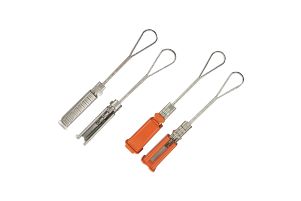 Fiber Optic Tools
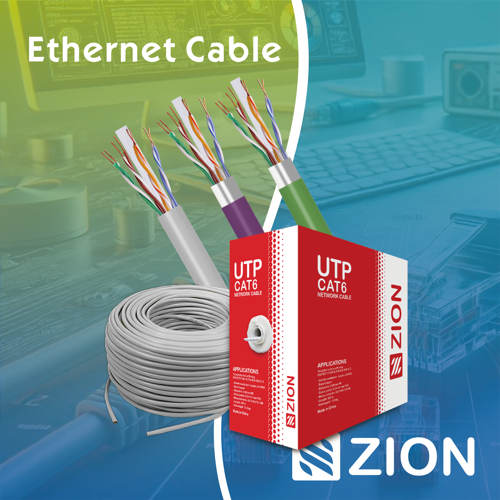 Ethernet Cable
 Coaxial Cable
 Fire & Security Cable
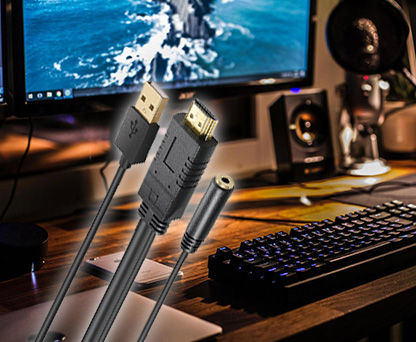 Voice, Audio & Video
 Power & Control Cable