ASU optical cable--reduce the cost of operators' 5G network deployment
Author: Site Editor Publish Time: 28-02-2022 Origin: Site
ASU Fiber Optic Cable for Aerial Access Networks ASU cable is a compact, all-dielectric, self-supporting fiber optic cable designed for short-span aerial access and distribution routes. Its small diameter and low weight can simplify transport and installation, but the span, weather load, hardware, fiber count, and mechanical ratings must be selected for the actual route.
■What Is an ASU Fiber Optic Cable?
ASU is a self-supporting unitube aerial cable format widely used in access networks, particularly in Latin American markets. A typical design places the optical fibers in one central loose tube and uses two fiber-reinforced plastic (FRP) strength members inside a compact outdoor sheath. Because the load-bearing elements are dielectric, a standard ASU cable does not need a separate metallic messenger.
ASU describes a cable construction family rather than one universal performance specification. Fiber count, rated span, cable diameter, tensile strength, crush resistance, temperature range, water blocking, and sheath material can vary by model and manufacturer. The project datasheet must therefore be checked before ordering or installation.
■How ASU Cable Can Reduce Access-Network Costs
A compact cable can reduce material use, shipping volume, drum weight, handling effort, and load on poles and support hardware. A self-supporting design can also remove the need for a separate messenger wire on routes for which the cable is qualified. These characteristics may lower the installed cost of short-span aerial distribution compared with a heavier cable selected for more demanding conditions.
Cost savings are project-specific. Pole rental rules, make-ready work, route access, installation labor, fittings, splice closures, testing, wind and ice loads, and maintenance requirements can outweigh the cable purchase price. ASU should be compared with ADSS, figure-8 cable, duct cable, and other alternatives using the same route assumptions and required service life.

■ASU Cable Construction
The compact construction combines optical protection and tensile support in one round cable. A common ASU design includes:
Optical fibers: selected for the transmission system and arranged inside a central loose tube.
Loose tube: isolates the fibers from part of the mechanical strain and contains gel or another water-blocking system, depending on the design.
Two FRP strength members: carry the aerial tensile load without introducing conductive metal.
Water-blocking elements: limit longitudinal moisture movement inside the cable.
Outdoor sheath: protects the cable from ultraviolet exposure, moisture, abrasion, and normal installation handling within the product rating.

■ASU vs ADSS and Figure-8 Cable
ASU cableBest suited to qualified short-span aerial access and distribution routes where low weight, compact dimensions, and an all-dielectric construction are priorities. Fiber counts and span classes are normally more limited than those of the broader ADSS category.
ADSS cableCovers a wider range of fiber counts, spans, loading conditions, and utility applications. Long spans and installations near power infrastructure require route-specific cable design, sag-tension calculations, fittings, and electrical-environment evaluation.
Figure-8 aerial cableUses an integrated messenger, often metallic, to carry the span load. It can be practical on suitable routes, but a metallic messenger changes grounding, bonding, lightning, clearance, and handling requirements.
■Where ASU Cable Fits in 5G and FTTx Networks
5G transport and fixed broadband networks need fiber between aggregation points, access nodes, radio sites, buildings, and subscriber areas. ASU can fit the aerial portion of these networks when existing poles provide short, repeatable spans and the required fiber count falls within the cable's qualified range.
Typical uses include rural and suburban distribution, FTTx feeder or distribution sections, campus links, and connections to distributed radio or access equipment. ASU does not by itself determine network capacity: bandwidth and reach depend on the fiber type, transceivers, topology, splice and connector losses, optical budget, and active-network design.
■How to Specify an ASU Cable
The current ZION range identifies ASU-80 and ASU-120 variants, but the number in a product name should not be treated as the only design input. The ZION ASU fiber optic cable product page lists the available model-level construction and mechanical data. Confirm the final datasheet and route calculation for every project.
Span and route geometry: pole spacing, line angles, elevation changes, clearance, pole condition, and attachment position.
Environmental load: design wind, ice where applicable, temperature range, ultraviolet exposure, salt, pollution, vegetation, and wildlife.
Optical requirements: fiber type, fiber count, wavelength, link length, splice plan, optical budget, and future spare capacity.
Mechanical requirements: rated tensile load, crush resistance, minimum bend radius, cable diameter, weight, and allowable installation tension.
Delivery and testing: drum length, marking, packaging, fiber attenuation, dimensional checks, and the required factory and field test records.

■Installation and Hardware Considerations
Hardware is not universal. Suspension clamps, dead ends, brackets, storage devices, and attachment methods must match the cable diameter, tensile rating, span, pole type, route angle, and environmental load. Excessive clamping pressure, pulling tension, twisting, or bending can damage the sheath or create additional optical attenuation.
Before installation, verify pole capacity and clearances, prepare a sag-tension plan, and confirm the manufacturer's dynamic bend radius and pulling limits. After installation, inspect the cable and fittings, check splice and connector quality, and complete insertion-loss or OTDR testing according to the project acceptance plan.

■Frequently Asked Questions
Is ASU cable the same as ADSS?
ASU is an all-dielectric self-supporting cable format, but it normally uses a compact single-tube construction for short-span access routes. ADSS is a broader category with designs covering more fiber counts, spans, loads, and utility applications.
Can ASU cable be installed near power lines?
Its dielectric construction avoids a metallic current path, but installation near energized infrastructure still requires approved clearances, work practices, fittings, pole assessment, and an electrical-environment review by qualified personnel.
Does ASU cable always reduce project cost?
No. Its low weight and compact design can reduce material, transport, and installation effort, but total cost depends on the route, poles, hardware, make-ready work, labor, testing, maintenance, and required service life.
What information is needed for an ASU cable quotation?
Provide the fiber type and count, pole spacing, route length, wind and ice conditions, temperature range, pole and attachment details, required standards, cable length per drum, quantity, destination, and testing or documentation requirements.



 Fiber Optic Tools
Products 6 families
Solutions 6 markets
Resources Tools & docs
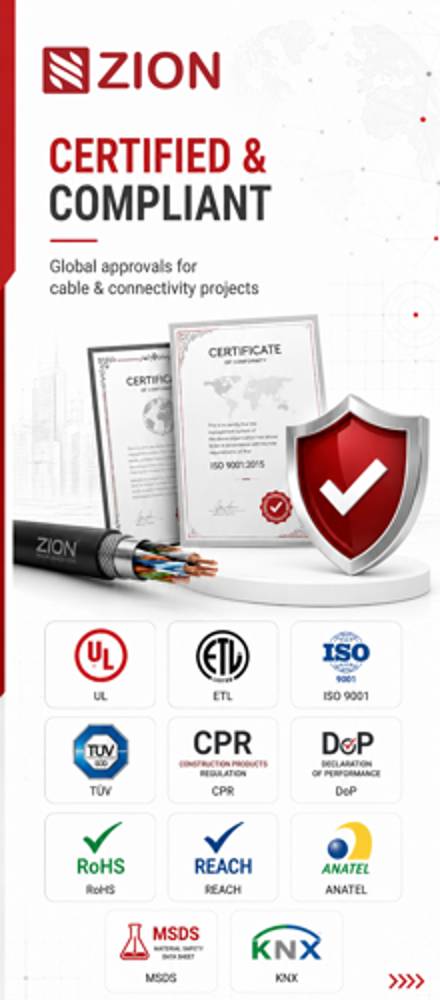
Certificate
Certification and compliance references for project review, qualification and purchasing documentation.
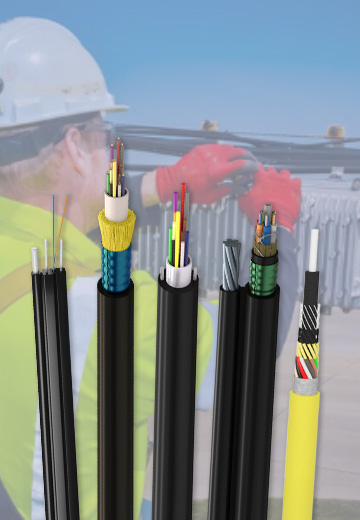 Fiber Optic CableAccess and backbone
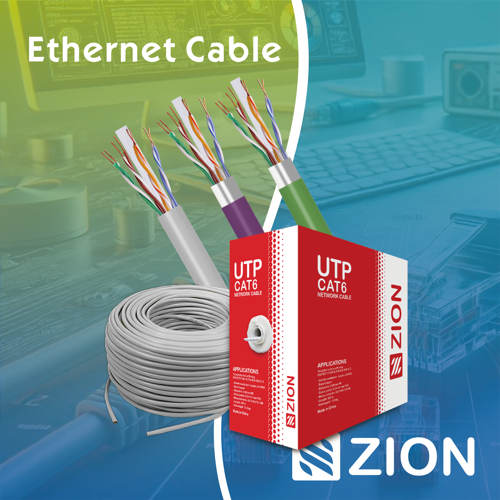 Ethernet CableCat5e to Cat8
 Coaxial CableRF and video signal
 Fire, Security & AlarmSafety systems
 Voice, Audio & VideoSignal cabling
 Power & Control CableEnergy and control
Fiber optic cable systems
Outdoor, indoor, FTTH and distribution cable lines for access networks, backbone routes and campus deployments.
 Telecom & ISP NetworksFTTH, PON, ODN
 Data Center InfrastructureServer room cabling
 Building Low-Voltage SystemsBMS, AV, weak current
 Security & Fire ProtectionAlarm, CCTV, access
 Industrial Automation CablePLC, RS485, fieldbus
 Energy & Power InfrastructureSolar, battery, power
Telecom & ISP Networks
For FTTH / PON access, outdoor fiber deployment, aerial routes, duct routes, direct burial routes, rural broadband and ODN planning.
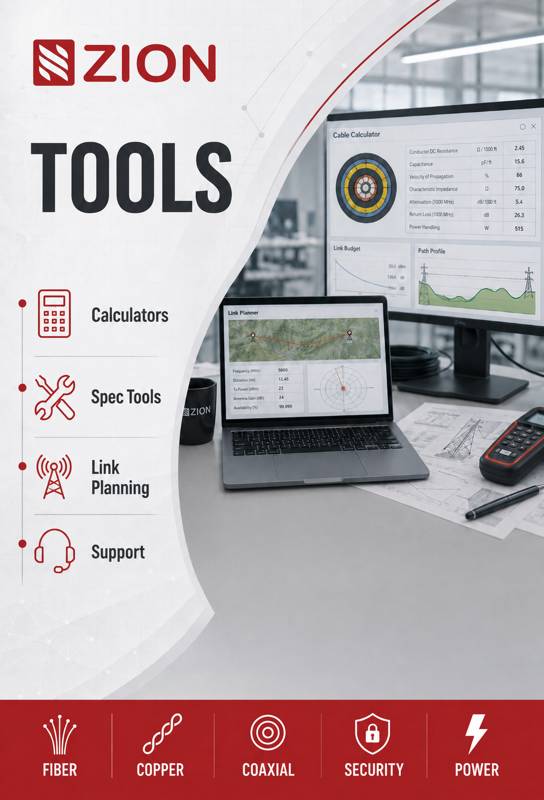
Tools
Use calculators and planning tools for conduit capacity, PoE voltage drop and fiber optic link loss budget work.