



What Is RS485 Cable?
RS485 cable is a balanced twisted-pair communication cable used with the RS-485 electrical standard. Two conductors carry opposite versions of the data signal, allowing the receiver to reject common electrical noise. This differential signaling, combined with controlled impedance and correct installation, supports reliable multi-drop communication over long industrial routes.
A purpose-built RS485 cable for Modbus or RS485 cable for BACnet is selected as a complete transmission channel—not by protocol name alone. The engineer should confirm characteristic impedance, capacitance, conductor resistance, pair count, shielding, jacket, topology, termination, baud rate and device limits.
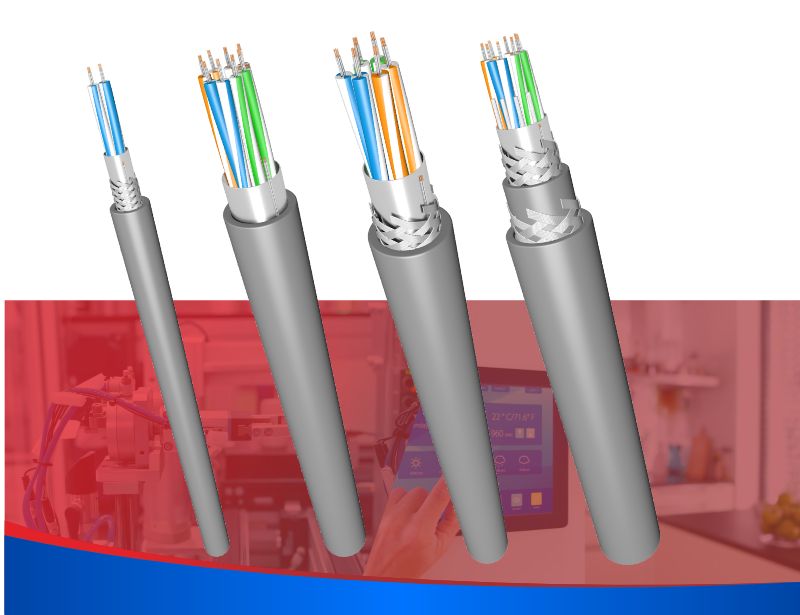
Where RS485 Cable Is Used
PLC, HMI, meter, VFD and remote-I/O links using two-wire or four-wire serial communication.
Building controllers, HVAC equipment, sensors and actuators on a daisy-chain field bus.
Long routes and multi-drop networks where differential signaling improves noise immunity.
Access control, CCTV telemetry, lighting control and other low-voltage data systems.
RS485 Cable Selection Guide
| Selection factor | Recommended starting point | Engineering reason |
|---|---|---|
| Impedance | 120 ohm RS485 cable, within equipment tolerance | Helps the cable and termination resistor form a matched transmission line. |
| Conductor | 24 AWG for longer runs; 28 AWG for compact, shorter multi-pair links | Larger conductors reduce loop resistance; confirm the exact RS485 conductor gauge by calculation. |
| Capacitance | Choose a low capacitance RS485 cable for long distance or higher speed | Lower total capacitive load preserves signal-edge quality and timing margin. |
| Shield | Foil for light EMI; foil + braid for industrial EMI; add armor for mechanical risk | A shielded RS485 cable improves rejection of coupled noise when bonded correctly. |
| Jacket | PVC, LSZH Eca, CMP/FEP, outdoor PE or armored LSZH | Fire, smoke, UV, moisture, oil and installation-code requirements differ by route. |
| Pair count | 1 pair for common half-duplex buses; 2 pairs for four-wire or auxiliary needs | one pair vs two pair RS485 must follow the equipment pinout and system architecture. |
Shielding and jacket options
Foil shielding provides complete coverage and is economical for indoor, low-EMI routes. Foil plus 65–90% tinned-copper braid improves conductivity, mechanical strength and high-frequency shielding for industrial control. A steel-wire braid layer adds mechanical protection for demanding routes. Jacket choices include flexible PVC, low-smoke zero-halogen LSZH, plenum-rated CMP/FEP and UV- and water-resistant PE.
Modbus RTU and BACnet MS/TP
A Modbus RTU cable and a BACnet MS/TP cable commonly share the same 120-ohm RS485 physical-layer requirements. However, controller manuals can set different baud rates, biasing arrangements, node limits, grounding instructions and approved cable properties. Treat the device documentation and adopted project standard as the final authority.
Distance, Topology and Termination
RS485 can operate over approximately 1,200 m (4,000 ft) of suitable twisted-pair cable at lower data rates under favorable conditions. This is a design reference, not a guaranteed length. The real RS485 cable distance depends on baud rate, cable capacitance and resistance, transceiver loading, number of devices, stub length, shielding, termination and the noise environment.
Use a linear daisy-chain trunk wherever practical. A passive RS485 star topology creates branch points that can reflect signal energy. Keep stubs short, and install an RS485 termination resistor matching the cable impedance at each physical end of the trunk—not at every device.

ZION 120-Ohm RS485 Cable Product Range
The range below consolidates the available constructions from foil-only indoor cable through foil-and-braid, plenum, outdoor and armored options. All listed models are designed around a nominal 120-ohm communication construction; request the model-specific data sheet for tolerances, dimensions, electrical test values and approval scope.
| SKU / series | Conductor and pairs | Insulation | Shield / armor | Jacket | Typical suitability |
|---|---|---|---|---|---|
| 73004 / 73005 / 73006 / 73012 | 4, 5, 8 or 12.5 pairs; 28 AWG stranded tinned copper | FPE | Aluminum-polyester foil | PVC | Indoor, low-EMI multi-pair control |
| 73102 / 73103 / 73104 / 73105 | 2, 3, 4 or 5 pairs; 28 AWG stranded tinned copper | FPE | Foil + 65% tinned-copper braid | PVC | Indoor industrial control |
| 73106 / 73112 / 73118 / 73125 | 8, 12.5, 18 or 25 pairs; 28 AWG stranded tinned copper | FPE | Foil + 65% tinned-copper braid | PVC | Indoor multi-pair systems |
| 73201 / 73202 / 73203 / 73204 | 1, 2, 3 or 4 pairs; 24 AWG stranded tinned copper | PE | Foil + 90% tinned-copper braid | PVC | Indoor, higher EMI or longer distance |
| 732011 / 732021 / 732031 / 732041 | 1, 2, 3 or 4 pairs; 24 AWG stranded tinned copper | PE | Foil + 90% tinned-copper braid | LSZH Eca | Indoor, low-smoke and halogen-free routes |
| 732013 / 732023 | 1 or 2 pairs; 24 AWG stranded tinned copper | FEP (1P) or PE (2P) | Foil + 90% tinned-copper braid | PVC CMP | Indoor plenum applications |
| 732014 / 732024 | 1 or 2 pairs; 24 AWG stranded tinned copper | FEP | Foil + 90% tinned-copper braid | FEP CMP | Plenum and oil-resistant applications |
| 732025 | 2 pairs; 24 AWG stranded tinned copper | PE | Foil + 90% tinned-copper braid | PE | Indoor/outdoor, sunlight, water and below-grade conduit |
| 732016 / 732026 / 732036 / 732046 | 1, 2, 3 or 4 pairs; 24 AWG stranded tinned copper | FPE | Foil + 90% braid + steel-wire braid | LSZH / SWB / LSZH | Armored cable for harsh industrial routes |
Compare RS485 Cable Series Before Choosing a Model
Start with the installation environment and shielding level, then choose conductor size and pair count. This prevents readers from comparing 29 nearly similar model names at once.
Indoor, plenum, outdoor or mechanically exposed.
Foil, foil + braid, or braid + steel-wire armor.
Select 1–4 pairs for most buses or a multi-pair 28 AWG model.
Series Comparison
| Series | Model range | Shielding | Jacket | Best fit |
|---|---|---|---|---|
| 730 SeriesEconomical indoor | 73004–73012 | Aluminum-polyester foil | PVC | Indoor, low EMI |
| 731 SeriesIndustrial multi-pair | 73102–73125 | Foil + 65% tinned-copper braid | PVC | Indoor industrial, moderate EMI |
| 732 SeriesCore recommendation | 73201–73204 | Foil + 90% tinned-copper braid | PVC | Indoor, long distance or higher EMI |
| 732 SeriesLow smoke / halogen-free | 732011–732041 | Foil + 90% tinned-copper braid | LSZH Eca | Indoor public areas, data and control rooms |
| 732 SeriesPlenum-rated | 732013–732024 | Foil + 90% tinned-copper braid | PVC CMP or FEP CMP | Plenum and high-temperature indoor routes |
| 732025Outdoor / wet route | 732025 | Foil + 90% tinned-copper braid | PE | Indoor/outdoor, wet or UV-exposed routes |
| 7320x6 SeriesMaximum protection | 732016–732046 | Foil + 90% braid + steel-wire braid | LSZH / SWB / LSZH | Harsh industrial and mechanically exposed routes |
Economical indoor730 Series · Foil ShieldBest for indoor, low-EMI projects that need multiple 28 AWG pairs at a cost-conscious specification.4 models
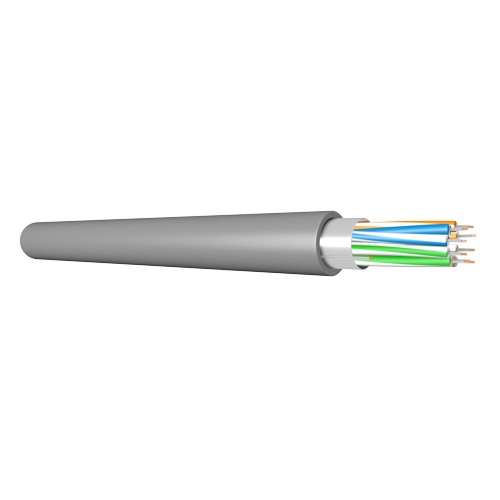
Best for indoor, low-EMI projects that need multiple 28 AWG pairs at a cost-conscious specification.
- Conductor
- 28AWG
- Pair count
- 4 pairs
- Shield
- Aluminum-polyester foil
- Jacket
- PVC
RS485-232 Cable, 28AWG 4PR, Foil, PVC,120Ω
View 73004 details →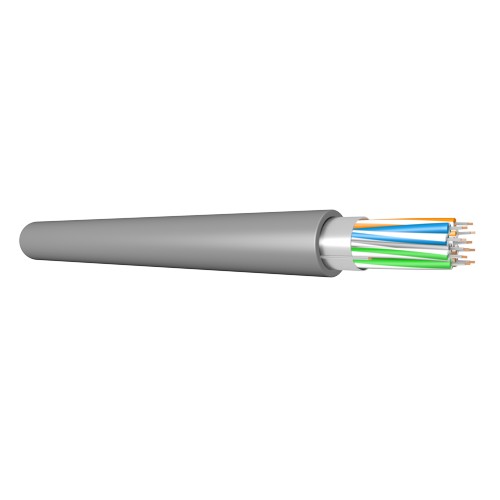
Best for indoor, low-EMI projects that need multiple 28 AWG pairs at a cost-conscious specification.
- Conductor
- 28AWG
- Pair count
- 5 pairs
- Shield
- Aluminum-polyester foil
- Jacket
- PVC
28AWG 5PR, Foil, PVC,120Ω
View 73005 details →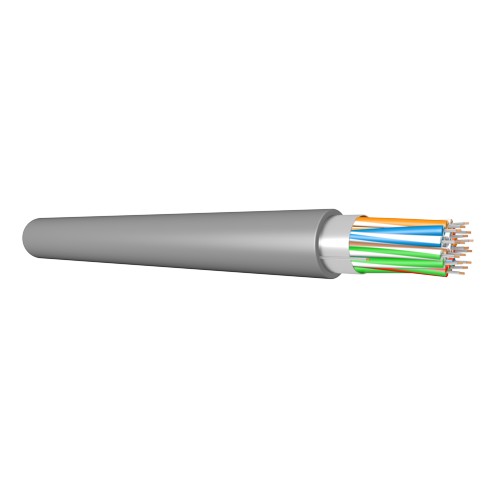
Best for indoor, low-EMI projects that need multiple 28 AWG pairs at a cost-conscious specification.
- Conductor
- 28AWG
- Pair count
- 8 pairs
- Shield
- Aluminum-polyester foil
- Jacket
- PVC
28AWG 8PR, Foil, PVC, 120Ω
View 73006 details →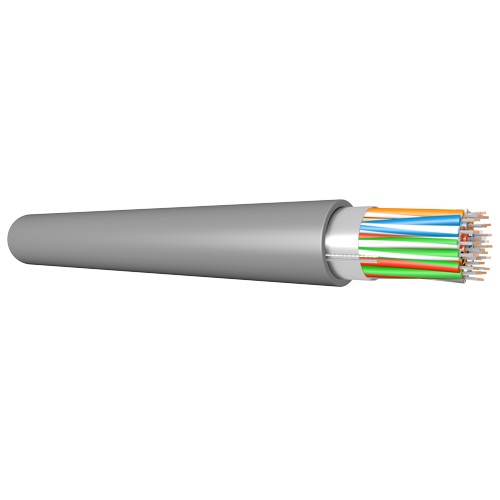
Best for indoor, low-EMI projects that need multiple 28 AWG pairs at a cost-conscious specification.
- Conductor
- 28AWG
- Pair count
- 12.5 pairs
- Shield
- Aluminum-polyester foil
- Jacket
- PVC
28AWG 12.5PR, Foil, PVC, 120Ω
View 73012 details →Industrial multi-pair731 Series · Foil + 65% BraidAdds tinned-copper braid over foil for stronger EMI protection while retaining 2–25 pair flexibility.8 models
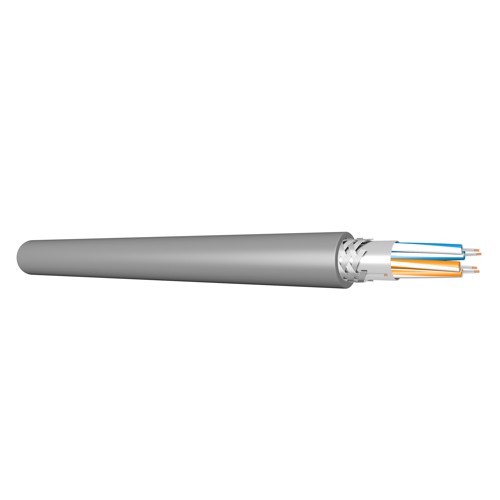
Adds tinned-copper braid over foil for stronger EMI protection while retaining 2–25 pair flexibility.
- Conductor
- 28AWG
- Pair count
- 2 pairs
- Shield
- Foil + 65% tinned-copper braid
- Jacket
- PVC
28AWG 2PR, Foil+Braid, PVC, 120Ω
View 73102 details →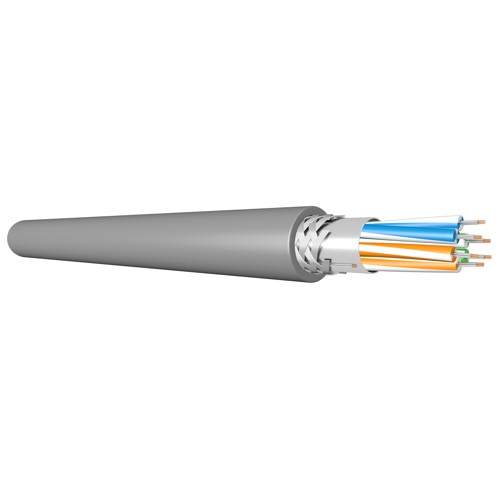
Adds tinned-copper braid over foil for stronger EMI protection while retaining 2–25 pair flexibility.
- Conductor
- 28AWG
- Pair count
- 3 pairs
- Shield
- Foil + 65% tinned-copper braid
- Jacket
- PVC
28AWG 3PR, Foil+Braid, PVC, 120Ω
View 73103 details →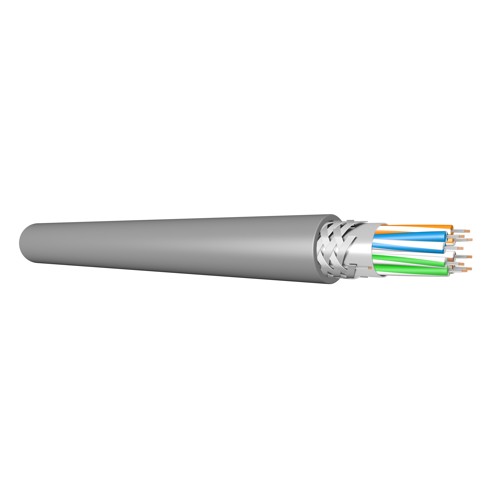
Adds tinned-copper braid over foil for stronger EMI protection while retaining 2–25 pair flexibility.
- Conductor
- 28AWG
- Pair count
- 4 pairs
- Shield
- Foil + 65% tinned-copper braid
- Jacket
- PVC
28AWG 4PR, Foil+Braid, PVC, 120Ω
View 73104 details →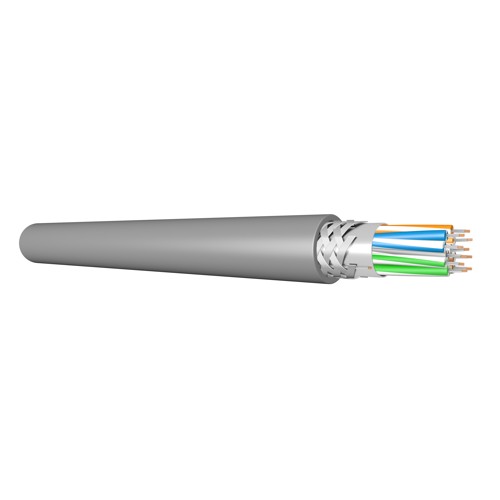
Adds tinned-copper braid over foil for stronger EMI protection while retaining 2–25 pair flexibility.
- Conductor
- 28AWG
- Pair count
- 5 pairs
- Shield
- Foil + 65% tinned-copper braid
- Jacket
- PVC
28AWG 5PR, Foil+Braid, PVC, 120Ω
View 73105 details →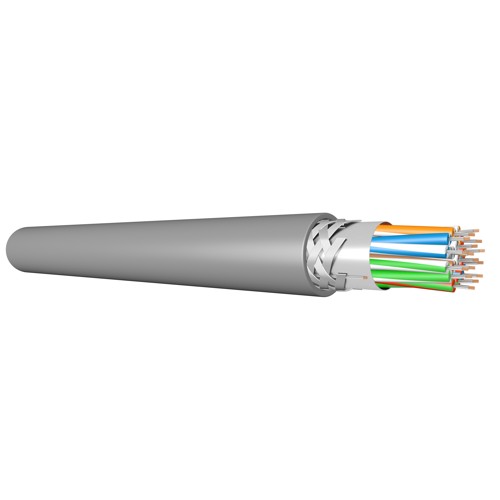
Adds tinned-copper braid over foil for stronger EMI protection while retaining 2–25 pair flexibility.
- Conductor
- 28AWG
- Pair count
- 8 pairs
- Shield
- Foil + 65% tinned-copper braid
- Jacket
- PVC
28AWG 8PR, Foil+Braid, PVC, 120Ω
View 73106 details →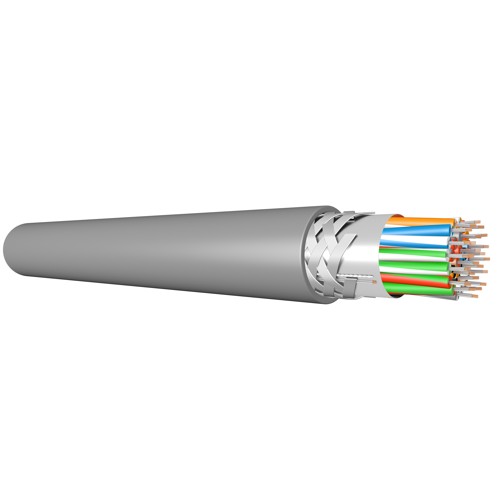
Adds tinned-copper braid over foil for stronger EMI protection while retaining 2–25 pair flexibility.
- Conductor
- 28AWG
- Pair count
- 12.5 pairs
- Shield
- Foil + 65% tinned-copper braid
- Jacket
- PVC
28AWG 12.5PR, Foil+Braid, PVC, 120Ω
View 73112 details →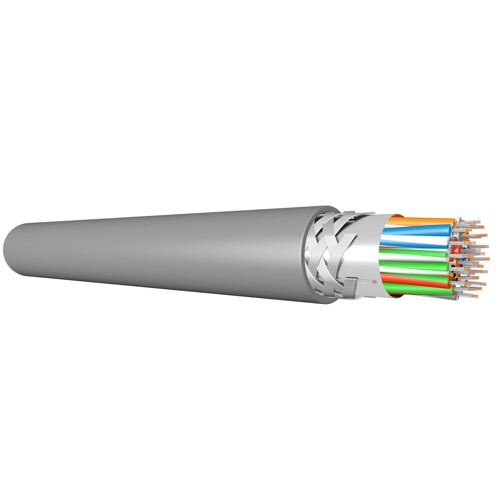
Adds tinned-copper braid over foil for stronger EMI protection while retaining 2–25 pair flexibility.
- Conductor
- 28AWG
- Pair count
- 18 pairs
- Shield
- Foil + 65% tinned-copper braid
- Jacket
- PVC
28AWG 18PR, Foil+Braid, PVC, 120Ω
View 73118 details →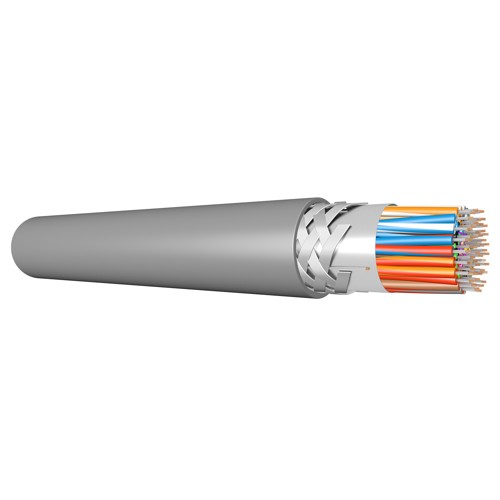
Adds tinned-copper braid over foil for stronger EMI protection while retaining 2–25 pair flexibility.
- Conductor
- 28AWG
- Pair count
- 25 pairs
- Shield
- Foil + 65% tinned-copper braid
- Jacket
- PVC
28AWG 25PR, Foil+Braid, PVC, 120Ω
View 73125 details →Core recommendation732 Series · 90% Braid + PVC24 AWG, 1–4 pair construction with 90% braid coverage for longer routes and demanding indoor control networks.4 models
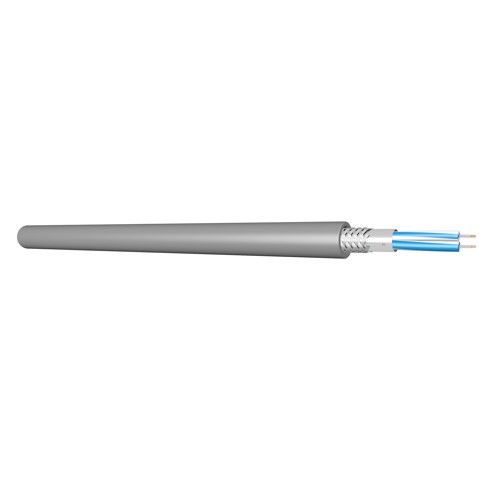
24 AWG, 1–4 pair construction with 90% braid coverage for longer routes and demanding indoor control networks.
- Conductor
- 24AWG
- Pair count
- 1 pair
- Shield
- Foil + 90% tinned-copper braid
- Jacket
- PVC
24AWG 1P, Foil+Braid, PVC, 120Ω
View 73201 details →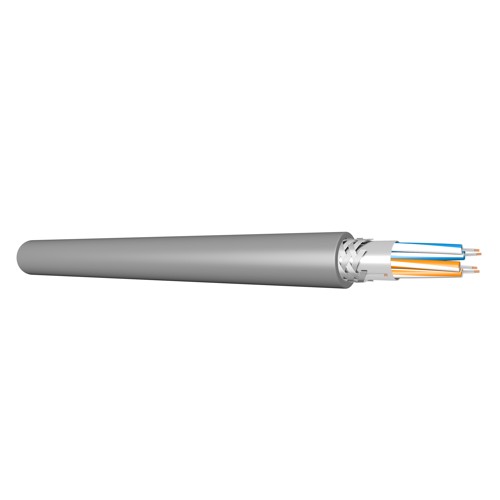
24 AWG, 1–4 pair construction with 90% braid coverage for longer routes and demanding indoor control networks.
- Conductor
- 24AWG
- Pair count
- 2 pairs
- Shield
- Foil + 90% tinned-copper braid
- Jacket
- PVC
24AWG 2P, Foil+Braid, PVC, 120Ω
View 73202 details →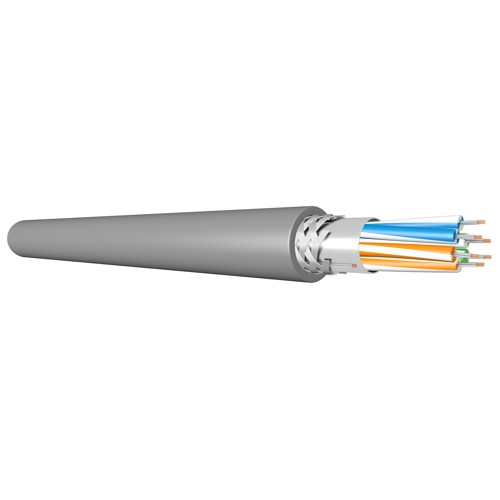
24 AWG, 1–4 pair construction with 90% braid coverage for longer routes and demanding indoor control networks.
- Conductor
- 24AWG
- Pair count
- 3 pairs
- Shield
- Foil + 90% tinned-copper braid
- Jacket
- PVC
24AWG 3P, Foil+Braid, PVC, 120Ω
View 73203 details →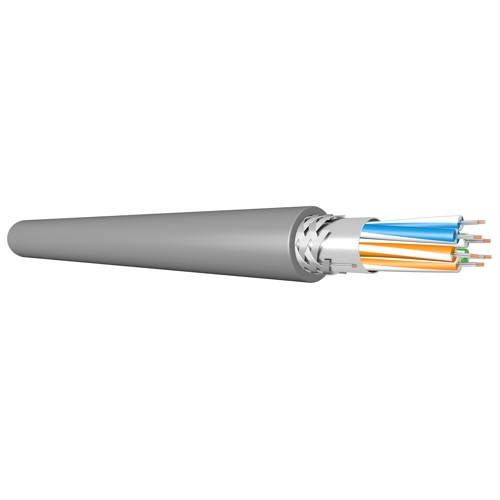
24 AWG, 1–4 pair construction with 90% braid coverage for longer routes and demanding indoor control networks.
- Conductor
- 24AWG
- Pair count
- 4 pairs
- Shield
- Foil + 90% tinned-copper braid
- Jacket
- PVC
24AWG 4P, Foil+Braid, PVC, 120Ω
View 73204 details →Low smoke / halogen-free732 Series · LSZH EcaFor occupied indoor spaces where low-smoke, halogen-free performance is part of the project specification.4 models
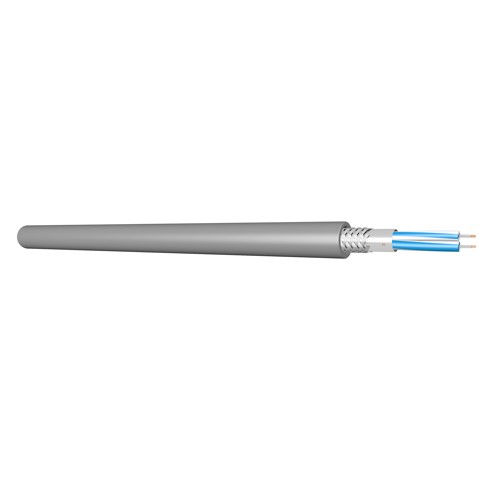
For occupied indoor spaces where low-smoke, halogen-free performance is part of the project specification.
- Conductor
- 24AWG
- Pair count
- 1 pair
- Shield
- Foil + 90% tinned-copper braid
- Jacket
- LSZH Eca
24AWG 1P, Foil+Braid, LSZH Eca, 120Ω
View 732011 details →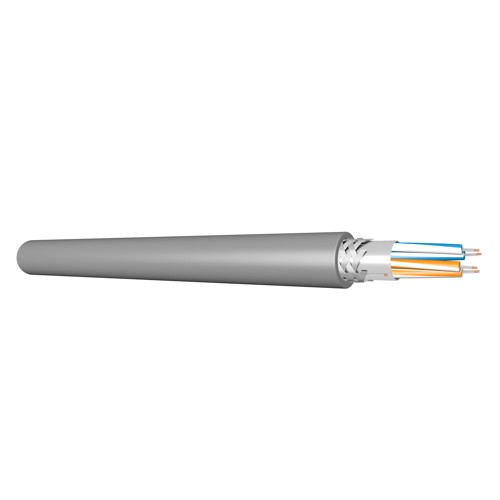
For occupied indoor spaces where low-smoke, halogen-free performance is part of the project specification.
- Conductor
- 24AWG
- Pair count
- 2 pairs
- Shield
- Foil + 90% tinned-copper braid
- Jacket
- LSZH Eca
24AWG 2P, Foil+Braid, LSZH Eca, 120Ω
View 732021 details →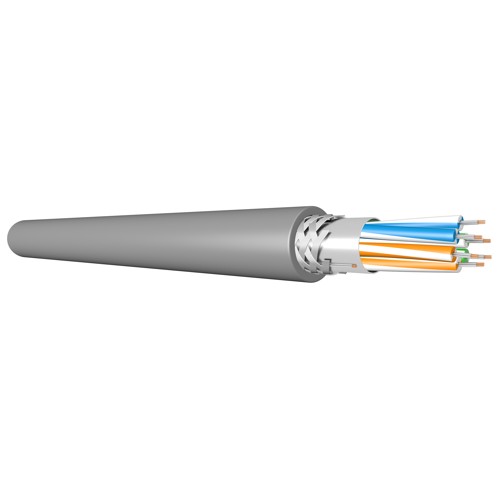
For occupied indoor spaces where low-smoke, halogen-free performance is part of the project specification.
- Conductor
- 24AWG
- Pair count
- 3 pairs
- Shield
- Foil + 90% tinned-copper braid
- Jacket
- LSZH Eca
24AWG 3P, Foil+Braid, LSZH Eca, 120Ω
View 732031 details →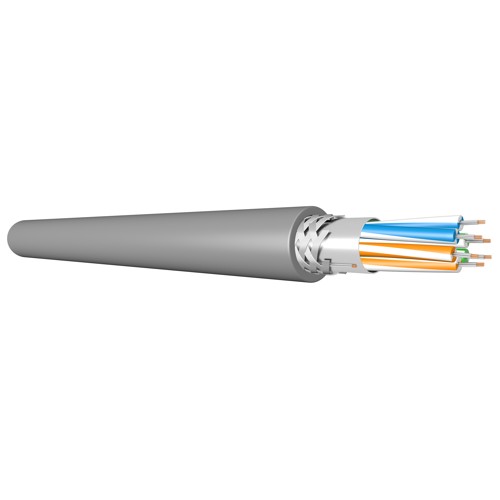
For occupied indoor spaces where low-smoke, halogen-free performance is part of the project specification.
- Conductor
- 24AWG
- Pair count
- 4 pairs
- Shield
- Foil + 90% tinned-copper braid
- Jacket
- LSZH Eca
24AWG 4P, Foil+Braid, LSZH Eca, 120Ω
View 732041 details →Plenum-rated732 Series · CMP / FEPPVC CMP and FEP CMP choices for return-air plenums, IT rooms and routes requiring higher fire performance.4 models
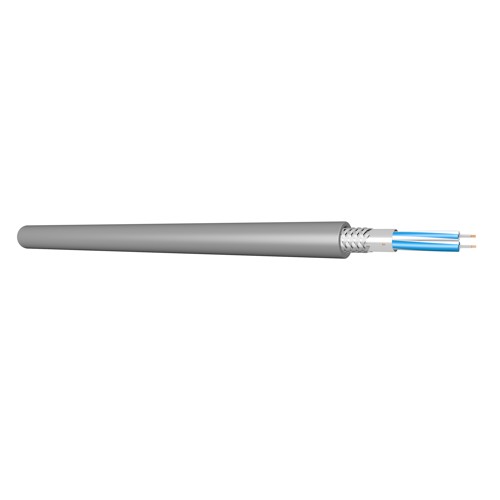
PVC CMP and FEP CMP choices for return-air plenums, IT rooms and routes requiring higher fire performance.
- Conductor
- 24AWG
- Pair count
- 1 pair
- Shield
- Foil + 90% tinned-copper braid
- Jacket
- PVC CMP
24AWG 1P, Foil+Braid, PVC CMP, 120Ω
View 732013 details → PVC CMP and FEP CMP choices for return-air plenums, IT rooms and routes requiring higher fire performance.
- Conductor
- 24AWG
- Pair count
- 1 pair
- Shield
- Foil + 90% tinned-copper braid
- Jacket
- FEP CMP
24AWG 1P, Foil+Braid, PVC CMP, 120Ω
View 732014 details →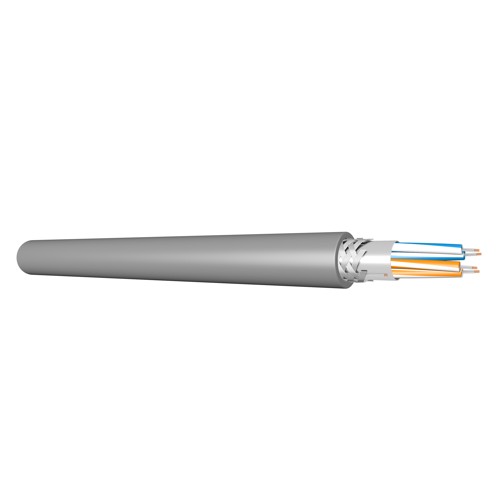
PVC CMP and FEP CMP choices for return-air plenums, IT rooms and routes requiring higher fire performance.
- Conductor
- 24AWG
- Pair count
- 2 pairs
- Shield
- Foil + 90% tinned-copper braid
- Jacket
- PVC CMP
24AWG 2P, Foil+Braid, PVC CMP, 120Ω
View 732023 details →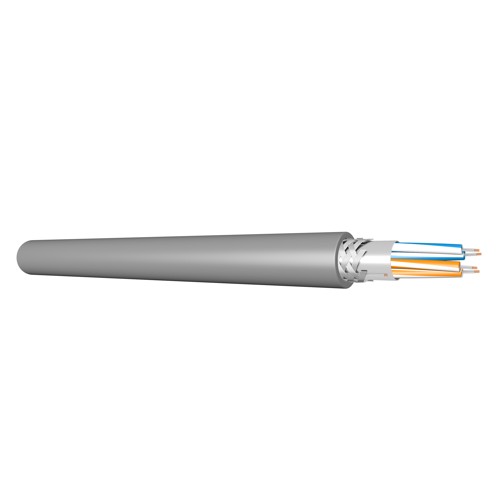
PVC CMP and FEP CMP choices for return-air plenums, IT rooms and routes requiring higher fire performance.
- Conductor
- 24AWG
- Pair count
- 2 pairs
- Shield
- Foil + 90% tinned-copper braid
- Jacket
- FEP CMP
24AWG 2P, Foil+Braid, FEP CMP, 120Ω
View 732024 details →Outdoor / wet route732025 · Outdoor PEA 2-pair PE-jacketed option for sunlight, water exposure and below-grade conduit.1 model
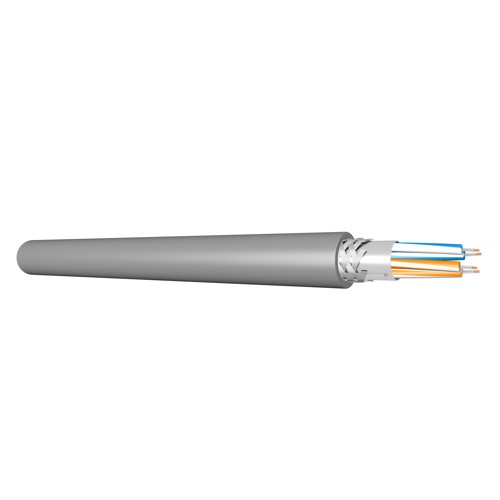
A 2-pair PE-jacketed option for sunlight, water exposure and below-grade conduit.
- Conductor
- 24AWG
- Pair count
- 2 pairs
- Shield
- Foil + 90% tinned-copper braid
- Jacket
- PE
24AWG 2P, Foil+Braid, PE, 120Ω
View 732025 details →Maximum protection7320x6 Series · SWB ArmoredAdds steel-wire braid and an LSZH outer construction for harsh routes requiring both EMI and mechanical protection.4 models
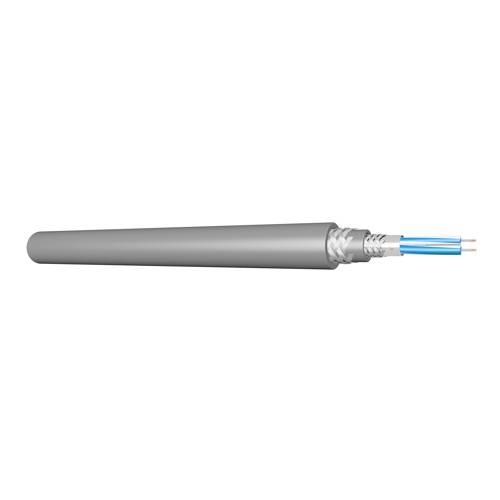
Adds steel-wire braid and an LSZH outer construction for harsh routes requiring both EMI and mechanical protection.
- Conductor
- 24AWG
- Pair count
- 1 pair
- Shield
- Foil + 90% braid + steel-wire braid
- Jacket
- LSZH / SWB / LSZH
24AWG 1P, Foil+Braid, LSZH-SWB-LSZH, 120Ω
View 732016 details →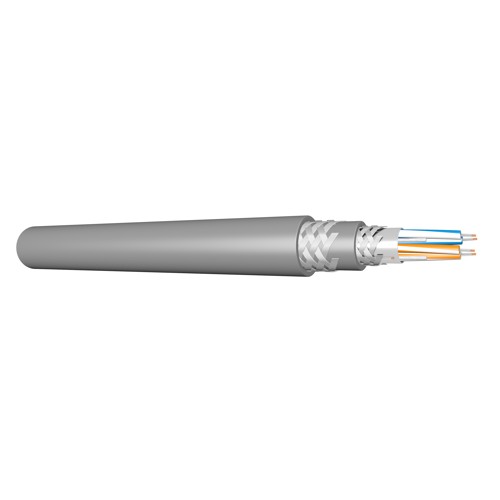
Adds steel-wire braid and an LSZH outer construction for harsh routes requiring both EMI and mechanical protection.
- Conductor
- 24AWG
- Pair count
- 2 pairs
- Shield
- Foil + 90% braid + steel-wire braid
- Jacket
- LSZH / SWB / LSZH
24AWG 2P, Foil+Braid, LSZH-SWB-LSZH, 120Ω
View 732026 details →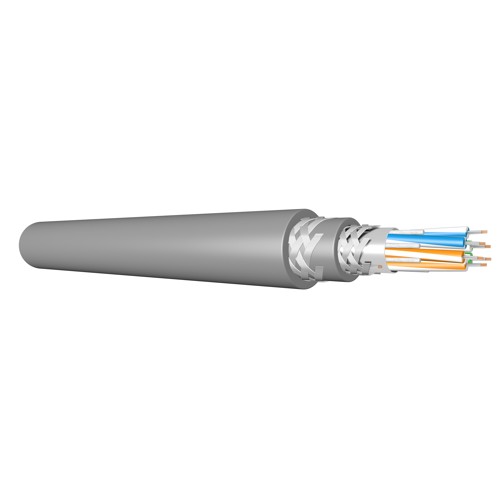
Adds steel-wire braid and an LSZH outer construction for harsh routes requiring both EMI and mechanical protection.
- Conductor
- 24AWG
- Pair count
- 3 pairs
- Shield
- Foil + 90% braid + steel-wire braid
- Jacket
- LSZH / SWB / LSZH
24AWG 3P, Foil+Braid, LSZH-SWB-LSZH, 120Ω
View 732036 details →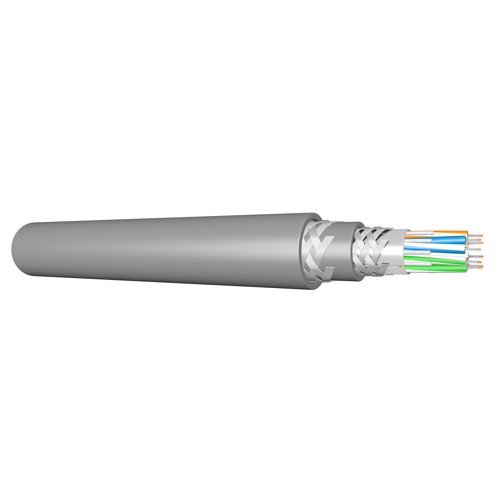
Adds steel-wire braid and an LSZH outer construction for harsh routes requiring both EMI and mechanical protection.
- Conductor
- 24AWG
- Pair count
- 4 pairs
- Shield
- Foil + 90% braid + steel-wire braid
- Jacket
- LSZH / SWB / LSZH
24AWG 4P, Foil+Braid, LSZH-SWB-LSZH, 120Ω
View 732046 details →OEM RS485 Cable and RFQ Checklist
ZION is an RS485 cable manufacturer offering model selection and OEM RS485 cable support. Custom options can include pair count, conductor gauge, shielding coverage, jacket compound and color, sequential length marking, private labeling, reel length, packaging and test documents.
- State the protocol: Modbus RTU, BACnet MS/TP or another RS-485 application.
- Provide baud rate, total trunk length, stub length, topology and expected RS485 device count.
- Specify nominal impedance, maximum capacitance, conductor gauge and pair count.
- Describe the RS485 cable noisy environment, routing near power equipment and the RS485 shield grounding plan.
- Define indoor, outdoor, plenum, LSZH, oil, UV, water, armor and local code requirements.
- Confirm quantity, unit length, printing, packaging, destination, certificates and test reports.
RS485 Cable Questions and Answers
What cable should I use for RS485 communication?
Use a balanced twisted-pair communication cable whose characteristic impedance matches the transceiver network—typically 120 ohms. Choose conductor gauge, capacitance, shielding and jacket for the route length, baud rate, electrical noise and installation environment.
What is the best RS485 cable for Modbus RTU?
For most two-wire Modbus RTU networks, specify one 120-ohm balanced twisted pair with low capacitance. Use a shielded RS485 cable in industrial areas, keep the trunk in a daisy chain and confirm all details against the device manuals.
What cable is suitable for BACnet MS/TP?
A purpose-built RS485 cable for BACnet MS/TP normally has a 120-ohm balanced pair, low capacitance and an appropriate fire-rated or outdoor jacket. Select shielding and conductor size according to the controller vendor, route and local code.
How far can RS485 operate over twisted-pair cable?
RS485 cable distance can reach about 1,200 m (4,000 ft) at lower data rates under favorable conditions. Higher baud rates, high cable capacitance, long stubs, more nodes and electrical noise reduce the practical distance, so verify the complete channel.
Should RS485 cable be shielded?
Shielding is strongly recommended near motors, VFDs, relays, fluorescent lighting and power cables. An unshielded pair may work on a short, quiet route, but the equipment requirements and EMC design should make the final decision.
Does RS485 cable need 120-ohm impedance?
Most RS485 networks are designed around cable with approximately 120-ohm characteristic impedance. Matching the cable and end termination reduces reflections; always follow the transceiver or controller specification when it states another value or tolerance.
Can CAT6 cable be used for RS485?
CAT6 for RS485 can work on some short, low-speed links, but Ethernet cable is nominally 100 ohms and is not a universal substitute for a specified 120 ohm RS485 cable. Check impedance, capacitance, gauge, shielding, distance and warranty requirements first.
What conductor size is suitable for long-distance RS485?
A 24 AWG conductor is a common choice for longer RS485 runs because it has lower resistance than 28 AWG. Some projects use 22 AWG for additional margin; calculate voltage drop separately if the same cable also carries device power.
What is the difference between one-pair and two-pair RS485 cable?
One pair normally carries a two-wire, half-duplex RS485 bus such as typical Modbus RTU or BACnet MS/TP. Two pairs can support four-wire full-duplex equipment, separate transmit and receive paths, or a project-specific auxiliary circuit; check the pinout before ordering.
Where can I buy OEM RS485 communication cable?
An experienced RS485 cable manufacturer can supply OEM RS485 cable with custom pair count, gauge, shielding, jacket, printing, packaging and test documentation. Send ZION the protocol, electrical requirements, route, environment, quantity and required approvals for a model-level quotation.
Can RS485 use a star topology?
A passive RS485 star topology is generally discouraged because branches create impedance discontinuities and reflections. Use a linear daisy-chain trunk; when multiple branches are unavoidable, use correctly engineered repeaters, hubs or isolated segments.
Why should RS485 stubs be kept short?
A stub behaves like an unterminated branch. If it is too long relative to signal rise time, the reflected energy returns to the trunk and can distort data edges, so connect devices with the shortest practical drop.
Where should RS485 termination resistors be installed?
Install a termination resistor matching the cable impedance at each physical end of the main RS485 trunk—normally two terminations total. Do not terminate every device, and distinguish end termination from fail-safe biasing.
Should the RS485 shield be grounded at one end or both ends?
Single-point grounding is often used to limit low-frequency ground-loop current. Some high-frequency EMC designs bond both ends when equipotential bonding is controlled. Follow the equipment maker and site grounding plan; never use the shield as the signal reference conductor.
What is the maximum number of devices on an RS485 bus?
Classic RS485 allows 32 standard unit loads on one segment. Modern 1/2-, 1/4- or 1/8-unit-load transceivers can permit more—often up to 64, 128 or 256 electrically—but the protocol, controller, addressing, timing and repeaters may impose lower limits.
How does cable capacitance affect RS485 distance?
Cable capacitance loads the driver and slows signal edges. Lower-capacitance RS485 cable generally provides more margin for long routes and higher baud rates, while total capacitance increases with cable length and connected devices.
What cable should be used for Modbus in noisy environments?
Use a 120-ohm, low-capacitance Modbus RTU cable with twisted conductors and robust shielding. Foil plus tinned-copper braid provides stronger EMI protection than foil alone; combine it with correct routing, termination and shield bonding.
Technical Contact

Michael — Product Manager and Chief Executive Officer
Specializes in copper communications, security systems and network cabling.
Email: michael@zion-communication.com
Phone: +86 13757188184


