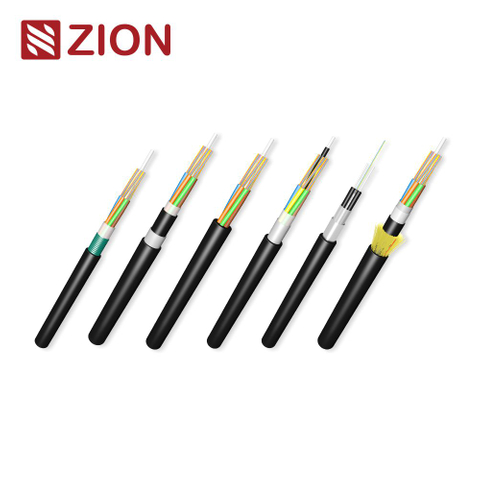


SERIES OVERVIEW
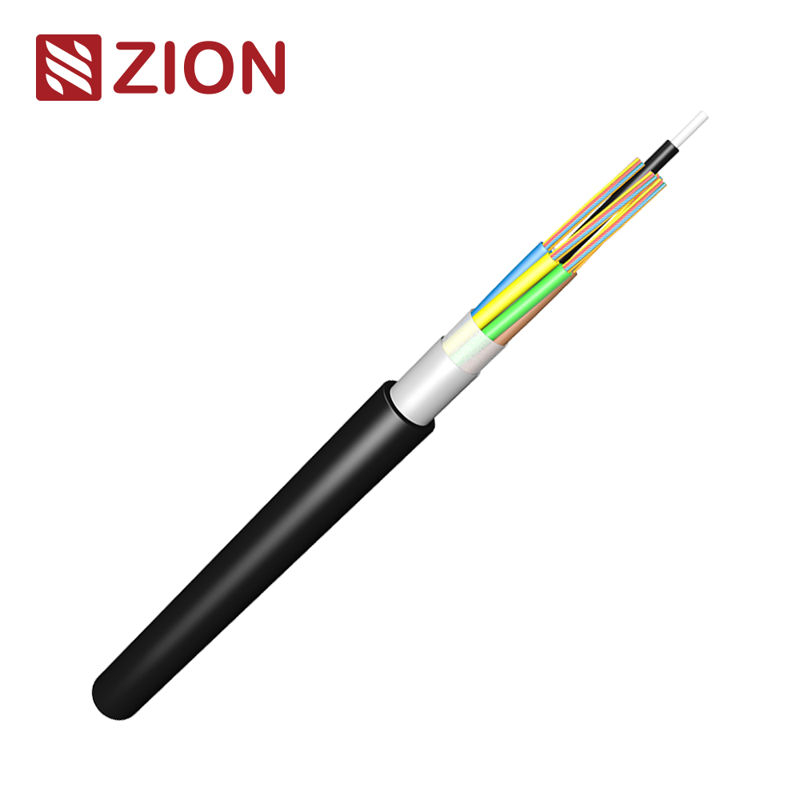
GYTA / GYTS / GYFTY Series
A starting point for comparing APL-armored, PSP-armored and all-dielectric stranded loose-tube duct cables. Use it to select a structural family, then confirm the exact model data.
View Product Details →Duct fiber optic cables are outdoor cables designed to be pulled or installed through protective conduit. ZION offers central-tube and stranded loose-tube constructions with APL, PSP, FRP tape, glass yarn or non-armored protection, plus gel-filled and semi-dry options. Choose by duct condition, pulling load, crush risk, metallic restrictions, water exposure, rodents, fiber count and installation method.
Start with the duct environment and installation method, then choose the tube layout, strength member, armor and water-blocking system. This range contains 18 product entries; final fiber count, dimensions and mechanical ratings must be confirmed for the selected construction.
SERIES OVERVIEW
A starting point for comparing APL-armored, PSP-armored and all-dielectric stranded loose-tube duct cables. Use it to select a structural family, then confirm the exact model data.
View Product Details →DROP CABLE
A light-armored bow-type drop cable for access segments. Consider it for the final duct or outdoor drop section; confirm the suffix, armor, fiber count and permitted installation method.
View Product Details →APL ARMOR
A stranded loose-tube cable with APL armor. Consider it when a metallic moisture barrier and moderate radial protection are required; confirm the central strength member and grounding rules.
View Product Details →PSP ARMOR
A stranded loose-tube cable with PSP armor for stronger radial protection than a non-armored design. Confirm pulling tension, crush rating, metallic bonding and duct size.
View Product Details →SEMI-DRY PSP
A semi-dry stranded loose-tube cable with PSP armor. Consider it when cleaner preparation is wanted without giving up metallic radial protection; verify the completed water-penetration performance.
View Product Details →GFRP + APL
A stranded loose-tube design with a GFRP central strength member and APL armor. Use it when the strength member should be non-metallic but an aluminum-polyethylene barrier is acceptable.
View Product Details →GFRP + PSP
A GFRP-centered stranded loose-tube cable with PSP armor. Consider it where stronger radial protection is required while avoiding a metallic central strength member; the cable still contains metallic armor.
View Product Details →NON-ARMORED GFRP
A GFRP-centered stranded loose-tube design without named metallic armor. Consider it for protected ducts with moderate mechanical risk; confirm whether every component is non-metallic.
View Product Details →FRP TAPE + DOUBLE SHEATH
A stranded loose-tube cable with FRP tape and double sheath for anti-rodent and anti-bird protection. Match the barrier to the local pest severity and confirm duct fill.
View Product Details →UNITUBE + FRP RODS
A compact uni-tube cable reinforced with FRP rods. Consider it for lower-count protected duct routes where small diameter is useful; verify pulling load, bend radius and crush resistance.
View Product Details →ALL-DIELECTRIC
An all-dielectric stranded loose-tube cable with a GFRP central strength member. Use it when metallic components are not permitted; confirm radial protection and rodent requirements separately.
View Product Details →SEMI-DRY DIELECTRIC
A semi-dry all-dielectric stranded loose-tube construction. Consider it when non-metallic design and cleaner cable preparation are both required; verify water penetration and pulling performance.
View Product Details →GLASS YARN + DOUBLE SHEATH
An all-dielectric double-sheath cable with glass-yarn anti-rodent protection. Use it where metallic armor is prohibited but pest risk remains; confirm the severity and test requirement.
View Product Details →APL ARMOR
An APL-armored stranded loose-tube cable for conventional duct networks. Confirm the metallic central member, fiber count, cable diameter and permitted pulling tension.
View Product Details →PSP ARMOR
A PSP-armored stranded loose-tube cable for routes needing metallic radial protection. Confirm duct condition, crush exposure, pulling load and bonding requirements.
View Product Details →NON-ARMORED STRANDED
A non-armored stranded loose-tube cable for protected conduit with lower mechanical risk. It can reduce diameter and weight, but does not provide the radial barrier of APL or PSP armor.
View Product Details →CENTRAL TUBE + PSP
A compact central-tube design with PSP armor. Consider it for lower-count duct routes needing radial protection; verify steel-wire elements, diameter and bend radius.
View Product Details →NON-ARMORED CENTRAL TUBE
A compact non-armored central-tube cable for well-protected duct routes. Use it where low diameter is more important than armor; confirm pulling and crush limits.
View Product Details →Choose the installation method and route hazards first. The cable must fit the duct and survive pulling, bending, water and radial loads without adding armor or materials that the route does not need.
For pulling, specify duct length, bends, pulling equipment, lubricant and maximum tension. For air installation, confirm that the exact cable has the diameter, mass, stiffness and surface design required by the blowing system.
Central-tube cables are compact and suit lower-count routes. Stranded loose-tube cables provide more capacity and structural flexibility; compare diameter, mass, access method and fiber count.
Use non-armored cable in protected ducts with controlled pulling and low radial risk. APL adds a metallic moisture barrier, while PSP is considered for stronger radial protection; both require review of metallic bonding and lightning exposure.
Specify continuous or intermittent water exposure, duct drainage and entry sealing. Choose gel-filled, semi-dry or dry water blocking only after confirming the completed cable's water-penetration requirement.
Choose an explicitly all-dielectric design such as GYFY when metallic components are prohibited. A GFRP central member alone does not make a cable all-dielectric if APL or PSP armor is still present.
Use a verified barrier such as FRP tape or glass yarn with double sheath when the route assessment identifies pest risk. Match the protection method to the local species and severity.
Use these families to narrow the range, then compare the exact product data sheets for fiber count, outer diameter, mass, tensile load, crush, bend radius and water penetration.
| Family | Typical Models | Protection | Best Starting Point | Main Boundary |
|---|---|---|---|---|
| Central tube | GYXY, GYXTW, GYFXY | None, PSP or FRP rods | Compact lower-count duct routes | Confirm fiber capacity and pulling load |
| APL armored | GYFA, GYFTA, GYTA-1 | Aluminum-polyethylene laminate | Metallic moisture barrier with moderate protection | Not all-dielectric |
| PSP armored | GYFS, GYFTS, GYTS-1, GYXTW | Steel-polyethylene laminate | Higher radial crush exposure | Metallic bonding and diameter |
| All-dielectric | GYFY, GYFY Semi-Dry, GYFY63 | GFRP and optional glass yarn | Routes prohibiting metallic components | Specify radial and pest protection |
| Semi-dry | GYFS Semi-Dry, GYFY Semi-Dry | Swellable materials with reduced gel | Cleaner cable preparation | Verify completed water test |
| Pest resistant | GYFTY73-2, GYFY63 | FRP tape or glass yarn, double sheath | Rodent or bird exposure | Match protection to local severity |
They fit underground conduit routes where the duct provides much of the external mechanical protection. They should not be treated as direct-buried, aerial or continuously flexing cable unless the exact construction is approved for that use.
Use stranded loose-tube cable where higher fiber counts and route growth are priorities. Check duct occupancy, pulling sections, closures and future access.
Compact central-tube or light-armored drop constructions can suit shorter access sections. Confirm the transition from feeder duct to building or outdoor termination.
Use an outdoor PE-sheathed cable with verified longitudinal water blocking, and address duct drainage and entry seals. Water blocking does not correct a failed conduit system.
Select a construction with a supported rodent or bird barrier. Do not assume that every armored cable provides the same pest resistance.
A duct cable relies on conduit protection. Use it in direct soil contact only when the exact construction and data sheet explicitly permit direct burial for the route conditions.
It is an outdoor fiber cable designed for installation inside conduit. The duct supplies much of the external protection, while the cable provides the required pulling strength, water blocking and optical performance.
Duct cable relies on conduit for much of its mechanical protection. Direct-buried cable contacts the soil and normally needs greater crush, impact, water and pest protection.
Only when the selected construction is explicitly approved for direct burial and meets the route's crush, impact, water, sheath and pest requirements.
APL uses an aluminum-polyethylene laminate and primarily adds a metallic moisture barrier with moderate protection. PSP uses a steel-polyethylene laminate and is considered when stronger radial protection is needed; both make the cable metallic.
Specify the water exposure and choose a suitable outdoor sheath plus verified longitudinal water blocking. Gel-filled and semi-dry designs differ in preparation, but both must meet the completed cable water test.
Not by itself. A cable with a GFRP central strength member can still contain APL or PSP metallic armor; choose a model explicitly described as all-dielectric when metal-free construction is required.
Provide the route and installation information below so the supplier can return a suitable construction and count-specific data sheet.
Route length, duct inner diameter, occupancy and material
Pulling, blowing or manual installation method and equipment
Longest pulling section, number and radius of bends, and access points
Fiber type, fiber count, attenuation and spare-capacity target
Maximum cable diameter, mass, pulling tension, crush and bend radius
Water exposure, drainage, temperature and UV exposure at entries
Required APL, PSP, all-dielectric or non-armored construction
Rodent, bird, lightning and metallic bonding restrictions
Gel-filled, semi-dry or dry preparation preference
Applicable standards, water test, marking and test reports
Drum length, quantity, packaging and delivery destination
Any mixed-route sections that require a different cable type
Certification and compliance references for project review, qualification and purchasing documentation.
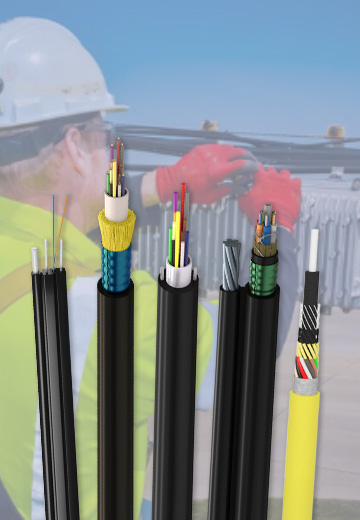 Fiber Optic CableAccess and backbone
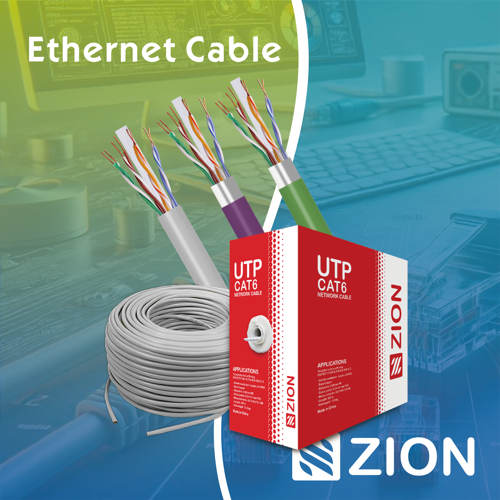 Ethernet CableCat5e to Cat8
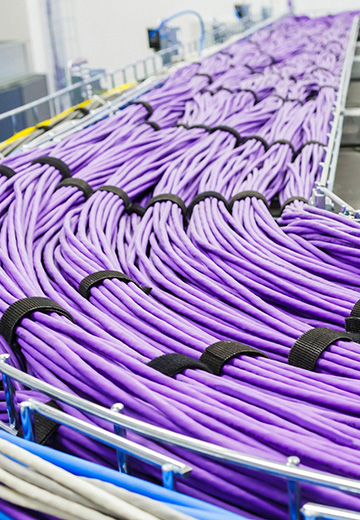 Coaxial CableRF and video signal
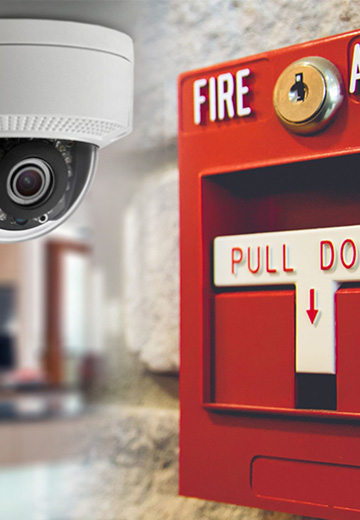 Fire, Security & AlarmSafety systems
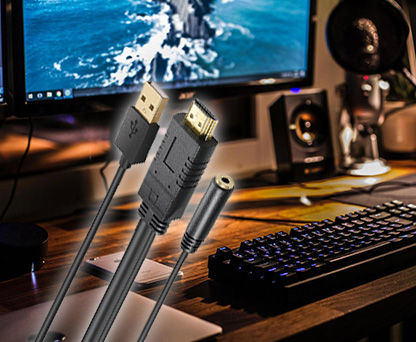 Voice, Audio & VideoSignal cabling
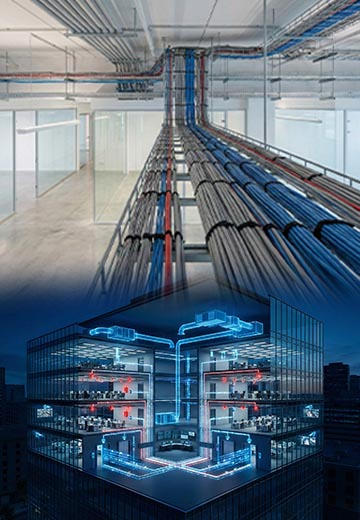 Power & Control CableEnergy and control
Outdoor, indoor, FTTH and distribution cable lines for access networks, backbone routes and campus deployments.
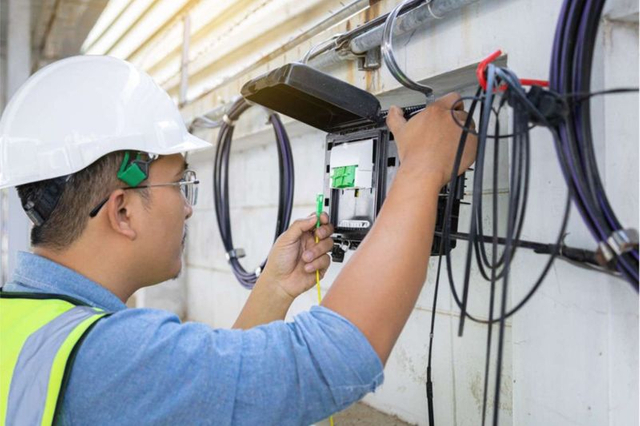 Telecom & ISP NetworksFTTH, PON, ODN
 Data Center InfrastructureServer room cabling
 Building Low-Voltage SystemsBMS, AV, weak current
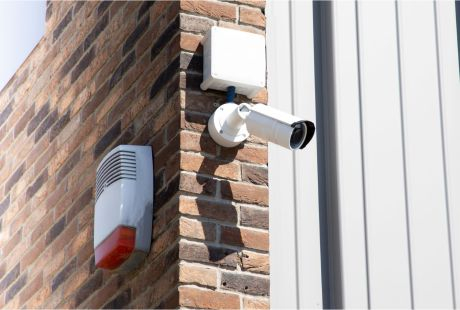 Security & Fire ProtectionAlarm, CCTV, access
 Industrial Automation CablePLC, RS485, fieldbus
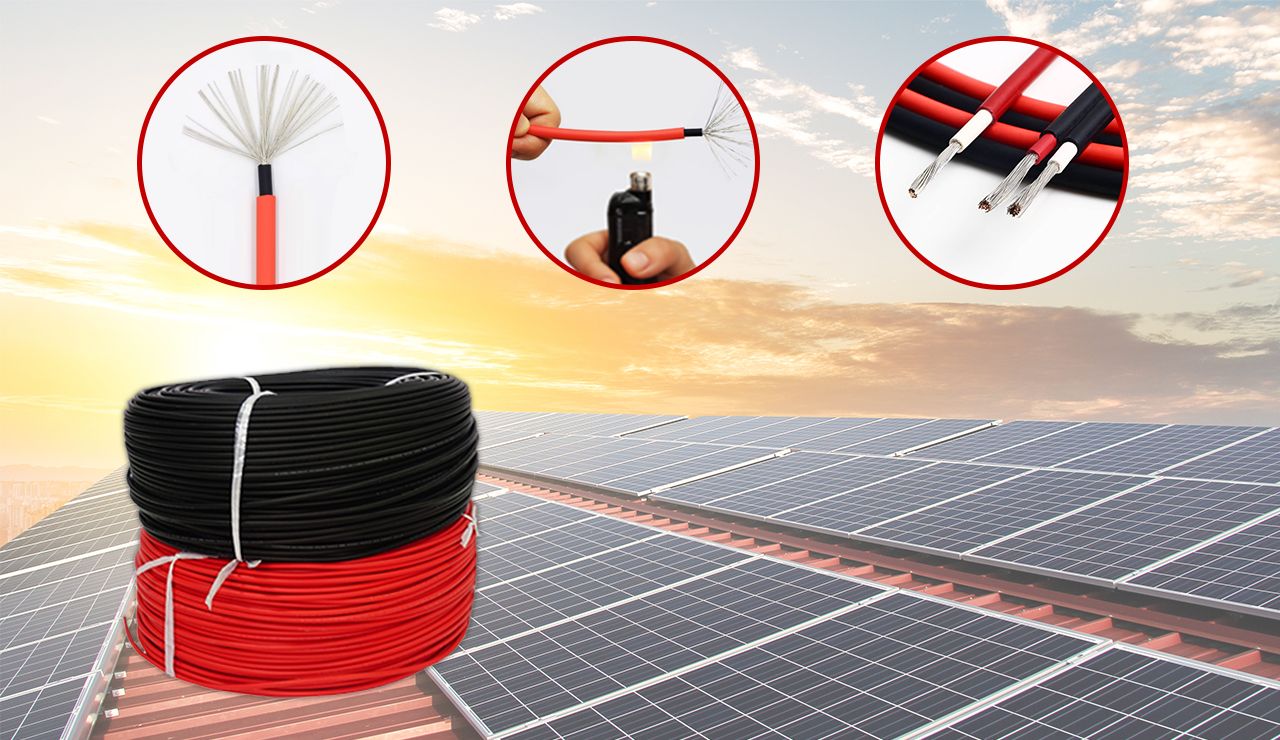 Energy & Power InfrastructureSolar, battery, power
For FTTH / PON access, outdoor fiber deployment, aerial routes, duct routes, direct burial routes, rural broadband and ODN planning.
Use calculators and planning tools for conduit capacity, PoE voltage drop and fiber optic link loss budget work.
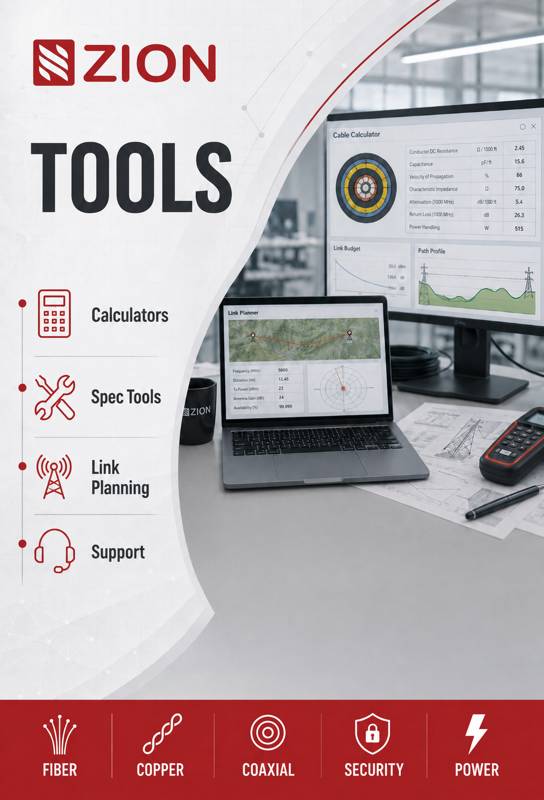





 Fiber Optic Tools