Cable & Wire | High quality and excellent service at reasonable prices.
info@zion-communication.com
Please Select Product Type Please Select Product Type
  • Optical Fiber Cable
    • ADSS cable
      • ADSS Single jacket
        • ADSS 80M Single Sheath

            No classification

        • ADSS 100M Single Sheath

            No classification

        • ADSS 120M Single Sheath

            No classification

      • ADSS Double sheath

          No classification

    • FTTH Drop Cable

        No classification

    • FTTH Drop Optic Patchcord

        No classification

    • Aerial Installation

        No classification

    • OPGW

        No classification

    • Duct Installation

        No classification

    • Direct Buried

        No classification

    • Air Blown Micro

        No classification

    • Cabling in Buildings

        No classification

    • Networks in Rural Areas

        No classification

    • Route Shortage

        No classification

    • Distributed Base Stations

        No classification

    • Biological Protection

        No classification

    • Fire-Resistance

        No classification

    • Fiber Optic Tether System
      • FPV Drone

          No classification

      • FPV Drone Optical Fiber Kit

          No classification

      • Fiber Optic Guidance Wire

          No classification

  • Fiber Optic Tools
    • Fiber Optic Installation Tools/Accessories/Fittings
      • ADSS Cable Guy Grips

          No classification

      • ADSS Cable Suspension Grips

          No classification

      • OPGW Cable Guy Grips

          No classification

      • OPGW Cable Suspension Grips

          No classification

      • Stainless steel strip &buckle

          No classification

      • Stainless Banding Tool

          No classification

      • Aluminum hoop&Pole Bracket

          No classification

      • Hoop Retractor&Pole Brackets

          No classification

      • Fittings

          No classification

      • Immobility Clamp

          No classification

    • FTTH Fiber Optic Tools
      • FTTH stainless steel flat drop cable clamp

          No classification

      • FTTH nylon cable flat drop cable clamp

          No classification

      • FTTH combination flat drop cable clamp

          No classification

      • FTTH Hook

          No classification

      • FTTX ADSS Suspension clamp

          No classification

      • FTTX ADSS Tension clamp

          No classification

    • Fiber Termination Tools

        No classification

    • Fiber Optic Test Tools

        No classification

    • OTDR Accessories

        No classification

    • Fiber Optic Cleaning Tools

        No classification

  • LAN/Ethernet Cable
    • CAT8

        No classification

    • CAT7 / CAT7A
      • CAT7

          No classification

      • CAT7A

          No classification

    • CAT6A
      • U/UTP

          No classification

      • U/FTP

          No classification

      • F/UTP

          No classification

      • F/FTP

          No classification

      • S/FTP

          No classification

      • CAT6A AMOUR/CST

          No classification

    • CAT6
      • U/UTP

          No classification

      • F/UTP

          No classification

      • SF/UTP

          No classification

      • Dual

          No classification

      • Armour CAT6

          No classification

    • CAT5E
      • U/UTP

          No classification

      • F/UTP

          No classification

      • SF/UTP

          No classification

      • Dual

          No classification

    • Copper Patch Cord Cable
      • CAT5E

          No classification

      • CAT6

          No classification

      • CAT6A

          No classification

      • CAT7

          No classification

      • CAT7A

          No classification

      • CAT8

          No classification

      • Special type

          No classification

    • Ethernet Plenum Cable

        No classification

    • Network Cable

        No classification

    • Copper Trunk Cable

        No classification

    • Direct-Burial Outdoor Ethernet Cables

        No classification

  • Coaxial Cable
    • Low Loss Cable

        No classification

    • RF Corrugated Coax Cable
      • 1/4"

          No classification

      • 3/8"

          No classification

      • 1/2"

          No classification

      • 7/8"

          No classification

      • 1 1/4"

          No classification

      • 1 5/8"

          No classification

    • Radiating Leaky Coaxial Cable

        No classification

    • RG MIL-C-17 Cable

        No classification

    • PTFE-FEP Coaxial Cable

        No classification

    • D-FB Coax Cable
      • D-FB cable

          No classification

      • Connectors for D-FB cable

          No classification

      • Grounding Kit, Clamp, Weatherproof for D-FB cable

          No classification

    • 75 ohm Coaxial Cable
      • RG6 coax cable
        • RG6 S

            No classification

        • RG6 Tri

            No classification

        • RG6 Q

            No classification

        • RG6 Dual

            No classification

      • RG59 coax cable
        • RG59 S

            No classification

        • RG59 Tri

            No classification

        • RG59 Q

            No classification

      • RG11
        • RG11 S

            No classification

        • RG11 Tri

            No classification

        • RG11 Q

            No classification

      • SAT coax cable

          No classification

      • HD coaxial cable

          No classification

      • VHF Leaky Feeder Cable

          No classification

      • Trunk cable/Hardline cable
        • PS

            No classification

        • QR

            No classification

      • CT coax cable

          No classification

      • KX coax cable

          No classification

      • VATC coax cable

          No classification

      • PK75 coax cable

          No classification

    • Plenum Coaxial Cable

        No classification

    • EN 50117 Coaxial Cable
      • Broadband double shield SA Class A++ >105dB

          No classification

      • Broadband Triple shield SA Class A++ >105dB

          No classification

      • Digital Drop shield SA Class A+>95dB

          No classification

      • Digital Drop shield SA Class A>85dB

          No classification

    • Coaxial Jumper Cables
      • 1/2" Super Flex Jumper Cable

          No classification

      • 1/2" Feeder Jumper Cable

          No classification

      • 3/8" Super Flex Jumper Cable

          No classification

      • 1/4" Super Flex Jumper Cable

          No classification

      • RG141 Jumper Cable

          No classification

      • RG142 Jumer Cable

          No classification

      • RG58 Jumper Cable

          No classification

    • 50 Ohm Coaxial Cable

        No classification

    • Semi-Flexible Series Cable

        No classification

  • Fire, Security & Alarm Cable
    • Fire Cables

        No classification

    • Fire Resistance Cable
      • EN50200 PH30 Cable

          No classification

      • EN50200 PH120 Cable

          No classification

      • JB-Fire Alarm Cable

          No classification

      • Standard BS 6387 Cable

          No classification

      • Standard BS 7629 Cable

          No classification

      • FRLS & FRFH
        • FRLS & FRFH Unshielded

            No classification

        • FRLS & FRFH Shielded

            No classification

      • Silicon Insulation

          No classification

    • Fire Alarm Cable
      • UL Fire alarm cable-MENA

          No classification

      • UL 1424 FPL Unshielded

          No classification

      • UL 1424 FPLR Unshielded

          No classification

      • UL 1424 FPLP Unshielded

          No classification

      • UL 1424 FPL Shielded

          No classification

      • UL 1424 FPLR Shielded

          No classification

      • UL 1424 FPLP Shielded

          No classification

      • UL 1424 Solid
        • UL 1424 Solid S

            No classification

        • UL 1424 Solid U

            No classification

      • UL 1424 Stranded
        • UL 1424 Stranded U

            No classification

        • UL 1424 Stranded S

            No classification

      • UL Standard

          No classification

    • CCTV Surveillance Cable
      • Siamese Coaxial Cable
        • RG59+2c

            No classification

        • RG6+2c

            No classification

        • Other

            No classification

      • Siamese Ethernet Cable

          No classification

      • KVK CCTV Cable
        • КВК-В-1,5

            No classification

        • КВК-В-2Э

            No classification

        • КВК-П-1,5

            No classification

        • КВК-П-2Э

            No classification

      • Custom CCTV Combined Cable
        • HD

            No classification

        • PTZ

            No classification

        • RG59

            No classification

        • MENA

            No classification

      • RG6 CCTV

          No classification

      • RG59 CCTV

          No classification

      • RG11 CCTV

          No classification

      • PK75 CCTV
        • Паракс РК 75-2-110

            No classification

        • Паракс РК 75-2-111

            No classification

        • Паракс РК 75-2-122

            No classification

        • Паракс РК 75-2-13M

            No classification

        • Паракс РК 75-2-310

            No classification

        • Паракс РК 75-2-311

            No classification

        • Паракс РК 75-3-313 нг(А)

            No classification

        • Паракс РК 75-3-314 нг(А)

            No classification

        • Паракс РК 75-3-315 нг(А)

            No classification

        • Паракс РК 75-3-316 нг(А)

            No classification

        • Паракс РК 75-3-32

            No classification

        • Паракс РК 75-3-322

            No classification

      • JIS C CCTV

          No classification

      • MINI CCTV

          No classification

      • Other

          No classification

    • Burglar Alarm cable
      • Alarm, signal cable

          No classification

      • Mylar Pair Cable

          No classification

      • Solid Cond. global alarm cable

          No classification

      • Stranded Cond.unshielded global alarm cable

          No classification

      • Stranded Cond.shielded global alarm cable

          No classification

      • UL Standard security,sound, alarm cable

          No classification

      • General Purpose

          No classification

    • Access Control Cable

        No classification

    • Fire Alarm System
      • Cables De Alarma Incendio

          No classification

      • Cabos De Alarme De IncÊndio

          No classification

    • Lutron Cables

        No classification

    • Plenum Security Cables

        No classification

  • Voice, Audio & Video Cable
    • Flat Telephone Cable

        No classification

    • Circular Audio Speaker Cable

        No classification

    • Circular Shielded Audio Cable

        No classification

    • Multicore Circular Speaker Cable

        No classification

    • Parallel Speaker Cable

        No classification

    • Media Composite Cable

        No classification

    • Coax Jumper Cable/F Type Cable

        No classification

    • Audio Speaker Cable

        No classification

    • Audio XLR Cable

        No classification

    • HDMI
      • HDMI Cable

          No classification

      • HDMI Extender

          No classification

    • DisplayPort Cable

        No classification

    • DVI Cable

        No classification

    • VGA Cable

        No classification

    • Adaptors

        No classification

  • Universal Serial Bus
    • USB C Cable

        No classification

    • USB C Converter

        No classification

    • USB Cable

        No classification

    • USB Hub

        No classification

    • USB to Serial Cable

        No classification

    • USB Bluetooth/Network/Sound Adapter

        No classification

  • Control Cable
    • Fieldbus Cable

        No classification

    • Industrial Ethernet Cable

        No classification

    • PROFINET Cable

        No classification

    • Marine LAN Cable

        No classification

    • Flexible Control Cable

        No classification

    • Chain Cable

        No classification

    • SERVO Motor Cables

        No classification

    • Robotics Cables

        No classification

  • Power & Control Cable
    • Solar Cable
      • H1Z2Z2-1 Single

          No classification

      • H1Z2Z2-1 Twin

          No classification

      • UL4703

          No classification

      • TUV 2 pfG 2642/01.22

          No classification

      • Material

          No classification

    • Battery Cable

        No classification

    • General Power Cable

        No classification

    • KNX Cable

        No classification

    • LV Armoured Cable SWA & AWA

        No classification

    • Automotive cable
      • American Standard
        • American Standard Battery Wire

            No classification

        • American Standard Primary Wire

            No classification

        • American Standard-More Type Wire

            No classification

      • Germany Standard

          No classification

      • Japanese Standard

          No classification

    • High Temperature Cable
      • Silicone 180℃ cable

          No classification

      • Silicone 200℃ cable

          No classification

      • Silicone 450℃ cable

          No classification

    • Flex Control Cable

        No classification

    • Sensor & Actuator Cables

        No classification

    • Hook Up wire

        No classification

  • other
    • Cable Materials
      • CCA WIRE

          No classification

      • CCAM WIRE

          No classification

      • Aluminum Foil

          No classification

      • Al-Mg alloy wire

          No classification

      • CCS WIRE

          No classification

      • Enameled aluminum wire(EAL)

          No classification

      • Enameled copper clad aluminum wire (ECCA)

          No classification

      • Enameled copper wire(EC)

          No classification

      • TCCA WIRE

          No classification

      • TCCAM WIRE

          No classification

      • Galvanized Steel Wire

          No classification

      • Stranded Wire

          No classification

Please select

    Please select superior classification

Please select

    Please select superior classification
Please select

    Please select superior classification
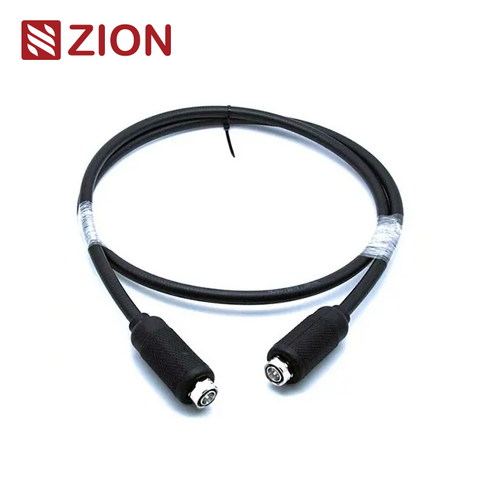
Please select

    Please select superior classification
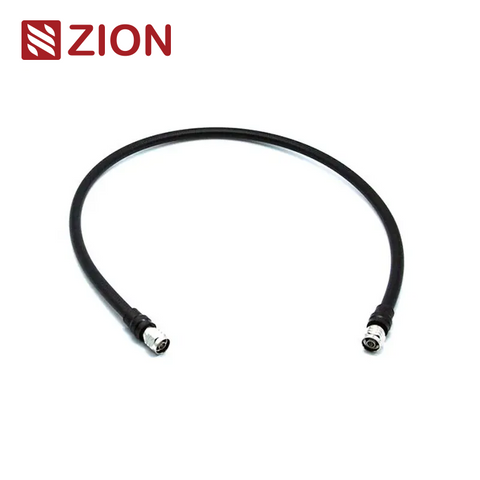
ZION Cable Academy / Product Category Guide

RF Coaxial Jumper Cables

A practical category guide for engineers, buyers, and telecom project teams selecting 50 Ohm factory-terminated RF jumper assemblies for base station, DAS, antenna, feeder, and equipment interconnection. Use this page to compare cable size, flexibility, connector interface, routing constraints, electrical performance, and lifecycle risk.

RF EngineersProcurement TeamsProject ManagersTelecom InstallersSystem IntegratorsOEM Buyers
  • RF jumper selection should start with system impedance and connector interface, then move to cable size, flexibility, and routing difficulty.

  • 1/2" Super Flex is usually the mainstream telecom choice, while smaller 3/8", 1/4", and RG-type jumpers solve denser routing and compact equipment needs.

  • Factory-terminated jumper assemblies reduce field installation risk, improve consistency, and support predictable insertion loss and VSWR performance.

1) What Is an RF Coaxial Jumper Cable?

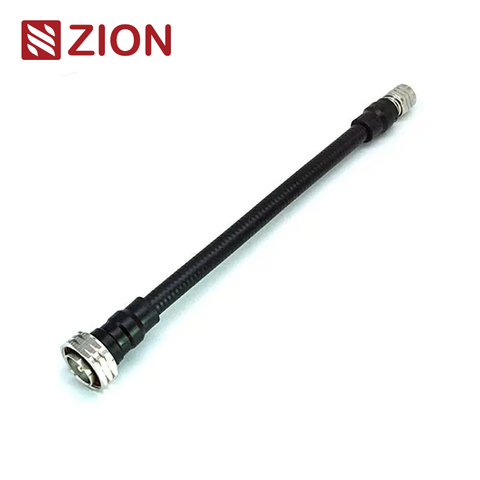
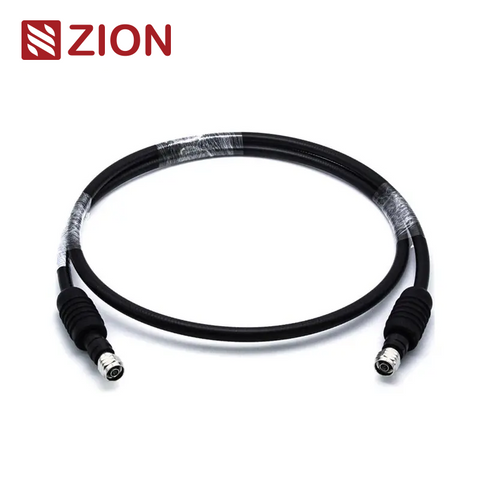
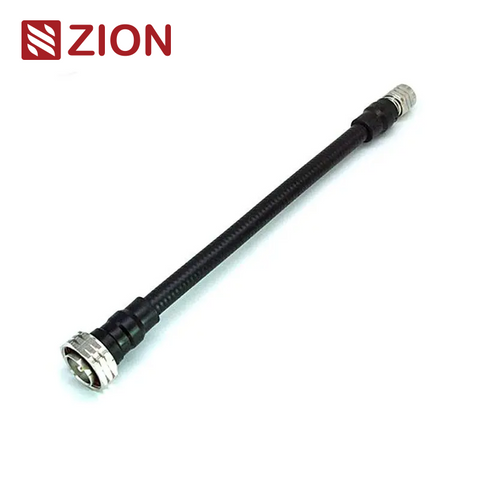
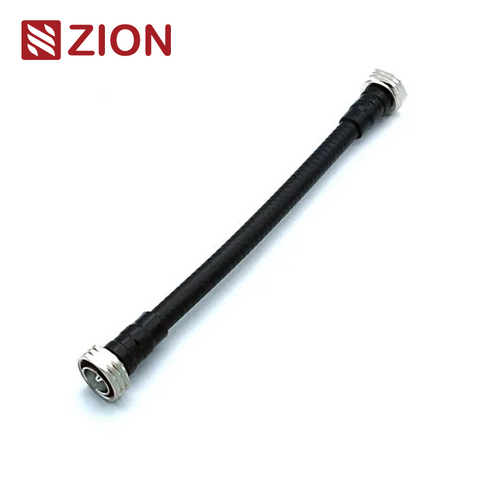
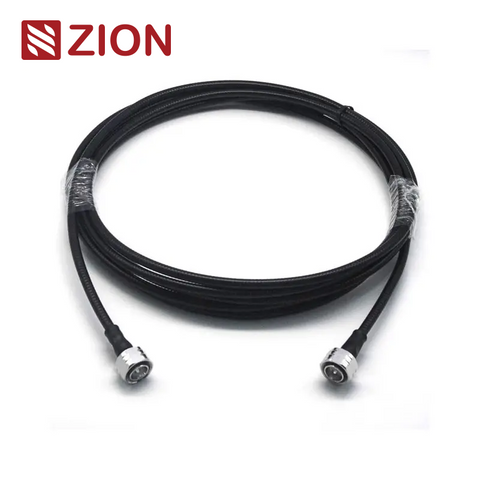
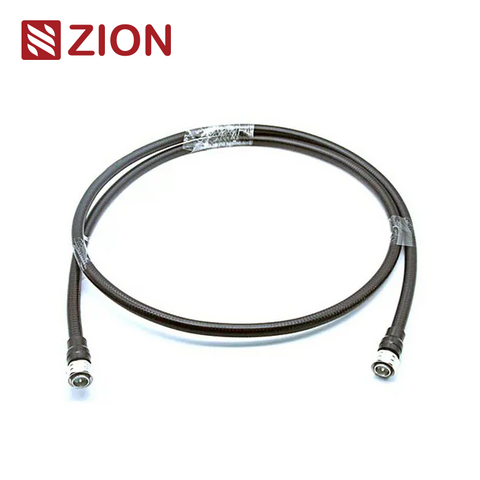
An RF coaxial jumper cable is a factory-terminated 50 Ohm cable assembly used to connect antennas, feeders, RRUs, combiners, splitters, DAS equipment, and other RF devices. Unlike bulk cable, a jumper assembly is delivered as a ready-to-install cable-and-connector combination designed to reduce field termination work and improve interconnection consistency.

In real projects, jumper selection is not based on cable size alone. Teams also need to consider connector type, gender, bend space, routing difficulty, vibration exposure, insertion loss, VSWR, and long-term mechanical reliability. That is why RF jumper assemblies are often treated as a performance-critical interconnect, not just a short cable.

Field reality: In RF systems, many avoidable faults happen at the interconnection point rather than in the main feeder. A properly built jumper helps reduce mismatch, connector assembly errors, and on-site rework.
Category LogicBulk RF Coax CableRF Coaxial Jumper Cable
Delivery formatCable onlyPre-assembled cable with connectors
Field workRequires termination or assemblyInstalled directly with less site work
Performance consistencyDepends more on field workmanshipMore controlled assembly quality
Best useLong feed routes or custom build projectsEquipment interconnect and ready-to-install RF links

2) Why Factory-Terminated RF Jumpers Matter

The main value of a factory-terminated RF jumper is not convenience alone. It is repeatability. When connector mounting, stripping dimensions, assembly torque, and test process are controlled at the factory, project teams get a more predictable result than they usually can from variable field assembly conditions.

This matters even more in modern telecom and DAS projects where port density is high, installation space is limited, and interconnection quality directly affects RF performance. A poor jumper selection can increase mismatch risk, create hidden installation stress, and raise long-term maintenance cost.

Key takeaway: Factory-built RF jumpers reduce labor variability, shorten installation time, and improve control over insertion loss and VSWR results.

What engineering teams usually expect from a finished RF jumper

  • Correct impedance and connector matching

  • Consistent electrical performance after assembly

  • Mechanical durability under routing and service conditions

  • Reduced field error during installation and replacement

  • Easier BOM control and project standardization

Practical rule: Where connector quality and interconnection reliability matter, a tested finished assembly is usually a better project choice than field-built jumper fabrication.

3) Product Types in This Category

The RF coaxial jumper cable category is structured around cable diameter, flexibility level, and interface ecosystem. This makes it easier for buyers to align cable body size with actual routing difficulty and connector compatibility.

1/2" Super Flex Jumper Cable

A mainstream telecom jumper option that balances low loss, solid mechanical performance, and practical routing flexibility. This is often the default choice for many base station and antenna-side interconnections.

1/2" Feeder Jumper Cable

Suited to applications where 1/2" size is required but a feeder-style structure is preferred over maximum flexibility. This is useful where the route is more stable and mechanical robustness matters.

3/8" Super Flex Jumper Cable

A smaller, easier-to-route telecom jumper for installations with tighter cable pathways, denser equipment layouts, or more limited bending space.

1/4" Super Flex Jumper Cable

A compact and routing-friendly option for dense cabinet areas and tighter interconnect paths where cable management flexibility is a higher priority.

RG141, RG142, and RG58 Jumper Cables

These smaller-format jumper families are suitable for compact RF assemblies, mixed connector systems, test-related interconnects, and equipment-side applications where feeder-style cable sizes are unnecessary.

Product TypeMain StrengthTypical Use DirectionSelection Caution
1/2" Super FlexBalanced loss and flexibilityMainstream telecom RF interconnectCheck connector size versus equipment spacing
1/2" FeederFeeder-style robustnessStable interconnection routesLess ideal for tight bending
3/8" Super FlexSmaller diameter with good flexibilityDense telecom layoutsReview loss target versus cable size
1/4" Super FlexCompact routing convenienceTight cabinet or device interconnectUse where performance envelope is suitable
RG141 / RG142 / RG58Compact assembly optionsMixed-interface and equipment-side RF linksConfirm interface and frequency fit carefully

Field reality: The best jumper size is rarely the biggest one. It is the smallest assembly that still meets electrical and mechanical requirements without creating routing stress.

4) Connector Options and Interface Logic

Connector choice is often the real driver of final jumper specification. In many projects, cable size can be shortlisted quickly, but the exact connector interface, gender, and installation space determine the final BOM.

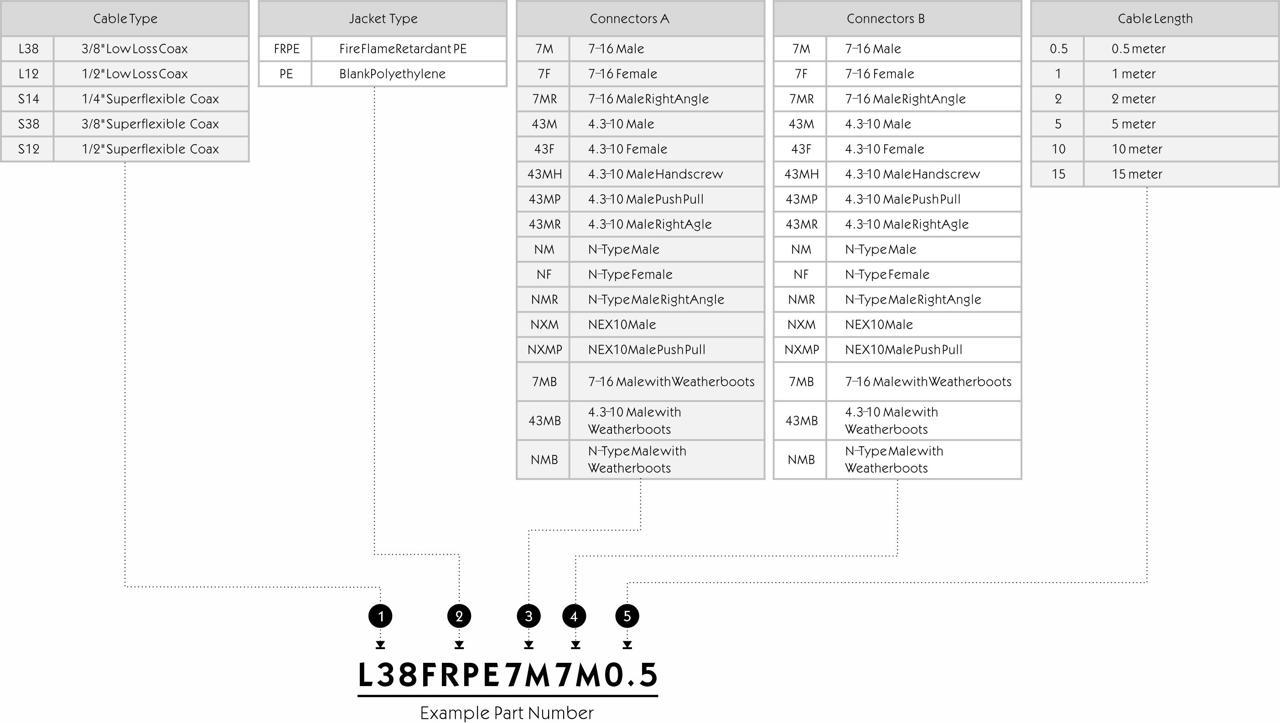
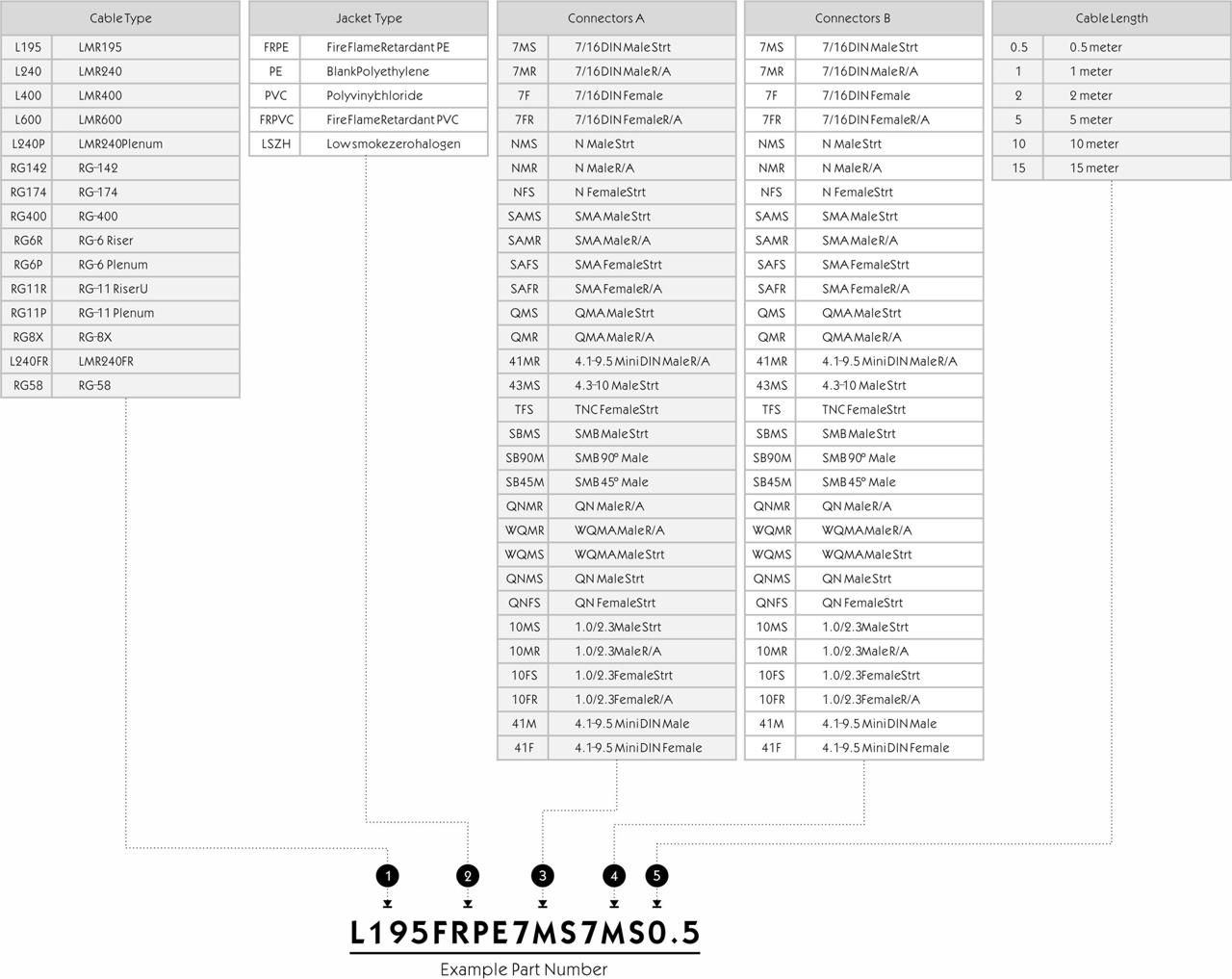
Common interface families in this category include 7/16 DIN, N, 4.3/10, 2.2/5, NEX10, BNC, and SMA. These serve different equipment ecosystems, density requirements, and mechanical preferences. The correct connector pairing must match both the equipment port and the practical installation conditions.

Connector FamilyTypical RoleWhy It Is ChosenKey Checkpoint
7/16 DINTelecom RF interconnectCommon legacy and robust RF interfaceSpace and torque handling
NGeneral RF connectionWidely used and versatileGender and mounting style
4.3/10Higher-density telecom equipmentCompact size with modern deployment fitPort compatibility and access space
2.2/5Compact telecom interfaceUseful in denser connection zonesExact equipment interface match
NEX10Modern compact RF systemsSpace-saving in dense equipment areasConnector family consistency
BNCEquipment-side and test linksFast connection in certain RF setupsFrequency and mechanical suitability
SMACompact RF device interconnectSmall form factor for compact devicesConnector durability and exact mating style
Key takeaway: In jumper cable procurement, connector mismatch usually creates more trouble than cable mismatch. Always confirm both ends, genders, and mounting orientation before releasing the order.

5) Applications and Deployment Fit

RF coaxial jumper cables are typically used in telecom and RF systems where ready-to-install interconnection assemblies improve efficiency and reduce field risk. Typical use environments include base stations, antenna feeder transitions, DAS systems, RF cabinets, and equipment patching locations.

ApplicationRecommended DirectionWhy It FitsRisk to Review
Base Station Interconnect1/2" Super Flex or 1/2" FeederGood fit for mainstream telecom RF linksBend space and connector clearance
Antenna to Feeder Transition1/2" Super FlexBalanced loss and installation convenienceWeatherproofing and mechanical strain
DAS / Indoor RF Routing3/8" or 1/4" Super FlexBetter routing in denser layoutsCheck performance margin against route need
RF Cabinet / Compact Equipment Patch1/4" Super Flex or RG-type jumperCompact body and interface flexibilityConnector orientation and pull relief
Test or Mixed-Interface RF EquipmentRG141 / RG142 / RG58Flexible connector adaptation optionsExact interface and frequency suitability

6) Decision Rules / Engineer’s Shortcut

The safest way to specify an RF jumper is to follow the real system constraints in order: impedance, connector interface, route space, flexibility need, electrical target, and then price. This prevents common mistakes such as choosing a cable that fits electrically but fails mechanically, or one that fits mechanically but uses the wrong connector family.

Decision QuestionIf YesIf NoRecommended Direction
Is the system a 50 Ohm RF telecom application?Continue with RF jumper selectionReview whether another coax family is neededImpedance is the first filter
Are both connector ends already defined by equipment ports?Shortlist matching assemblies firstConfirm interface map before quotingConnector logic controls the BOM
Is the route space limited or bending difficult?Move to super-flex or smaller diameter optionsLarger feeder-style jumper may workMechanical fit matters as much as electrical fit
Is lower loss more important than compact routing?Favor larger jumper size where practicalUse smaller cable for easier routingBalance loss target against space constraints
Does the project require tested finished assemblies?Specify sweep-tested jumper assembliesBasic assembly may be acceptable in simpler workTest expectations should be defined early
Selection FactorLarger Feeder / 1/2" Jumper3/8" / 1/4" Super FlexRG-Type Jumper
Routing easeModerateGoodVery good in compact assemblies
Typical telecom fitMainstream outdoor / cabinet interconnectDenser routing environmentsCompact equipment-side interconnect
Connector ecosystemTelecom interfaces like 7/16, N, 4.3/10Dense telecom interface combinationsMixed interfaces such as BNC or SMA
Common mistakeIgnoring bend or equipment spaceUsing too small a cable without performance reviewAssuming connector adaptation solves every requirement
Practical rule: Confirm impedance first, interface second, route space third, and electrical target fourth. That order avoids most jumper selection errors.

7) Cost Structure, Risk, and Maintainability

RF jumper procurement should not focus only on unit price. A cheaper jumper can become the more expensive option if it causes installation delay, connector mismatch, repeated service visits, or unnecessary replacement after commissioning.

In telecom and RF projects, maintenance cost often comes from access difficulty, troubleshooting labor, and service disruption rather than the assembly itself. That makes connector accuracy, tested performance, and mechanical suitability financially important from the start.

Cost / Risk FactorLow-Cost but Poor-Fit ChoiceCorrectly Matched AssemblyManagement Impact
Material costLower at quotation stageMay cost more initiallyImmediate price difference is visible
Installation efficiencyCan slow work if routing or interfaces are wrongFaster, cleaner deploymentAffects labor schedule and site coordination
Service reliabilityHigher chance of mismatch or stress issuesMore stable performance over timeReduces post-install support burden
Lifecycle costMay rise through rework and site visitsBetter control of total ownership costImportant for long-term network maintenance
Field reality: A wrong jumper rarely fails only on paper. It usually shows up later as a cramped installation, unstable connection, or expensive troubleshooting session at an inconvenient site.

8) OEM / Custom RF Assembly Service

RF jumper orders often require more than a standard product code. Buyers may need custom connector combinations, cable length control, special labeling, test requirements, packaging format, or project-specific interface mapping before production begins.

ZION supports custom RF jumper cable manufacturing for telecom and RF interconnection projects, helping align cable type, connector ends, assembly structure, electrical test expectations, and delivery packaging with actual site requirements.

OEM / Project ItemWhat to Confirm EarlyWhy It Matters
Cable Type1/2", 3/8", 1/4", or RG-type selectionSets mechanical and electrical baseline
Connector EndsInterface, gender, straight or angle, flange or cable typeDetermines final BOM correctness
Length and Routing LogicInstalled length, bend needs, service loop allowanceAvoids tension and slack problems on site
Test RequirementFrequency range, insertion loss, VSWR expectationsAligns assembly quality with project acceptance
Packaging / LabelingPart identification, batch control, shipment formatImproves installation speed and traceability

Practical rule: Before requesting a quote, prepare six inputs: impedance, cable type, both connector ends, assembly length, electrical test requirement, and packaging need. That will reduce quote revisions and sample mismatch.

name1


name rule2

9) Conclusion

RF coaxial jumper cables are a critical part of telecom and RF interconnection, not just a short accessory between larger components. The right assembly improves installation efficiency, reduces connector-related risk, and supports predictable electrical performance across base station, DAS, antenna, and equipment-side applications.

For practical selection, start by confirming the system is 50 Ohm RF, then lock both connector ends, evaluate routing space, and match cable size to the real mechanical and electrical demand. That approach usually delivers the best balance of cost, maintainability, and project reliability.

FINAL CTA

Send us your cable type, connector interfaces on both ends, required length, application environment, electrical test targets, and packaging needs. ZION can support RF jumper selection, assembly matching, and OEM / project quotation.


Product Categories

CONTACT US
Professional OEM - Zion Communication
picture1

Request a Quote​​​​​​​
Contact Us
We use cookies to enable all functionalities for the best performance during your visit and to improve our services by giving us some insight into how the website is being used. Continued use of our website without changing your browser settings confirms your acceptance of these cookies. For details, please see our privacy policy.
×