MPO Trunk Cables for High-Density Fiber Backbones
MPO trunk cables are pre-terminated multi-fiber assemblies for high-density links between patch panels, cassettes, distribution frames, and equipment zones. ZION configurations cover OS2, OM3, OM4, and OM5 fiber with 12F to 144F options. Start by confirming fiber mode, fiber count, polarity, connector gender, jacket rating, loss grade, and length.
MPO Trunk Cable Product Range
This category contains one configurable MPO trunk cable family rather than separate fixed SKUs. Use the product page to specify the fiber mode, count, polarity, gender, jacket, loss grade, cable structure, length, labeling, and packaging required for the project.
![ZION MPO trunk cable assembly]()
MPO FIBER OPTIC CABLE
MPO Trunk Cables
A configurable MPO-to-MPO backbone assembly in OS2, OM3, OM4, or OM5, with 12F to 144F options. Consider it for dense, repeatable links; confirm polarity, male or female interfaces, jacket rating, loss grade, structure, and length before ordering.
View Product Details → How Do I Choose an MPO Trunk Cable?
Lock down the optical architecture before choosing construction details. Fiber mode, count, polarity, and connector gender determine whether the assembly fits the channel; jacket, loss grade, structure, and length determine whether it fits the pathway and optical budget.
Which fiber mode?
Choose OS2 for singlemode architecture or OM3, OM4, or OM5 for the specified multimode system. Do not select by jacket color alone; match the transceivers, reach, link design, and migration plan.
How many fibers?
Available configurations span 12F, 24F, 48F, 72F, 96F, and 144F. Size the trunk for active channels, planned growth, pathway capacity, and manageable routing rather than immediate port count alone.
Which polarity?
Specify Type A, Type B, or Type C from the end-to-end channel map. Polarity controls fiber position mapping, so it must match the cassettes, adapters, patch cords, and transceiver layout rather than being treated as a generic default.
Male or female?
Confirm pinned or unpinned interfaces at both ends. Connector gender must match the mating adapters, cassettes, or equipment ports; an incorrect pin configuration cannot be fixed by changing polarity.
Which jacket and loss grade?
Choose LSZH, OFNR, or Plenum to match the installation zone and local code. Select standard or low loss from the calculated optical budget, including every mated connection in the channel.
Quick Configuration Comparison
Use this table to prepare a shortlist, then confirm the complete channel design before purchase. The options are configuration choices within the same ZION MPO trunk cable family, not interchangeable defaults.
| Decision | Available Options | Use It To Decide | Confirm Before PO |
|---|
| Fiber mode | OS2 / OM3 / OM4 / OM5 | Singlemode or multimode optical architecture | Transceiver type, reach, and migration plan |
| Fiber count | 12F / 24F / 48F / 72F / 96F / 144F | Port density and expansion reserve | Pathway fill, bend management, and connector base |
| Polarity | Type A / Type B / Type C | End-to-end fiber position mapping | Cassette, adapter, patch cord, and transceiver map |
| Connector gender | Male / Female | Pinned or unpinned mating interface | Interface at each end |
| Jacket and loss | LSZH / OFNR / Plenum; Standard / Low Loss | Installation rating and optical margin | Local code and calculated link budget |
Why Use a Pre-Terminated Trunk?
A pre-terminated MPO trunk is most useful when deployment speed, repeatability, density, and traceability matter more than field-termination flexibility. The assembly price is only one part of the project decision.
Faster deployment
Factory-terminated ends reduce onsite connectorization work. Confirm pulling method, pathway dimensions, and connector protection before installation.
Lower mismatch risk
A complete specification reduces rework caused by wrong polarity, gender, jacket, or length. The benefit depends on getting these choices right before production.
Cleaner maintenance
Project labels and port IDs can improve traceability. Include the naming convention and packaging sequence in the RFQ instead of treating them as site details.
Testing and Acceptance Points
Ask for acceptance criteria that match the project rather than a generic “tested” statement. The selected version and purchase specification should define the required loss limits, polarity map, inspection method, labeling, and test documentation.
| Checkpoint | What It Confirms | RFQ Action |
|---|
| End-face inspection | Connector cleanliness and visible condition | State the required inspection standard or report format |
| Insertion and return loss | Performance against the specified limits | Provide wavelengths, limits, and documentation needs |
| Polarity verification | Correct end-to-end fiber mapping | Attach the approved map and end labels |
| Label and packaging check | Correct project identification and delivery sequence | Supply label text, port IDs, and pack grouping |
Where Do MPO Trunk Cables Fit?
MPO trunks fit permanent or semi-permanent high-density backbone paths. They are not a substitute for a complete link design, and the selected fiber, polarity, gender, fire rating, and loss grade must match the connected system.
Data center backbones
A strong fit for repeatable links between distribution areas, cabinets, and patching zones. Confirm the required interface and fiber allocation for the active optics.
Cassette and panel links
Useful between MPO cassettes or adapter panels where controlled polarity converts the trunk into duplex channels. Do not assume every cassette uses the same pinning or polarity method.
Building and campus links
OS2 can suit longer backbone paths when the complete design calls for singlemode fiber. Confirm route length, pulling conditions, environmental rating, and local fire requirements.
When not to default to MPO
Use another assembly when the endpoints require different connectors, field repair flexibility is the priority, or the pathway cannot protect the multi-fiber connector during pulling. Review harness or fan-out options for mixed-interface endpoints.
Frequently Asked Questions
What is an MPO trunk cable?
It is a factory-terminated multi-fiber cable assembly with MPO interfaces used for dense backbone connections. One connector carries multiple fibers, reducing the number of individual terminations required in the pathway.
What is the difference between MPO and MTP?
MPO is the standardized multi-fiber connector interface, while MTP is a branded MPO connector system. Do not treat the names alone as a performance grade; confirm the exact connector, loss specification, gender, and end-face requirement for the selected assembly.
Should I choose Type A, Type B, or Type C polarity?
Choose the polarity method defined by the complete channel. Check cassettes, adapters, patch cords, transceiver lanes, and both endpoints; the trunk polarity cannot be selected safely in isolation.
Can one MPO trunk cable support 40G, 100G, or 400G?
Only when its fiber mode, fiber count, connector base, polarity, end face, and loss budget match the transceiver specification and channel design. Network speed should not be inferred from the MPO connector shape alone.
When should I request a low-loss version?
Request low loss when the calculated channel budget is tight or includes multiple mated connections. Use the actual transceiver budget and every connection in the route; do not select low loss only as a generic upgrade.
RFQ Checklist
You do not need a finished part number to request a quote. Provide the known channel requirements and identify any open items that need engineering confirmation.
Fiber mode: OS2, OM3, OM4, or OM5
Fiber count: 12F, 24F, 48F, 72F, 96F, or 144F
Connector interface and gender at end A and end B
Polarity method and approved end-to-end fiber map
Cable structure, jacket rating, installation environment, and pathway limits
Standard or low-loss requirement and optical budget
Finished length, breakout length, pulling protection, and quantity
Labels, port IDs, packaging sequence, and required test documentation





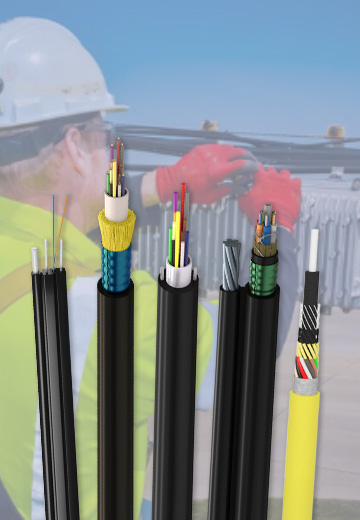 Fiber Optic Cable
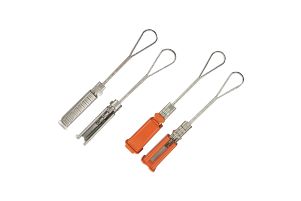 Fiber Optic Tools
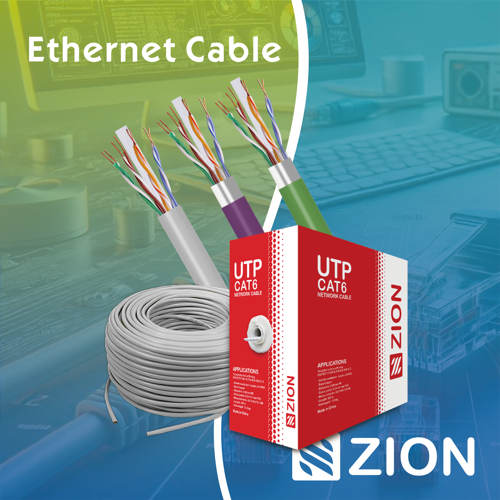 Ethernet Cable
 Coaxial Cable
 Fire & Security Cable
 Voice, Audio & Video
 Power & Control Cable