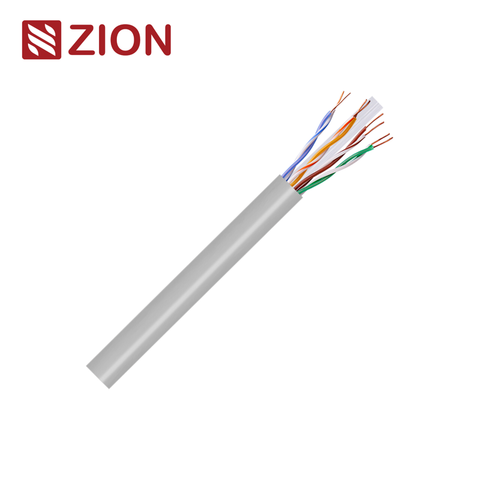


7112202
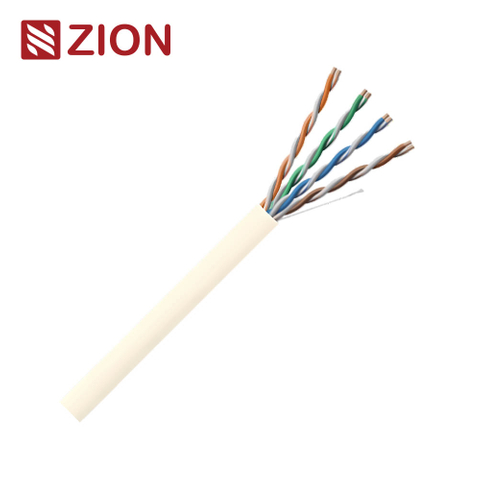
U/UTP CAT6 PVC
23 AWG; Bare copper. A four-pair unshielded PVC cable for general indoor structured cabling. Confirm the building-code rating required for the installation pathway.
View Product Details →ZION CAT6 bulk Ethernet cables cover 26 U/UTP, F/UTP, SF/UTP and armored models for indoor, riser, plenum, low-smoke, outdoor and direct-burial routes. Start by choosing the shielding construction, then match the conductor, jacket and installation rating to the project pathway and local requirements.
These eight models provide a fast starting point across common indoor, riser, plenum, low-smoke, screened, outdoor and armored requirements. The complete 26-model range remains available in the comparison table below, so buyers can move from a representative construction to the exact conductor, jacket and rating needed.
7112202
23 AWG; Bare copper. A four-pair unshielded PVC cable for general indoor structured cabling. Confirm the building-code rating required for the installation pathway.
View Product Details →7112204
23 AWG; Bare copper. Use this U/UTP CMR version for riser applications where that rating is specified. Confirm local code, pathway and project test requirements.
View Product Details →7112205
23 AWG; Bare copper. An unshielded CMP model for plenum pathways that call for this rating. Confirm the exact listing, channel components and documentation in the RFQ.
View Product Details →7112206
23 AWG; Bare copper. An unshielded LSZH option for projects that specify low-smoke, zero-halogen jacketing. Confirm the required fire test and regional compliance.
View Product Details →7112212
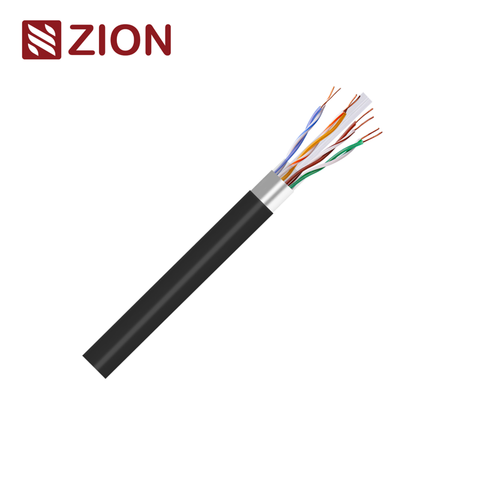
23 AWG; Bare copper. A PVC F/UTP cable with an overall foil around the four pairs. Use compatible screened hardware and include bonding in the channel plan.
View Product Details →7112226
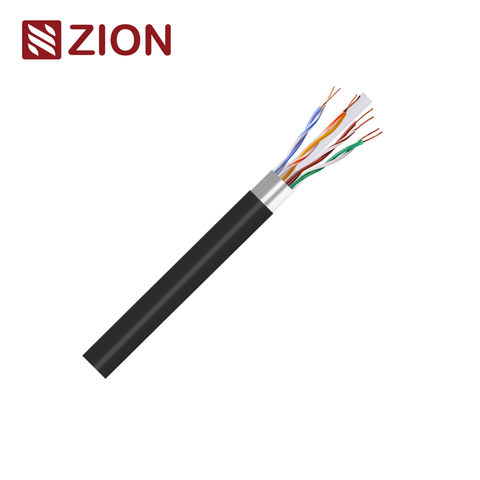
23 AWG; Bare copper. An LSZH SF/UTP model for projects needing foil-and-braid screening with low-smoke jacketing. Confirm the required fire test.
View Product Details →7112229
23 AWG; Bare copper. A double-jacket outdoor SF/UTP model. Confirm the route, moisture exposure, burial method and mechanical protection required.
View Product Details →7112253
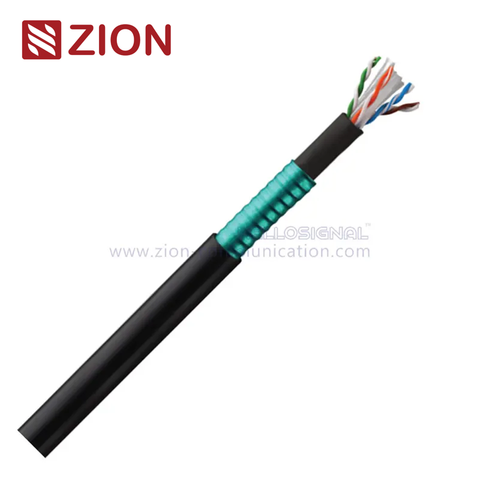
23 AWG; Bare copper. An armored, PE-jacketed U/UTP model identified for outdoor direct burial. Confirm soil, drainage, pulling load and local burial rules.
View Product Details →Download the ZION LAN/Ethernet Cable Products Catalog for a broader view of available cable constructions and ordering options. Use the linked product pages and selected-model datasheet as the final source for part-specific specifications.
Use the catalog for product-family review, then identify the exact CAT6 model, conductor, shielding, jacket, rating, length and packaging in the RFQ.
Certificates and test reports can vary by model and destination market. Request the applicable documents for the selected part number rather than treating the general catalog as a certificate.
Download Catalog PDF →Make the installation decision before comparing part numbers. The four questions below usually narrow the range faster than starting with a model code.
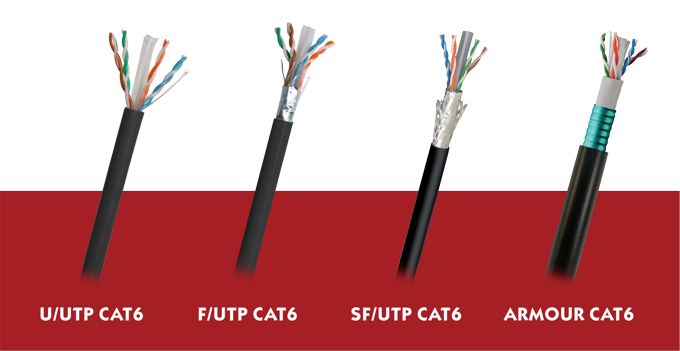
Choose U/UTP for a basic unshielded channel, F/UTP for an overall foil, or SF/UTP for overall foil and braid. Screened cable requires compatible screened hardware and a planned bonding path; shielding alone does not fix poor routing.
Use PVC, CM, CMR, CMP or LSZH only when that exact jacket or rating matches the project pathway and local code. CM, riser and plenum designations are not interchangeable, and LSZH is a material choice that still needs the specified regional fire test.
PVC and low-smoke versions are primarily organized for indoor pathways, while PE and double-jacket models address outdoor exposure. For buried routes, use the specifically identified 7112253 direct-burial model or confirm a suitable construction; an outdoor label does not automatically mean direct burial.
Bare-copper models are the default comparison point for resistance, channel performance and powered-device projects. CCA and CPA variants can serve cost-sensitive requirements only when conductor type, resistance, PoE loading and local acceptance are confirmed in advance.
Choose an armored CAT6 model where rodent exposure, crushing risk or route conditions justify added protection. Confirm armor construction, bend radius, grounding and termination method for the selected cable.
Use shielding, conductor and jacket to build a shortlist, then open the linked model page for the selected version. Ratings, approvals, PoE loading and burial suitability must be confirmed for the exact part number and complete channel.
| Model | Shielding | Conductor / Gauge | Jacket / Rating | Typical Selection Context |
|---|---|---|---|---|
| 7112205NOS | U/UTP | Bare copper, 23 AWG | CMP | Plenum spaces; spline-free construction |
| 7112201 | U/UTP | Bare copper, 23 AWG | PE | Outdoor or duct routes |
| 7112202 | U/UTP | Bare copper, 23 AWG | PVC | General indoor cabling |
| 7112202-545 | U/UTP | Bare copper, 23 AWG | PVC | Market-specific indoor projects |
| 7112203 | U/UTP | Bare copper, 23 AWG | PVC / CM | CM-rated indoor pathways |
| 7112204 | U/UTP | Bare copper, 23 AWG | PVC / CMR | Riser pathways |
| 7112205 | U/UTP | Bare copper, 23 AWG | CMP | Plenum pathways |
| 7112206 | U/UTP | Bare copper, 23 AWG | LSZH | Low-smoke indoor projects |
| 7112208 | U/UTP | CCA, 23 AWG | PVC | Cost-sensitive indoor projects |
| 7112209 | U/UTP | CPA, 23 AWG | PVC | Cost-sensitive indoor projects |
| 7112211 | F/UTP | Bare copper, 23 AWG | PE | Outdoor or duct routes with foil shield |
| 7112212 | F/UTP | Bare copper, 23 AWG | PVC | Indoor routes needing an overall foil |
| 7112213 | F/UTP | Bare copper, 23 AWG | PVC / CM | CM-rated screened indoor pathways |
| 7112214 | F/UTP | Bare copper, 23 AWG | PVC / CMR | Screened riser pathways |
| 7112215 | F/UTP | Bare copper, 23 AWG | CMP | Screened plenum pathways |
| 7112216 | F/UTP | Bare copper, 23 AWG | LSZH | Low-smoke screened indoor projects |
| 7112221 | SF/UTP | Bare copper, 23 AWG | PE | Outdoor routes with foil and braid |
| 7112222 | SF/UTP | Bare copper, 23 AWG | PVC | Screened indoor routes |
| 7112223 | SF/UTP | Bare copper, 23 AWG | PVC / CM | CM-rated screened indoor pathways |
| 7112224 | SF/UTP | Bare copper, 23 AWG | PVC / CMR | Screened riser pathways |
| 7112225 | SF/UTP | Bare copper, 23 AWG | CMP | Screened plenum pathways |
| 7112226 | SF/UTP | Bare copper, 23 AWG | LSZH | Low-smoke screened indoor projects |
| 7112229 | SF/UTP | Bare copper, 23 AWG | PVC + PE | Protected outdoor routes |
| 7112252 | U/UTP | Bare copper, 23 AWG | LSZH + armor | Protected low-smoke indoor routes |
| 7112253 | U/UTP | Bare copper, 23 AWG | PVC + armor + PE | Outdoor direct-burial routes |
| 7112254 | F/UTP | Bare copper, 23 AWG | LSZH + armor | Protected screened indoor routes |
Category 6 cable is specified to 250 MHz and is commonly used for 1 Gbps Ethernet channels up to 100 m. 10 Gbps operation may be possible over shorter distances, commonly referenced up to 55 m under suitable channel and interference conditions; it is not a blanket guarantee for every installation.
The 250 MHz category bandwidth describes the frequency range used for cable performance testing. It does not mean a 250 Mbps data limit and should be considered together with the complete channel standard.
Use 1 Gbps up to the standard 100 m channel as the normal CAT6 planning reference. If the project needs 10 Gbps, document the total channel length, alien-crosstalk environment and component category; CAT6A is the clearer choice for a full 100 m 10GBASE-T target.
CAT6 can be used in powered Ethernet channels, but the acceptable load depends on conductor material, bundle size, ambient temperature and installation rules. State the required IEEE PoE class and powered-device load in the RFQ rather than assuming every CAT6 version is equivalent.
CAT6 horizontal cable is normally terminated through compatible 8P8C/RJ45-style jacks, plugs, patch panels or outlets. Match conductor type, outside diameter, shielding and wire gauge to the connector; a connector shape alone does not prove channel performance.
A reliable quote needs more than the CAT6 label. Construction, test scope, packing and identification should be agreed for the exact order.
Confirm pair count, conductor, separator, shielding, drain wire, jacket and armor for the selected model.
Typical steps include conductor drawing, insulation, pair twisting, cabling and jacketing. Add screening or armor steps when specified.
State whether the order needs cable-level data, permanent-link testing or channel testing, plus the standard and report format.
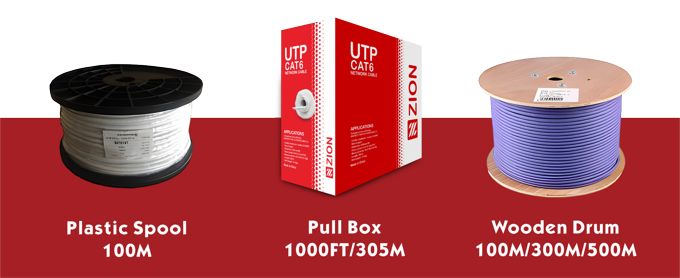
Specify length, pull box or reel, sequential marking, color, label, barcode and private-label requirements.
CAT6 is used in structured cabling for offices, homes, security devices, wireless access points and other Ethernet endpoints. The installation environment and channel design still determine which model is appropriate.
Use indoor U/UTP or screened variants for switches, work-area outlets, phones and access points. Choose the pathway rating before selecting the exact model.
CAT6 supports common 1 Gbps access links. For new 10 Gbps horizontal links approaching 100 m, evaluate CAT6A instead of relying on CAT6 short-distance capability.
Use a conductor and cable bundle design suitable for the required power level. Provide ambient temperature, bundle size and device load so resistance and heat rise can be checked.
Select PE, double-jacket or armored outdoor constructions based on exposure. Outdoor, duct and direct-burial are different conditions; identify the actual pathway in the RFQ.
F/UTP or SF/UTP can be considered where an engineered screened channel is justified. Maintain separation from power conductors and document the grounding method.
These answers cover the most common first-stage questions. Final selection still depends on the exact model datasheet and complete channel design.
CAT6 is a balanced four-pair copper cabling category specified to 250 MHz. It is commonly selected for 1 Gbps Ethernet and may support 10 Gbps over shorter, suitable channels.
U/UTP has no overall metallic screen, F/UTP adds an overall foil, and SF/UTP adds overall foil plus braid. Screened options need compatible connectivity and correct bonding to work as a system.
Yes, CAT6 may support 10GBASE-T over shorter channels, commonly referenced up to 55 m under suitable conditions. Choose CAT6A when the project requires a clearer 100 m 10 Gbps design target.
No. An outdoor jacket does not automatically mean direct-burial construction. Use a model explicitly identified for burial, such as 7112253, and confirm the route conditions.
Yes, but the conductor material, resistance, bundle size, ambient temperature and required PoE class matter. State the powered-device load and installation conditions when requesting a quote.
Request the standard, fire test, listing and report required for the destination market and exact model. Do not assume every approval shown for the broader cable program applies to every suffix.
If the exact model is not yet known, provide the installation facts below. They are enough to build a technically useful shortlist.
Required shielding: U/UTP, F/UTP, SF/UTP or supplier recommendation
Conductor requirement: bare copper, CCA, CPA, gauge and PoE class
Pathway: indoor, riser, plenum, low-smoke area, duct, outdoor or direct burial
Jacket, fire rating, destination-market standard and required reports
Channel length, link speed, connector and patch-panel type
EMI conditions, separation from power and shield-bonding plan
Mechanical risks: rodent exposure, crushing, pulling load or armor requirement
Order quantity, cable length, color, sequential marking, packing and private label
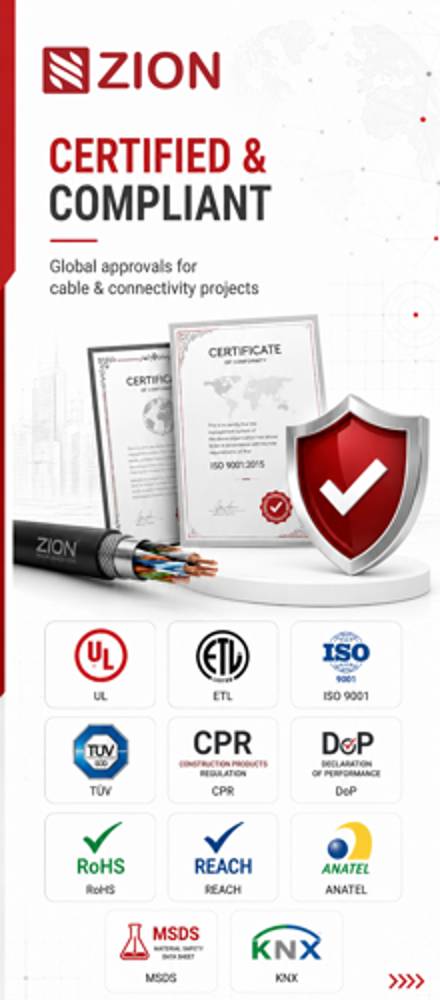
Certification and compliance references for project review, qualification and purchasing documentation.
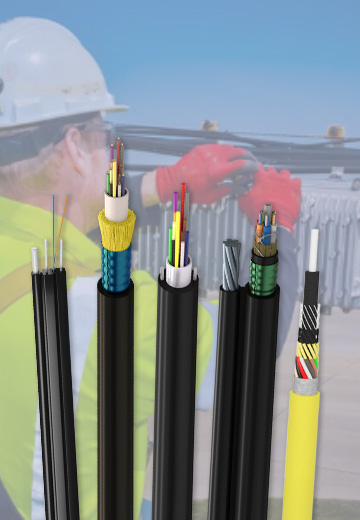 Fiber Optic CableAccess and backbone
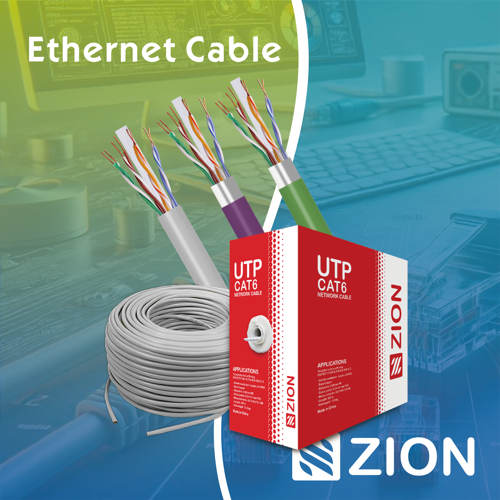 Ethernet CableCat5e to Cat8
 Coaxial CableRF and video signal
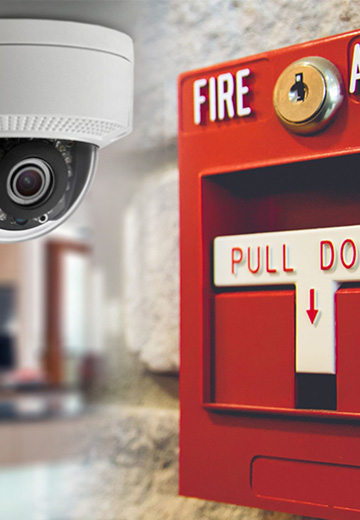 Fire, Security & AlarmSafety systems
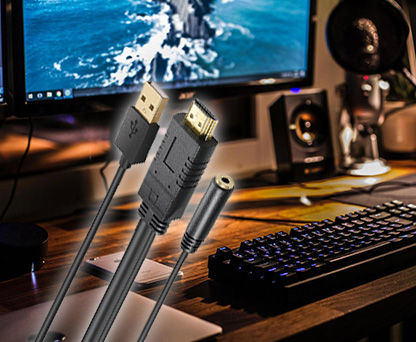 Voice, Audio & VideoSignal cabling
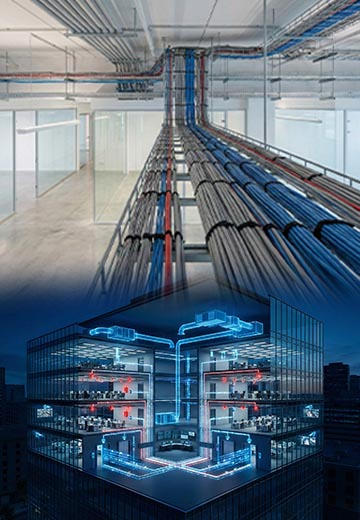 Power & Control CableEnergy and control
Outdoor, indoor, FTTH and distribution cable lines for access networks, backbone routes and campus deployments.
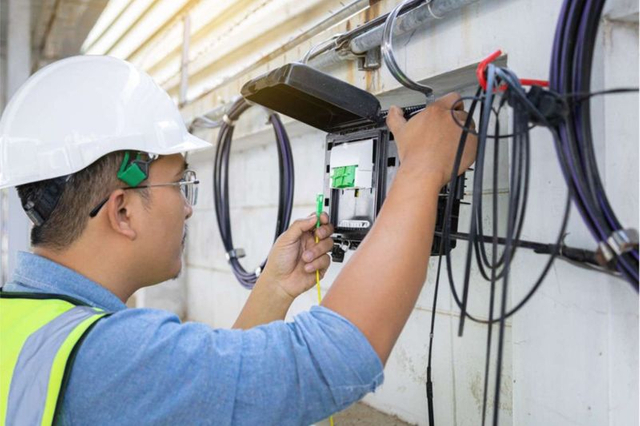 Telecom & ISP NetworksFTTH, PON, ODN
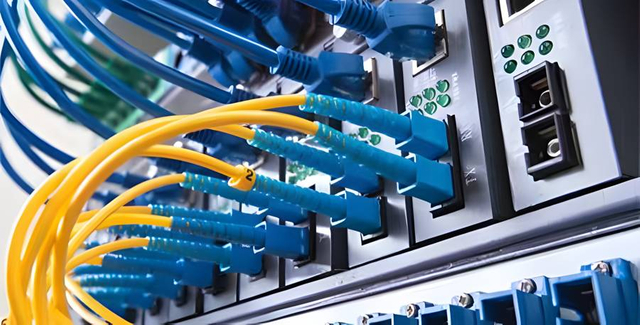 Data Center InfrastructureServer room cabling
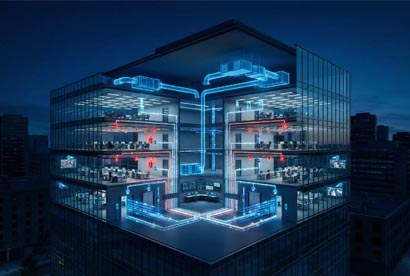 Building Low-Voltage SystemsBMS, AV, weak current
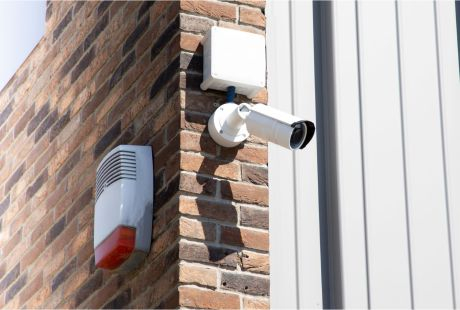 Security & Fire ProtectionAlarm, CCTV, access
 Industrial Automation CablePLC, RS485, fieldbus
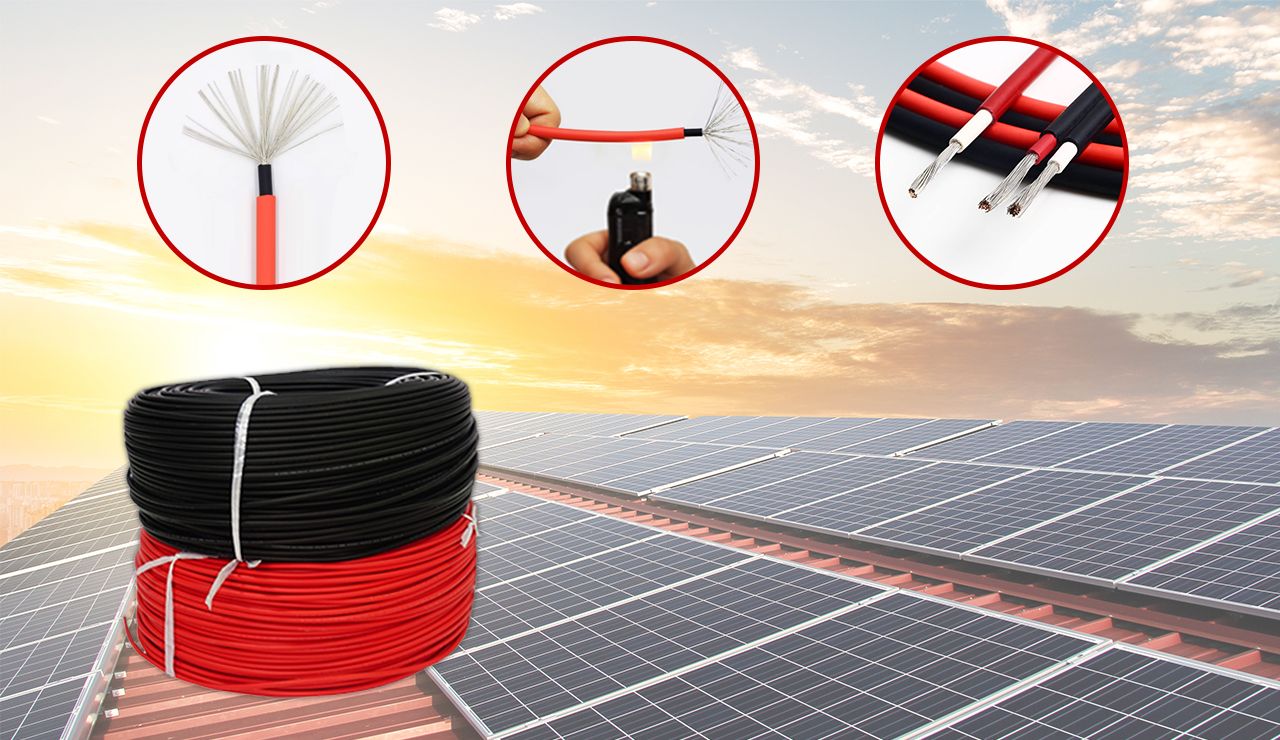 Energy & Power InfrastructureSolar, battery, power
For FTTH / PON access, outdoor fiber deployment, aerial routes, duct routes, direct burial routes, rural broadband and ODN planning.
Use calculators and planning tools for conduit capacity, PoE voltage drop and fiber optic link loss budget work.
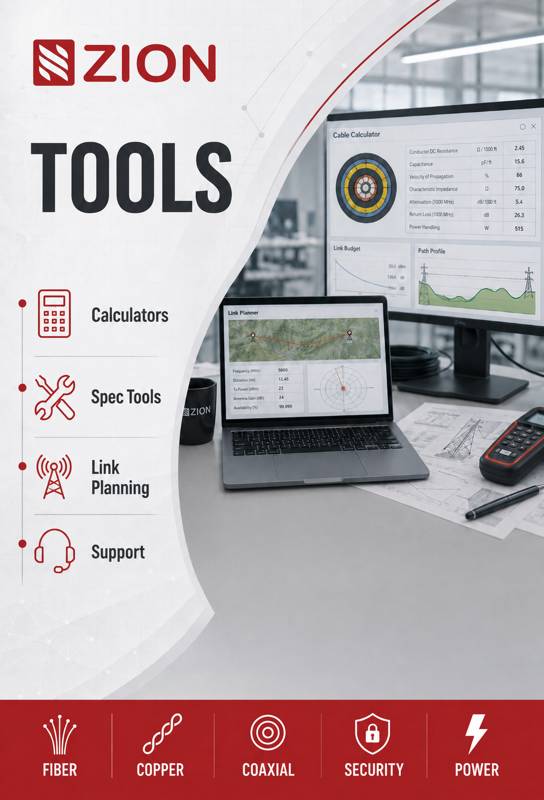






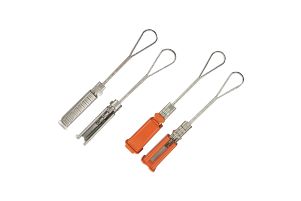 Fiber Optic Tools