GJYFJH
3.0 mm Round FTTH Drop Cable
A compact round, tight-buffered cable with aramid-yarn reinforcement and an LSZH sheath. Consider it for indoor pathways; confirm fiber count, bend radius and tensile limits.
View Product Details →FTTH drop cable forms the final optical route from a distribution point toward the subscriber premises. ZION offers flat, round, ribbon-fiber, uni-tube and self-supporting constructions for indoor, protected outdoor and aerial access. Choose by route first, then confirm fiber category and count, strength member, sheath, dimensions, bend limits, tensile rating and installation hardware.
This range includes 15 cable-only models. Compact round and flat cables suit subscriber pathways, ribbon and central-tube designs address different fiber organization needs, and self-supporting or reinforced outdoor models serve routes with greater mechanical exposure. Confirm the complete selected-version data sheet before design approval.
GJYFJH
A compact round, tight-buffered cable with aramid-yarn reinforcement and an LSZH sheath. Consider it for indoor pathways; confirm fiber count, bend radius and tensile limits.
View Product Details →GJYFJHH
A larger round, tight-buffered LSZH cable reinforced with aramid yarns. Choose it when the route suits a more robust round profile; confirm fiber count and mechanical ratings.
View Product Details →GJXFH
A compact flat LSZH cable with FRP strength members. Consider it where a lightweight non-metallic flat construction is preferred; confirm fiber count and route suitability.
View Product Details →GJXH
A flat LSZH drop cable using steel-wire strength members. Consider it where metallic reinforcement is acceptable; confirm fiber count, bend limits and installation environment.
View Product Details →GJXH SMALL
A small-profile flat cable with steel-wire strength members and an LSZH sheath. Consider it for tight indoor paths; confirm available fiber count and mechanical limits.
View Product Details →GJXFDH / GJXDH
A compact flat drop cable using ribbon fibers and an LSZH sheath. Consider it when ribbon organization is needed; confirm ribbon count, member material and termination method.
View Product Details →GJYXCH
A flat aerial drop construction using a steel messenger and steel strength members. Confirm fiber count, exact dimensions, span, sag, clamps and grounding requirements.
View Product Details →GJYXFCH
A flat self-supporting design with FRP support and strength elements. Consider it for non-metallic aerial drops; confirm span, fiber count, dimensions and compatible fittings.
View Product Details →GJYXFDCH / GJYXDCH
A self-supporting flat drop design using ribbon fibers. Use it when aerial support and ribbon organization are both required; confirm ribbon count, messenger, span and sheath.
View Product Details →GYFJU
A round-sheath LSZH cable strengthened with aramid yarn. Consider it where a flexible round construction is preferred; confirm diameter, fiber count and route approval.
View Product Details →GYGXY
A uni-tube outdoor cable with glass-yarn tapes and an HDPE sheath. Consider it for protected outdoor routes requiring non-metallic reinforcement; confirm fiber count and ratings.
View Product Details →FDC
A flat LSZH drop cable with central-tube construction. Consider it when the design needs this tube format and larger profile; confirm fiber count, members and route conditions.
View Product Details →ASU
A round self-supporting uni-tube cable with FRP reinforcement and an HDPE sheath. Confirm the selected diameter, fiber count, span, wind load and fittings.
View Product Details →GYXY-8S
A figure-8 self-supporting tube cable using aramid yarns. Use it for suitable aerial routes; confirm fiber count, messenger, cable dimensions, span and installation load.
View Product Details →GYFXBY
A flat self-supporting uni-tube fiber cable with FRP reinforcement. Consider it for specified outdoor aerial access; confirm fiber count, span, sheath and environmental limits.
View Product Details →Start with the physical route, not the model code. Once the route is clear, choose the cable profile, strength-member system, fiber category and sheath that match the installation and local requirements.
Choose an indoor LSZH model for suitable building pathways, a verified outdoor construction for duct or exposed routes, and a purpose-designed self-supporting cable for aerial spans. A cable described for one zone should not be assumed suitable for every transition.
Flat bow-type cable is compact and straightforward for many subscriber routes. Round cable suits pathways that favor a circular profile, while ribbon or uni-tube designs address different fiber-count, protection and termination needs.
Steel offers a stiff, economical metallic reinforcement. FRP is lightweight, non-metallic and corrosion resistant. Choose by electrical isolation, lightning exposure, support load, handling and clamp compatibility—not material name alone.
Both are bend-insensitive single-mode fiber categories used in access networks. G.657.A2 offers stronger macrobending performance for tighter routing, while G.657.A1 suits many general access paths. Always follow the finished cable's bend limit.
A self-supporting label is only the starting point. Confirm span, sag, wind, ice, installation tension, pole clearances, messenger construction and compatible clamps against the selected cable data sheet and project rules.
Use the table to build a shortlist. Dimensions are product designations or named options; fiber count, tensile strength, crush resistance, temperature range, bend radius, span and sheath performance must be confirmed for the selected version.
| Model | Construction | Member / Sheath | Named Size | Selection Direction |
|---|---|---|---|---|
| GJYFJH | Round, tight-buffered | Aramid yarn / LSZH | 3.0 mm | Compact round indoor route |
| GJYFJHH | Round, tight-buffered | Aramid yarn / LSZH | 4.8 mm | Larger round indoor profile |
| GJXFH | Flat, tight-buffered | FRP / LSZH | 2.0 × 3.0 mm | Compact non-metallic flat route |
| GJXH | Flat, tight-buffered | Steel wire / LSZH | 2.0 × 3.0 mm | Compact metallic flat route |
| GJXH Small | Bow-type flat | Steel wire / LSZH | 1.6 × 2.0 mm | Small indoor pathway |
| GJXFDH / GJXDH | Flat ribbon-fiber | Confirm member / LSZH | 2.0 × 4.0 mm | Compact ribbon-fiber drop |
| GJYXCH | Flat self-supporting | Steel messenger / LSZH | 2.0 × 5.2 mm designation | Metallic aerial subscriber drop |
| GJYXFCH | Flat self-supporting | FRP / LSZH | 2.0 × 5.2 mm designation | Non-metallic aerial subscriber drop |
| GJYXFDCH / GJYXDCH | Self-supporting ribbon | Confirm messenger / LSZH | Confirm selected version | Ribbon-fiber aerial drop |
| GYFJU | Round, tight-buffered | Aramid yarn / LSZH | Confirm diameter | Flexible round construction |
| GYGXY | Non-metallic uni-tube | Glass-yarn tapes / HDPE | Confirm selected version | Reinforced outdoor route |
| FDC | Flat central-tube | Confirm member / LSZH | 3.0 × 6.0 mm | Central-tube flat drop |
| ASU | Round self-supporting uni-tube | FRP / HDPE | 7.0 or 8.0 mm | Self-supporting outdoor access |
| GYXY-8S | Figure-8 self-supporting tube | Aramid yarn / confirm sheath | Confirm selected version | Figure-8 aerial route |
| GYFXBY | Flat self-supporting uni-tube | FRP / confirm sheath | Confirm selected version | Flat aerial uni-tube route |
The drop cable connects the access distribution side to the subscriber premises. The final indoor connection may continue through a wall outlet, splice or connectorized lead to the optical network terminal (ONT), so cable, termination and accessory choices should be planned as one system.
Use a construction approved for the actual façade, duct or aerial segment. Protect building entry, maintain bend limits and transition to an indoor-rated section when required by local rules.
Confirm whether the cable will be fusion spliced, mechanically terminated or connected through a factory-terminated lead. Connector polish and port type must match the outlet, adapter and ONT.
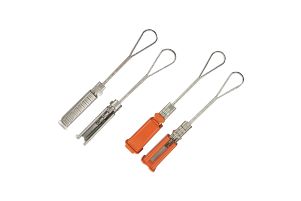
Match every clamp to the cable profile, dimensions and messenger material. The installation may also require anchors, hooks, bands, conduit, entry seals, closures, splice protection, outlets, cleaning tools and optical test equipment.
FTTH drop cables serve the final access route, but each environment places different demands on the cable. Use the application below as a starting point and validate the selected construction against the route survey.
Compact flat or round LSZH cables can fit walls, conduits and indoor pathways. Confirm the required fire-performance classification, bend radius and termination method; outdoor suitability should not be assumed.
Flat, round or ribbon-fiber models can support organized building distribution. Plan the indoor/outdoor transition, pathway space, fiber count, fire rules and splice or connector location.
Choose a rated self-supporting construction and compatible clamps. Do not use an unsupported indoor cable; verify span, sag, wind, ice, clearances, tension and work-at-height requirements.
Use a cable with verified moisture, UV, temperature and mechanical performance for the route. An LSZH label alone does not prove long-term outdoor or duct suitability.
It is the final fiber cable used between the access distribution side and the subscriber premises. The exact route may be indoor, outdoor, ducted, façade-mounted or aerial, so the construction must match the installation rather than the name alone.
Both are bend-insensitive single-mode fiber categories. G.657.A2 provides stronger macrobending performance for tighter routing, while G.657.A1 suits many normal access pathways. Use the finished cable's stated bend radius.
Choose steel where a stiff, economical metallic construction is acceptable; choose FRP when a lightweight non-metallic option is preferred. Compare the selected cable's actual tensile rating and clamp compatibility.
No. The cable, clamps and pole hardware must be rated for the actual span, sag, wind, ice, tension and clearance conditions. Follow the selected model's data sheet and local utility and safety requirements.
Use the finished cable's specified static and dynamic bend limits. Bare-fiber macrobending test radii do not automatically become installation limits for the complete cable, connector or pathway.
The bill of materials may include profile-compatible clamps, anchors or hooks, pole bands, conduit, bend protection, entry seals, terminal or splice boxes, splice protectors, outlets, connectors, cleaning materials and optical test equipment.
You do not need to choose a model code before requesting a quote. Share the route and measurable requirements below so the cable construction and selected-version data sheet can be matched accurately.
Distribution point, subscriber endpoint, route length and installation drawing
Indoor, outdoor, duct, façade or aerial zones
Fiber count and G.657.A1, G.657.A2 or other required fiber category
Flat, round, ribbon, central-tube, uni-tube or self-supporting construction
Steel wire, FRP, aramid yarn, messenger and sheath requirements
Dimensions, color, printing and unit length
Tensile, crush, bend, temperature, UV, moisture and fire-performance requirements
Aerial span, sag, wind, ice, pole hardware and clamp requirements
Termination method, connectors, closures, outlets and test requirements
Quantity, drum or coil length, packaging, labeling and required documents
Certification and compliance references for project review, qualification and purchasing documentation.

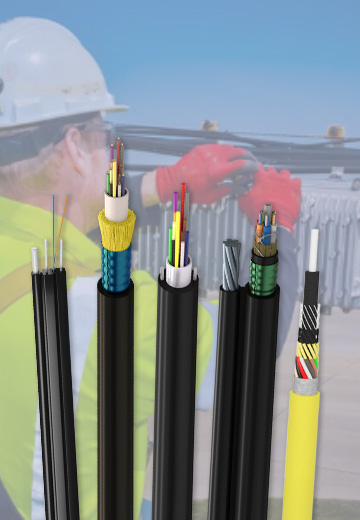 Fiber Optic CableAccess and backbone
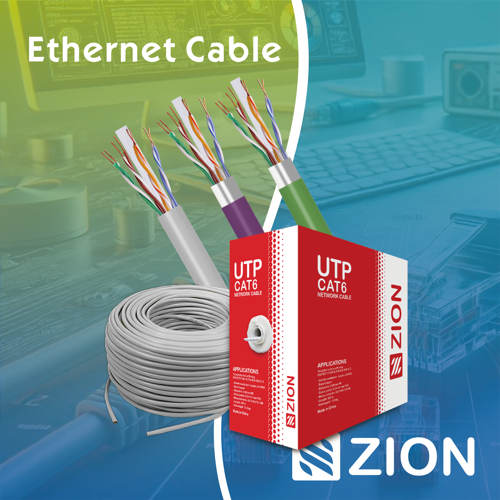 Ethernet CableCat5e to Cat8
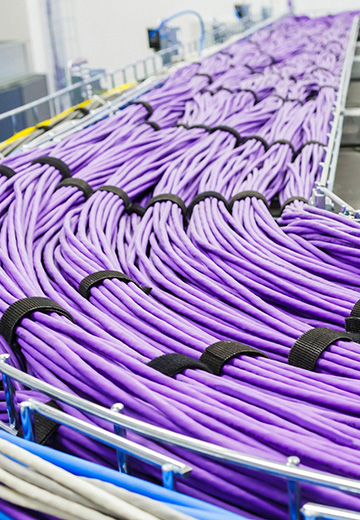 Coaxial CableRF and video signal
 Fire, Security & AlarmSafety systems
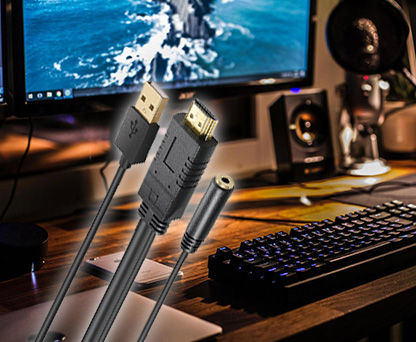 Voice, Audio & VideoSignal cabling
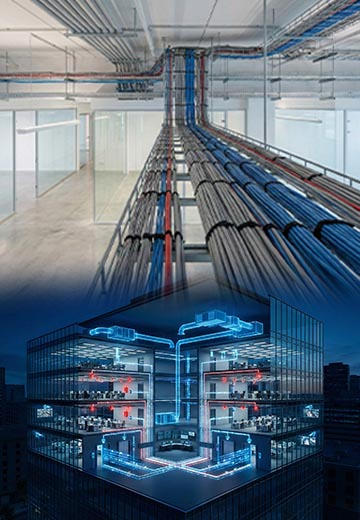 Power & Control CableEnergy and control
Outdoor, indoor, FTTH and distribution cable lines for access networks, backbone routes and campus deployments.
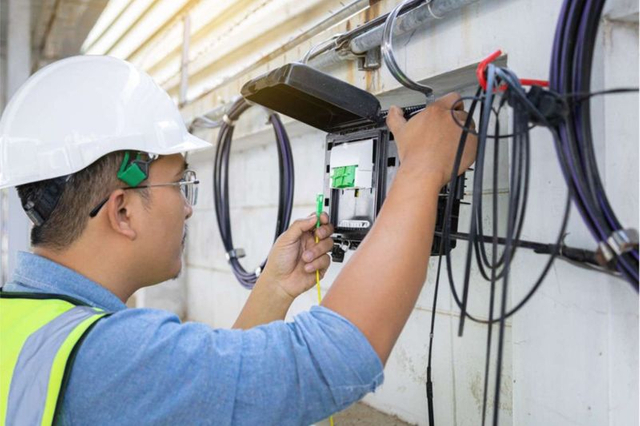 Telecom & ISP NetworksFTTH, PON, ODN
 Data Center InfrastructureServer room cabling
 Building Low-Voltage SystemsBMS, AV, weak current
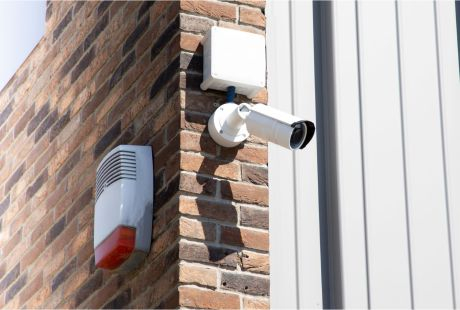 Security & Fire ProtectionAlarm, CCTV, access
 Industrial Automation CablePLC, RS485, fieldbus
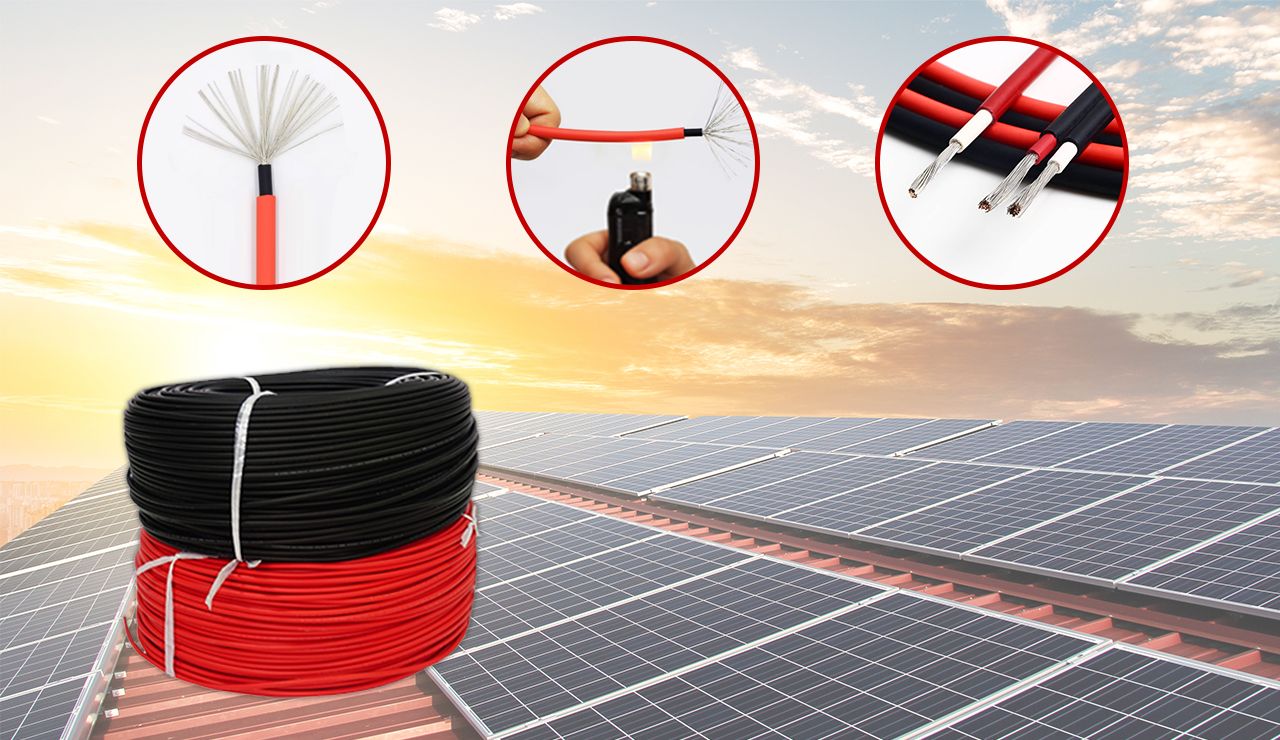 Energy & Power InfrastructureSolar, battery, power
For FTTH / PON access, outdoor fiber deployment, aerial routes, duct routes, direct burial routes, rural broadband and ODN planning.
Use calculators and planning tools for conduit capacity, PoE voltage drop and fiber optic link loss budget work.




 Fiber Optic Tools